Malta’s Compact Advantage — How Rules Reprice the Dream
Malta’s compact lifestyle boosts demand but acquisition permits, SDA rules and policy shifts materially alter yields — underwrite AIP, permit timelines and seasonality.

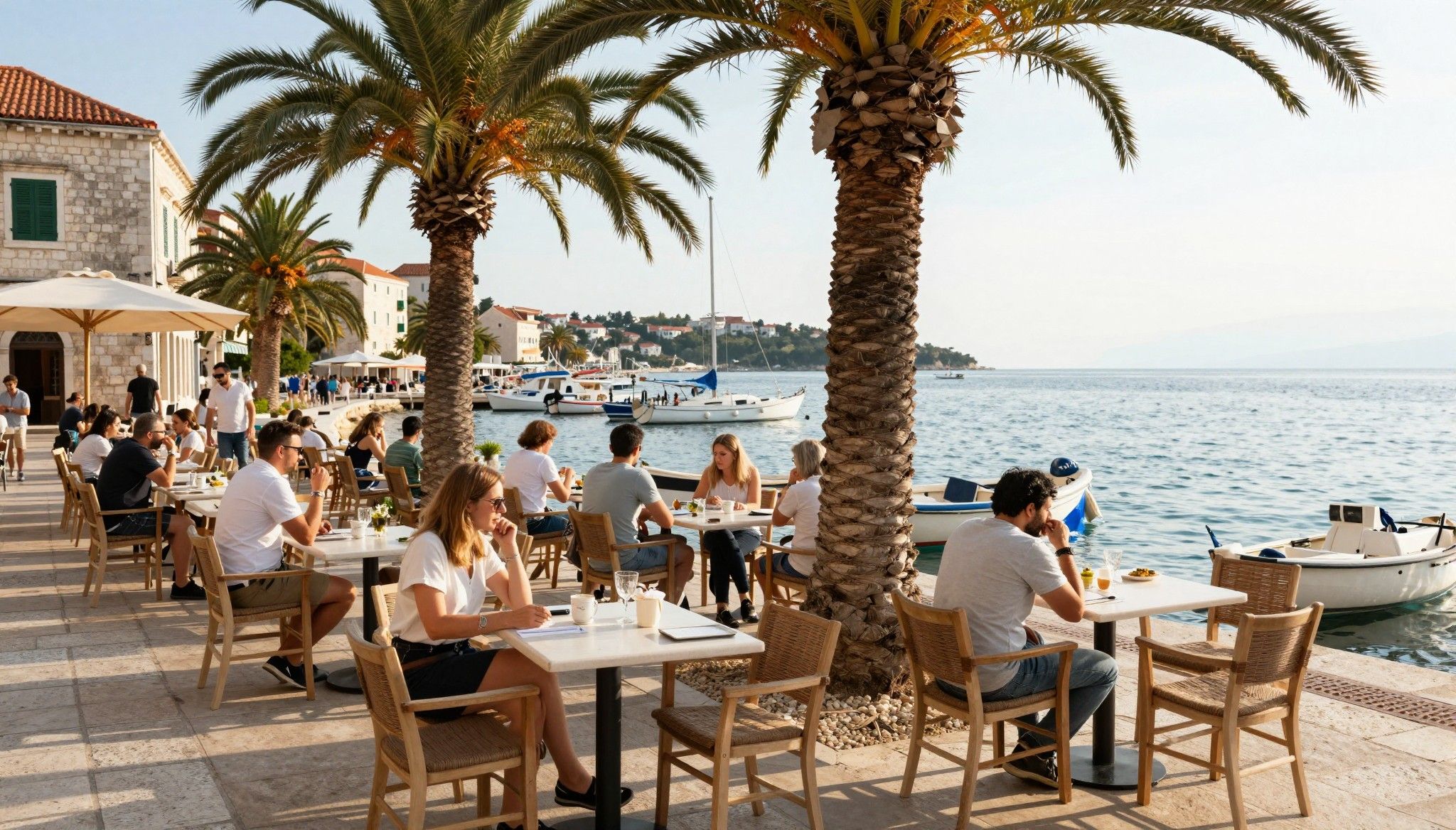
Imagine walking down Republic Street in Valletta at 8am: espresso shops opening, limestone catching the low sun, colleagues headed to offices and a short-term tenant dropping keys at a concierge. Malta feels compact — everything clusters: neighbourhood cafés, a ferry ride away from Sliema’s waterfront, a 20‑minute drive to Gozo’s slower pace. That compactness is the island’s secret: great lifestyle density that also compresses real estate economics. But compressed markets meet complex rules — acquisition permits, stamp duty, residency pathways — and those rules reprice value in ways tourists rarely see.
Living the Malta life: compact, sunlit, social

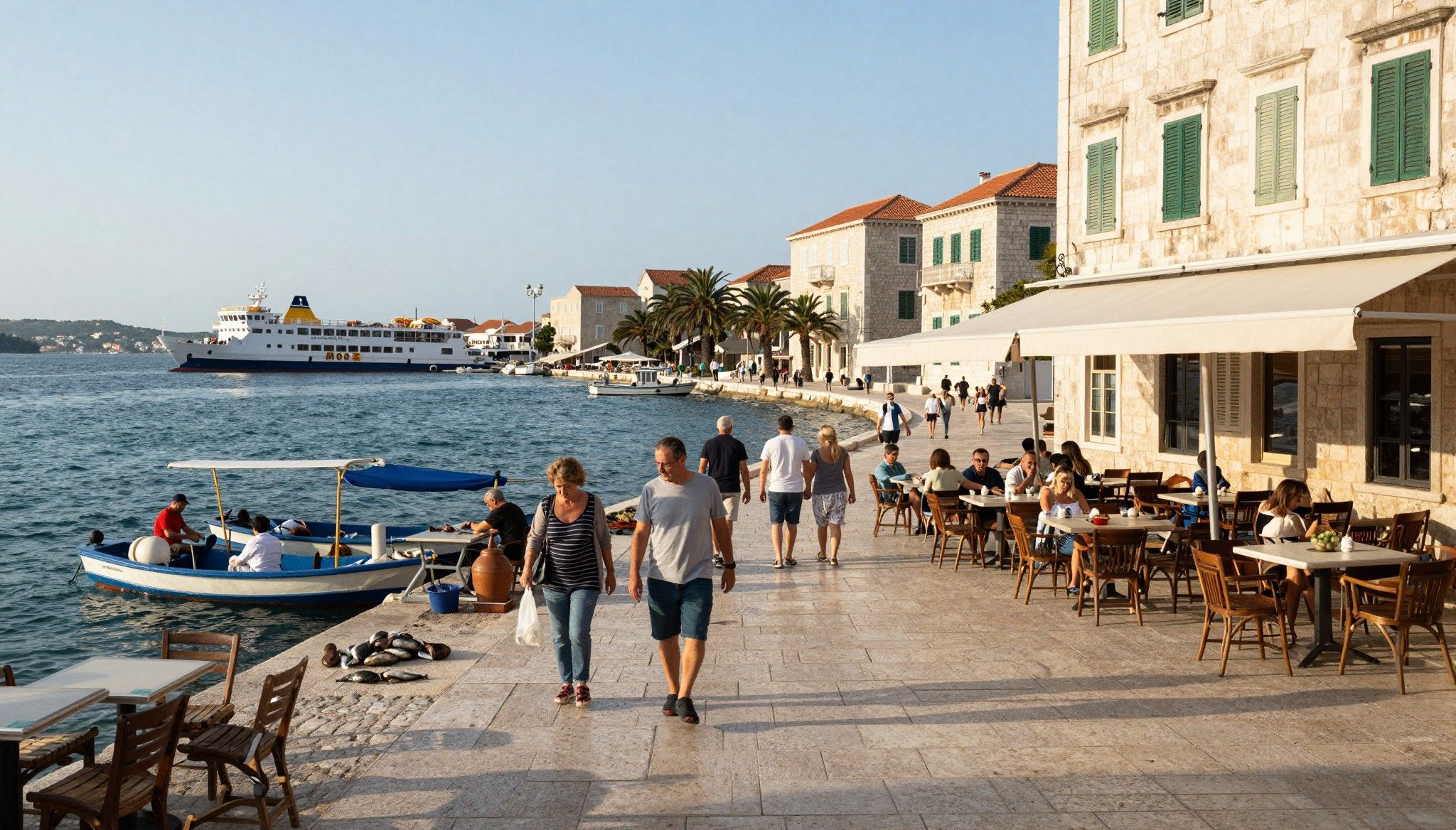
Daily life in Malta moves between piazzas, seafront promenades and gated residential pockets. Mornings are for quick coffee in Sliema’s Tigne Street or a bakery in St Julian’s; afternoons slide into siesta-like quiet; evenings gather on terraces in Marsaxlokk or the narrow lanes of Mdina. English is widely spoken and international schools cluster around central and northern localities, making social integration for many foreigners straightforward. That rhythm matters to investors: properties that match daytime convenience (walkable shops, coworking nearby) command different rents than isolated country homes.
Neighbourhood contrasts: Valletta, Sliema, Mellieħa
Valletta delivers history and short‑let magnetism — narrow streets, theatre nights at the Manoel, and tourist footfall that supports holiday rentals. Sliema/Gzira offer continuous demand from long‑let professionals and expatriates, with cafes along the promenade and quick ferry links to Valletta. Mellieħa and Gozo trade crowding for beach access and longer‑term rentals appealing to families and retirees. Each area’s lifestyle profile maps to occupancy patterns and yield expectations; match the tenant profile to neighbourhood character before underwriting returns.
Food, markets and the small pleasures that shape choices
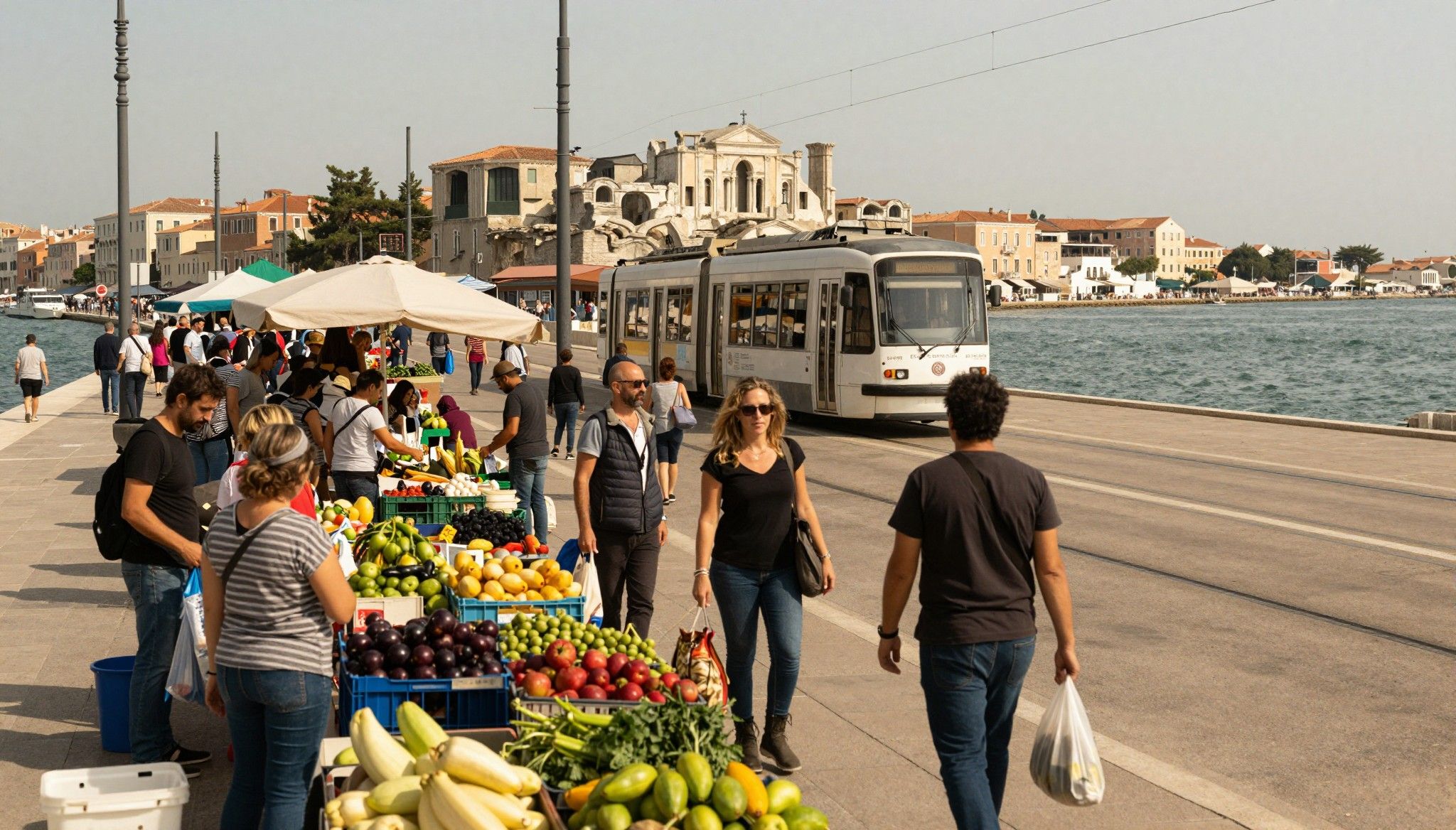
Weekends mean Marsaxlokk fish stalls, Is-Suq tal-Belt (Valletta market) for produce, and late-night pastizzi runs in Paceville for the young crowd. These micro-habits influence property desirability: a flat five minutes from a market or bus stop rents faster to locals; proximity to the St Julian’s club strip drives short‑let demand but also regulatory scrutiny. Seasonality is real — Easter and summer festivals lift short‑let revenues — but long‑term rental floors come from year‑round professionals and students in central hubs.
Making the move: rules that change the math
The island’s charm is paired with ownership gates that materially affect net yields. Non‑EU buyers and EU buyers who haven’t lived in Malta five continuous years generally need an Acquisition of Immovable Property (AIP) permit for secondary homes. Special Designated Areas (SDAs) — places like Tigné Point, Portomaso and certain developments — allow freer purchase. These legal constraints compress available stock for many buyers and therefore inflate prices inside permitted pockets, changing expected price per sqm and cap rate calculations. Always build AIP and SDA status into the underwriting assumptions.
Property types and how they fit life — and returns
Flats and maisonettes near Sliema or Gzira suit long‑let demand and often show steadier occupancy; converted townhouses in Mdina or the Three Cities appeal to short‑let travellers seeking character. New developments in SmartCity or Tigné deliver modern systems — attractive to corporate lets and remote professionals — but typically carry higher price per sqm. For investors, the trade is clear: pay a premium for turnkey infrastructure or underwrite refurbishment and vacancy risk for character properties.
How to align lifestyle intent with legal reality
Decide your primary use (primary residence, long‑let, or holiday let) and check whether that triggers an AIP requirement or SDA exception.
Price in stamp duty, notary costs and the AIP permit fee (standard application fee reported at €233).
If buying as a non‑EU investor, model limited ownership (generally one property outside SDAs) and plan exit options around permitted resale conditions.
Insider knowledge: what expats wish they’d known
Expats often arrive seduced by terraces and sea views and underestimate how ownership rules and recent political shifts change the picture. Malta’s citizenship-by-investment route was a driver of some demand until EU legal rulings altered that channel in 2025; policy shifts like that reduce speculative buyers but also dampen certain price segments. Planning realistic timelines for AIP processing (commonly within 35 days when documents are complete) and having a notary-experienced agent speeds transactions and reduces failed deals.
Cultural friction and local customs that affect living
Malta’s social life is relationship driven. Personal introductions and local references matter — landlords prefer tenants with steady employment or credible guarantors. Festivals like Isle of MTV or village festas temporarily change rental demand and noise levels: if you love nightlife, St Julian’s fits, but if quiet evenings are non‑negotiable, choose Għargħur or parts of Gozo. Learn the unspoken cadence: business hours, public holiday closures, and the importance of community committees in conservation areas.
Practical red flags to watch for in Malta
AIP restrictions that reduce resale flexibility for non‑EU owners.
Properties without clear SDA status that later trigger permit refusals or resale limits.
Underestimating running costs: coastal homes need moisture management and insurance premiums can be higher.
Assuming short‑let freedom — local and EU-level policy can narrow short‑let arbitrage quickly.
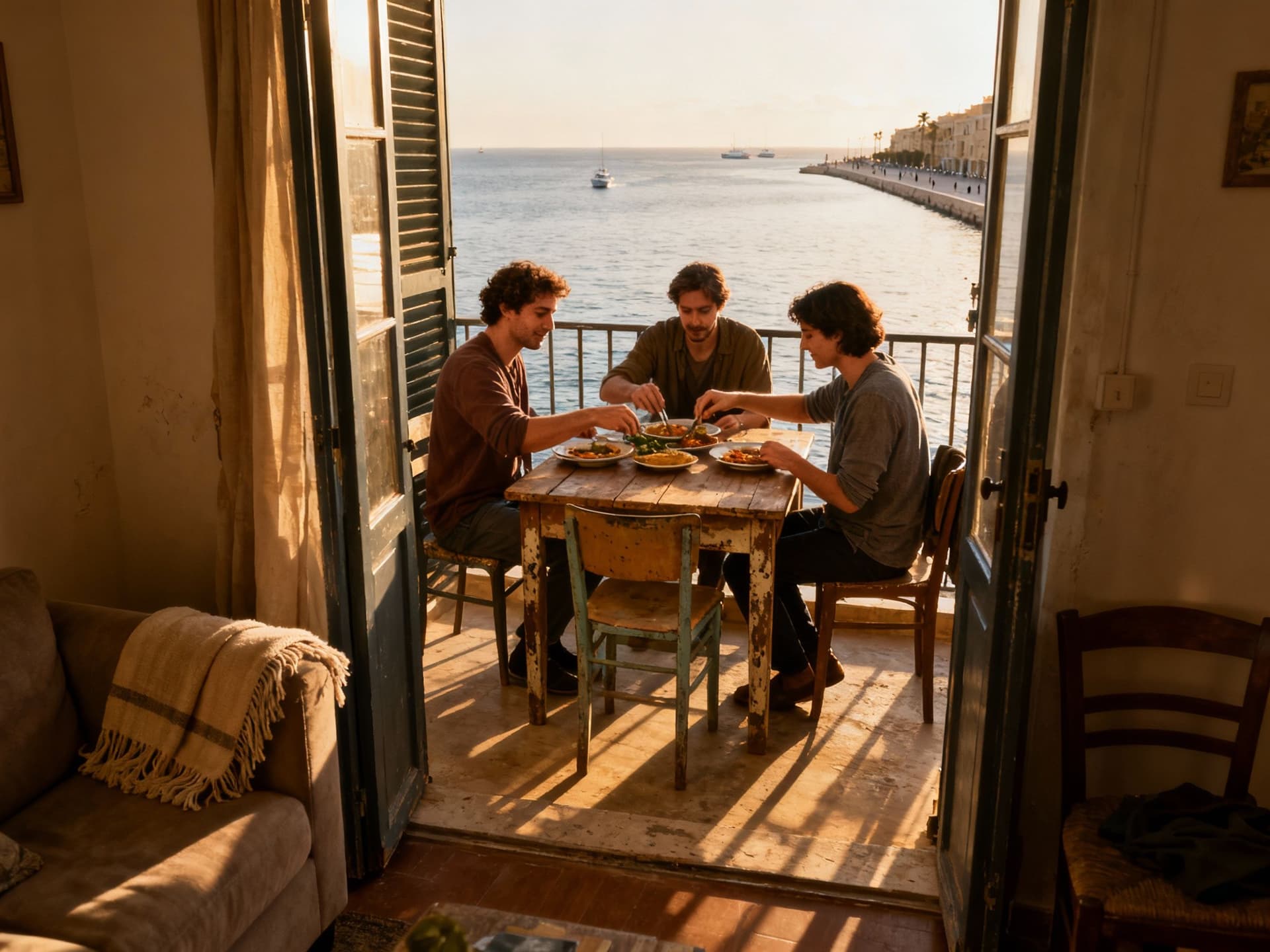
Conclusion: Malta sells a life — terrace dinners, ferry commutes and dense social networks — but the legal and policy framework is what converts charm into a viable investment. Start with a lifestyle map (where you want to live, which cafés and transport links matter), then layer AIP/SDA status, stamp duty and realistic yield assumptions on top. Work with a notary‑savvy agent and run scenarios that stress permit timelines, resale limits and seasonality. If you marry the island’s lived realities with rigorous underwriting, Malta can be both a delightful home and a defensible asset.
Swedish financier who guided 150+ families to Spanish title deeds since relocating from Stockholm in 2012, focusing on legal and tax implications.