Malta: The 15% Rental Edge That Changes the Math
Malta’s compact lifestyle masks precise tax and regulatory trade-offs; model the 15% rental election, seasonality and licences to convert charm into reliable net yield.
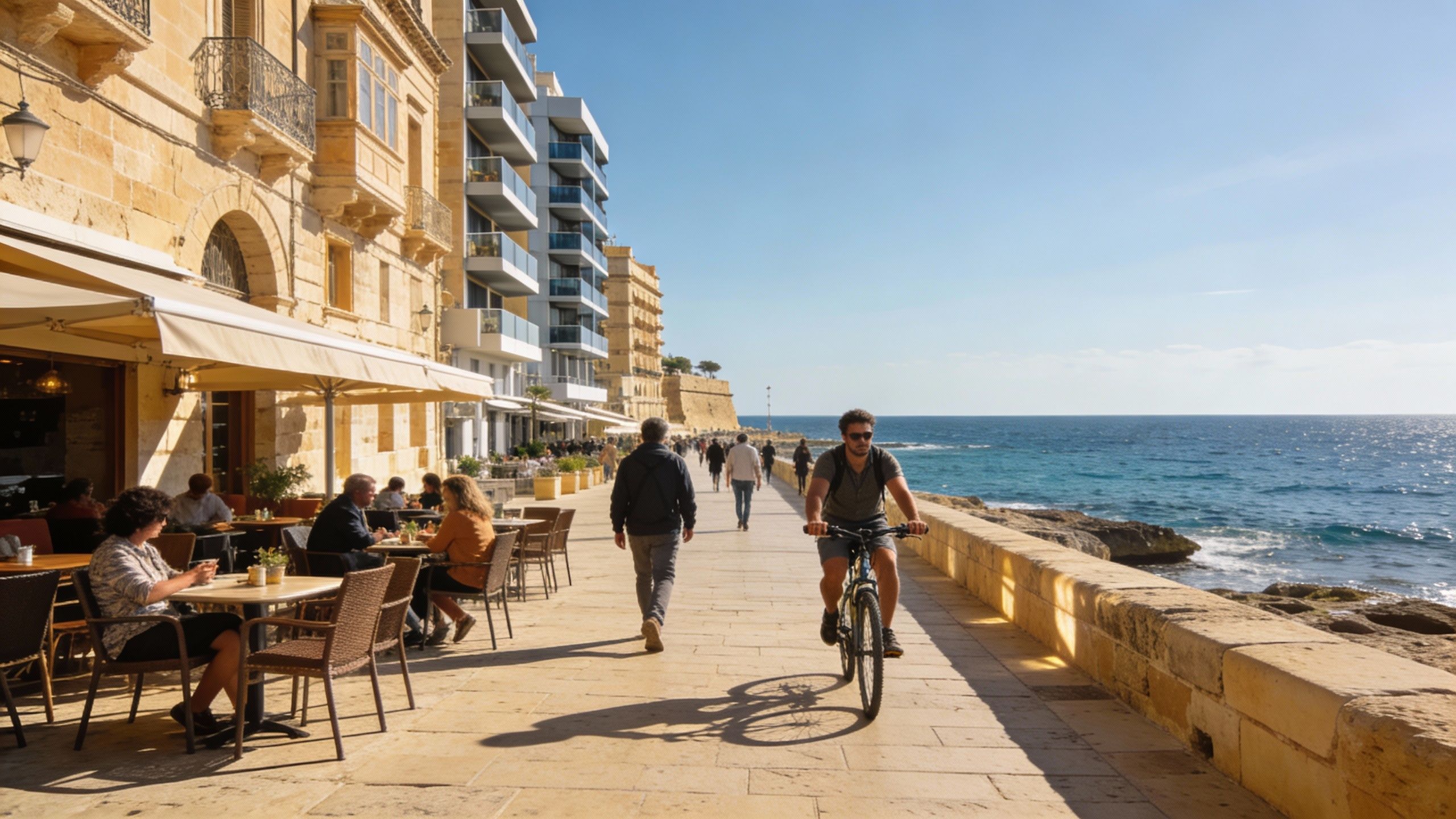
Imagine morning espresso at Fontanella in Mdina, then an afternoon swim off St Julian’s rocky coves — Malta is compact enough that both can fit in one day. That immediacy is the island's charm, but it also shapes the math of buying: short travel times, high tourist density and limited land mean different regulatory and tax trade-offs than mainland markets. For international buyers who balance lifestyle and returns, understanding Malta's tax rules and residency shifts the conversation from "too expensive" to "precisely priced".
Living Malta: daily rhythms and neighbourhood character

Life in Malta is small-scale Mediterranean: cafes on narrow streets, late-night pastizzi runs, and a steady breeze off the Grand Harbour. Valletta's baroque streets hum with government workers and boutique diners; Sliema and St Julian’s pulse with expats, tower blocks and coastal promenades; Gozo feels roomy by contrast, calmer and cheaper for space. The compactness concentrates demand — which matters for rental yields and resale timelines.
Valletta, Sliema & St Julian’s — different flavors of the same island
Valletta sells history: limestone facades, canal views and short-let demand during festival weeks. Sliema offers walkable retail streets and steady year-round renter demand from professionals; St Julian’s blends nightlife with serviced-apartment stock that attracts both tourists and short-term corporate stays. Each micro-market has different regulatory realities: short-term letting rules, planning permissions for conversions, and resident license considerations that affect net yield.
Food, markets and the weekend ritual
Weekends mean Marsaxlokk fish market at dawn, a long lunch of lampuki pie, and afternoons at Għajn Tuffieħa for a quieter beach. The island’s food scenes cluster — boutique restaurants in Mdina, cafe culture in Sliema, and fish shacks in Marsaxlokk — which informs where tenants and buyers prioritize proximity. If your tenant profile is young professionals, prioritize Sliema/St Julian’s; for seasonal holiday lets, Valletta and coastal villages command premium weeks.
- Lifestyle highlights — tangible place cues
- Morning espresso at Café Jubilee (Valletta) and the harbor walk
- Sliema promenade for daily runners and longer-term tenants
- Marsaxlokk Sunday market for fresh produce and authentic local life
Making the move: regulatory realities that reshape returns

Your love for Malta's mornings must meet Malta's rules. Two practical points change the underwriting: how rental income is taxed and the broader residency/citizenship environment. Malta offers an optional flat 15% tax on gross rental income — attractive for simple yield math — while personal income tax uses progressive bands that matter if you live here full-time. These are not academic: they directly affect net yield and the time it takes to break even on purchase costs.
Property styles and what they mean for occupancy
Typical Maltese stock: converted townhouses, mid‑rise apartments and a scattering of new luxury blocks. Converted old houses in Valletta and Senglea attract short‑stay premium weeks but can have constrained long‑term yields because of seasonal volatility. Newer apartments in Msida, Gzira and Sliema deliver steadier long‑term tenancy. Choosing type alters your tax checkbox: using the optional 15% flat rate applies to gross rental revenue, which benefits owners who don’t want to track deductible costs.
Work with experts who translate lifestyle into compliant assets
A local lawyer and a tax adviser should be on speed dial. Expect to confirm whether a property can be used as a short‑stay unit (planning and tourism licences), whether conversion needs full planning permission, and the correct VAT / stamp duty treatment on transfer. Agents who understand the tenant profile (long‑term professionals vs. holiday rentals) will underwrite differently — and that underwriting is what separates lifestyle wishlists from investable assets.
- Practical decision steps blending lifestyle + tax (ordered)
- Profile your tenant: determine target renter (year‑round professional vs holiday guest) and align neighbourhood choice.
- Tax test: model net yield with and without the 15% gross rental election, and run sensitivity for vacancy and maintenance.
- Compliance check: confirm planning, licence and building condition with local counsel before exchange.
- Residency implications: decide whether you want tax resident status, then model personal tax bands and remittance rules.
Insider knowledge: the rules, myths and red flags expats forget
A persistent myth: "buy in Malta and get fast EU access." The high‑profile citizenship-by-investment program has been struck down at EU level, and political risk remains a factor in pricing. That political backdrop matters for the highest‑end buyers and for compliance-heavy investors who need clean chains of title and transparent source-of-funds documentation.
Cultural and practical quirks that affect ownership
Malta speaks English widely, which eases transactions, but expect slow administrative timelines for planning and notarial processes compared with some EU peers. Utility connections for older buildings can require upgrades; solicitors often recommend a technical due diligence survey before purchase. Also, community relationships matter — neighbours in tightly packed towns can influence renovation permissions in ways formal law does not capture.
Tax reality check: if you plan to live in Malta, personal tax rates scale up to 35% at approximately €60,000 of chargeable income (2025 bands). Non‑residents are taxed on Malta‑sourced income only, a feature that can suit absentee landlords but requires careful structuring when repatriating profits or combining incomes across jurisdictions.
- Common red flags investors miss
- Assuming all coastal addresses yield the same: micro‑location drives week-by-week rentability.
- Overlooking licence and short‑stay compliance which can close off high‑season income.
- Ignoring long‑term maintenance costs of older limestone stock when calculating cap rate.
If you plan to make Malta your tax home, plan for lifestyle shifts: utility costs, insurance and municipal rates differ from the city or country you left. For investors, the right question isn’t whether Malta is "cheap" or "expensive" — it’s whether the island’s constrained supply, clear tourist seasonality and specific tax options align with your required net yield and holding period.
How we test a Malta opportunity (short checklist)
- Estimate gross yield: projected annual rent divided by purchase price, compare with similar micro‑markets in Sliema, Valletta and Gozo.
- Apply tax model: run net yield with 15% flat rental election vs. itemised expense deductions and resident personal tax scenarios.
- Stress test seasonality: model 20–40% vacancy depending on short‑stay exposure and update cashflow accordingly.
- Legal & title check: confirm planning history, licences and any heritage constraints that affect renovation and rental classification.
Conclusion: Malta rewards clarity. The island delivers a lifestyle that's immediate and Mediterranean; the regulatory and tax framework can amplify returns if matched to tenant profile and holding strategy. Bring a lawyer and a tax adviser early, model the 15% rental election versus itemised deductions, and pick neighbourhoods with tenant demand that matches your risk tolerance. Do that, and Malta stops being a romantic outlier and becomes a clearly priced line in a diversified portfolio.
Dutch investment strategist who built a practice assisting 200+ Dutch clients find Spanish assets, with emphasis on cap rates and due diligence.