When France’s Mid‑Sized Cities Beat Paris on Rental Yields
Mid‑sized French cities and university towns often deliver higher gross rental yields than Paris or the Riviera; match tenant profiles to property type and model net yields vigilantly.

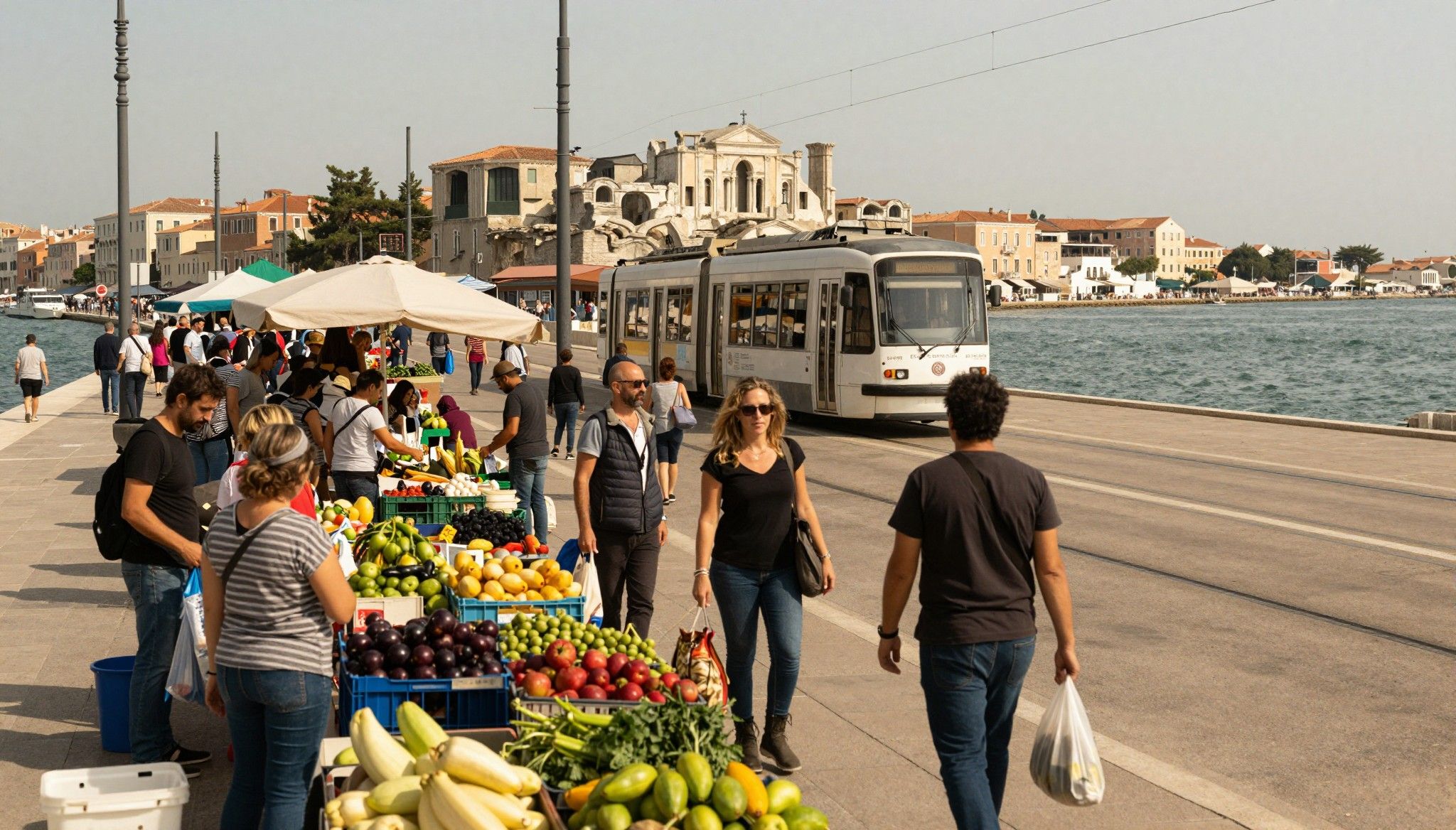
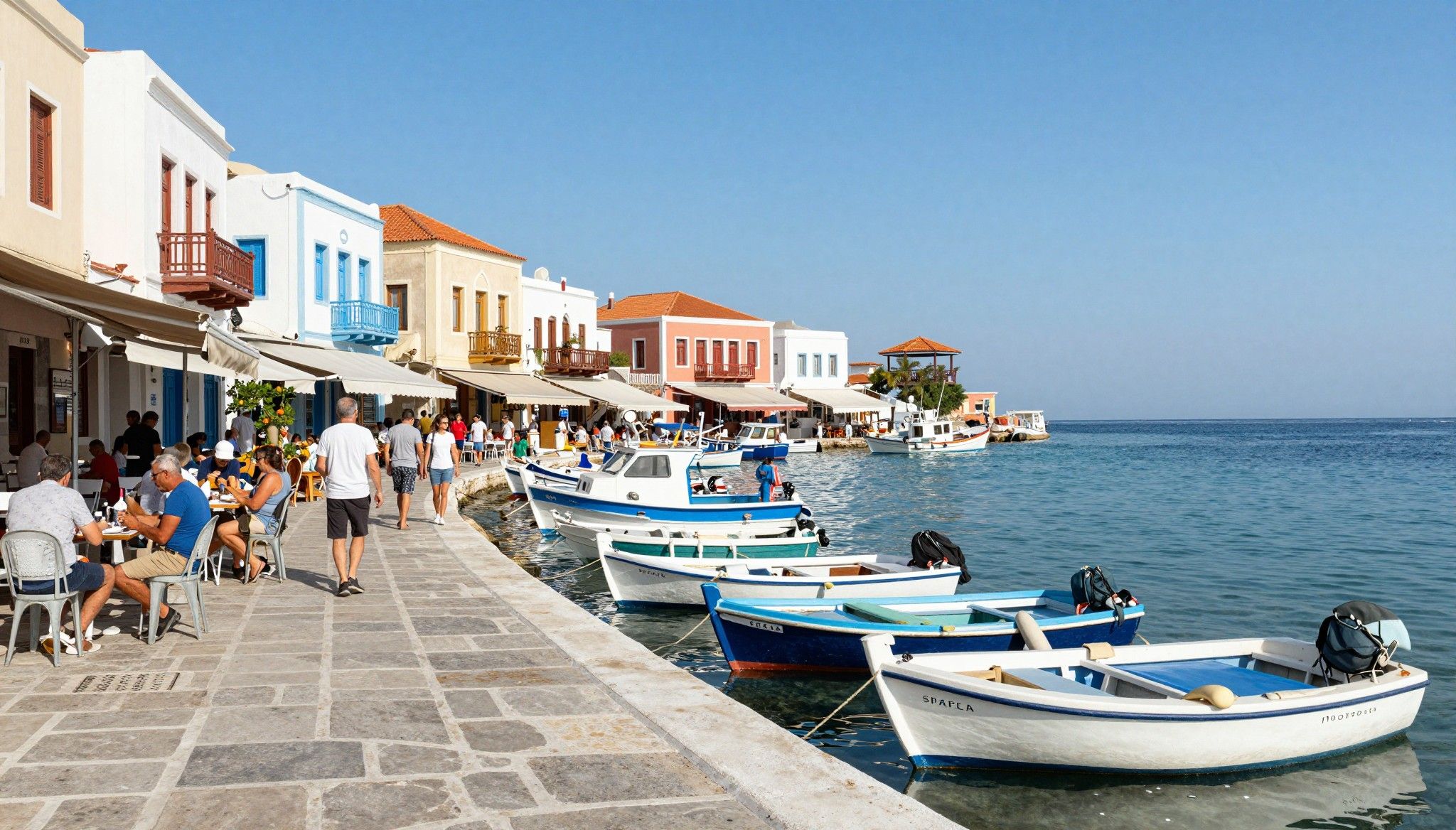
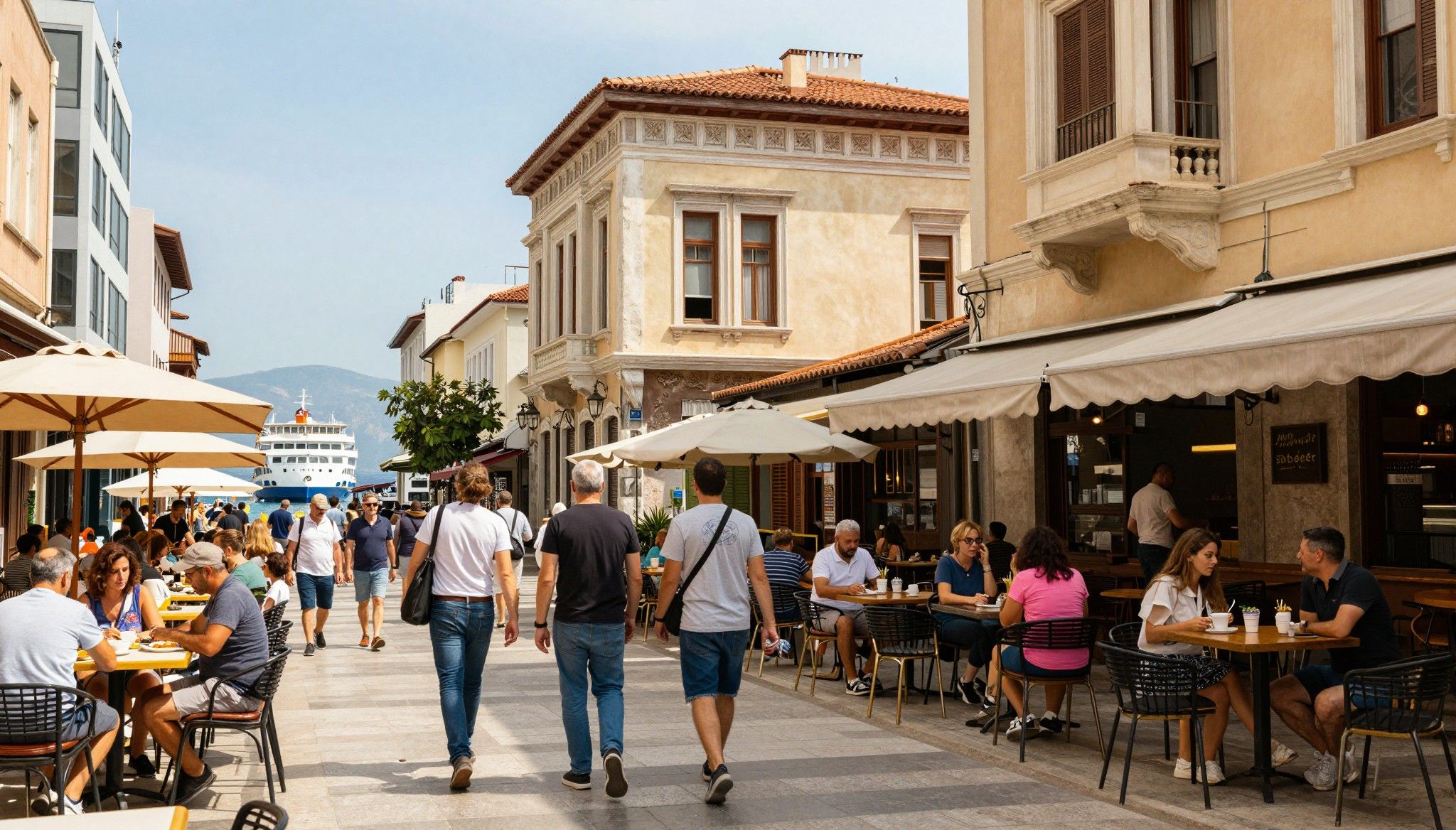
Imagine a Saturday: you’re sipping espresso at Café de la Paix in a small provincial square, a marché on one side, a boulangerie on the other — and the apartment you bought two years ago pays your mortgage. In France, the lifestyle — neighbourhood boulangeries, evening marchés, weekday café rhythm — often shapes where buyers fall in love. But for investors who speak numbers first, yields and rental demand tell a different, sometimes surprising story. Data shows mid‑sized and university towns can deliver markedly higher gross returns than Paris or the Côte d’Azur, if you accept different tenant profiles and management needs.
Living the French life — and where the money comes from

Daily life in France is textured: morning markets in Nice, bike commutes in Nantes, aperitivo-like evenings on Lyon’s Presqu’île. These rhythms influence tenant demand — students in Rennes, tourists in Nice, young professionals in Nantes — and therefore rental stability. Nationally, average gross rental yields sit in the mid‑4% range, but the spread is wide: some provincial cities post 6–8% gross yields while Paris and the Riviera compress returns. These yield differences are driven by price per square metre, tenant mix and local regulations that shape short‑term rental legality.
Neighbourhood spotlight — Rennes, Nantes, Clermont‑Ferrand
Take Nantes: a riverside city with strong tech and student demand. Or Rennes: a compact university city where small flats rent quickly and turnover is low. Clermont‑Ferrand and other interior cities combine affordable purchase prices with steady local employment. For buyers who prize yield, these places trade some capital appreciation potential for higher immediate cash returns — and they feel like France: stone facades, active markets, and lively local cafés where you’ll actually mix with tenants rather than tourists.
Food, markets and the seasonal rhythm that shapes rentals
Markets and restaurants aren’t just lifestyle extras — they correlate with rental occupancy. University semesters, regional festivals and agricultural seasons (truffle season in Dordogne, summer on the Côte) create predictable demand spikes. That predictability helps furnished and medium‑term lets (3–12 months) perform well, especially in cities with universities or corporate hubs. If you value a steady yield, prioritise towns with year‑round economic activity over pure resort towns where occupancy is lumpy.
Making the move: property types, yields and practical tradeoffs

Shifting from romance to balance-sheet discipline: property type matters. Studios and one‑bed apartments typically show higher gross yields because per‑square‑metre prices are lower and demand among students and young professionals is strong. Larger family units often offer lower yields but longer leases and lower turnover. Understand gross vs net yield: gross yield = (annual rent ÷ purchase price) × 100; net yield subtracts taxes, insurance, management and vacancy. Expect net yields roughly 1.5–2 percentage points below gross in many French markets.
Property styles and what they mean for yield
Historic Haussmann flats in Paris deliver liquidity and capital security but low immediate yields. Suburban townhouses and small apartment blocks in provincial cities provide higher starting yields and scalability for a small portfolio. New builds (neufs) offer tax advantages and lower maintenance in the short term, but often come with higher price per m2 and longer vacancy risk. For investors prioritising cash flow, aim for compact, well‑located furnished units near universities, hospitals or transport hubs.
How local experts protect lifestyle expectations and returns:
Work with a local agent who understands tenant profiles, registration rules for furnished tourist lets, and neighbourhood seasonality. They help price competitively, manage compliance (Paris limits short‑term rentals) and source reliable property managers who keep turnover and maintenance costs low.
Insider knowledge: the surprises expats wish they’d known
Real‑talk: expats often underestimate regulatory friction. Paris tightened short‑stay rules ahead of major events; municipalities can be strict about tourist lets and require local registration. Language gaps and paperwork slow closings and compliance checks. On the positive side, municipal services, transport, healthcare and stable tenant pools make many French cities robust for buy‑to‑let — but success hinges on local knowledge and conservative yield forecasts.
Cultural tips that affect occupancy and tenant mix
French tenants value standard fittings, good insulation and proper heating — energy performance (DPE) affects both desirability and legal compliance. Furnished rentals must include a basic inventory; landlords who ignore these local expectations face longer vacancies. Community relationships matter: neighbours expect quiet hours and respect for shared spaces, which influences tenant selection and management style.
Quick red flags and practical checks
1) Overpriced suburbs: low yield, long vacancy risk; 2) Unregistered short‑term rentals in tourist cities: legal penalties; 3) Properties with poor DPE ratings: higher running costs and harder to let; 4) Buildings with high co‑propriété charges: reduce net yield.
Practical due diligence should include verifying local rental caps, checking recent rental comparables, obtaining DPE certificate, and asking the syndic for past charge histories — these steps protect both lifestyle fit and returns.
Step‑by‑step process for international buyers (6 actions):
1) Shortlist towns by yield and tenant profile; 2) Request recent rent roll and price/m2 comps from local agents; 3) Commission a DPE and structural survey; 4) Confirm short‑stay rules and registration requirements with the mairie; 5) Model net yield scenarios including taxes and syndic charges; 6) Agree a property management plan before purchase.
Conclusion — France is emotionally easy to love and analytically attractive if you match place to purpose. If you want yield, look beyond the Côte and central Paris to university towns and mid‑sized regional cities where compact flats deliver stronger gross returns. If you want capital security and a lifestyle that rarely disappoints, prime Parisian neighborhoods and the Riviera hold value — at the cost of yield. Combine local agents’ neighbourhood knowledge with rigorous net‑yield modelling and a property manager who understands French tenant expectations. That way, the morning market and the mortgage can coexist.
Danish relocation specialist who moved to Cyprus in 2018, helping Nordic clients diversify with rental yields and residency considerations.