When Greek Seasonality Meets New Rules: Real Yield Steps
Greece’s lifestyle appeal now pairs with tighter short‑stay rules; underwrite occupancy, compliance costs and micro‑neighbourhood demand to protect rental yield.

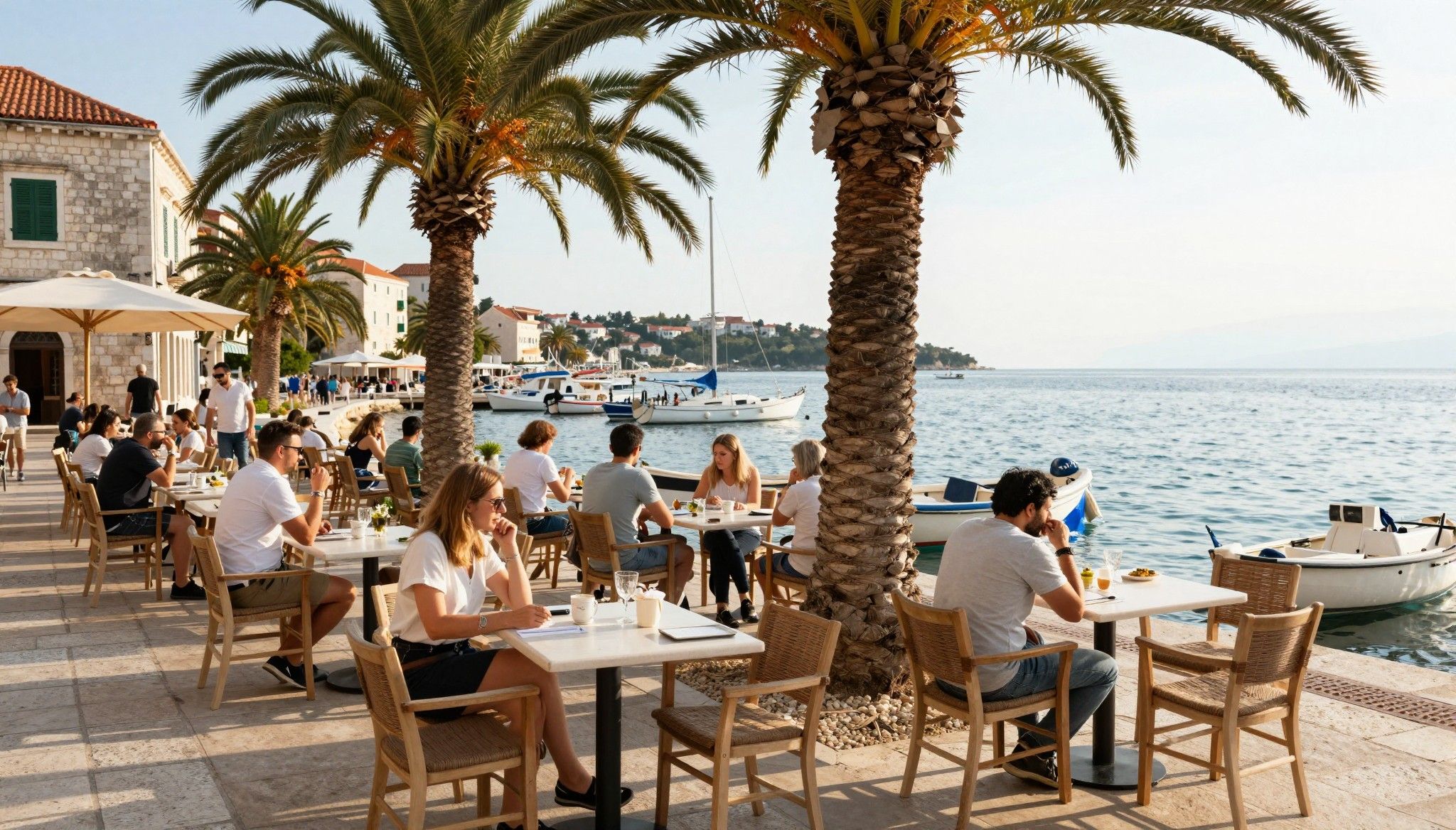
Imagine sipping a strong Greek espresso on a narrow Koukaki street as delivery scooters thread between bougainvillea and neoclassical balconies. The light makes white plaster sing; bakeries steam filo and sesame, while students, young families and seasonal visitors negotiate the same urban rhythms. For international buyers, that scene is seductive — and it’s the backdrop for practical choices that determine whether your purchase earns rent or simply earns memories. Recent regulatory and tourism shifts mean lifestyle and yield now move together in ways they didn’t five years ago.
Living Greek: daily rhythms that shape demand

Greece isn’t one place — it’s a set of living patterns. Athens hums from dawn markets in Monastiraki to late-night ouzeries in Exarchia; Cycladic islands pulse with short, intense tourist seasons; northern cities like Thessaloniki combine university-driven rental demand with year-round commerce. Those rhythms determine how and when people rent: long-term leases concentrate around universities and industrial hubs, short-stay demand clusters on islands and historic quarters, and hybrid markets (e.g., Koukaki, Pagrati) see a mix. For an investor, the appeal is both cultural and arithmetic: predict the human flow, and cashflows become less of a mystery.
Athens neighbourhoods: micro-markets within the capital
Streets matter. Kolonaki delivers premium, stable long-term rents; Koukaki and Monastiraki draw strong short-stay night-time economies; Exarchia offers lower entry prices and good student demand, while Pagrati mixes family rentals and creative co-living. Recent central-Athens short-stay moratoria and stricter standards have reshaped where professional short-let operators list their units, shifting some yield potential outward. That redistribution can uncover value in neighbourhoods internationally overlooked three years ago.
Islands vs mainland: seasonality, services and survival rates
A Mykonos or Santorini listing can deliver high nominal nightly rates but only during a compressed season; off-season occupancy drops sharply unless you target events or niche tourism. Mainland markets (Chalkidiki, Peloponnese, Athens suburbs) present steadier annual occupancy, easier property maintenance logistics, and lower management fees. When you compare yield potential, factor in occupancy — not headline nightly rates — and remember that tourism contributed a large share of recent Greek GDP, creating both upside and regulatory risk. Sustainable income often lives where services and season overlap sensibly.
Making the move: practical considerations that protect yield

The romance of a whitewashed terrace should never obscure cashflow mechanics. Start with price per square metre, typical net yields after management and taxes, and the expected occupancy profile by month. In Greece today, short-term rental rules and AADE enforcement can remove marginal listings if properties lack natural light or valid certificates — a structural risk to projected revenue. Mix lifestyle preference with conservative financial assumptions: assume 60–70% peak occupancy for islands in a normal year, and aim for 4–6% net yields for long-term rentals in Athens as a baseline unless local data says otherwise.
Property types and what tenants actually pay for
Studio flats in central Athens command high per-square-metre rents to students and young professionals; three-bedroom homes near high-quality schools suit expat families and command longer leases. On islands, outdoor terraces, AC for summer, and reliable water/backup power systems markedly increase occupancy and nightly rates. Investors often overspend on aesthetic upgrades and underinvest in utilities and compliance — the latter matter more for continuous income. Prioritise durable, low-maintenance finishes and certified safety systems required by new regulations.
How local agencies earn their keep
Specialist agencies add value by mapping micro-market rent curves, pre-checking AMA compliance, coordinating inspections and managing ongoing certification renewals. Look for firms that publish occupancy data, supply chain contacts (electricians, insurers), and a transparent fee structure for both lettings and short-stay operation. Agencies aren’t just sales channels — they’re operational partners whose competence can protect net yield by reducing vacancy, avoiding fines, and optimising seasonality. Choose local teams with demonstrable regulatory experience, not generalist agents.
- Quick practical checklist before you sign:
- Confirm AMA/property registration and check for any moratoria in the municipality.
- Estimate net yield: gross rent minus management (10–20%), maintenance reserve (5–10%), insurance and local taxes.
- Factor in compliance costs required by new short-stay standards (electrical certification, fire safety, insurance).
- Get local rental comparables for both long-term and short-stay by month, not just annual averages.
Insider knowledge: what expats wish they'd known
Expats consistently say the surprise wasn’t the culture but logistics: water availability on islands, seasonal staff shortages, and paperwork timing. Language barriers slow administrative actions; having a bilingual lawyer and an agent who speaks Greek saves weeks. Seasonality alters neighbourhood character: a quiet Paros street in November can feel abandoned but is cheaper and offers high off-season rentals to long-stay visitors. Understanding these rhythms lets you pick locations that match desired risk exposure rather than chasing headlines.
Cultural and community realities that affect returns
Greek tenancy norms favour stable relationships; landlords who invest in quick repairs and local goodwill get fewer disputes and longer tenancies. Community rules — from beach access enforcement to local councils’ building permissions — can change usable amenity value overnight. Expect informal local networks to influence maintenance ease and sub-contractor reliability; embed with neighbours and you cut costs. Those soft factors manifest as measurable differences in vacancy and repair expenses over time.
Long-term policy signals are mixed: incentives now exist to convert short-stay units into long-term leases, but enforcement against non-compliant listings is stronger. That dual approach both reduces supply of marginal short-term stock and nudges more properties into the long-term market — a boon for investors who favour steady yield over seasonal spikes. Use tax incentives and regulatory timelines to time renovations and listing strategies rather than to justify speculative bets on nightly rate growth.
- A six-step pre-purchase process for realistic underwriting:
- 1) Collect 12‑month rental comparables for both long-term and short-stay by micro-neighbourhood.
- 2) Confirm AMA/registration and municipal moratoria; estimate compliance upgrade costs.
- 3) Build conservative occupancy scenarios (low, mid, high) and stress-test net yield at each level.
- 4) Obtain fixed quotes for management, insurance and periodic maintenance from local providers.
- 5) Check supply pipeline: upcoming builds, hotel openings, or infrastructure that could dilute demand.
- 6) Negotiate purchase clauses that allocate responsibility for known remediation or certification work.
Conclusion: Greece offers investible lifestyle markets but the playbook has changed. If you love the early-morning markets of Thessaloniki, the terrace cafes of Koukaki, or the quiet lanes of Serifos in winter, you can build a portfolio that reflects that life — provided you underwrite seasonality, regulatory compliance and true operating costs first. Work with local agents who publish data, insist on documented comparables, and structure deals that protect against sudden regulatory shifts. Then, sit on the terrace and let the arithmetic do the rest.
Danish relocation specialist who moved to Cyprus in 2018, helping Nordic clients diversify with rental yields and residency considerations.