Imagine waking at dawn to a piazza that still smells of fresh bread, ordering espresso at a corner bar in Trastevere, then scanning apartment listings with a notebook full of yield calculations. Italy sells itself through ritual — markets, aperitivo, church bells — but beneath the romance are measurable rental rhythms that decide whether a purchase performs as a home or as an investment. This piece rejects the easy seasonal story: Italy’s rental returns are increasingly driven by year‑round demand, migration patterns and city‑level regulation, not just summer tourists. We'll show how lifestyle choices—neighbourhood, property type, short‑stay strategy—translate into yield and rental durability, with sources so you can underwrite reality, not romance.
Living the Italy lifestyle
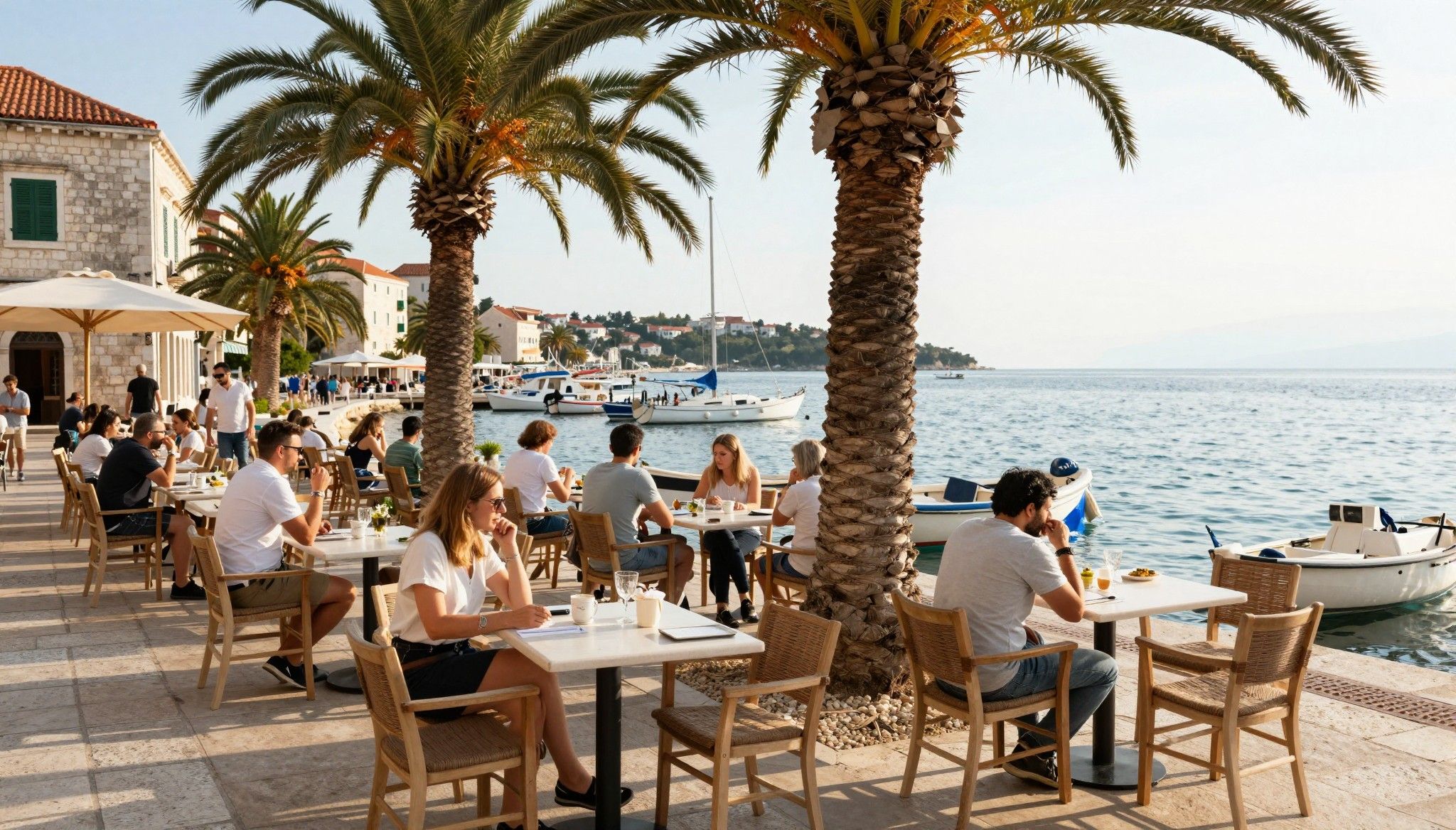
Italy moves at two paces: the measured daily rituals of neighbourhood life and the surge of visitors to art cities and coasts. In Rome’s Trastevere you hear scooters and live music; in Milan’s Navigli you feel weekday commerce and weekend dining; in Bologna the porticoes keep streets active year‑round. Those rhythms matter: neighbourhoods with everyday life — markets, schools, commuter links — produce steadier long‑term rentals than areas that live only for tourists. Choose streets where locals eat, not only where cameras point.
Neighbourhood spotlight: Rome — Trastevere and San Lorenzo
Trastevere retains narrow lanes, trattorie and a steady student/young professional rental pool; San Lorenzo—next to Sapienza University—leans heavily on student demand and benefits from predictable academic seasonality. Both areas offer walking access to transport and services that reduce vacancy risk. Investors focused on gross yield should compare a small Trastevere studio’s achievable monthly rent with its acquisition price per square metre and factor in seasonal nightly demand as a supplement, not the base case.
Food, markets and daily life: why this matters for rentals
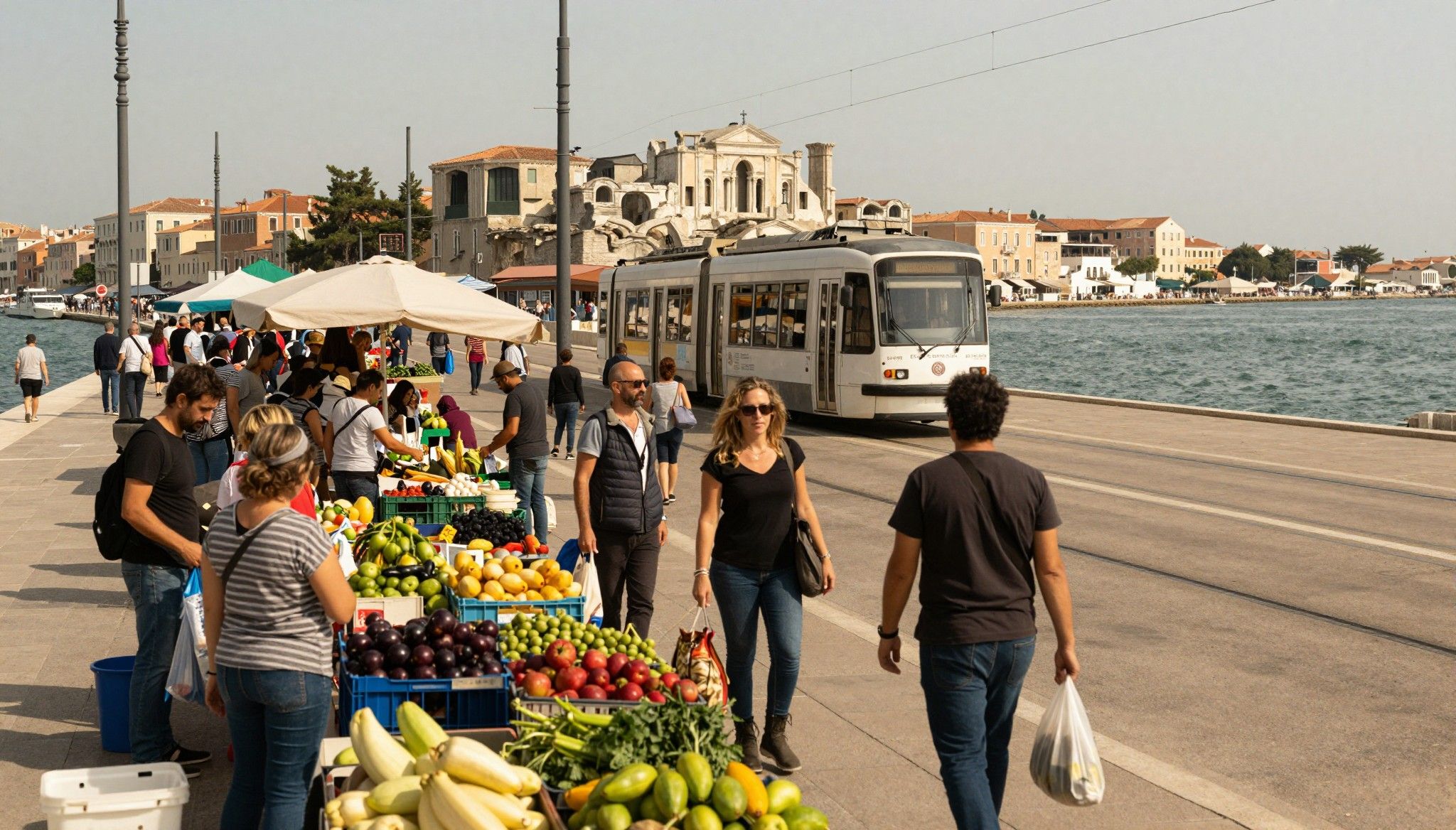
The rhythm of markets and restaurants drives tenant choice: families want laundries and markets (Mercato di Testaccio), professionals want quick metro links, digital nomads want cafés with reliable Wi‑Fi. Cities such as Florence have introduced limits and bans on short‑term rentals in historic centres, a trend that changes the value of tourist‑oriented apartments and benefits units suited for medium‑term tenants. When local policy shifts, neighbourhoods with authentic daily life become safer income plays than narrow tourist strips.
- Lifestyle highlights that support steady rental demand:
- Mercato di Testaccio (Rome) — daily footfall, food vendors that keep locals in the area
- Navigli canal banks (Milan) — strong evening economy and nearby corporate rentals
- Santo Stefano (Bologna) — university-driven tenancy with stable low vacancy
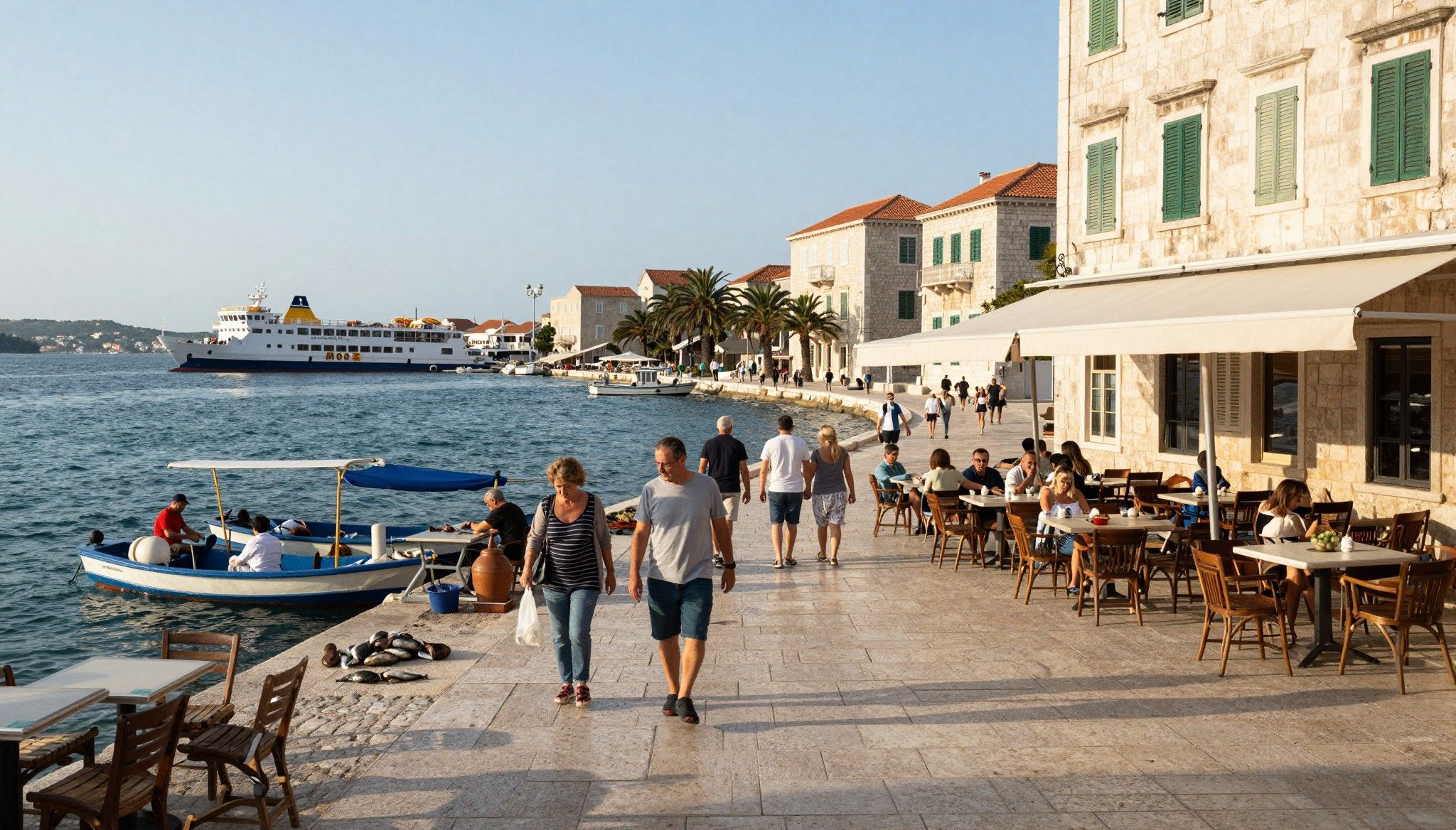
- Lungomare of Bari or Palermo neighbourhoods — pockets of year‑round local life that outperform pure tourist strips
Making the move: practical considerations
Italy recorded record tourist presences in recent years, but growth is concentrated and seasonal peaks are moderated by rising off‑peak international travel and longer stays. Istat shows foreign nights increasing as a share of total stays, which supports strategies that blend traditional lettings with occasional short‑stay income. That said, regulation and community pushback (Florence, Venice) are reshaping where short‑stay models remain viable. Translate those national data points into street‑level questions: who uses the area in January, not just July?
Property styles: what you really need
Historic centre apartments command higher prices per square metre but often deliver lower gross yields; peripheral flats and renovated studio units can produce higher percentage returns. Recent city-by-city yield comparisons show northern metros like Milan registering lower average yields (pressure from high prices) while southern cities and smaller university towns can produce materially higher gross yields. Use price per sqm as the denominator when modelling expected gross yield and stress‑test with 10–20% vacancy and management costs before assuming tourist premiums.
Working with local experts who know the lifestyle and the law
A local agent who lives the neighbourhood will tell you whether a street is dominated by long‑term residents or by short‑stay turnovers; a solicitor will flag historic‑building constraints and zoning that affect rental type. For international buyers, combine an agency with a bilingual property manager and an accountant familiar with residence‑based tax rules. That three‑corner team converts lifestyle scouting into underwritten cashflow.
- Steps to blend lifestyle goals with reliable rental returns:
- 1. Choose neighbourhoods with year‑round life (markets, schools, transit) as primary filter.
- 2. Price per sqm analysis: compare similar comps and calculate gross yield using conservative rent assumptions.
- 3. Regulatory check: confirm short‑stay permissions and local rules before modelling tourist income.
- 4. Engage a local property manager for tenant screening and to reduce vacancy time.
Insider knowledge: what expats wish they'd known
Many buyers fall for picturesque photos and assume tourist rents will cover everything; the reality is more nuanced. Cities are reacting to overtourism with limits that change the investment case overnight. Meanwhile, national tourism growth documented by Istat and industry coverage shows rising foreign nights overall — an opportunity if located where year‑round demand exists. The smart buyer treats tourist peaks as upside, not base cashflow.
Cultural integration and daily life
Learning local rhythms—market days, municipal noise ordinances, and seasonal shop closures—reduces tenant friction. Neighbourhood associations in historic centres can limit conversions to tourist lets; conversely, suburbs near business parks or universities welcome long‑term renters. Invest time in a few afternoon walks on different weekdays to understand when a place breathes and why tenants might stay.
Long‑term lifestyle and practical considerations
Think five years ahead: will the neighbourhood attract new transport links, coworking spaces, or municipal regeneration? Infrastructure upgrades reprice neighbourhoods quickly; poor maintenance and depopulation do the opposite. Use local planning websites and ask agents about pipeline projects — a tram extension or a university campus can be the single biggest factor lifting rental demand.
Conclusion: buy the life, underwrite the numbers. Fall for the morning markets, the bread, the canto drifting from the piazza — then run the cashflow with conservative assumptions, confirm regulatory permissions, and partner with local experts who know both the espresso spots and the municipal plans. If you do both well, Italy offers a rare combination: places you love to live in and properties that can perform as disciplined assets.