Italy: Where Lifestyle Demand Meets Yield Trade‑Offs
Italy’s lifestyle-driven rental demand hides uneven price points and tightening short‑term rules; pair neighbourhood insight with three‑scenario yield modelling to invest confidently.

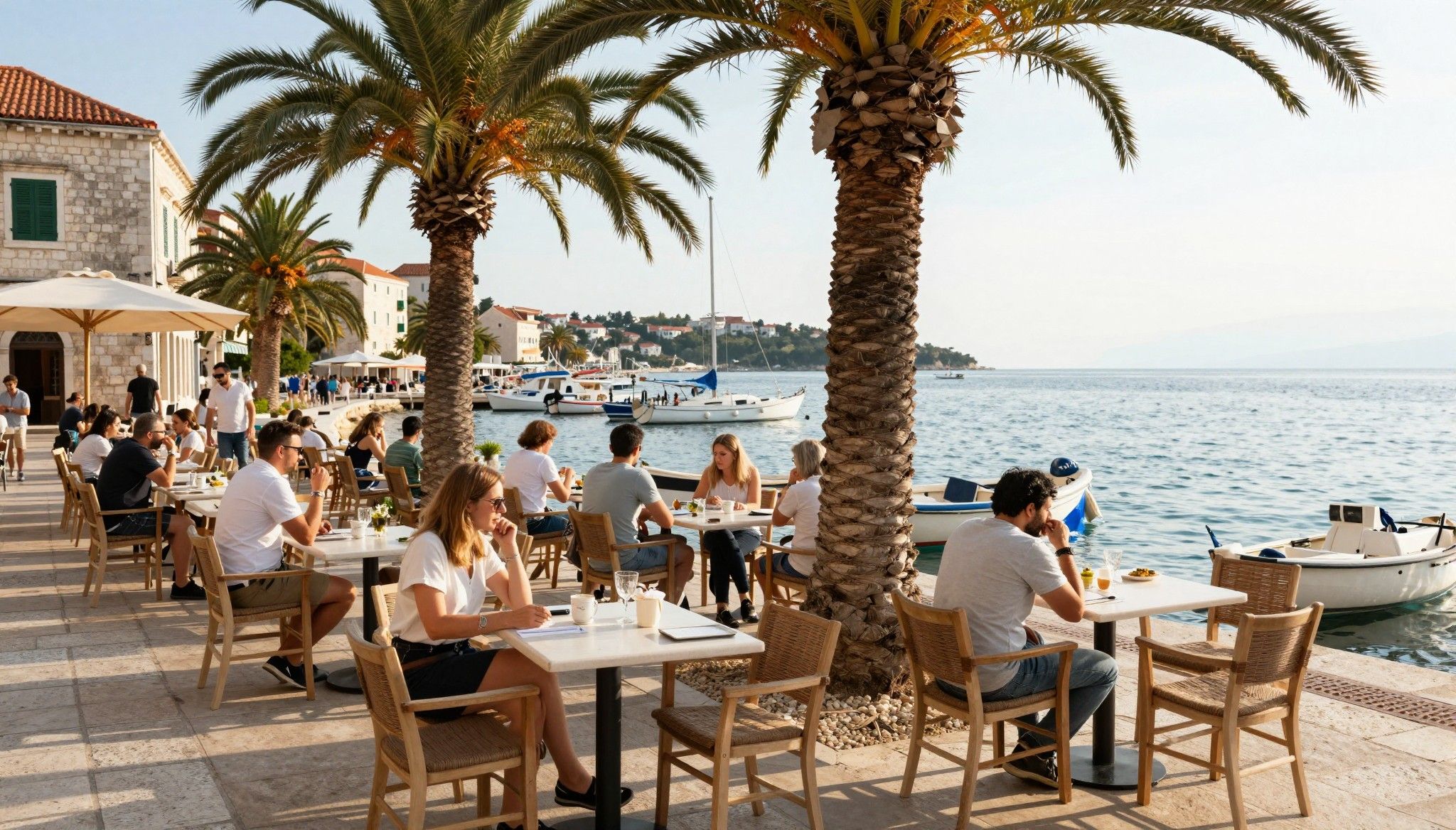
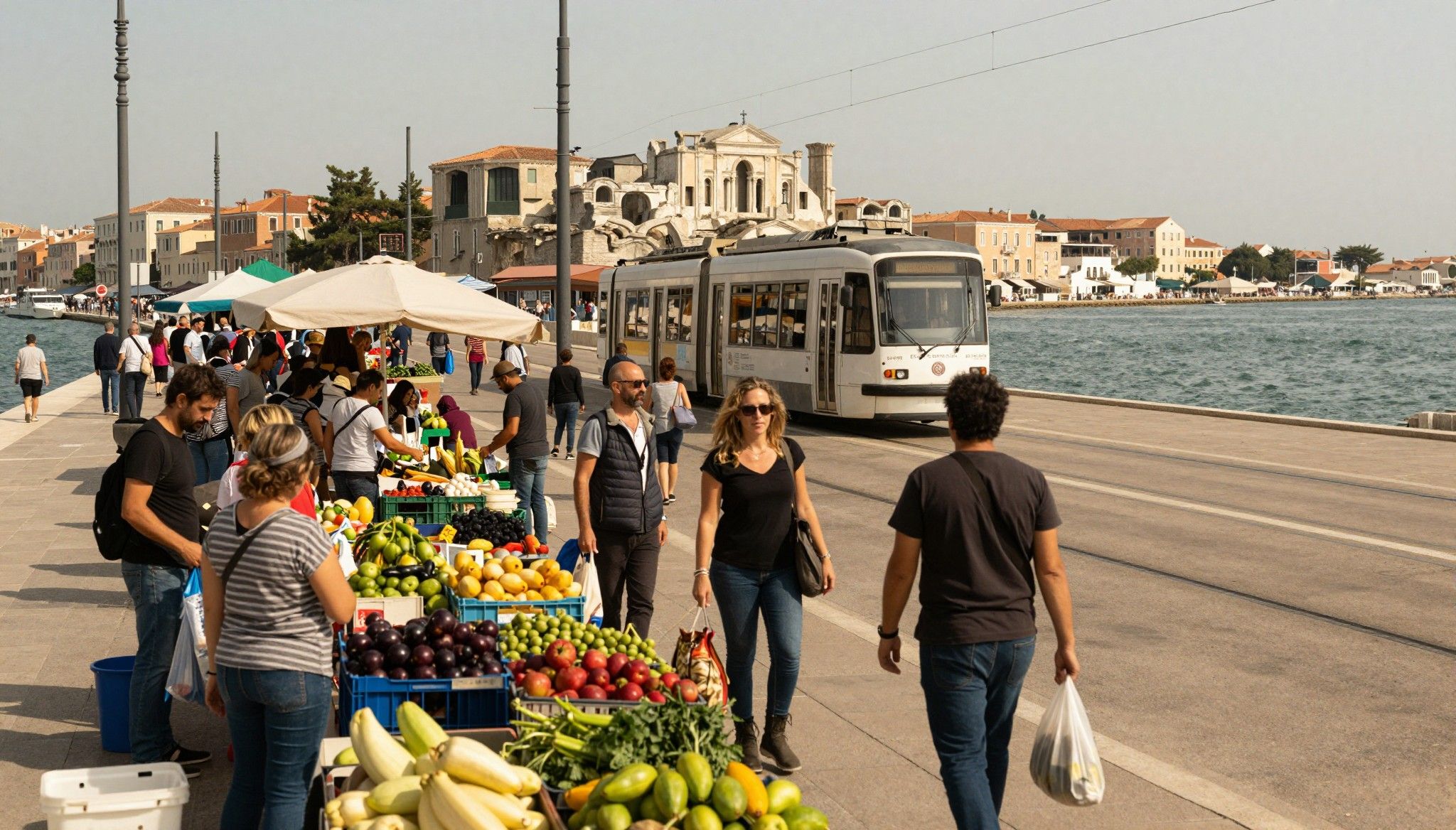
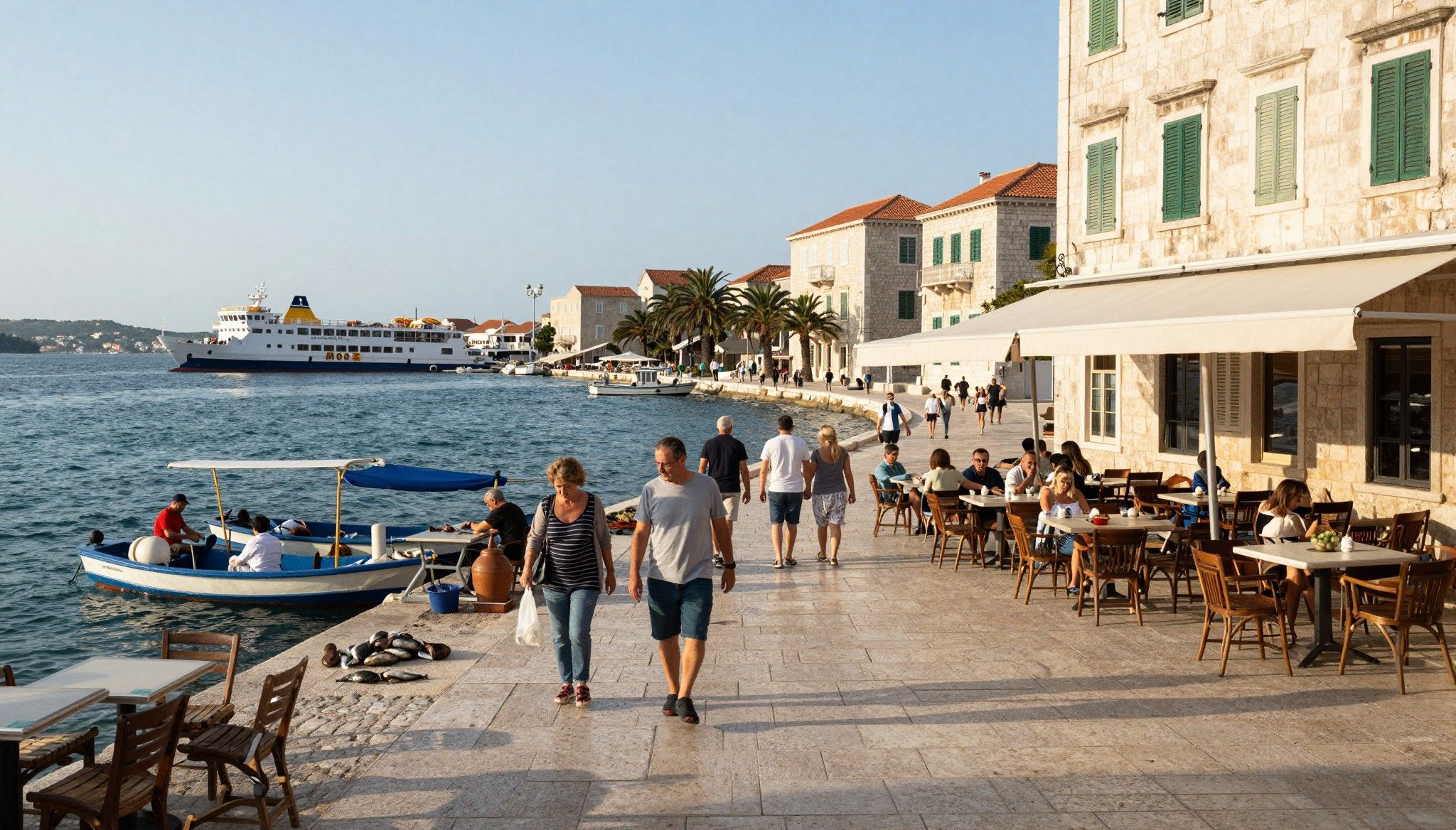
Imagine stepping out at 8am in Trastevere for a nero espresso, the Tiber mist lifting as a market vendor arranges artichokes. Picture an afternoon in Milan where scooters thread between glass-fronted offices and aperitivo spills onto cobbled lanes. Italy is not a single dream but a stacked set of daily rhythms — markets, narrow alleys, seaside light — and each rhythm shapes rental appeal and yield potential for different investor profiles.
Living the Italy lifestyle: neighbourhoods that rent

City centre apartments in Rome, Milan and Florence attract steady short-stay demand from tourists and business travellers, while provincial towns and coastal villages pull long-term tenants seeking lower costs and a slower pace. Price per square metre varies dramatically — Milan and Venice sit among the highest in the country while southern provinces can be a fraction of that cost — which creates distinct yield trade-offs for investors targeting either capital appreciation or income.
Rome (Trastevere, Prati) — history rents well
Trastevere’s labyrinthine streets and Prati’s stately boulevards tick both lifestyle and rental boxes: strong tourist footfall, consistent demand from students and diplomats, and premium nightly rates for short lets. For an investor this means stable occupancy across seasons but higher acquisition prices and stricter municipal controls on short-term licencing in central historic zones. Expect a lower gross yield than secondary cities if you prioritize capital security and steady bookings.
Milan (Navigli, Isola) — business demand, premium rents
Milan’s strength is year‑round demand from professionals and international students; neighbourhoods like Navigli and Isola command higher per‑sqm prices but also deliver corporate and medium‑term lets that reduce seasonality. The trade-off is upfront cost: Milan’s central sqm rates often exceed €4,500–5,000, so net yields depend on careful cost analysis and tenant mix (corporate vs holiday).
Making the move: practical considerations that affect yields
Translate lifestyle appeal into reliable income by mapping demand indicators: tourist nights, business travel flows, student intake and local housing shortages. Italy recorded record tourism nights recently, boosting short-term lettings in many cities, but regulation is tightening in art cities to curb overtourism. That regulatory tug-of-war is a yield risk: high headline nightly rates can coexist with limits on the number of rentable days or burdensome licensing.
Property types and rental strategy
Choice of property determines tenant profiles. Central studio or 1‑bed flats cater to short stays and premium nightly rates but require frequent management; 2–3 bed apartments near universities or hospitals appeal to long‑term renters and produce steadier cash flow. Rural farmhouses and small coastal homes can deliver higher capex efficiency but face seasonal vacancies unless paired with flexible marketing or local co‑management.
Steps to align lifestyle with yield
1) Map demand: overlay tourism nights, university intake, and corporate locations; 2) Choose tenant mix: short‑stay vs long‑stay depending on local rules; 3) Cost model: include agency fees, maintenance, IMU/garbage tax and vacancy buffers; 4) Local partner: engage a property manager with STR licencing experience.
Insider knowledge: what expats and investors often miss
Expats tell a familiar story: the romance of piazze and pasta draws you in, but it’s the small civic details — condo rules (condominio), seasonal heating costs, and the cadence of municipal inspections — that shape real returns. Short‑term rental income can be large but patchy; long‑term lets are lower but predictable. Many buyers underestimate the value of a local agent who knows municipal licensing, utility quirks, and the neighbourhood’s true tenant mix.
Cultural and seasonal realities
Italian life is seasonal: coastal towns hum in summer and quiet down in winter; alpine villages invert that pattern. Festivals and harvest seasons drive short spikes in demand — consider buying near local events (truffle fairs in Alba, summer festivals in Puglia) and building a marketing calendar around them. Learning basic Italian and respecting local social norms accelerates acceptance by neighbours and smooths tenancy arrangements.
Practical red flags to watch for
• Properties with unclear condominium minutes (spending obligations) can create surprise bills; • Listings that advertise ‘no agency fee’ often hide higher asking prices or transfer costs; • Apartments lacking energy certificates (APE) are harder to rent and may need urgent upgrades; • Short‑term rental hotspots facing municipal caps (e.g., parts of Florence, Venice) risk sudden revenue drops.
Work with an agency that does two things well: local compliance and tenant economics. Ask for historical occupancy, breakdown of short vs long lets, average nightly rate by season, and examples of handled licence applications. A trustworthy agent will stress realistic net yield scenarios (after taxes, management, and maintenance) rather than headline gross yields.
How to stress‑test yield assumptions
1) Build a 3‑scenario cashflow: conservative (60% occupancy), baseline (75%), upside (90% with premium seasons); 2) Apply local tax rates and municipal surcharges to net rent; 3) Add a 10–15% capex reserve for renovations and compliance; 4) Compare to regional cost per sqm to check price sensitivity.
Italy’s contradictions are its advantage: huge tourism and strong rental demand coexist with municipal friction and wildly uneven price points. That creates opportunities for investors who marry neighbourhood-level lifestyle insight with rigorous yield modelling. If you love the life — the espresso, markets, and sea breeze — pair that love with stress‑tested numbers and a local team that keeps the romantic parts legal and profitable.
Next steps: move from daydream to decision
Start with three neighbourhood visits: one art‑city centre (for premium short lets), one university or business district (for steady long lets), and one coastal or provincial town (for value plays). Ask agents for performance dashboards, request recent municipal correspondence on STR rules, and run the three‑scenario cashflow above. That small amount of structured work turns an Italian love affair into a defensible investment.
Conclusion: Italy sells a life, but investors buy the cashflow beneath it. Keep the daydream vivid — piazze, markets, and seaside sunsets — while insisting on detailed occupancy data, local compliance checks, and conservative yield stress tests. When lifestyle and numbers align, Italy becomes both a place you love and an asset that performs.
Norwegian market analyst who relocated from Oslo to Mallorca in 2016, guiding Northern buyers through regulatory risk, currency hedging, and rentability.