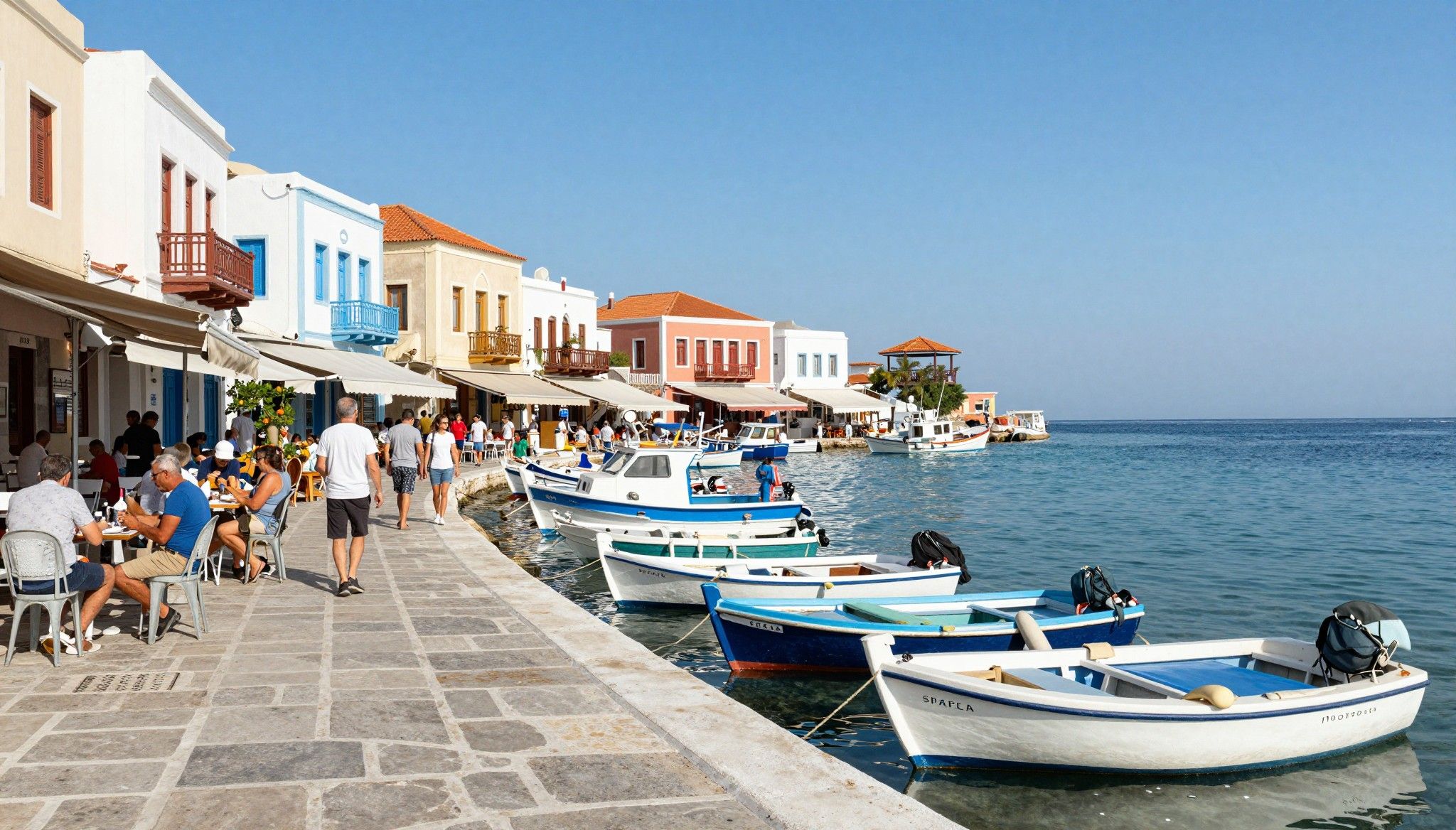
Malta’s Quiet Yield Zones: Where Renters Outnumber Tourists
Malta’s rental story is not one market but many: tourists inflate headline prices while quieter districts deliver steadier yields—use RPPI trends and local comps to underwrite returns.
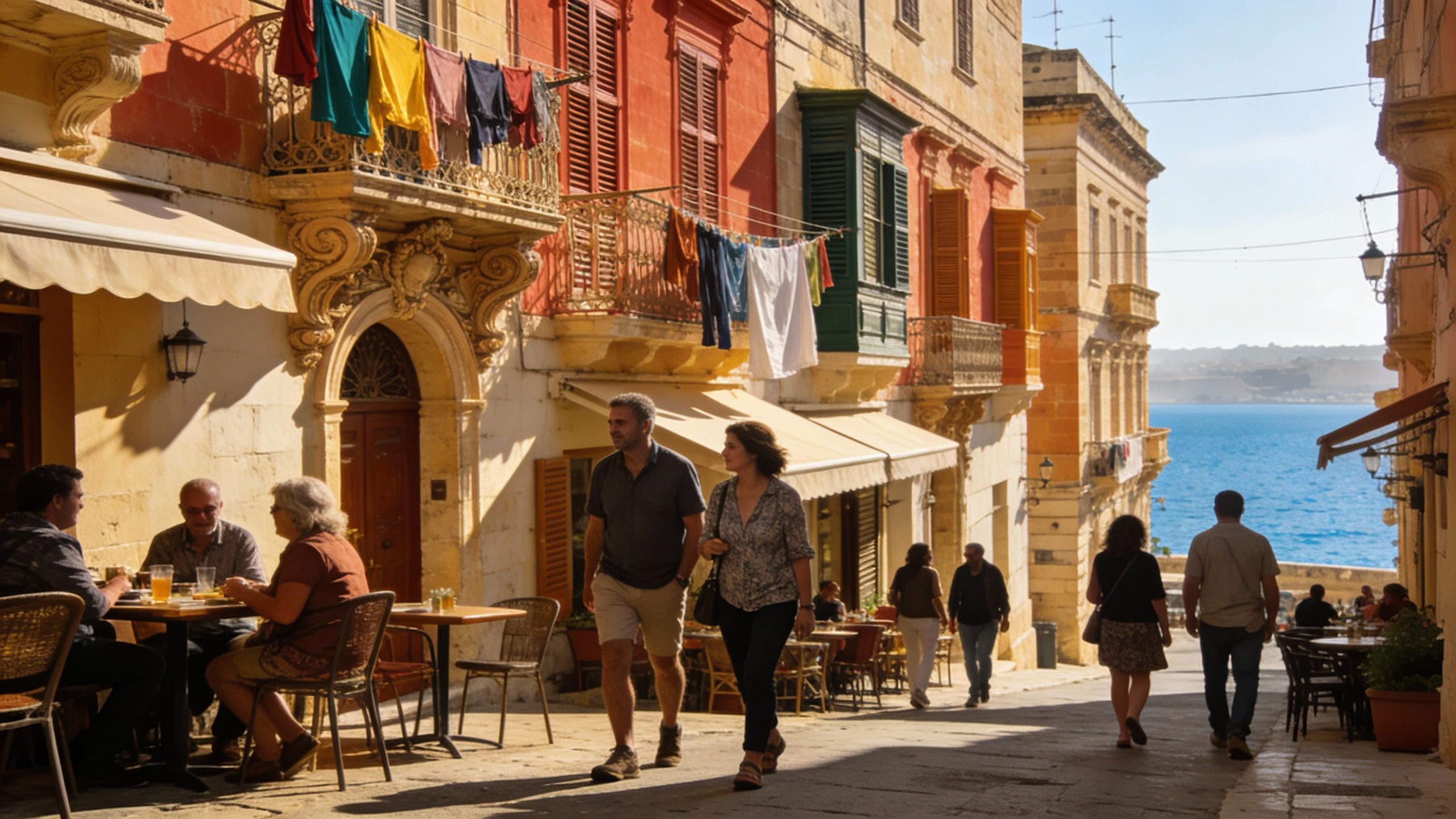
Imagine starting your morning with an espresso on a narrow Valletta street, then crossing a sunlit plaza where rental notices sit in café windows and students hurriedly scan job boards. Malta fits into a day in ways larger countries cannot: compact, bilingual, and intensely local. But beneath the postcard pace are measurable market forces — price indices rising, tourist flows, and a rental market split between long-term residents and short-stay demand. That split is the key to yields: where tourists dominate, cash returns look one way; where locals and professionals rent, returns look another.
Living the Malta life

In Malta daily life is Mediterranean routine: morning markets, late lunches, and summer evenings on terraces. Neighborhoods each have personalities — Sliema and St Julian’s pulse with seafront promenades and coworking cafés, while Rabat and Mdina offer quieter lanes, baroque facades and slower rhythms. Expat communities cluster around certain pockets but speak English and Italian, making integration pragmatic rather than transactional. Climate and scale mean outdoor living influences property choices: terraces, shutters, and ventilation matter as much as square‑metres.
Neighborhood spotlight: Sliema & St Julian’s
Sliema’s seafront boardwalk and St Julian’s nightlife attract professionals, digital nomads and renters seeking services within walking distance. Properties here skew towards apartments — glazed balconies, modern refurbishments and easy access to ferries and buses. That accessibility supports high occupancy for mid-term rentals (six months to two years) and keeps void periods short, which supports gross yields despite higher purchase prices. For investors, the trade is simple: pay a premium for lower vacancy and reliable rents.
Neighborhood spotlight: Marsaxlokk, Rabat & Gozo
Coastal Marsaxlokk and historic Rabat, plus the island of Gozo, offer lower price-per-square-metre and different tenant pools: families, local workers and retirees. NSO data show national price indices rising — but regional dispersion means southern and Gozo markets remain comparatively affordable. That affordability can improve net yields if you underwrite conservatively for management, travel and maintenance. Seasonal tourism matters less here, so rental cashflow behaves more like residential income than holiday income.
- Lifestyle highlights — places you’ll actually use: - Morning fish market and cafés at Marsaxlokk harbour - Sliema promenade for weekend runs and ferries to Valletta - Paceville pockets of nightlife near St Julian’s - Mdina’s quiet evenings and baroque streets for weekend walks - Local bakeries on Triq ir-Repubblika in Valletta for weekday rituals
Making the move: practical considerations
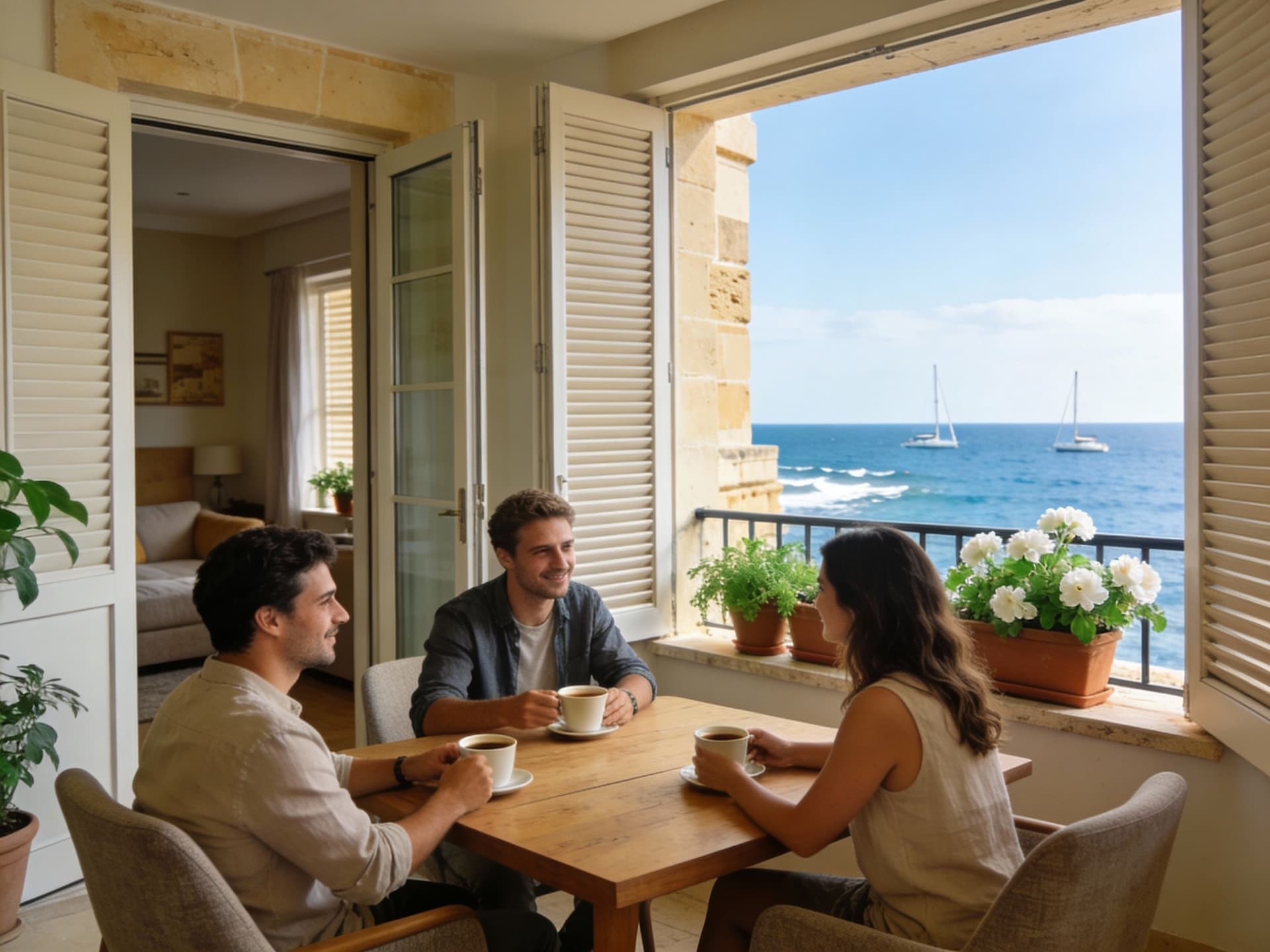
Lifestyle is the magnet; underwrite is the compass. Malta’s property indices rose 4–6% year‑on‑year through 2024–2025, driven by tight supply and steady demand from locals and foreigners. That trend compresses gross yields in prime zones, so net yield assumptions must account for management fees, local levies and potential short‑stay regulation enforcement. Use public indexes and local agency comparables to set price-per-square-metre caps before you bid.
Property types and how they rent
Apartments dominate urban rentals; maisonettes and terraced houses appeal to families and longer-term tenants. New‑builds with modern insulation and terraces command slightly higher rents but also higher purchase prices — calculate rent-to-price ratios (gross yield) and run a sensitivity test for 5–10% vacancy. For short‑stay operators, location near ferries, sights and beach access matters more than internal square‑metres. Cross‑check NSO PPI trends with agency asking rents to validate assumptions.
Working with local experts who know the life and the numbers
A lifestyle-savvy agent is different from an investment advisor: you need both. Agents source properties that match daily habits — proximity to markets, terraces, quiet streets — while property managers and accountants stress-test yields after expenses. Choose advisors who publish comparable rent rolls and who can show historic occupancy for similar units. Insist on scenario modelling: base, downside and holiday-season stress tests for returns.
- Steps to blend lifestyle and return objectives: 1. Define your tenant profile: professionals, families or short‑stay tourists. 2. Use NSO and local market comps to set a realistic price-per-m² cap. 3. Model gross and net yields with 3 vacancy scenarios (2%, 8%, 20%). 4. Factor recurring costs: management, insurance, utilities and travel for inspections. 5. Contract a local property manager and set KPI reporting quarterly.
Insider knowledge: what expats wish they'd known
Expat buyers often overestimate tourist-driven cashflows and underestimate local tenancy demand. NSO numbers show steady price growth, but that doesn't automatically translate to rental growth — rents move more slowly and are sticky downwards. Practical surprises include high demand for furnished, well‑insulated apartments during winter months and the cost of frequent short‑stay turnovers. Real insiders look for pockets where local rental demand (long-term contracts) exceeds holiday pressure — that's where yields stabilise.
Cultural and seasonal realities
Language barriers are small — English is official — but social norms shape tenancy length and maintenance expectations. Summers bring festivals and tourists that can push up short-stay rates, but also create seasonal volatility. Winters tighten the long-term rental market as locals seek stable housing, which benefits investors focused on year‑round tenancy. Plan for both: a property that converts easily between short and long let configurations provides optionality.
Long-term lifestyle plus investment sustainability
As Malta densifies, expect continued upward pressure on prices and a premium for well‑located, managed rental stock. Sustainable returns come from acquiring in underpriced neighbourhoods where local infrastructure (schools, hospitals, transport) is improving. Think like a landlord and a resident: durable materials, low maintenance exteriors, and energy efficiency reduce churn and protect net yields. Track RPPI and local planning announcements quarterly to spot repricing ahead of market sentiment.
- Red flags and practical checks before you buy: - Overpaying in tourist hotspots with high purchase prices but short peak rental windows - Relying on optimistic 100% occupancy assumptions for short‑stay income - Neglecting building maintenance reserves for older limestone properties - Ignoring local tenancy contract norms and allowable deposit rules - Failing to get a local tax/accounting read on potential withholding or residency taxes
Malta is a place you can fall in love with — narrow streets, busy markets and the sea within reach — but falling in love should not replace underwriting. Start with where you want to spend mornings and evenings, then stress‑test the numbers for that exact location. If you prioritise steady yields, focus on neighbourhoods with year‑round tenants and lower price-per-m²; if lifestyle matters more, accept a lower yield for a premium location. The next step is simple: ask your agent for comparable rent rolls, recent RPPI trends and a three-scenario yield model for the exact building you like.
British expat who moved to the Algarve in 2014. Specializes in portfolio-focused analysis, yields, and tax planning for UK buyers investing abroad.