The French Summer Myth — Off‑Season Buys That Beat Riviera Yields
Buying in peak summer skews prices; autumn and winter purchases in provincial France often unlock better entry yields and steadier tenancy. Backed by INSEE and market data.
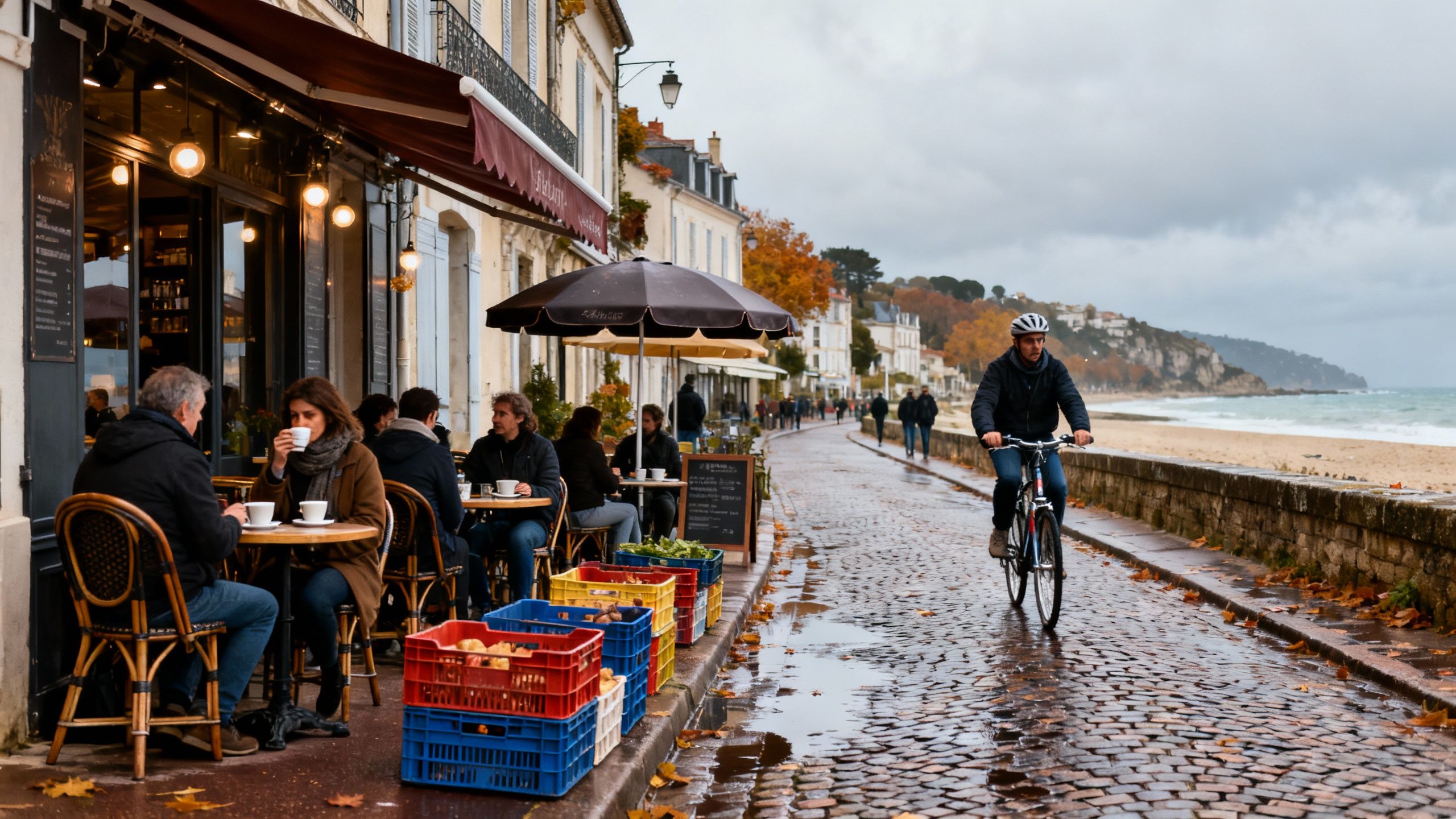
Imagine opening your shutters in a provincial French town in late October: a market square dusted with fallen leaves, a boulanger smiling as she wraps your pain au chocolat, and a steady stream of long‑stay tenants — remote workers, seasonal workers and retirees — keeping flats occupied when summer tourists are gone. That calm, lived‑in rhythm is where under-appreciated rental yields hide. This piece tests the summer‑season buying myth in France and argues that buying outside the sun‑soaked peak often improves yields and reduces competition. We'll blend sensory local scenes with hard market indicators so you can see both life and returns.
Living France off the beaten peak

France feels like a sequence of seasonal lives: spring markets in Bordeaux, summer terraces on the Côte d'Azur, autumn truffle fairs in Dordogne and winter ski rhythms in the Alps. Those seasonal pulses shape demand — but not always how buyers think. National price recovery in 2025 has rekindled interest, yet the effect is uneven: urban cores and tourist hotspots reprice quickly while many provincial towns remain comparatively affordable, producing different yield profiles. Understanding that rhythm is the first step to pairing a lifestyle you love with a rental strategy that performs.
Spotlight: Normandy's quiet towns — lived-in, year-round
Walk the Rue Saint‑Laurent in Bayeux on a wet Tuesday: cafés full of locals, a steady student rental market from the university campus, and short seasonal bursts from holidaymakers. Unlike the Riviera, demand here is spread across months — hospital staff, teachers and service workers provide stable tenancy. Properties are typically 19th‑century stone or modest post‑war flats; low acquisition prices mean gross yields often outperform coastal equivalents after accounting for purchase cost. For lifestyle buyers who prize authentic daily life, these places deliver both atmosphere and rental resilience.
Food, markets and micro‑seasons that sustain demand
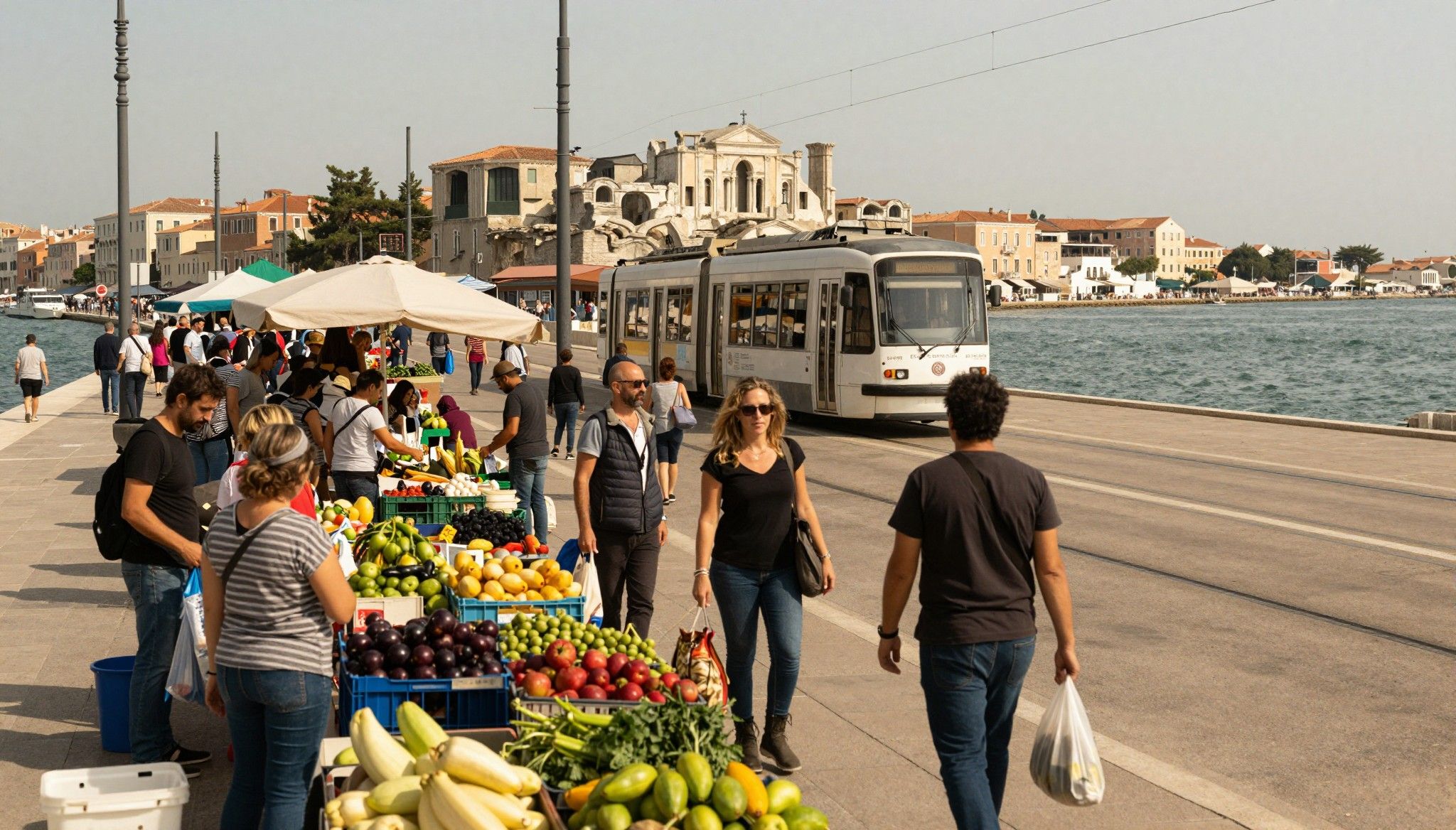
French markets — weekly marchés, afternoon boulangeries, local fêtes — create consistent reasons for people to live and rent locally outside of tourist spikes. INSEE data show that overnight stays in short‑stay accommodation grew outside summer months, with increases in Q4 and urban areas, underscoring demand beyond July and August. That pattern matters for buy‑to‑let underwriting: areas with diversified, year‑round demand lower vacancy risk and stabilise net yields. The life‑scene you covet often signals the kind of tenant base that will keep your property occupied.
Making the move: how off‑season timing changes returns

Buying in high demand months drives prices up and compresses yield at purchase; buying in autumn or winter often unlocks negotiation power and better price per square metre. Nationwide average gross yields in 2025 hovered around the mid‑4% range, but pockets outside prime coastal and Parisian submarkets deliver higher entry yields because acquisition prices are lower. Savills and market trackers note rental growth pressure in many French cities, which supports rental income; timing purchase away from tourist season can materially improve your first‑year cash yield. In practice, underwrite using local rent comparables across seasons, not just peak summer rates.
Property types and their seasonal yield behaviour
Compact city apartments near universities or hospitals give predictable rents year‑round and often show lower void rates than holiday lets. Second‑home coastal studios perform brilliantly in summer but require higher management and face long winter vacancies unless repositioned for long‑let tenants. Rural houses with separate rental annexe or gîte income can smooth seasonality, turning tourism peaks into supplemental income rather than sole reliance. Match property type to tenant profile: long‑term local tenants for steady yields, curated short‑lets where seasonality is monetisable and legal conditions permit.
6 practical steps to time an off‑season buy in France
1) Build a rolling rent map: compare advertised rents across three seasons for comparable properties. 2) Target neighborhoods with diversified employers (hospitals, universities, logistics) rather than pure tourism. 3) Negotiate in autumn/winter when seller demand often softens. 4) Factor management and conversion costs if you plan hybrid short/long lets. 5) Use local notaire price data to benchmark fair offer levels. 6) Stress‑test yields at conservative occupancy (70–80%) to reflect off‑peak seasons.
Insider knowledge: what expats and local agents wish you'd known
Local agents often tell a different story than glossy property brochures: in many provincial towns the best tenants are everyday people — nurses, teachers and young families — and their reliability yields better cashflow than flashy short‑let visitors. Notaires and trade press reported a market rebound in 2025, especially in urban centres, but that rebound is not uniform; on‑the‑ground knowledge of micro‑neighbourhoods makes the difference between an underperforming seaside buy and a steady inland investment. Work with agencies that measure tenancy types, vacancy history and management costs — not just curb appeal.
Cultural realities that affect tenancy and yields
French tenancy law favours long‑term stability; lease protections and notice periods can reduce turnover and management friction, beneficial for income reliability but demanding clear contracts. Language and local customs matter for tenant screening and maintenance — a local property manager who speaks French and knows municipal codes reduces legal risk and keeps net yields predictable. Expect a slower, relationship‑based transaction culture: building rapport with notaires, syndic committees and neighbours speeds due diligence and reveals hidden maintenance liabilities.
Quick checklist for agency selection
Look for agencies that provide: audited rent roll data, historical vacancy rates, tenant profiles, local regulatory guidance on short‑lets, and in‑market references from international landlords.
When festivals and summer crowds make you swoon, remember there is another France beneath the postcard — steady markets, weekly routines and tenants who keep flats full for 10 months of the year. Buying in off‑peak months can lower acquisition cost, improve negotiation leverage and reveal neighborhoods where lifestyle and yield align. Start by mapping seasonal rent variance, then work with a local agent that quantifies tenancy types and vacancy history. If you want to live where markets are calm but returns are sensible, look beyond the sun: an off‑season purchase in France often buys you both a truer lifestyle and a healthier yield.
British expat who moved to the Algarve in 2014. Specializes in portfolio-focused analysis, yields, and tax planning for UK buyers investing abroad.