Where France’s Best Rental Yields Actually Are
France pairs irresistible lifestyle with stark yield variation: provincial affordability often beats Riviera glamour when you model real rents, regulation and energy costs.

Imagine sipping an espresso on Rue des Martyrs as tram bells rattle past, then stepping into a compact, sunlit apartment whose rental income pays a meaningful slice of your mortgage. France lives like that — sensory, civic, seasonal — but beneath the charm are material differences in rental economics that determine whether a purchase is a lifestyle win or a balance-sheet problem.
Living French Life — what it actually feels like

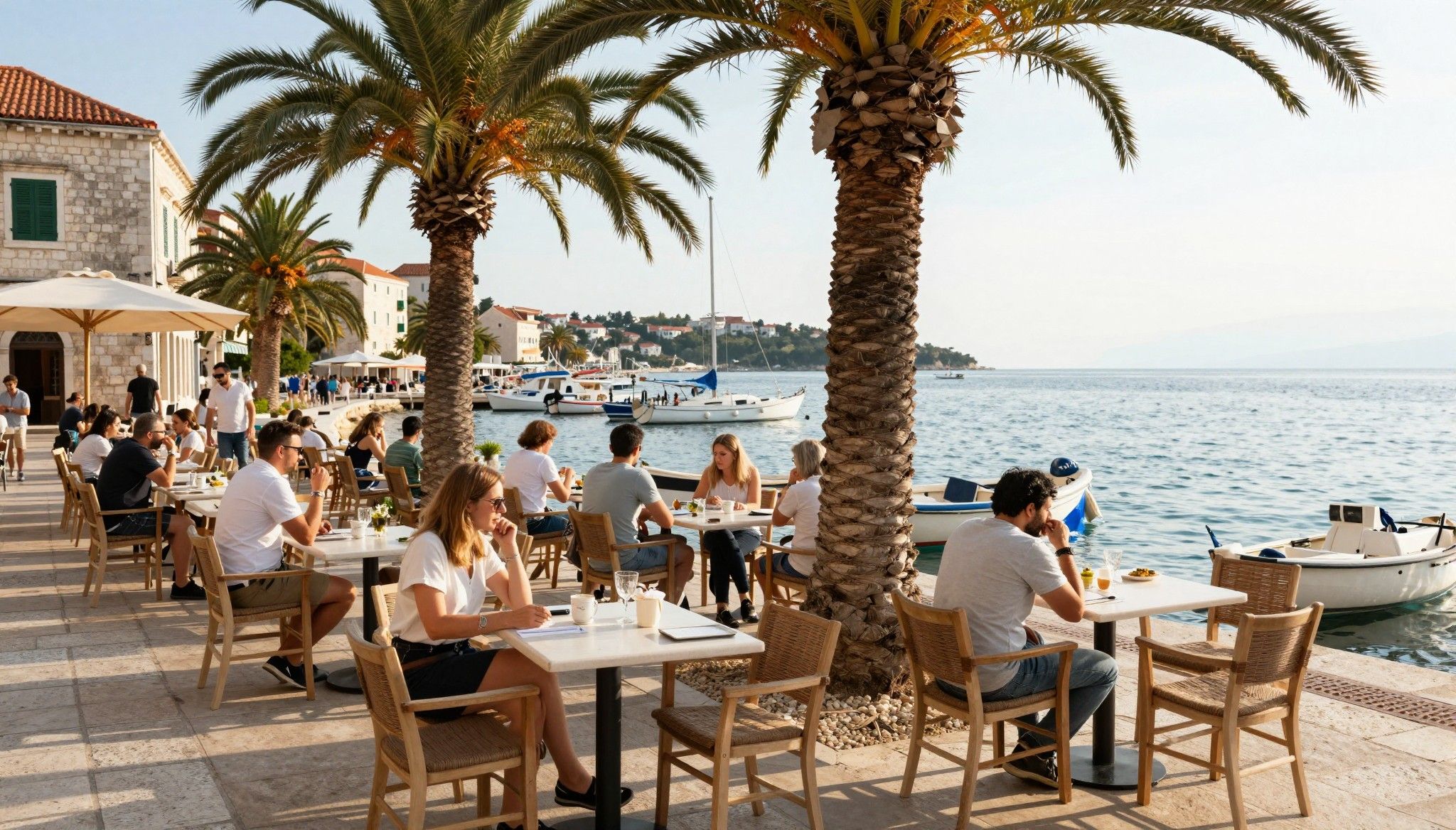
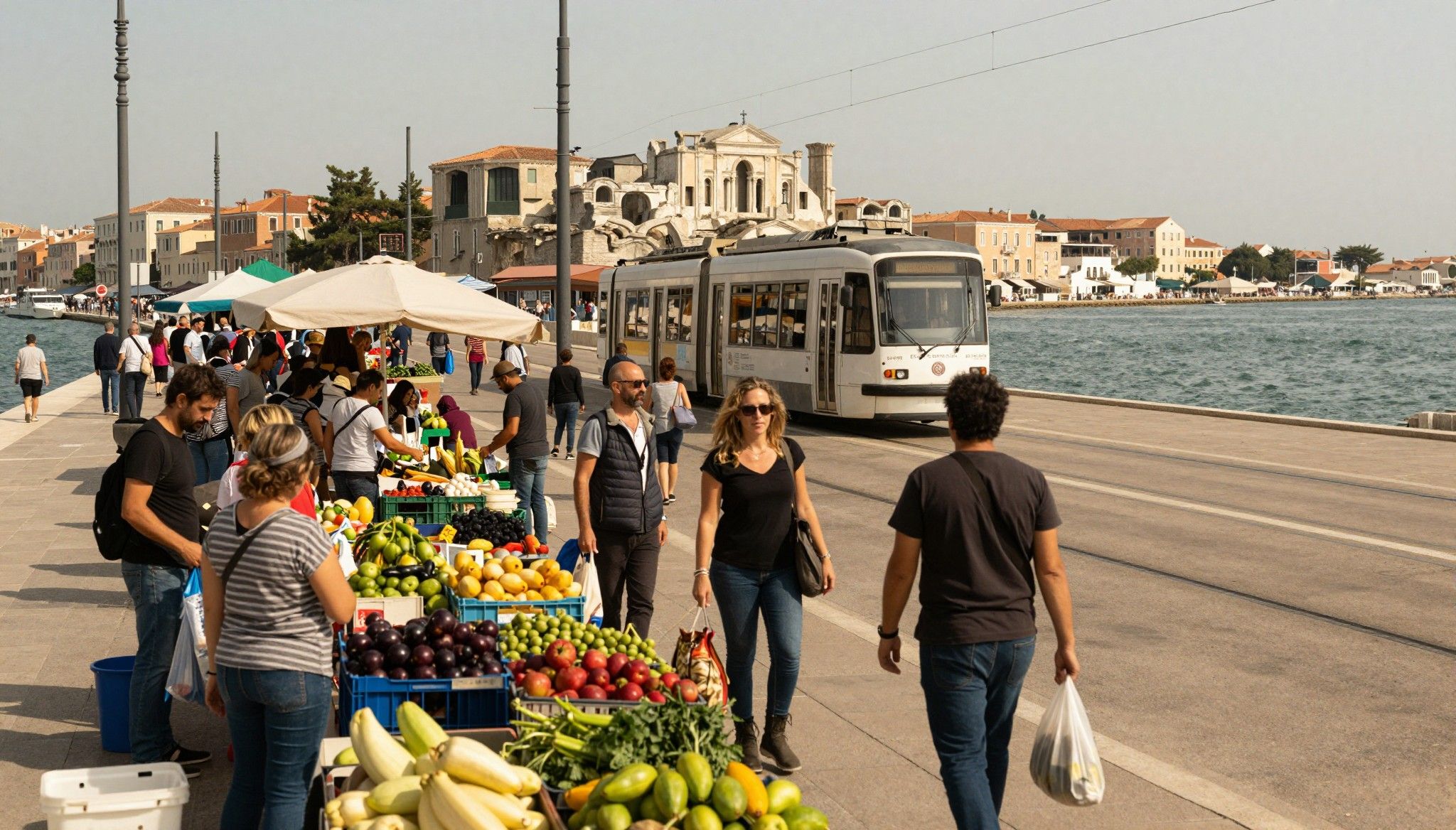
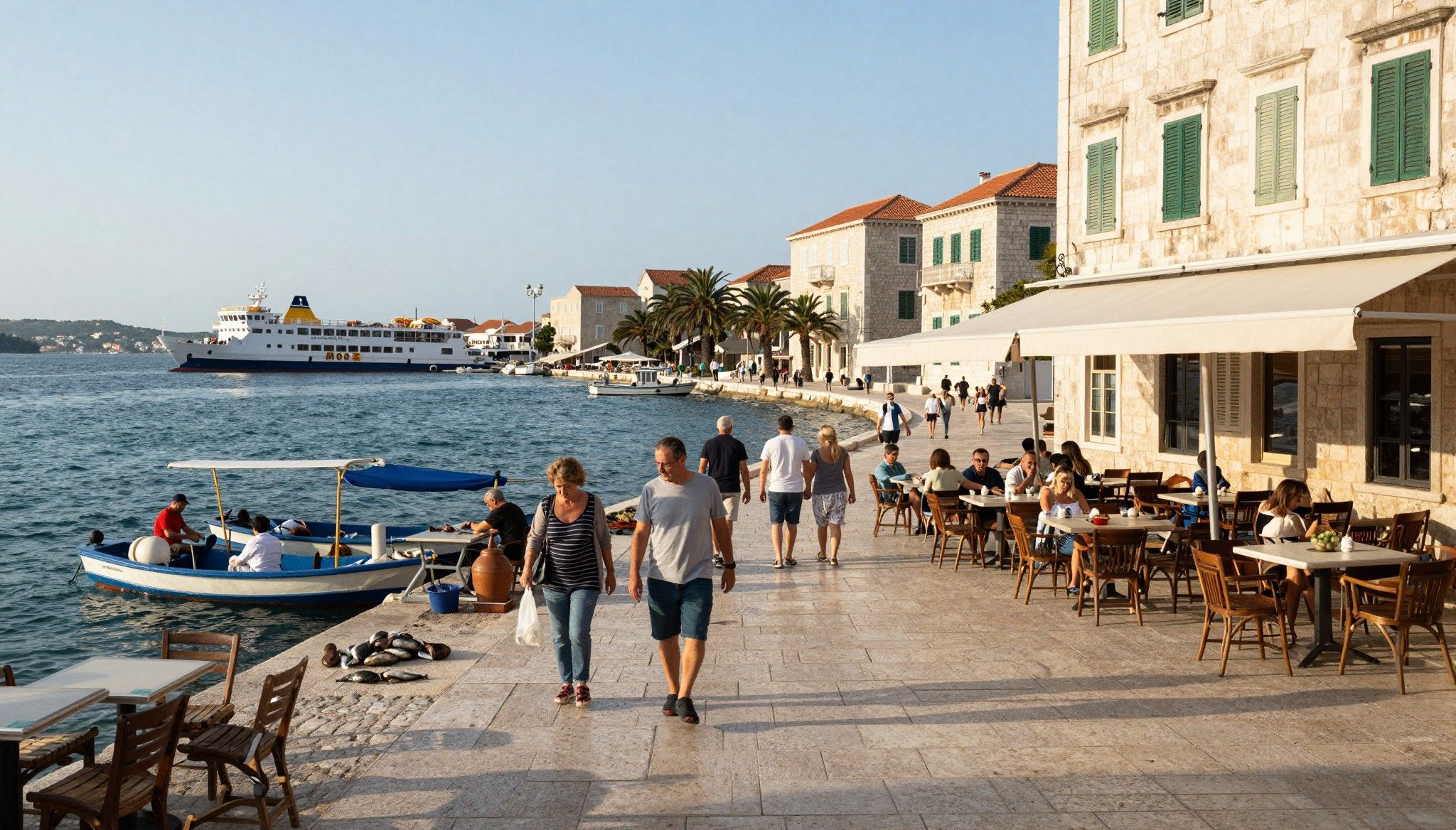
France is textured: mornings are market-driven (Marché d’Aligre, Marché Forville), afternoons are for boulangerie runs and boulodromes, and evenings bend toward terraces. City rhythms vary — Paris hums with morning commutes and late-night theatre; Lyon’s traboules and bouchons give a quieter gastronomic flow; coastal towns like Biarritz and Nice slow down into beach life and outdoor cafés. That variation matters for rental demand: commuter hubs and university towns produce steady, year-round tenants; resort towns deliver seasonal spikes.
Paris & inner ring: density, regulation, small gross yields
Picture Le Marais at 8am: cafés, tourists, compact one-bed flats. Paris delivers high rents per square metre but also strict short‑let controls, tight prices and lower gross yields than provincial cities. Regulatory demands (registration numbers, change‑of‑use rules, and night caps in some communes) mean yield must be modelled net of compliance costs. Short‑let revenue is attractive but regulatory risk is material — treat it as a taxed, regulated business, not a bonus.
Provincial cities & the surprise winners
Walk through Saint‑Étienne, Le Havre or Mulhouse and you’ll sense affordability. These markets often show the highest gross yields — sometimes double-digit in headline figures — because purchase prices are low while local rents remain reasonable. The trade‑off: tenant profile, job market resilience and liquidity differ from Bordeaux or Lyon. For investors focused on income, these cities deserve a tactical look.
- Lifestyle highlights that drive demand
- Morning markets: Marché Forville (Cannes), Marché Jean‑Talon (Paris-style food scenes), which support neighbourhood dining and weekly footfall.
- University corridors: Rennes, Grenoble and Toulouse — steady student demand for small, well‑located flats.
- Commuter nodes: Le Mans, Rouen, Nanterre — towns with fast rail links to bigger employment centres that attract young working professionals.
Making the move: Practical considerations that preserve yield

Romance sells ideas; numbers buy assets. Recent market data show prices fell in many French cities during 2024, which can boost future yield prospects if rents hold. Use official sources to model scenarios: seller prices per m², realistic achievable rents, vacancy and operating costs. Account for energy performance, local copropriété (condominium) charges, and probable refurb costs — these are the line items that erode headline gross yield into a meaningful net return.
Property types & how they map to cash flow
Studios and one‑beds in university neighbourhoods or near transport hubs convert quickly and keep vacancy low — the operational profile that an income-focused investor wants. Larger apartments and houses in resort areas can produce higher absolute rental income in season but often suffer longer void periods and higher maintenance. New builds reduce immediate capex but command price premiums; old buildings need EPC upgrades, which can be required by law and are costly if postponed.
Working with local experts who know both market and life
An agent who understands neighbourhood turnover, syndic fees, and the difference between loueur meublé non professionnel (LMNP) and régime réel will preserve yield. Expect to ask your agent for: comparable rents by micro‑neighbourhood, realistic refurbishment quotes, probable syndic/infrastructure charges, and whether a property can legally operate as a short‑let without change‑of‑use.
- Six step checklist to preserve yield
- 1. Verify achievable rent using local agency comparables and adjust for seasonality.
- 2. Confirm building copropriété charges and planned works that may trigger special assessments.
- 3. Check energy rating (DPE) and factor in upgrade costs required by 2028–2034 rules for short‑lets in many communes.
- 4. Model taxation: micro‑BIC vs réel for meublés, and how the 2025 rule changes lower micro‑BIC thresholds for non‑classed short‑lets.
- 5. Stress‑test cash flow for 6–18 months vacancy and higher financing costs; use conservative occupancy assumptions.
- 6. Engage a local property manager or agency that can deliver tenant screening and maintenance without you being on site.
Insider knowledge — myths, red flags and contrarian plays
Myth: 'The Riviera always beats yields elsewhere.' Reality: Nice and Cannes pay premium prices, lowering gross yields. Often the best income returns are in less sexy regional cities with stable tenant pools. Red flag: any market that promises holiday‑rental returns without accounting for local short‑let regulation and tourist tax obligations. Contrarian play: target small cities with strong employers or universities where price per m² is low but demand is steady.
What expats wish they'd known
Expats often underestimate the role of the syndic, the pace of administrative requests and how quickly local councils can change short‑let rules. Language matters for execution (contracts, tax filings), so budget for bilingual legal and tax advice. Finally, lifestyle choices (proximity to markets, transport, cafes) directly influence tenant demand and the rent multiple you can achieve.
Long‑term view: how seasons, policy and energy rules change the maths
Policy in 2024–25 tightened short‑let fiscal benefits and introduced stronger energy-performance obligations. That changes investor calculus: capex to upgrade can be large, and fiscal thresholds for micro‑BIC have fallen, reducing tax shelter on small short‑let revenues. Buyers should build a 3–5 year renovation and compliance plan into returns modelling.
- Key red flags to spot before you sign
- Unsanctioned short‑let listing without registration number (risk of heavy fines).
- Pending copropriété works with insufficient reserve funds and no clear payment plan.
- DPE below legally acceptable thresholds for the type of let you intend to operate.
- Relying on optimistic seasonal occupancy without contractual local management in place.
Conclusion: France offers both romance and rentable opportunity — but treat lifestyle and yield as linked variables, not separate choices. If you want income, prioritise commuter and university markets where rents are stable and refurbishment needs are manageable. If you want seasonal upside, underwrite strict regulation and off‑season vacancy. Start with conservative numbers, hire local tax and property specialists, and let neighbourhood life — the markets, markets stalls, bakeries and transport links — inform the financial model.
Swedish financier who guided 150+ families to Spanish title deeds since relocating from Stockholm in 2012, focusing on legal and tax implications.