Where Malta's Rental Yields Truly Live
Malta’s compact tourism boom and narrow supply mean rental opportunity — but only when buyers pair seaside lifestyle with stress‑tested yields and local data.

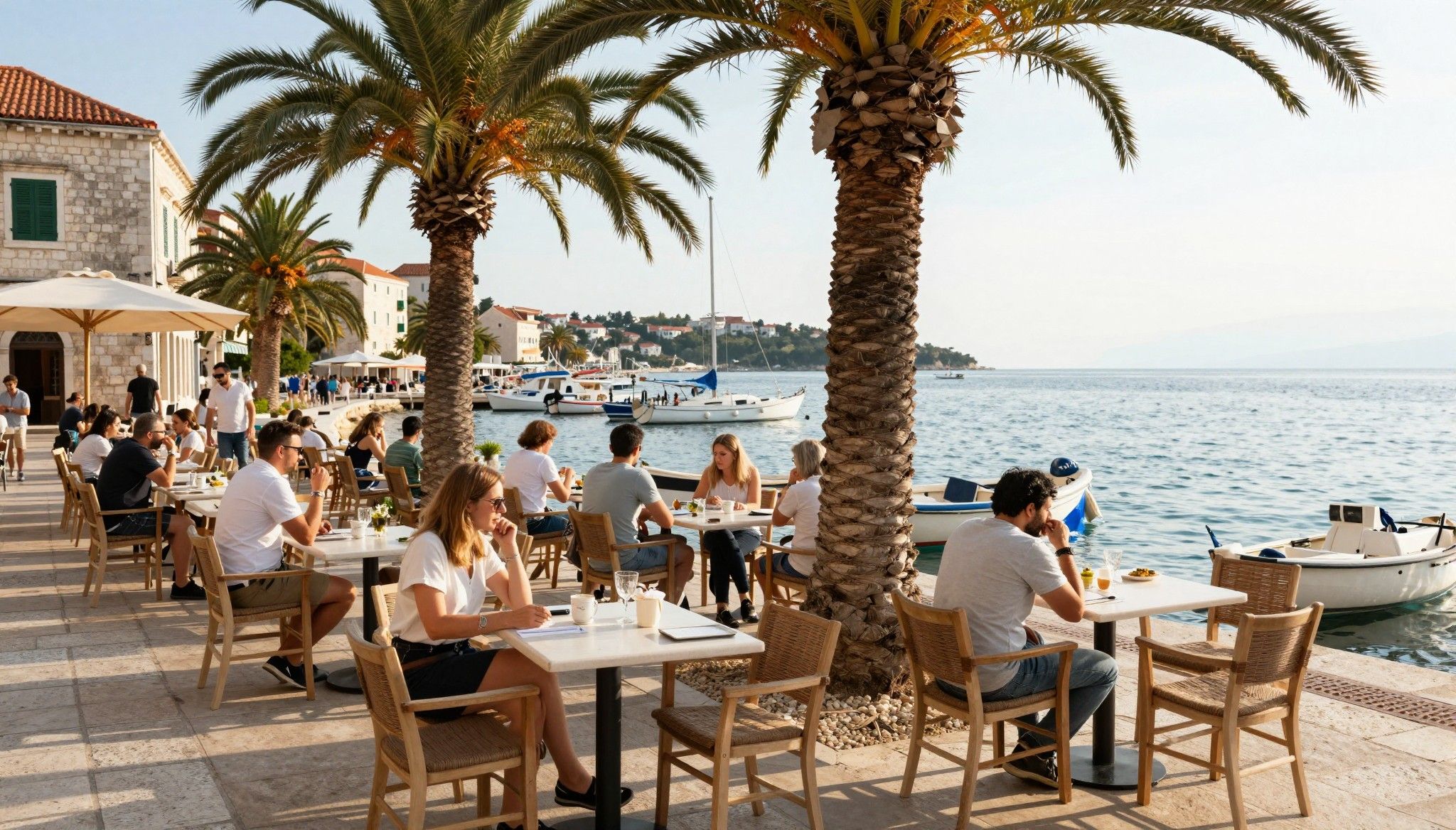
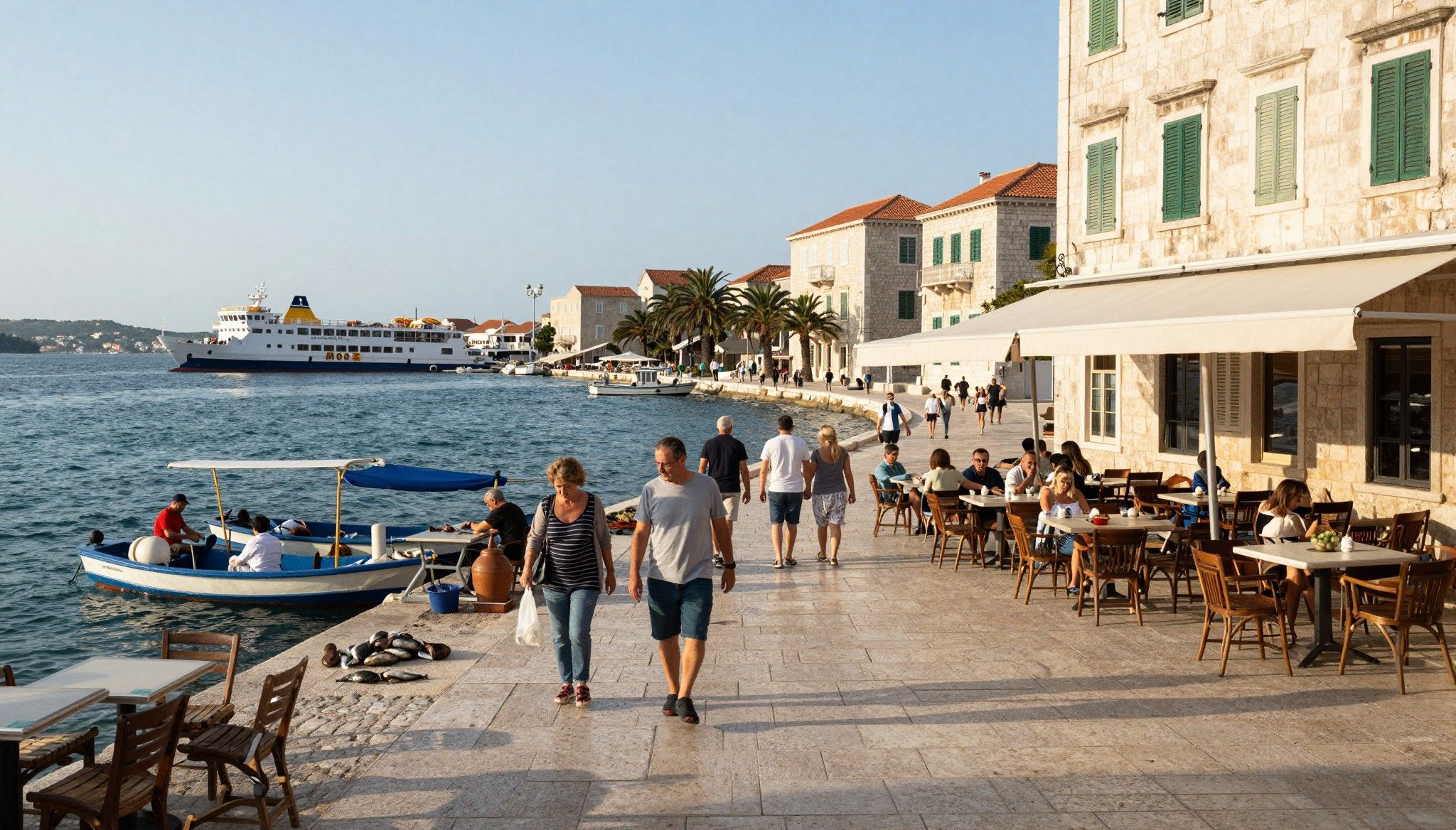
Imagine starting your day with espresso at Café Cuba in Sliema, then walking a 10‑minute ferry to Valletta for an evening concert — that compact, sunlit circulation is Malta. But beneath the seaside postcards lies a small, tight market where tourist surges and regulatory shifts move yields faster than tourists change playlists. This piece pairs the lived-in Malta — streets, cafés, festas and hidden coves — with the exact rental signals international buyers need to underwrite returns.
Living the Malta life: compact, social, sea‑facing
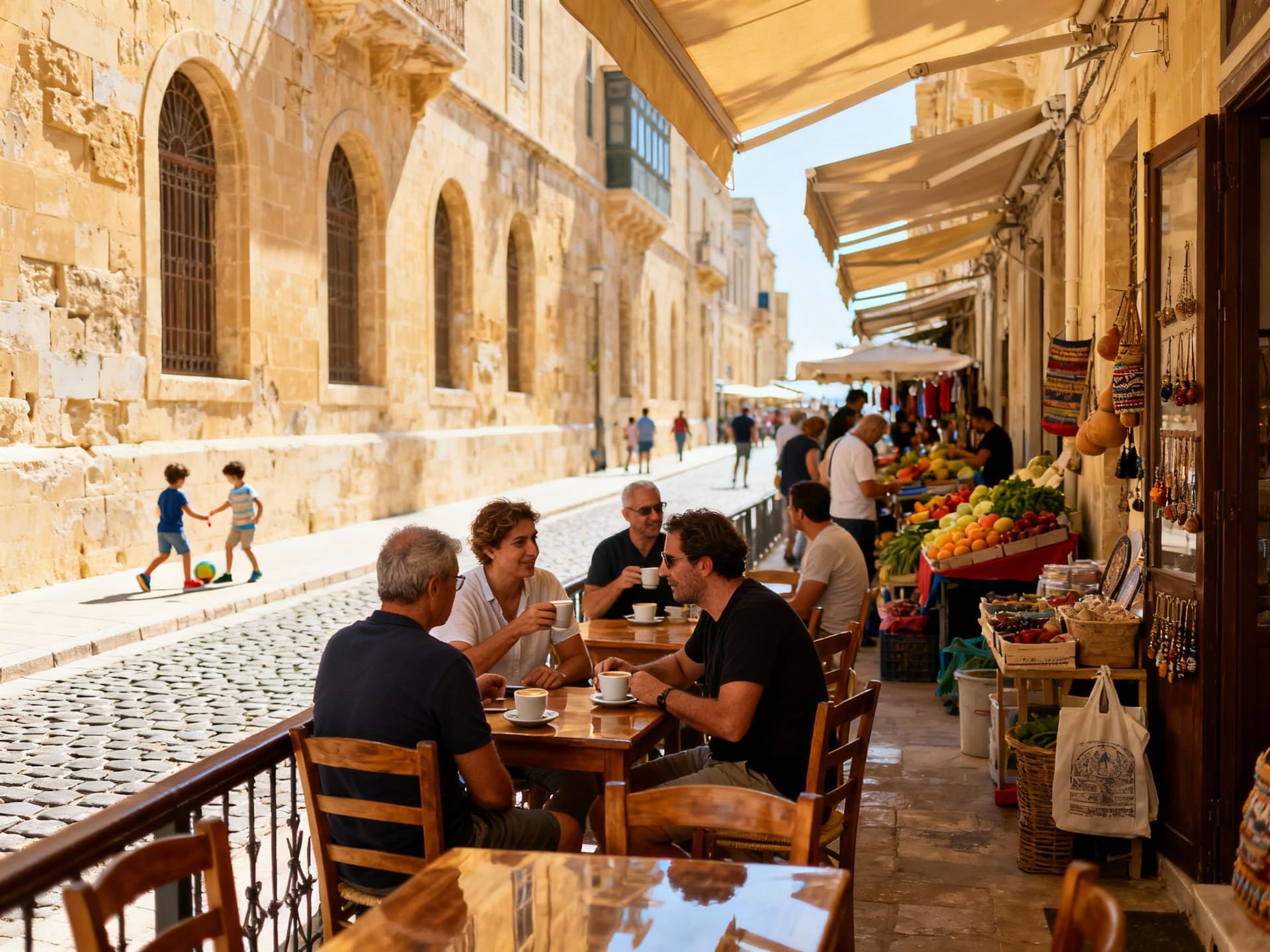
Malta is a set of villages stitched together by ferries, narrow alleys and a surprisingly busy calendar. Mornings belong to working crowds in St Julian’s and Ta’ Xbiex; afternoons to families at Għajn Tuffieħa and Golden Bay; evenings to terraces in Swieqi and Paceville. English is commonly spoken, the café culture is insistent, and festivals (festa season, Notte Bianca) fill demand spikes that short‑let landlords monetise in high season.
Neighborhood spotlight — Sliema & St Julian’s: convenience with a cost. These are Malta’s liquidity hubs: ferries, shops and year‑round rental demand. You’ll pay a premium per square metre, and turnover is constant — good for cashflow, worse for cap‑rate discipline if you overpay.
Valletta, with its UNESCO status and narrow streets, attracts short‑let tourists and corporate bookings during conferences. Gozo trades price for space and family tenants. Southern towns like Marsaxlokk and Żurrieq are quieter, offer lower purchase prices, and can yield higher gross returns — but expect longer vacancy cycles outside peak tourist months.
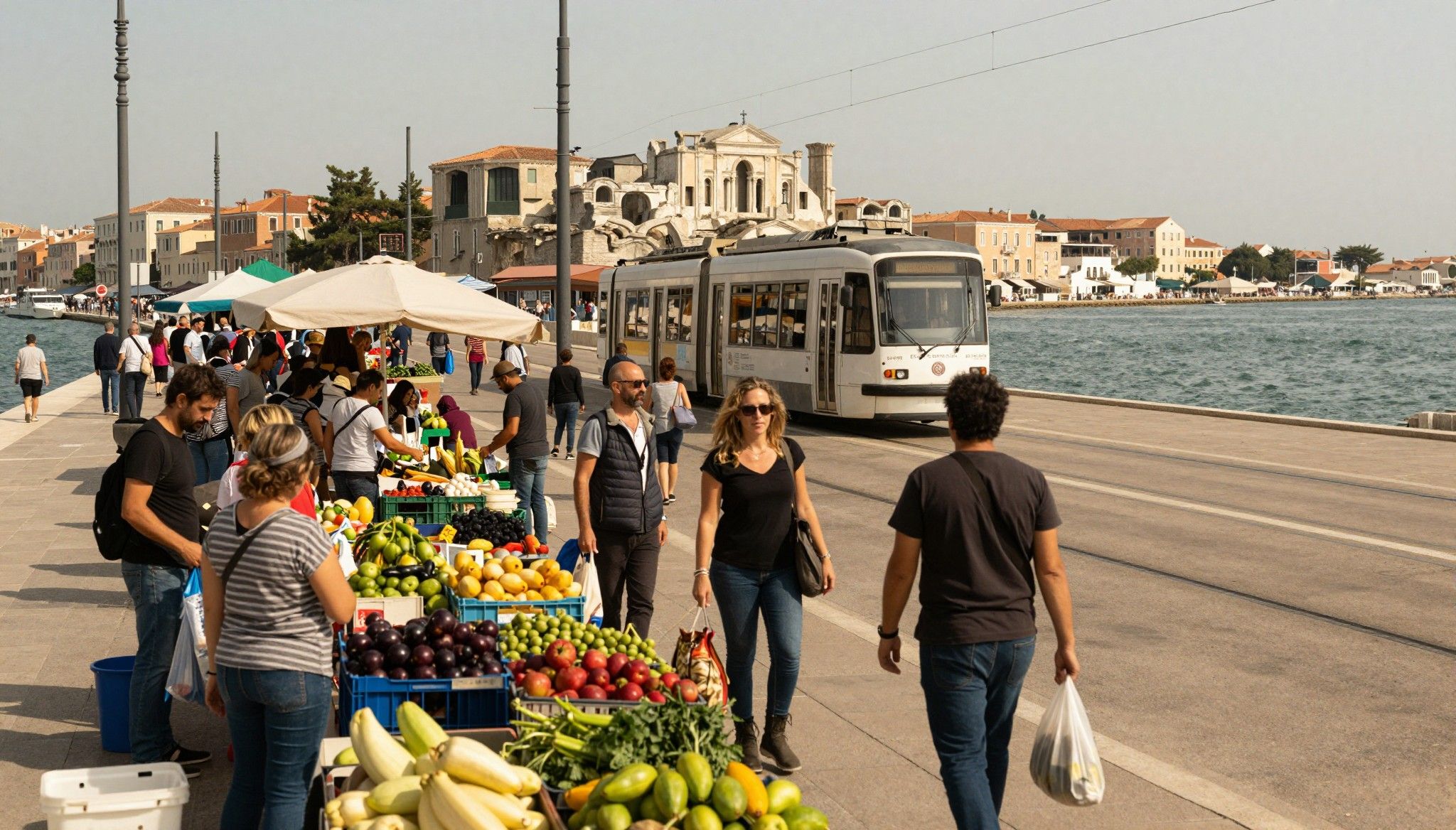
Food, season and rituals: how life shapes demand. Breakfast markets at Marsa, fish dinners in Marsaxlokk, and evening passeggiata in St Julian’s mean that rental appeal is experiential. Tenants don’t just rent a flat; they buy proximity to a lifestyle. That proximity drives nightly rates for short lets and steady premiums for long lets near amenities.
- Lifestyle highlights: Sliema promenade, Valletta theatre nights, St George’s Bay nightlife, Mdina’s quiet streets, Għajn Tuffieħa sunset swims, Marsaxlokk fish market Sundays.
Making the move: practical realities that protect your yield

Lifestyle sells the dream; data protects the return. Malta’s Residential Property Price Index rose around 5% year‑on‑year in 2024 and continued to show modest growth into 2025 — meaning purchase price inflation is a real headwind to gross yields. Match lifestyle appetite to a realistic underwriting model: if prices are rising faster than rents, cap rates compress fast.
Property types and how they perform. Apartments near waterfronts and serviced‑apartment blocks capture premium rents but often deliver lower gross yields (3–4% gross in prime pockets). Larger maisonettes and village houses outside core tourism strips can show 4–5% gross yields — higher net if you manage costs tightly.
Work with specialists who understand Malta’s dual market (short‑let tourism vs long‑stay residents). The right agent sources properties with documented rental history, advises on property management that limits vacancy, and models seasonality into your cashflow — crucial where summer spikes can mask winter thinness.
- Steps to underwrite a Malta rental investment: 1) Check historic rental receipts for 12–24 months; 2) Adjust income for seasonality (use NSO tourism arrivals as a demand proxy); 3) Deduct realistic operating costs (management, maintenance, utility pass‑through limits); 4) Stress test yields with +10–20% vacancy and service pricing; 5) Confirm planning and permitting for any intended short‑let use.
Insider knowledge: what expats wish someone told them
Short‑let opportunity — real but concentrated. Tourism hit record levels in 2024, boosting short‑let revenue potential. Use official arrival statistics to weight high‑season income, but don’t assume year‑round parity: many properties earn most of their income in a 4–5 month window.
Regulatory watch: citizenship‑by‑investment has been formally challenged by the EU; policy shifts can change buyer profiles overnight. Yields depend on stable tourism and investor confidence — both sensitive to legal rulings. Track regulatory news as closely as local vacancy rates.
Cultural quirks that affect tenancy. Festa week noise, street cleaning schedules, and the practicalities of Maltese limestone buildings (thick walls, limited insulation) influence tenant preferences and renovation costs. Expect to budget for AC in summer and modest facade maintenance in older cores.
- Red flags & local pitfalls: overpriced waterfront premia with thin rent growth; properties without clear electricity/water meter arrangements; unlicensed short‑let conversions; over‑optimistic occupancy projections based on peak months.
Longer‑term lens: where yields can improve. Look for traffic improvements, new office or hospital projects near neighbourhoods, and infrastructure that extends the tourist season (conference facilities, cultural programming). Secondary towns and Gozo often deliver higher starting yields and lower price volatility.
Conclusion: Malta is a lifestyle compressed into 316 km² — intensely attractive to tenants and investors alike — but attractive markets require data discipline. Start with lived experience (walk the streets you’ll invest in), then model conservatively: use NSO tourism trends, RPPI movement and market‑specific rent evidence to build a stress‑tested cashflow. Good local agents turn lifestyle cues into verifiable rental assumptions; don’t buy the view without buying the numbers.
British expat who moved to the Algarve in 2014. Specializes in portfolio-focused analysis, yields, and tax planning for UK buyers investing abroad.