Which French Cities Deliver 4%+ Rental Yields?
France offers divergent rental regimes: Paris trades yield for liquidity; student and regional cities often deliver 4–6% gross yields—match property type to tenant demand.

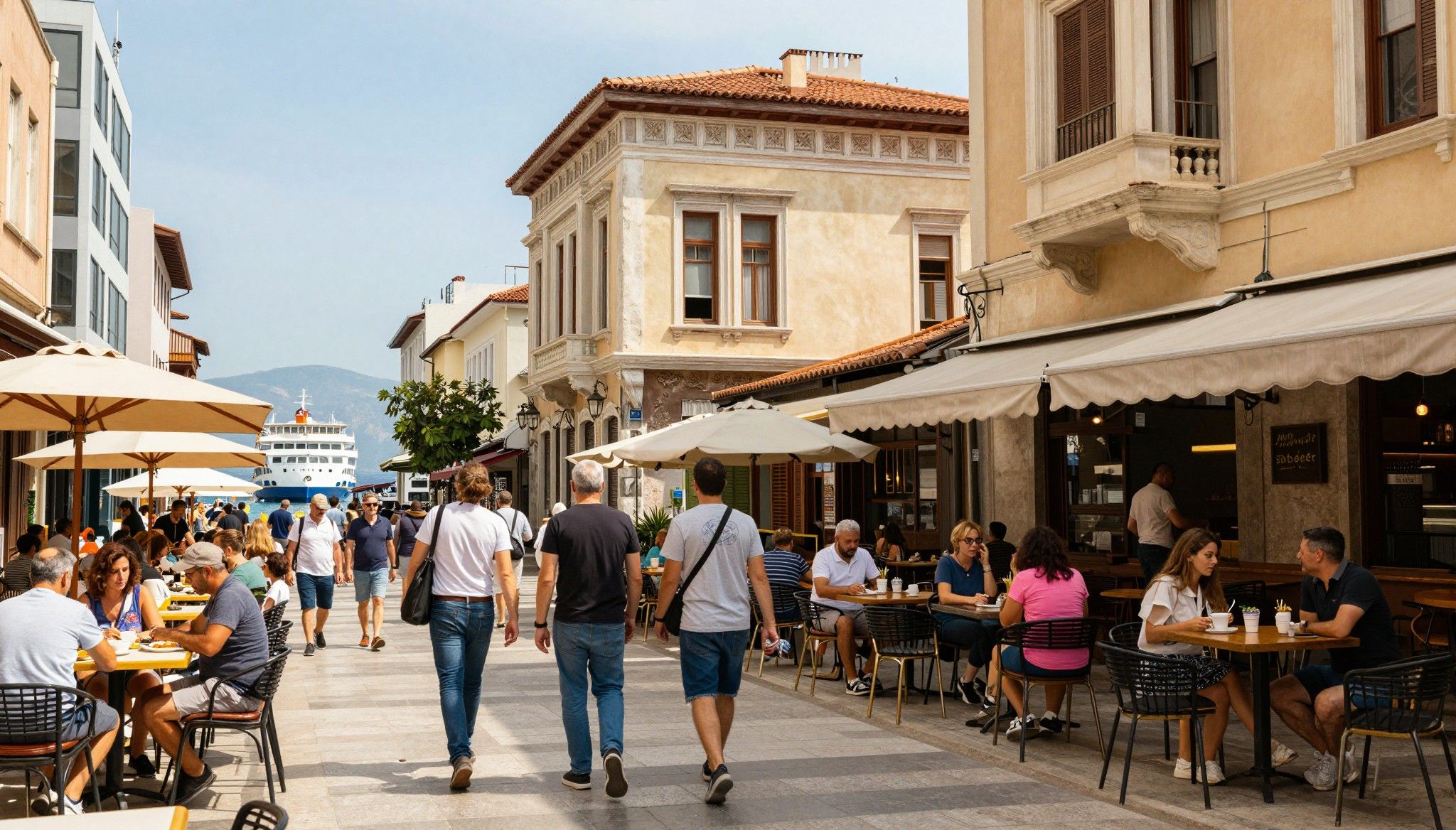
Imagine an early morning in Lyon’s Croix-Rousse: cafés steaming, delivery bikes threading narrow streets, and a furnished studio turning over to a corporate tenant. That same week, on the Côte d’Azur, a modest two‑bed sees months of short‑stay demand but tight local regulation. These contrasts matter because lifestyle scenes in France — student hubs, corporate corridors, and tourist coasts — directly shape rental demand and yields.
Living the French life — and why it changes returns

France is not a single market: Paris hums with international mobility and premium rents, university cities pulse with student turnover, and coastal towns swing seasonally. National statistics show activity recovering unevenly across regions — price momentum in Île‑de‑France contrasts with steadier growth elsewhere — and that unevenness is the first driver of where yields land. For investors that means matching lifestyle demand (students, professionals, tourists) to property type and neighbourhood.
Neighbourhood note: Paris’ inner contrasts
Walk Paris from the Marais to the 16th and you cross multiple yield regimes. High purchase prices in central arrondissements compress gross yields to mid‑3% for larger flats, while studios in outer arrondissements can deliver closer to 6–7% gross. Because liquidity and capital appreciation are strongest here, many buyers accept lower immediate yields as an exchange for long‑term resale optionality.
Coast vs city: lifestyle premiums and the yield hit
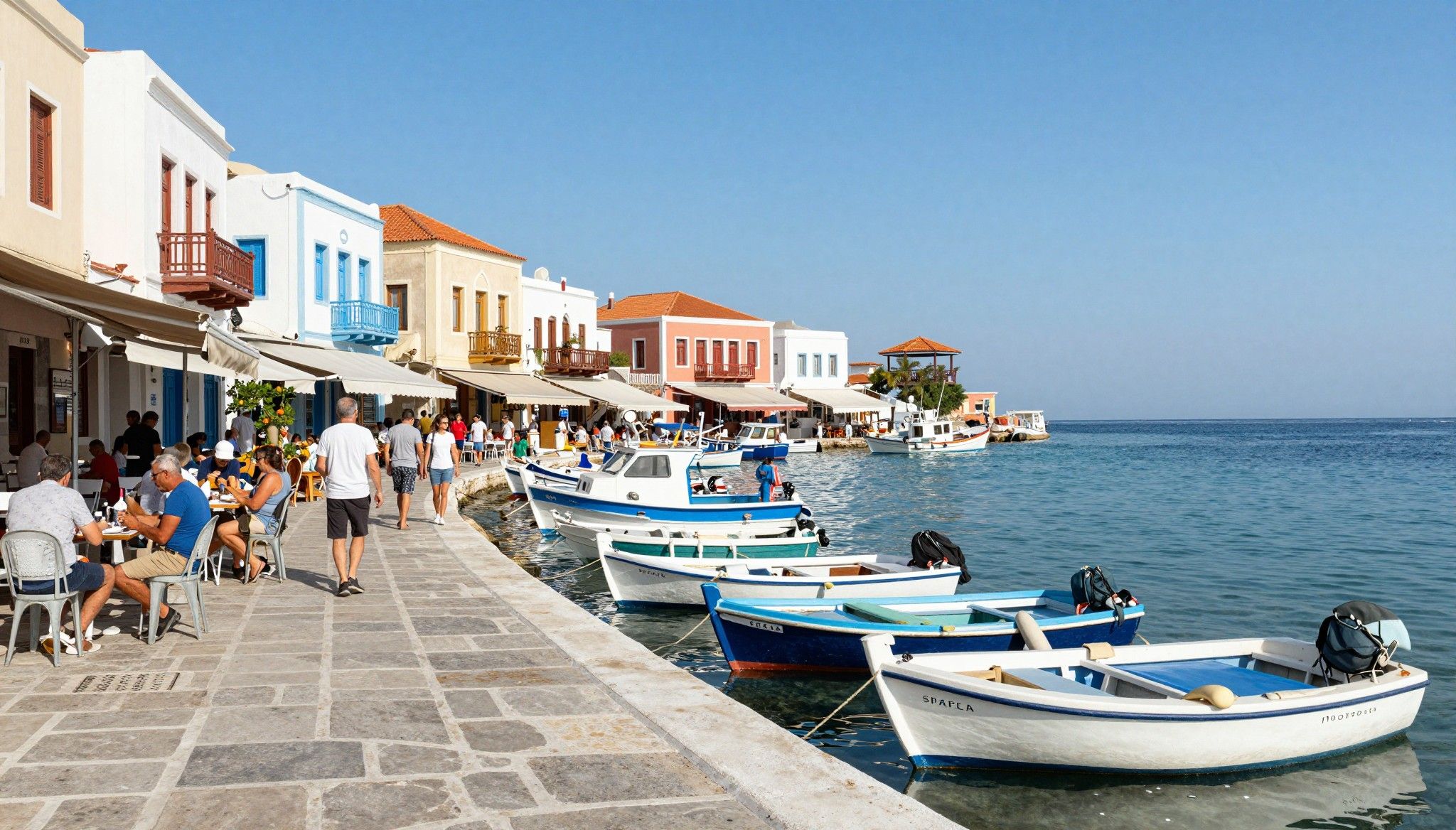
Seaside towns sell a lifestyle — beaches, terroir dining, outdoor life — but often deliver strong seasonality and regulatory drag on short‑lets. Cities with steady year‑round demand (Toulouse, Lyon, Nantes) commonly produce more reliable rental streams. Short‑stay income can lift gross yields in summer, but local caps, registration and taxation can neutralise that advantage quickly.
- Lifestyle highlights that affect rental demand: • Lyon Croix‑Rousse: corporate and creative tenants, reliable furnished demand • Toulouse Carmes: student + aerospace workforce = steady occupancy • Marseille Le Panier: lower entry prices, higher gross yields but higher turnover • Nice Promenade: lifestyle premium, lower net yields after costs • Montpellier: high student population supporting furnished yields
Making the move: translate lifestyle into investment metrics

Don’t buy a view and expect studio returns. Translate lifestyle appeal into realistic rental assumptions: furnished vs unfurnished rent per m², expected vacancy, and management cost. Recent city-level data show furnished rentals commonly add 0.8–1.2 percentage points to gross yield versus unfurnished offerings; in markets with professional tenants this premium is predictable and bankable.
Property types and how they meet lifestyle demand
Studios and small one‑beds match city professionals and students and typically show the highest gross yields. Two‑beds and larger flats suit relocating families and yield lower percentage returns but more stable tenancies. In tourist towns, multi‑unit buildings that allow diversification between medium‑term lets and longer leases smooth seasonality and protect occupancy rates.
- A quick decision checklist (lifestyle + numbers): 1. Define tenant profile (student, corporate, tourist). 2. Estimate furnished rent/m² and apply a 15–20% vacancy/management buffer. 3. Calculate gross yield = (annual rent ÷ purchase price). 4. Stress‑test with extra costs: taxe foncière, copro fees, and renovation. 5. Model 5‑year cashflow including probable regulation changes.
Insider knowledge: what expats wish someone told them
Expats often underestimate the micro differences between arrondissements or quartiers. A narrow street with cafés may feel appealing but attract transient short‑stay demand that local councils will regulate. Similarly, energy performance (DPE rating) now affects tenancy and resale; buyers who invest in insulation and efficient boilers often improve net yield and tenant quality.
Language, community and day‑to‑day life
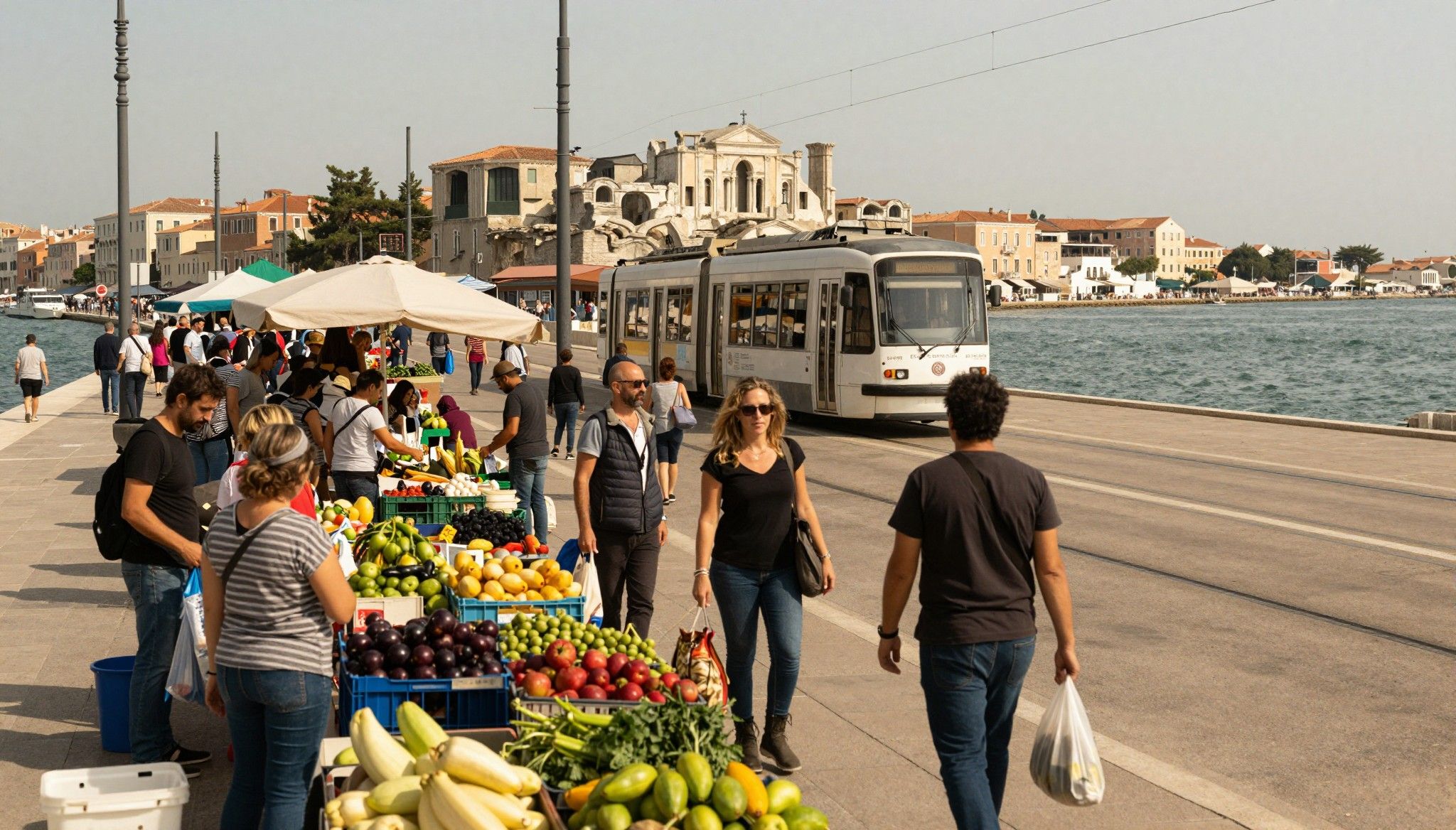
Learning basic French accelerates tenancy relationships and maintenance coordination. Local syndic (condominium management) customs influence renovation approvals and costs; a well‑connected agent who knows the syndic culture will save months. Community life — weekly marchés, boulangeries, school catchments — is where lifestyle and yield intersect: they keep properties rented longer.
France offers both lifestyle rewards and measurable rental opportunities. Target cities where tenant demand matches the experience you’re selling — student cities for small units, regional capitals for stable corporate lets, coastal towns only if you can manage seasonality and regulatory risk. Start with a local agent who produces realistic rent comparables, overlay the yield math, and stress‑test for regulation — then decide if you’re buying lifestyle, yield, or a mix of both.
Norwegian market analyst who relocated from Oslo to Mallorca in 2016, guiding Northern buyers through regulatory risk, currency hedging, and rentability.