Why France’s coastal dream can kill your yield
A contrarian look at French rental markets: favour mid‑sized cities and real tenant rhythms over coastal romance to protect net yields.

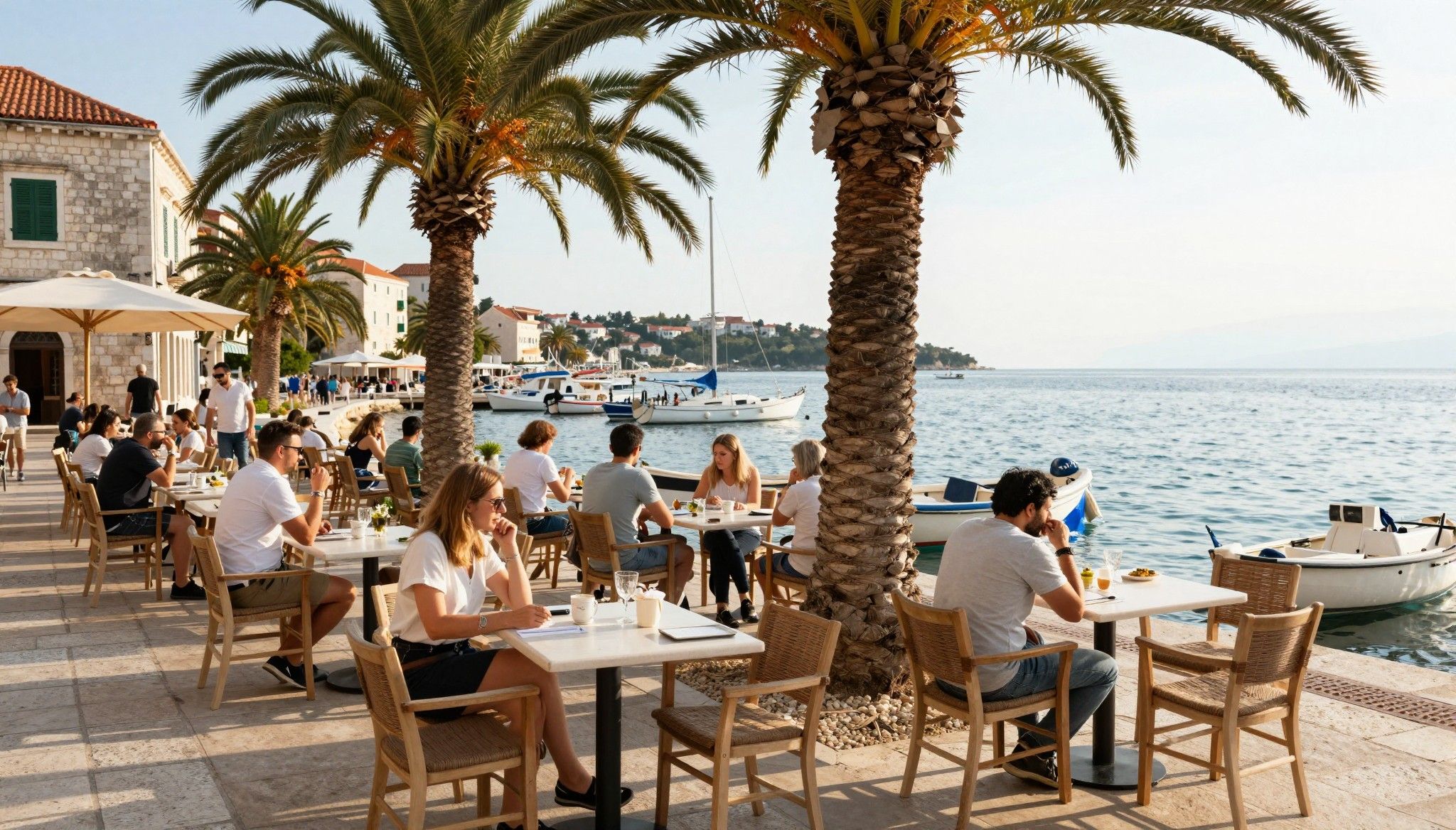
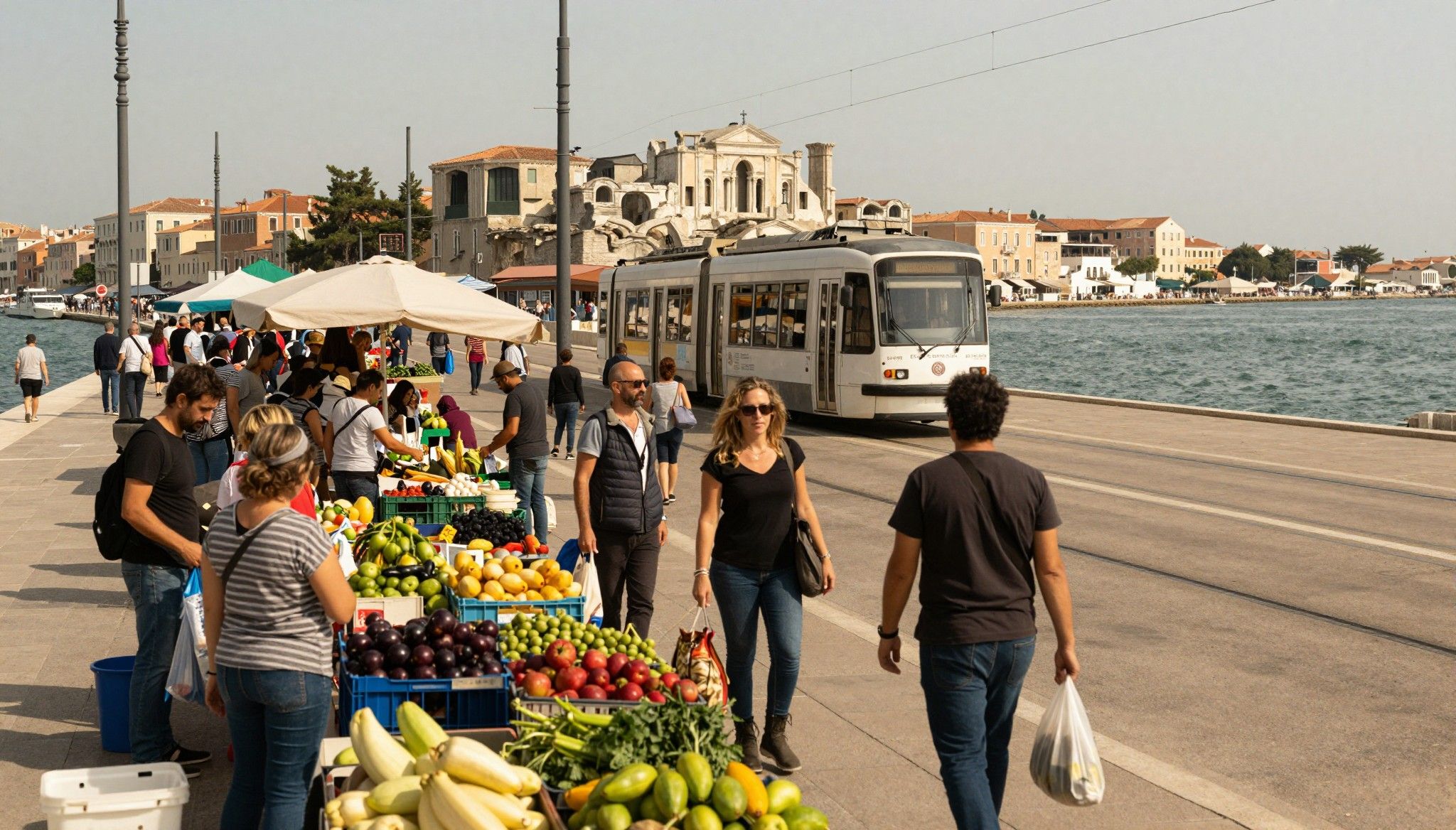
Imagine sipping a café allongé at 9 a.m. on Rue Cler in Paris, then swapping that scene a week later for a Sunday marché in Rennes where stalls overflow with cider and chèvre. France feels like stitched moments: forest walks at dawn, aperitifs on terraces, train connections that make weekend escapes possible. For international buyers the romance is tangible — but so are the trade-offs between lifestyle and yield. This piece pairs sensory France with hard rental-market facts so you can love the place and still make a disciplined investment.
Living France: daily rhythms that shape rental demand
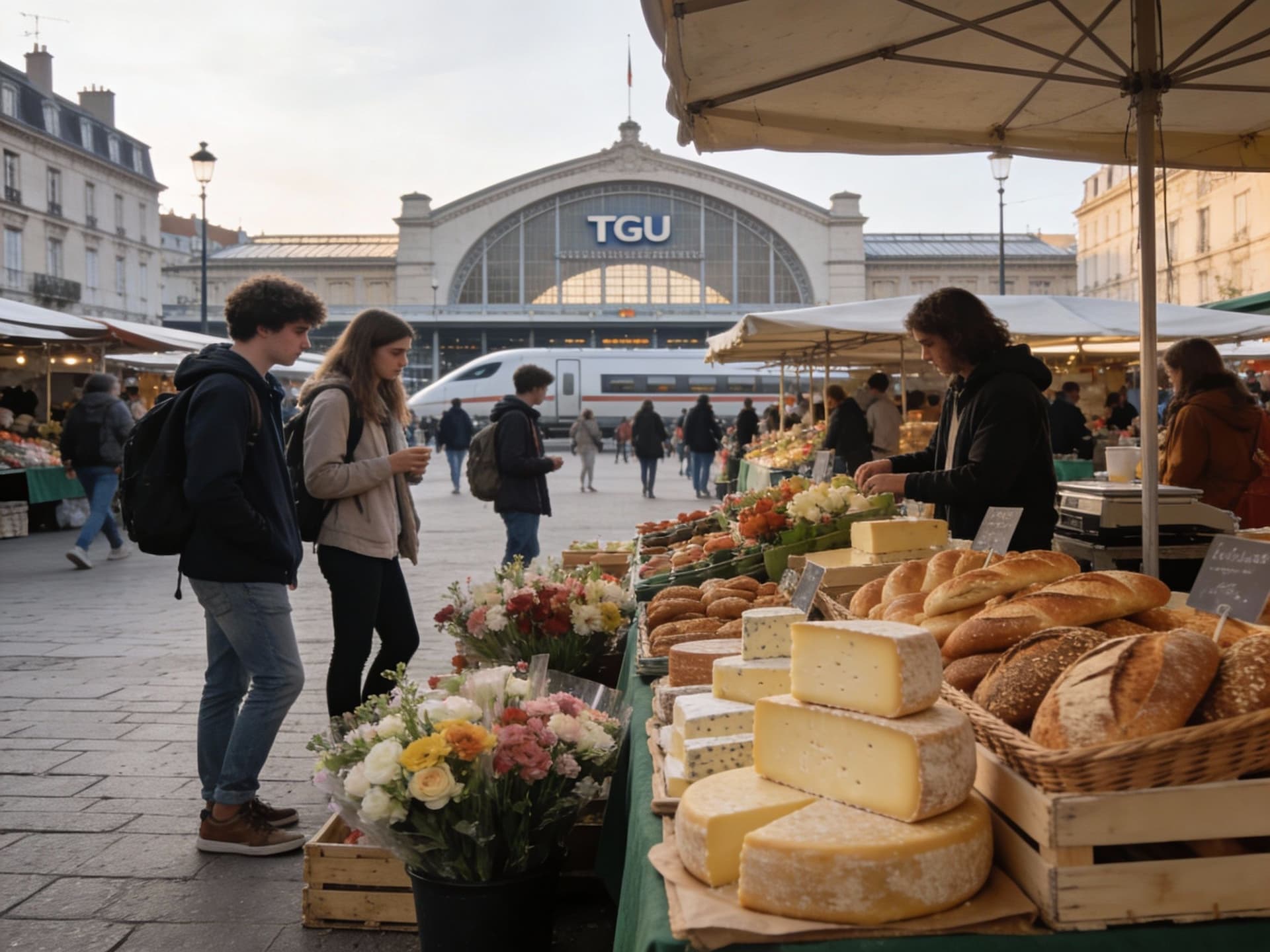
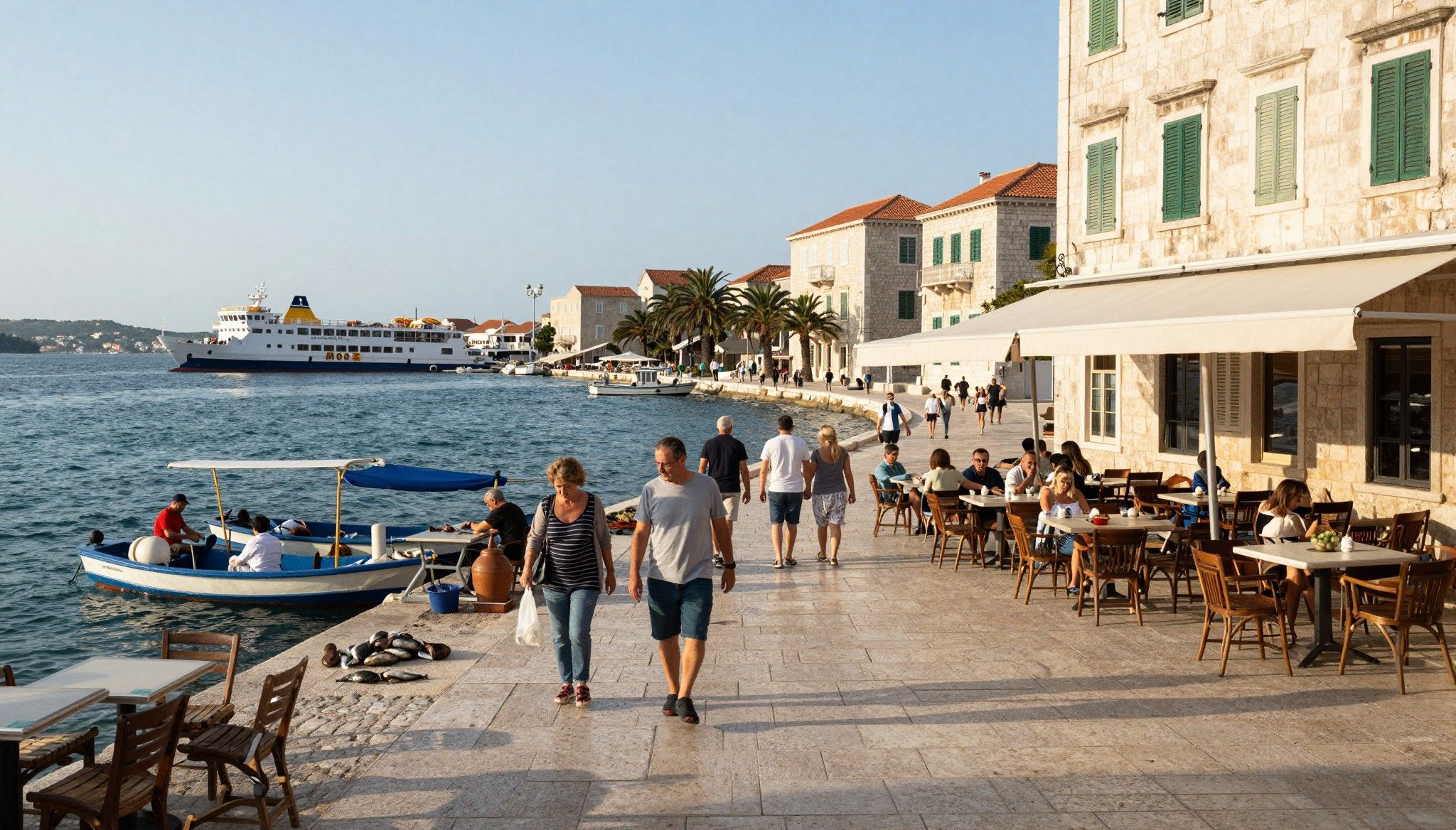
Daily life across France is not uniform: Paris pulses with morning commuter crowds, university towns hum in term-time, coastal resorts surge in summer and quiet in winter. Those rhythms directly map to rental occupancy and yield volatility. Short-term demand spikes near the Côte d'Azur or ski resorts, while steady long-term demand lives in university cities, transport hubs and provincial capitals.
Paris & Île‑de‑France: stability over headline yield
Paris offers capital‑value conviction rather than high gross yields. Average prices per square metre have been far above the national average for years, compressing gross yields into the low single digits. For investors seeking rental cashflow, Paris is about capital preservation, tenant reliability and low vacancy — not headline returns.
Mid‑sized cities and university towns: steady tenants, better yields
Places like Rennes, Montpellier, Nantes or Grenoble combine population growth, jobs and student demand — the three fundamentals for predictable rental income. Gross yields in such centres commonly sit meaningfully above Paris while offering better liquidity than remote rural opportunities.
- Lifestyle factors that translate into rental strength:
- Stations and TGV access (Rennes, Lyon-Part-Dieu) — commuter and regional rental demand
- Universities and grandes écoles — term‑time tenancy and lower vacancy
Making the move: matching property type to how you’ll live (and rent)

Dreams of a Provençal villa differ from the economics of a central Toulouse flat. Your choice of property type fixes both lifestyle and yield potential: studios and small one‑beds typically deliver the highest gross yields in city centres; houses serve families but carry higher maintenance and longer void risk.
Which property types map to which tenant pools?
1. Studios/1‑beds in university/central business districts — highest turnover, strong yields. 2. 2–3 beds near commuter hubs — stable families and professionals, moderate yields. 3. Houses in suburbs/small towns — lower yields, longer lets, higher maintenance. 4. Resort villas — seasonal occupancy, regulatory risk for short lets.
Insider knowledge: three French realities expats often miss
First: seasonality is not just coastal. Towns that appear sleepy in summer can be rental deserts in winter. Second: official rent indices show steady upward drift — rents are rising nationally, but unevenly by quarter and region. Third: transaction activity and price movements are regional — pockets of opportunity exist where supply is constrained but prices have not yet re‑rated.
The hidden cost that erodes net yield
High acquisition charges and regional tax differences reduce net yield more than headline gross yield suggests. Factor in local DMTO (transfer taxes), renovation costs (historic façades add expense) and vacancy periods — your net yield can be 1–3 percentage points lower than gross calculations suggest.
- Quick checklist before making an offer:
1. Calculate net yield: (annual rent − operating costs − taxes) ÷ total purchase cost. 2. Check IRL (rent index) trends for regional rent pressure. See INSEE rent index. 3. Verify local short‑let rules if you plan holiday rentals. 4. Confirm proximity to transport and employers — demand drivers matter more than charm.
How local agencies make the lifestyle real — and the numbers work
A good local agent translates neighbourhood rhythm into tenancy projections. They identify which streets fill quickly in term‑time, which terraces appeal to long‑let families, and which buildings have manageable copropriété charges. Use agencies for market comps, not romance: ask for documented rental comparables and average months‑vacant.
- Practical next steps if France feels like the right fit:
1. Shortlist 2–3 towns with the lifestyle you want and compare gross vs net yield. 2. Request actual rent roll data from local agents; insist on recent lettings, not asking rents. 3. Build a 5‑year cashflow model including DMTO, insurance, management and average vacancy. 4. Visit outside peak season to sense year‑round life; schedule viewings on weekdays and weekends.
Conclusion: marry the daily life you want with discipline
France sells a life — cafés, markets, trains to the Alps — but renting that life back to tenants requires matching rhythm to product. Seek mid‑sized cities or well‑located city flats for the best blend of lifestyle and yield; treat coastal romance as a tactical add‑on, not the portfolio anchor. When you marry local colour with rigorous yield analysis, you get both the life you imagined and investment returns that stand up to scrutiny.
British expat who moved to the Algarve in 2014. Specializes in portfolio-focused analysis, yields, and tax planning for UK buyers investing abroad.