Coast vs Inland: Where Croatia’s Yields Actually Live
Croatia’s coastal charm inflates prices; recent HPI and tourism data show inland and city strategies can deliver stronger yields when matched to seasonality and local rules.
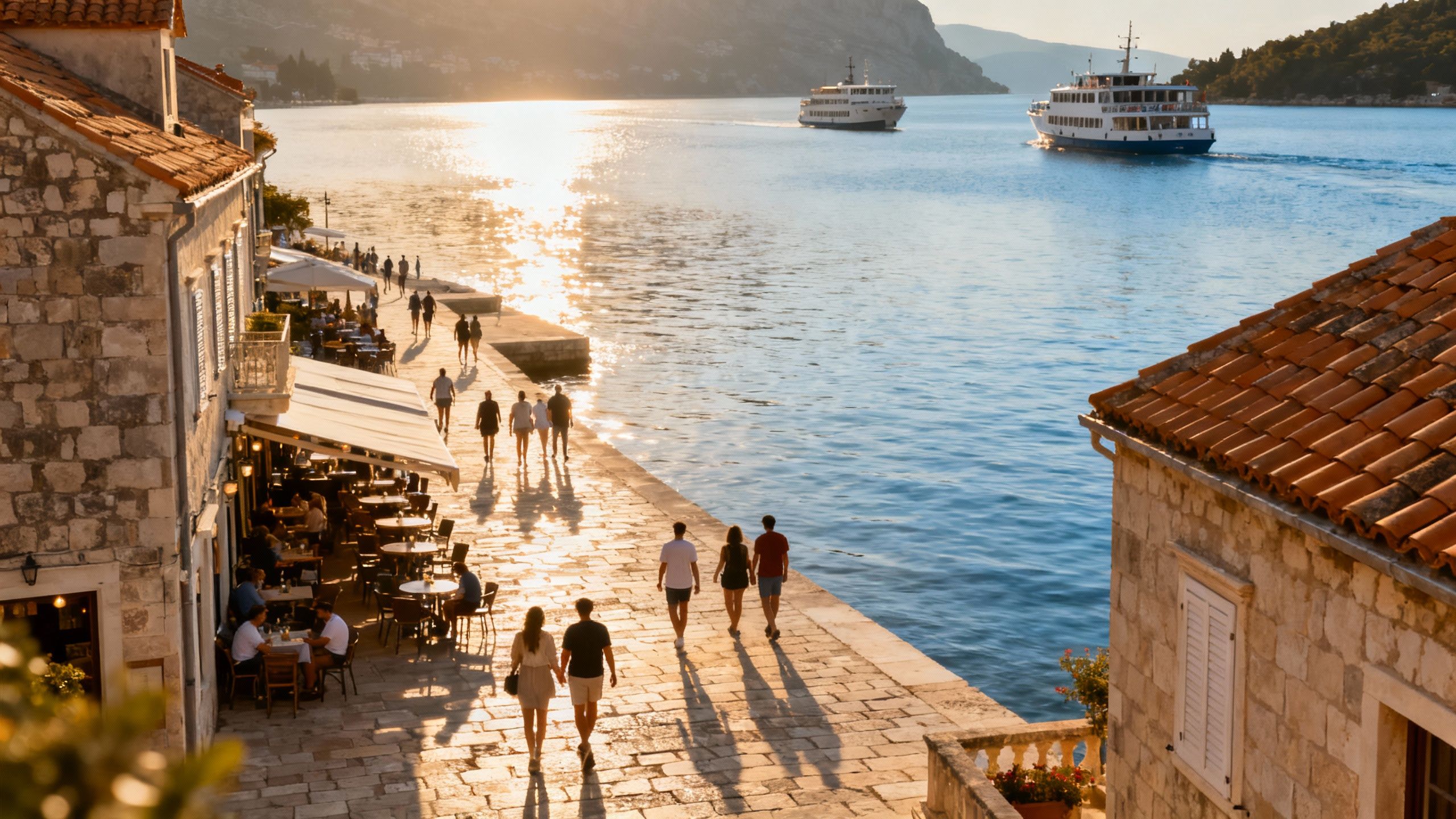
Imagine sipping an espresso on Zagreb’s Ilica, then driving two hours to a pebble cove near Makarska by afternoon — that dual rhythm defines life in Croatia. The country’s Adriatic towns advertise sun and stone, but behind the postcard is a more complex investment story: strong tourism, fast‑moving coastal premiums and an inland market that quietly offers value. For international buyers who balance lifestyle with returns, understanding Croatia means seeing both the charm and the data that drive prices. Recent house price indices and tourism numbers shift the conversation from romantic impulse to an evidence‑first decision.
Living the Croatia lifestyle
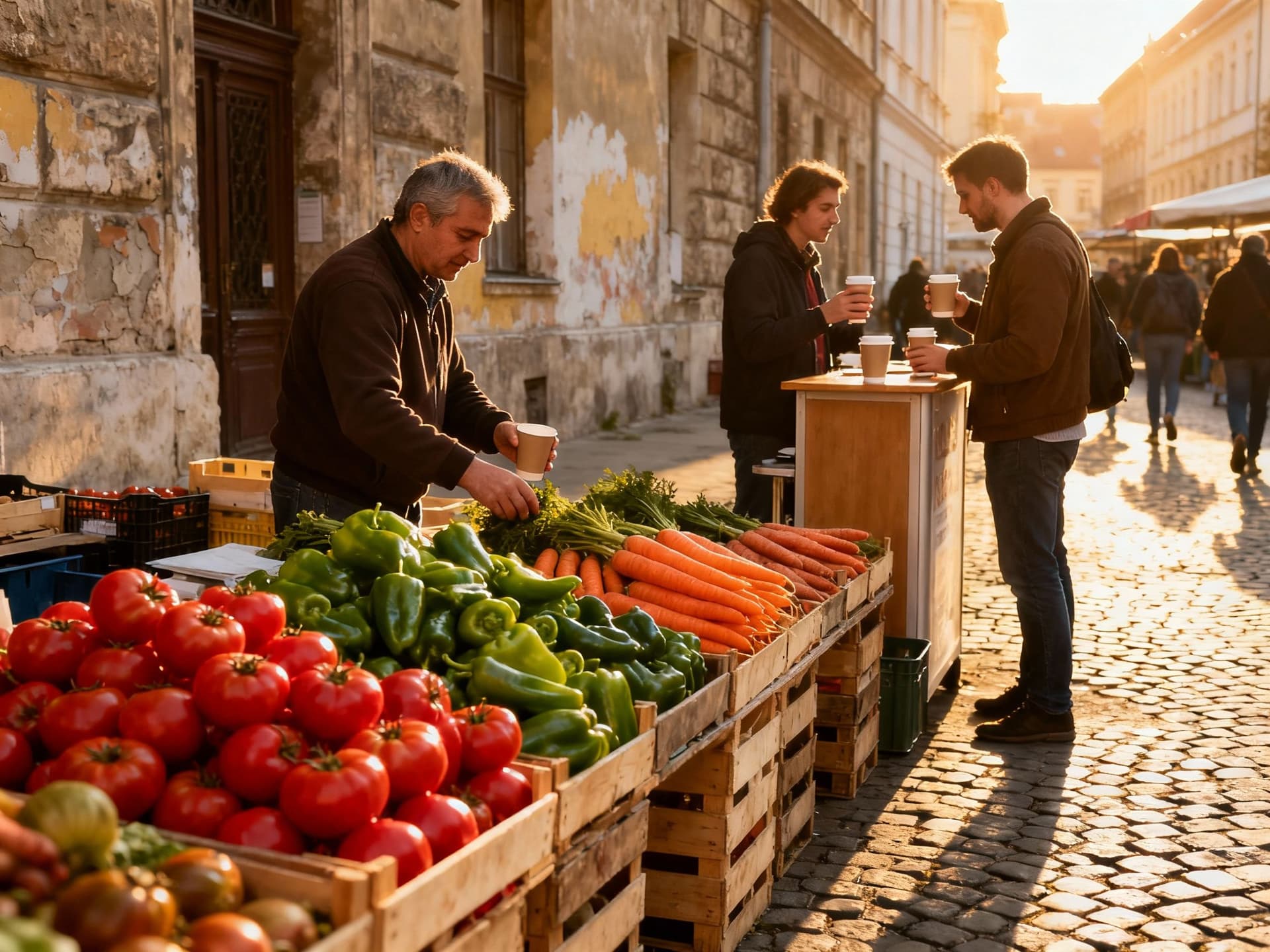
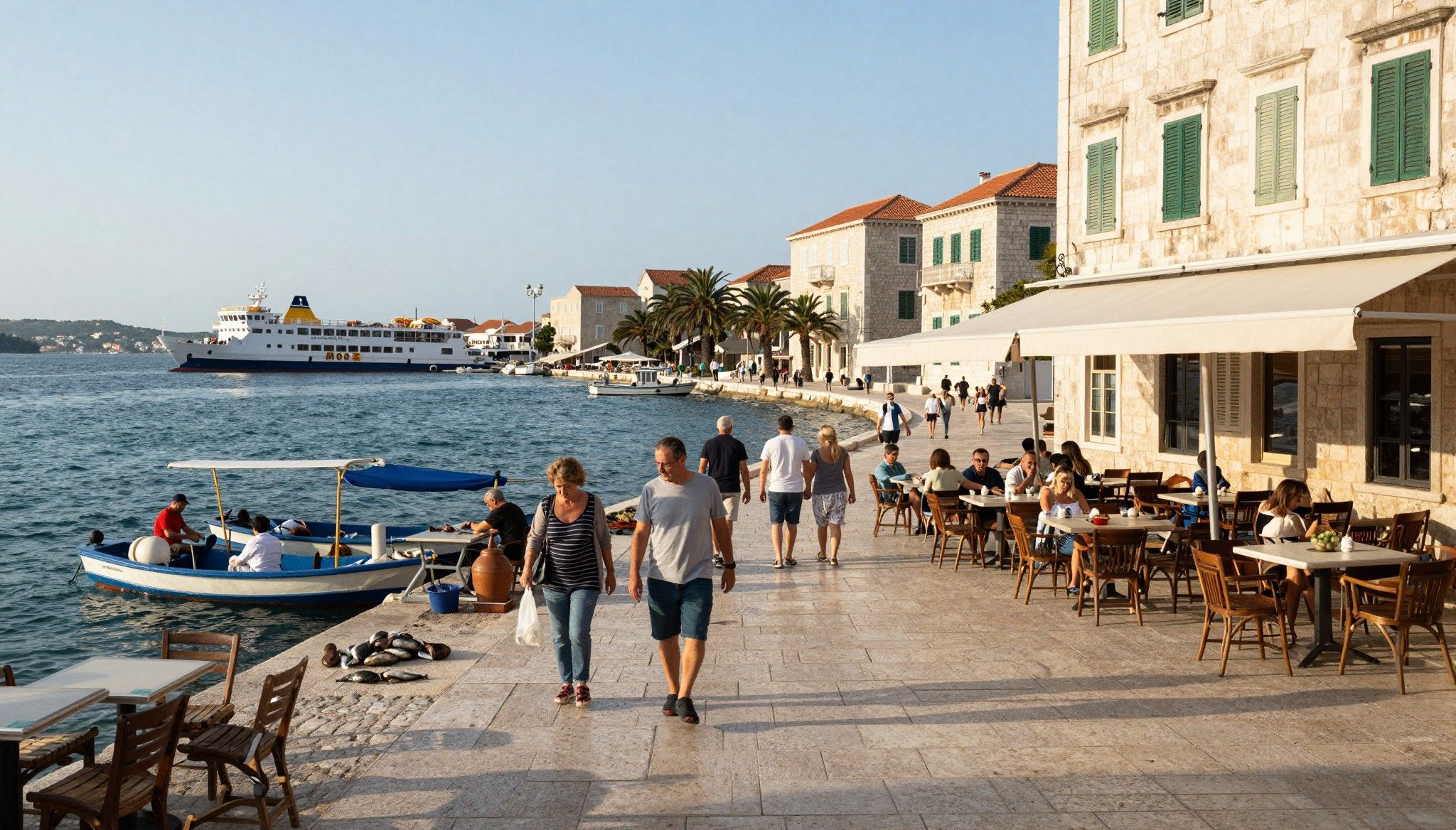
Morning markets in Split’s Pazar, late‑night riba (fish) at Taverna Pod Voltom in Rovinj and staggered summer rhythms on Hvar make Croatia feel like a mosaic of small, lived‑in worlds. Life here is outdoor‑first: terraces, promenades and ferry timetables structure days more than gym schedules. That atmosphere attracts seasonal visitors — crucially, the government reported a record‑breaking 21.3 million arrivals and over 108 million overnight stays in 2024, with pre‑ and post‑season growth pushing the country toward year‑round tourism. Those tourism flows underpin short‑let demand on the coast but also raise questions about long‑term rental supply and local housing pressure.
Zagreb, Dalmatian coast and Istria — three different days
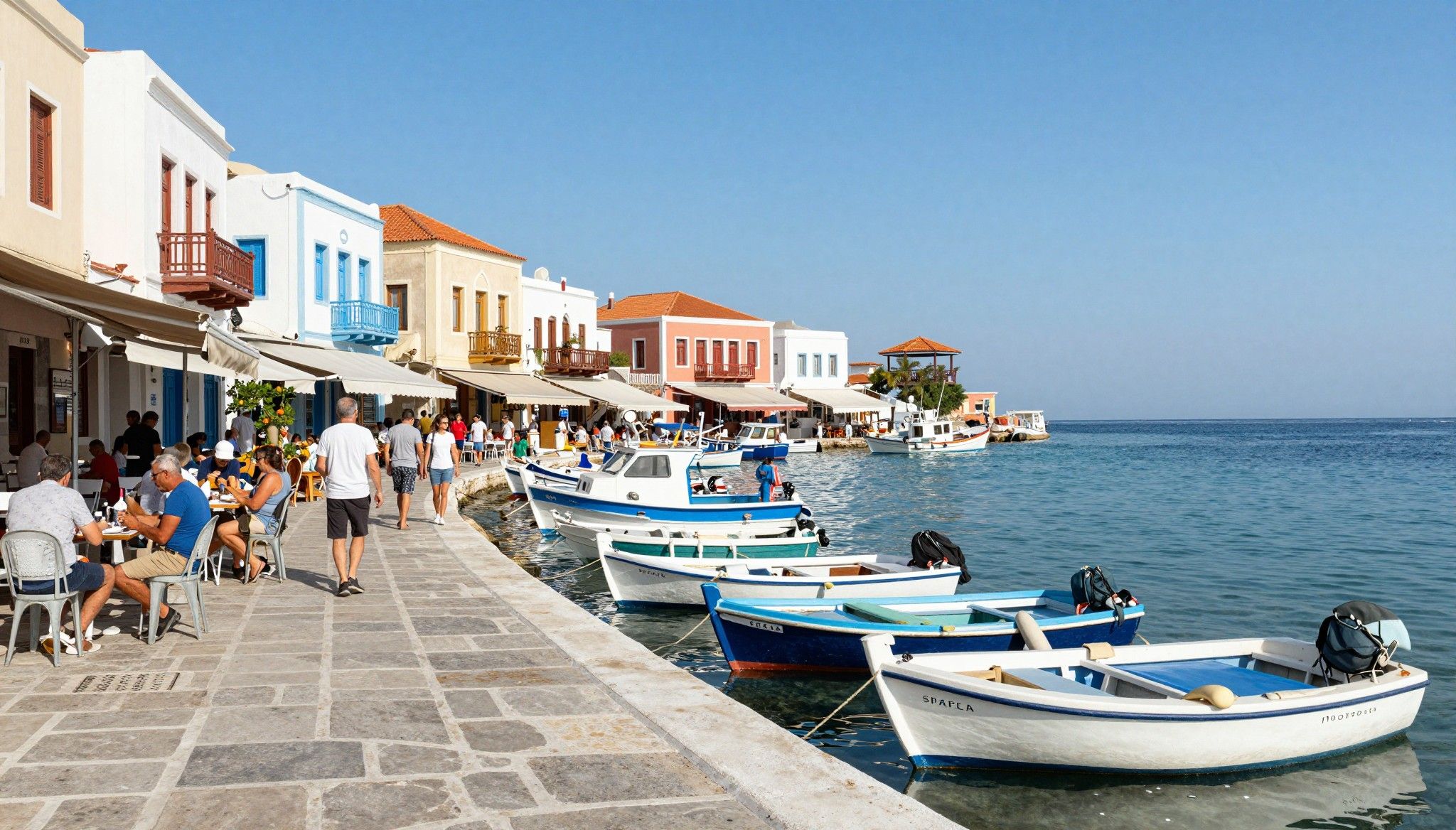
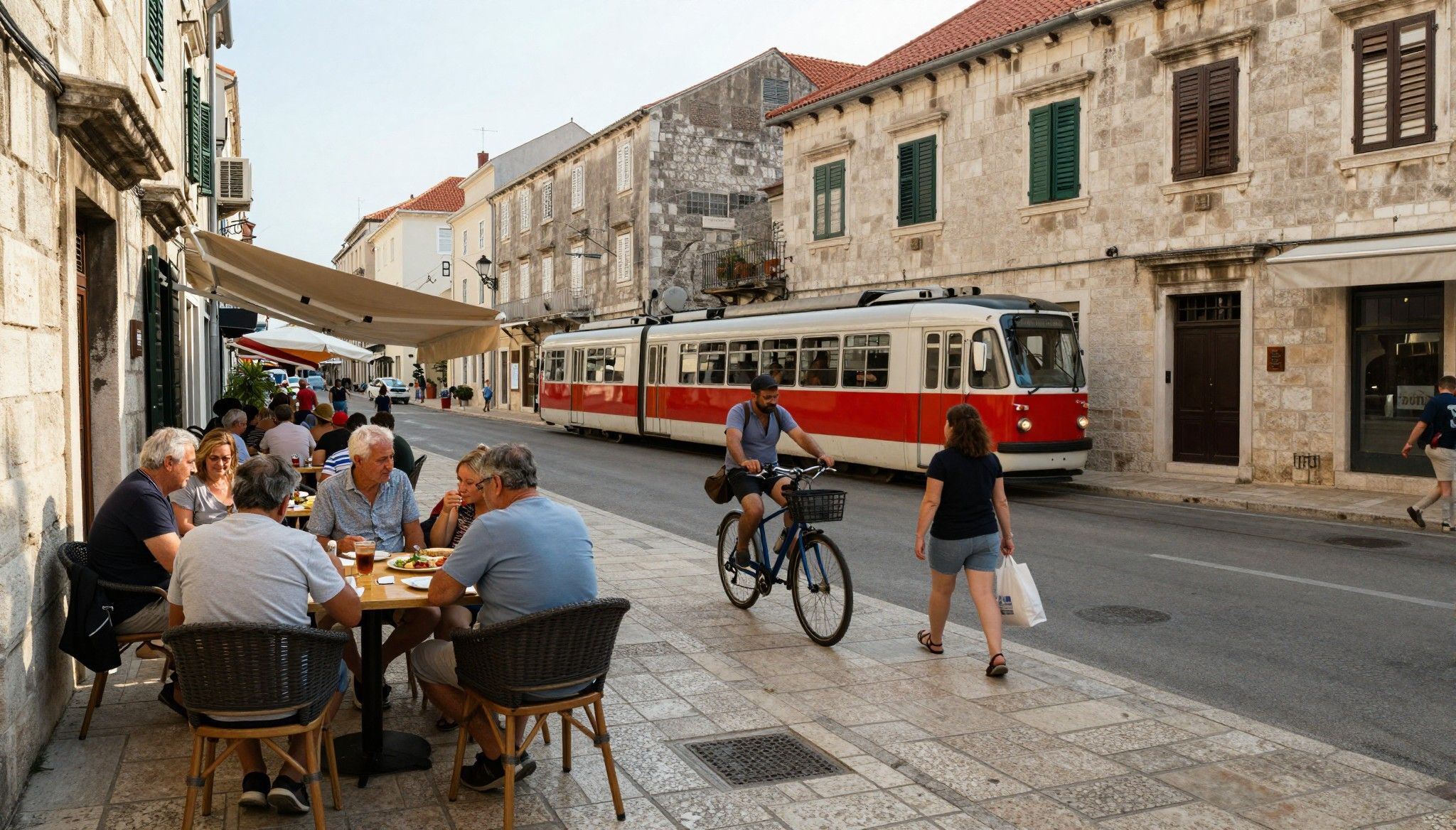
Zagreb feels continental: coffee bars, weekday office life and steady long‑let demand from students and professionals. The Dalmatian coast is summer‑bright, hospitality‑heavy and sensitive to short‑term rental dynamics. Istria blends tourism with expat pockets and quality food scenes around Rovinj and Pula, attracting buyers seeking slower seasons and year‑round amenities. Each place looks appealing in different ways — and each produces different yield profiles and management needs for an investor.
Food, festivals and seasonality that shape daily life
Weekends mean markets: Dolac in Zagreb, Pula’s weekend food stalls and Split’s green market create a local pulse that buyers feel immediately. Festivals — Dubrovnik’s summer cultural series or Zagreb’s Advent — convert off‑season months into demand pockets for short stays. Seasonality affects everything from vacancy risk to utility costs; for example, coastal flats often sit empty eight to ten months if owners don’t actively rent year‑round, while Zagreb apartments attract steady four‑ to twelve‑month tenancies.
- Dolac Market (Zagreb); Split Pazar; Rovinj old town cafés; Hvar ferry runs; Opatija seaside promenade; Makarska Riviera pebble beaches
Making the move: practical considerations that match the lifestyle
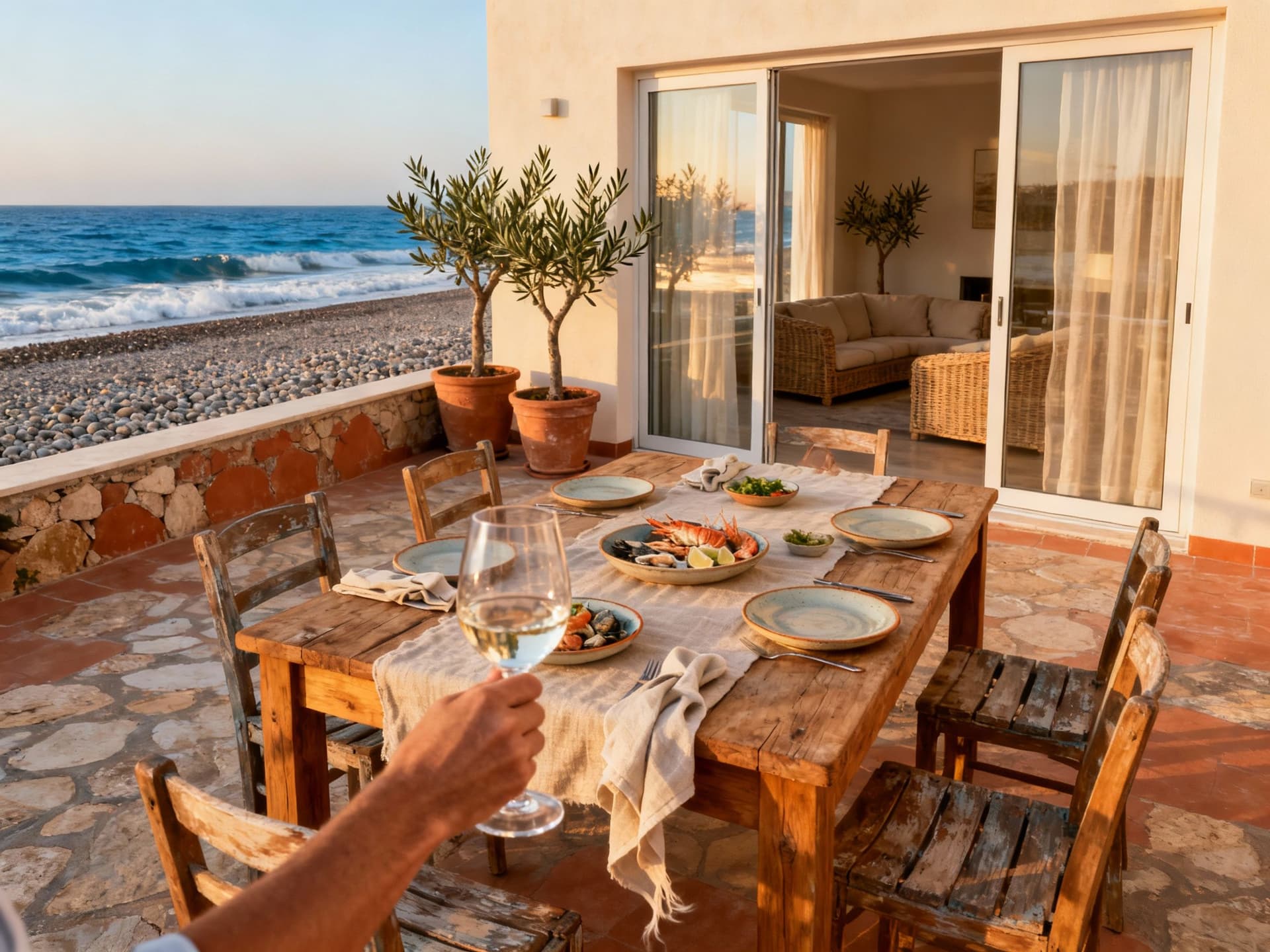
If lifestyle draws you, the market data tells the rest of the story. Croatia’s house price index rose about 10% year‑on‑year in late 2024 and continued its upward trend into 2025, driven by both demand and constrained supply in attractive towns. That means coastal purchase prices are already factoring in premium lifestyle value; inland or secondary‑city properties can produce better initial yields but offer slower capital appreciation. Balance the life you want with cap‑rate realism: lifestyle buys often reduce gross yields by 1–3 percentage points compared with opportunistic inland purchases.
Property types and what they deliver
Stone town apartments (Dubrovnik/Rovinj) sell lifestyle and low maintenance but demand high entry prices and produce seasonal rental patterns. New‑build apartments in Zagreb or Split are simpler to manage for long‑lets and often come with better energy performance and predictable maintenance. Small family houses inland provide rental diversification — long‑lets to locals or digital nomads — and are less exposed to summer vacancy. Choose property type by mixing usage: short‑let coast + long‑let city keeps occupancy high and spreads seasonality risk.
Working with local experts who know both life and law
- 1) Confirm nationality rules early — EU/EEA buyers enjoy near‑parity; non‑EU buyers often require Ministry approval and should check reciprocity before committing. 2) Use a notary and local attorney to verify land registry entries (gruntovnica) and outstanding encumbrances; recent digitisation efforts make some certificates available online but professional checks still matter. 3) Model both transfer tax (commonly ~3% for resale) and any VAT on new builds into total cost. 4) Plan for property tax changes: government moves in 2024–25 signalled a shift to taxing property more actively, affecting holding costs and short‑let economics. 5) Partner with an agency that manages local lettings and maintenance to convert lifestyle appeal into consistent occupancy.
Insider knowledge: expat realities, red flags and timing
Expats often arrive in love with the coast and discover the inland rhythm later; that shift changes where they buy. A common red flag is overpaying for proximity to a single amenity (a beach or a café) without assessing year‑round rental demand. Data show the Adriatic coast’s prices rose faster than inland areas in 2024, which compresses yields for coastal short‑let investors unless they can deliver premium occupancy. Conversely, the inland and other regional towns showed higher relative price growth in some quarters — signalling that 'undiscovered' does not always equal 'cheap'.
Cultural integration and daily life realities
Croatians value local ties: market vendors remember faces, municipal offices prefer consistent local representation, and community associations shape planning decisions. Learning basic Croatian opens practical doors — from negotiating local contracts to integrating with neighbourhood boards that affect renovation permissions. For buyers, that cultural capital translates into faster problem resolution and better tenant sourcing, which in turn supports net yields and lowers management friction.
When to act — a disciplined timing checklist
- 1) Don’t chase peak summer viewings — prices seen in August often reflect tourist emotion, not fair market value. 2) Target late autumn or winter viewings to understand structural condition and local community life rather than staged holiday scenes. 3) Lock deposit only after title and OIB checks are clear; non‑EU buyers should confirm reciprocity before signing. 4) Reassess local tax policy and short‑let regulations annually — changes in 2024–25 show governments may reprice the market via fiscal policy.
Conclusion: Croatia sells a lifestyle, but the best investments marry that lifestyle to disciplined underwriting. Use official HPI and tourism data to stress‑test yield assumptions, ask how seasonality will affect occupancy and engage lawyers and agencies who can translate local rhythms into reliable returns. Picture mornings at Dolac and evenings on the Riva, but make your offer after you’ve modelled maintenance, taxes and real occupancy rates. If you want a low‑emotion second opinion, bring the numbers — Croatia’s beauty will still be there after you run them.
Swedish financier who guided 150+ families to Spanish title deeds since relocating from Stockholm in 2012, focusing on legal and tax implications.