Why Croatia’s Peak‑Season Hype Masks Year‑Round Value
Croatia’s shift from summer‑only tourism to a year‑round market changes investment math — extend your yield model beyond July–August and stress‑test for new property taxes.
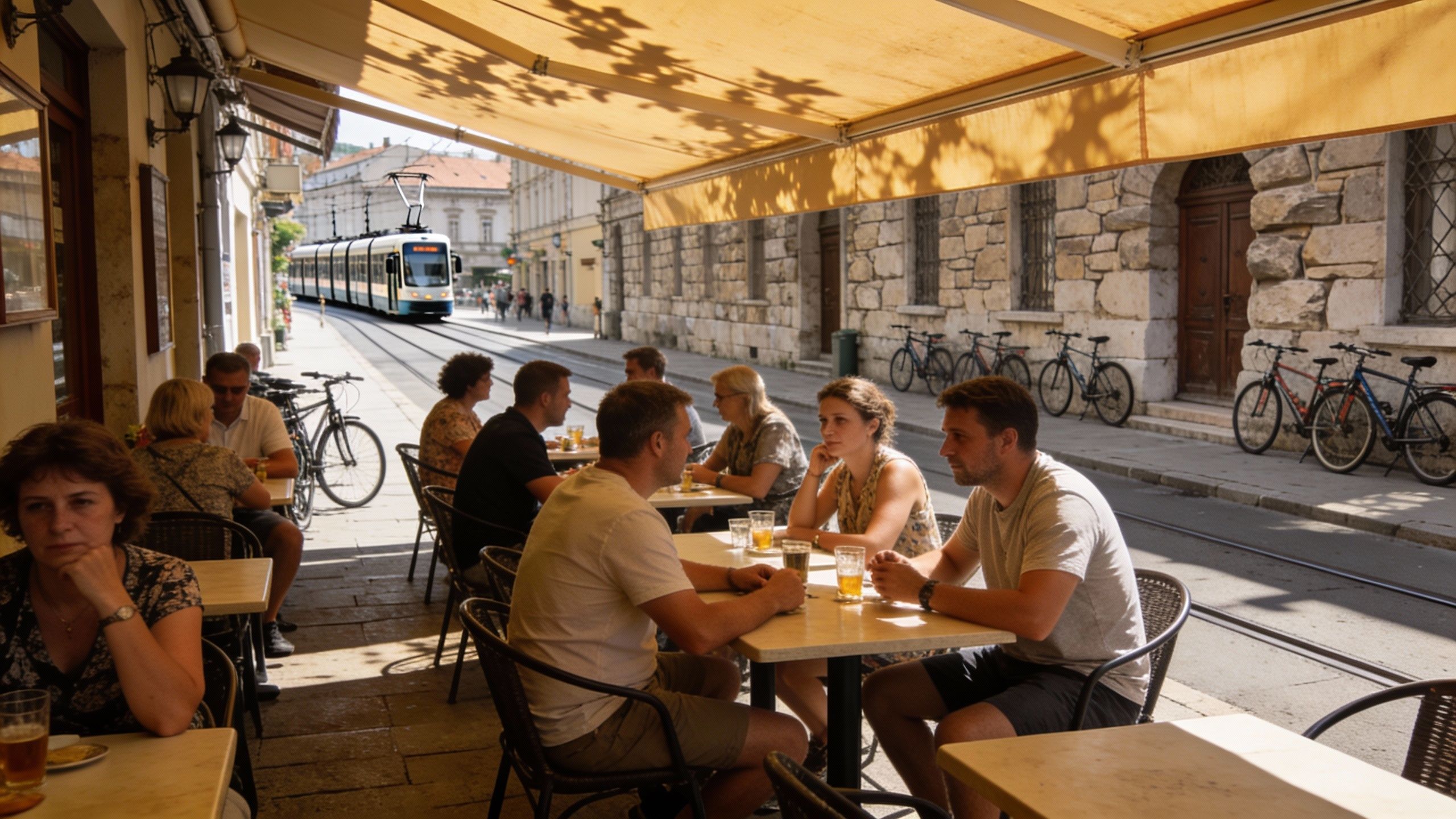
Imagine sipping an espresso on a shaded bench in Zagreb’s Tkalčićeva, then three weeks later swapping cobbled streets for a morning swim off Zlatni Rat. Croatia’s rhythm is seasonal on the surface yet quietly turning year‑round — and that shift changes the investment math for international buyers. Recent market analysis shows tourism and demand are diversifying beyond the summer peak.
Living the Croatia lifestyle
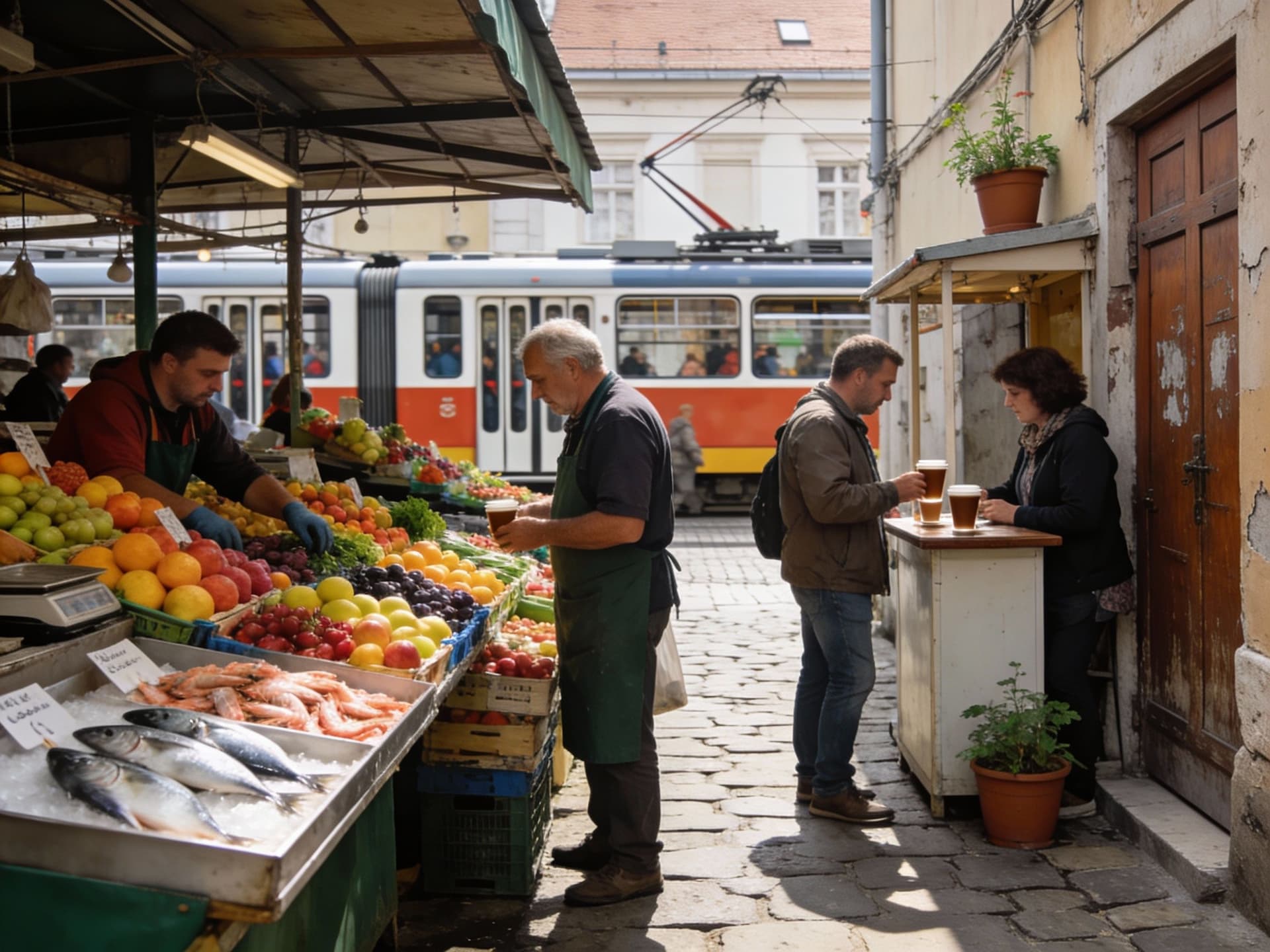
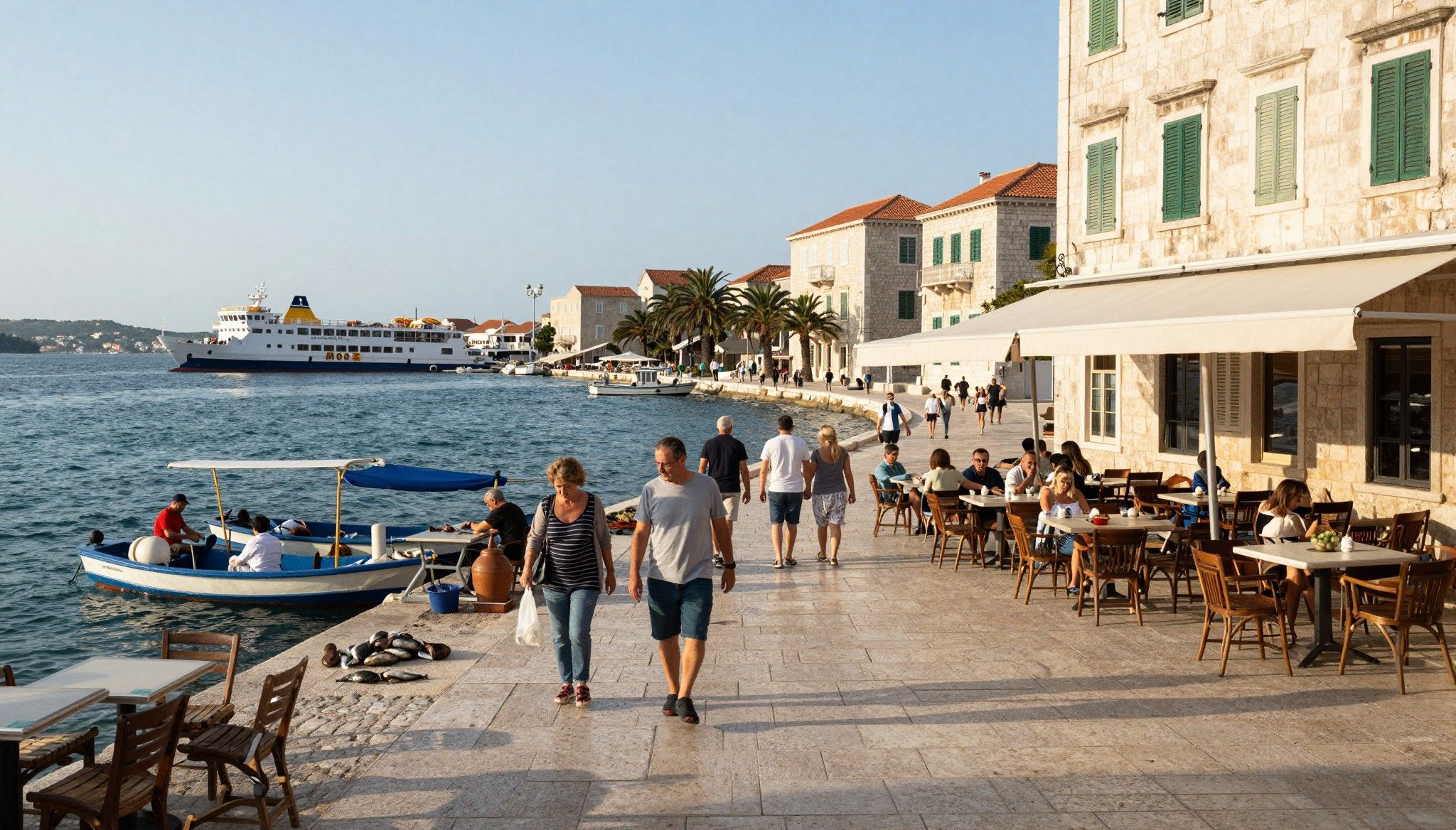
Croatia is both coastal postcard and continental cityscape. Mornings in Dubrovnik begin with fishermen hauling in small catches at Gruž; afternoons in Istria smell of truffles and wood smoke; evenings in Rijeka or Zagreb move at a quieter, local tempo. For buyers this means a portfolio of lifestyles: historic stone houses, compact city flats, and modern coastal apartments that feed different rental and resale dynamics.
Neighborhood spotlight: Zagreb, Split, Istria
Zagreb’s Upper Town and Maksimir offer steady, year‑round rental demand from students and professionals; Split’s Diocletian Quarter and Bacvice generate strong short‑stay income in season with rising off‑season events; Istria (Rovinj, Poreč) blends agritourism and ex‑pat second homes, producing more stable long‑stay demand during shoulder months.
Food, markets and the tempo of life
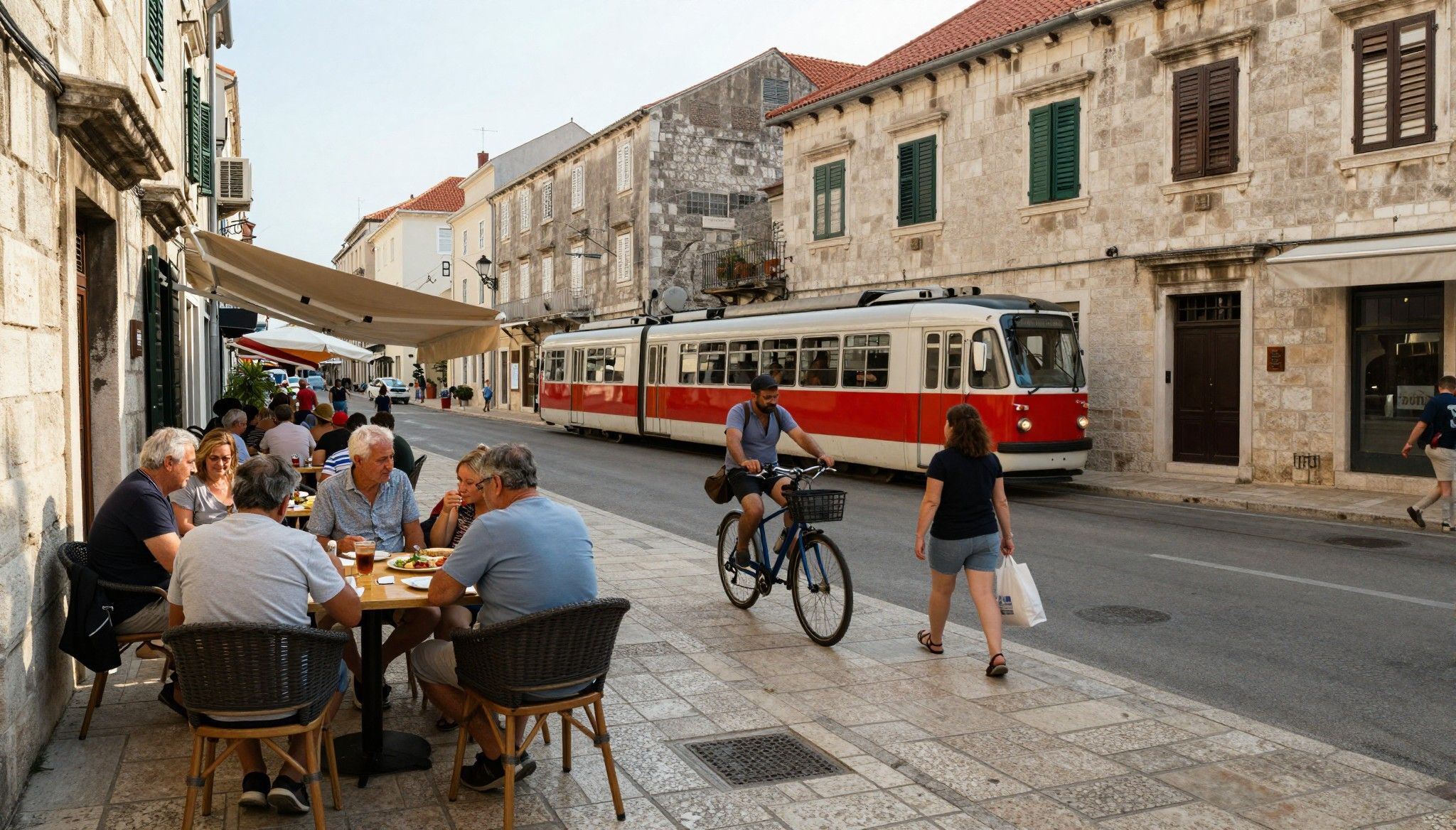
Weekend markets (Dolac in Zagreb, Pula’s local bazaars) and konoba dining anchor daily life; owners tell us tenants value proximity to markets and tram lines as much as sea views. Seasonality shapes social life: spring and autumn bring festivals and outdoor dining that extend occupancy beyond July–August, supporting mid‑term rentals and higher occupancy across more months.
- Lifestyle highlights: Dolac market (Zagreb); Tkalčićeva street cafés; Bacvice beach (Split); Rovinj old town walks; Truffle farms near Motovun; Opatija promenade and year‑round events.
Making the move: practical considerations
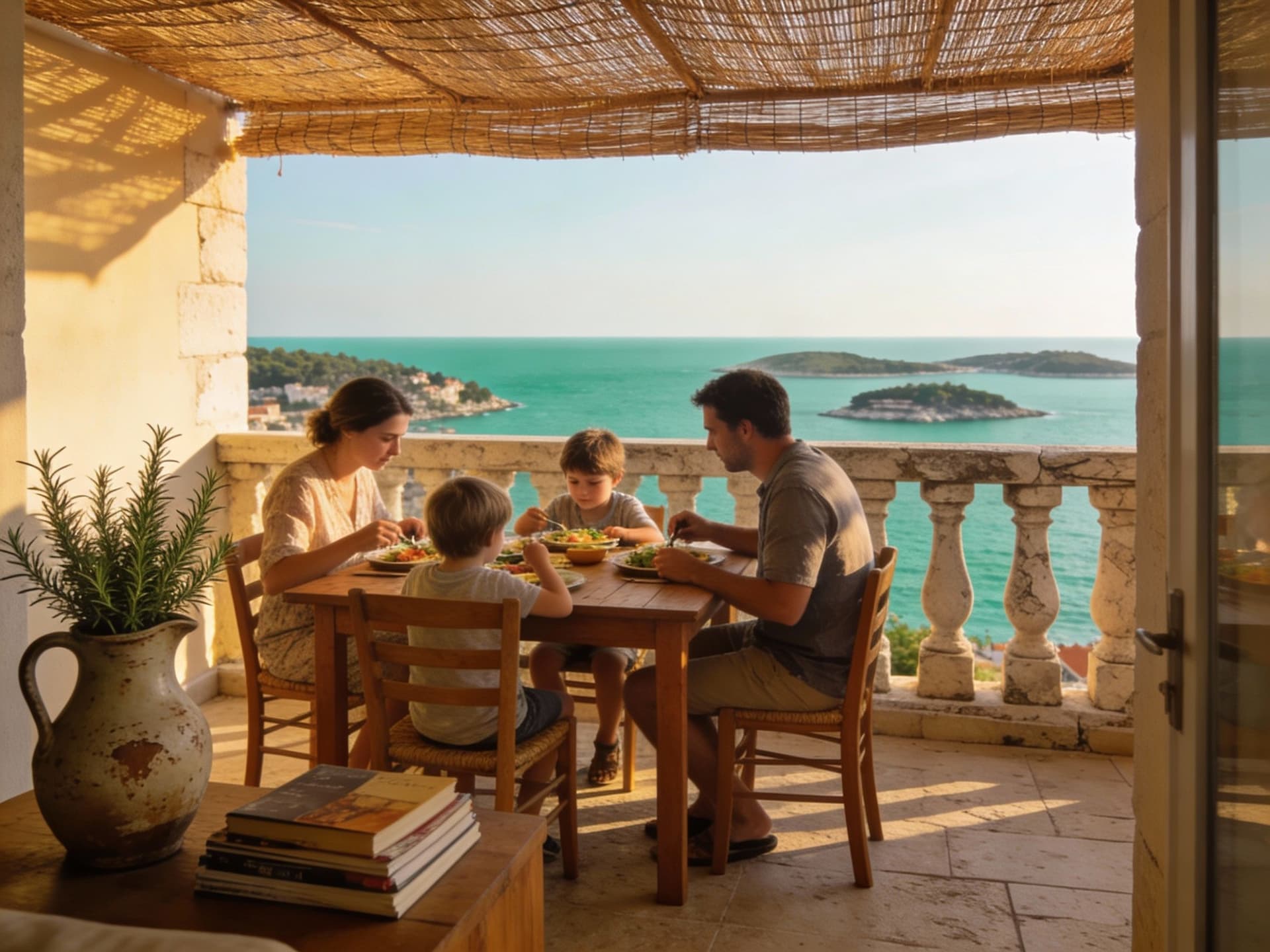
The lifestyle you want will determine the product you should buy. But pause: macro factors — tourism season extension, rising property taxation, and constrained coastal supply — materially affect yields and holding costs. Official visitor statistics confirm growth into shoulder months, which softens pure‑seasonal risk for investors. Use that to shape expected occupancy and rental rate assumptions.
Property types and how they perform
Stone village houses often appreciate slower but rent well to long‑stay guests seeking authenticity. Coastal apartments command premiums per square metre but require higher management and seasonal maintenance budgets. New builds in Zagreb and coastal towns attract professionals and longer leases, improving net yields even if headline prices are higher.
Working with local experts who know the rhythm
Local agencies and property managers are indispensable for matching lifestyle promise to financial reality: they translate neighborhood subtleties (which streets attract year‑round tenants), advise on realistic occupancy rates, and estimate running costs such as utilities, maintenance and the emerging property tax regimes that change holding costs.
- Step‑by‑step buyer checklist blending lifestyle and finance: 1) Define preferred lifestyle months and map markets with matching occupancy history; 2) Request historical monthly bookings and utility costs from managers; 3) Stress‑test returns with 60/30/10 seasonality scenarios (summer/shoulder/winter); 4) Factor in property tax and long‑stay exemptions where applicable; 5) Reserve 5–8% of gross rents for capex and furniture refresh each year.
Insider knowledge: what expats wish they’d known
Expats often arrive seduced by coastlines and underestimate the new tax and regulatory pressures aimed at rebalancing supply. Croatia signalled shifts in 2024–25 to tax vacant and short‑stay inventory differently; that affects returns and can make long‑term rentals comparatively more attractive. Knowing where local policy is headed materially alters asset strategy.
Cultural and seasonal realities that change value
Language is practical but not a barrier—services exist in English in major towns—yet local networks unlock the best deals. Seasonality means neighbours may rarely use a second home for six months; that affects community feel and long‑term maintenance. Buyers who build local relationships get earlier access to off‑market opportunities and better contractors for restorations.
Longer view: Croatia’s tourism growth into pre‑ and post‑season months (official data) supports a repositioning from pure summer play to a hybrid model — which benefits buyers who prioritise multi‑month occupancy and steady yields over headline high‑season rents.
- Red flags and real checks: ask for monthly bookings (not just annual totals); confirm who pays utilities in winter; check road access and year‑round services; verify historic occupancy for the exact unit; request recent invoices for property tax and waste management.
Picture the before/after: a quiet inland stone house that was empty ten months a year becomes a profitable long‑stay rental with modest renovation and targeted marketing to cycling and food tourists. The same capital in a flashy seafront apartment will spike in summer but needs high management fees and faces new taxes on short stays.
Conclusion — fall in love, but underwrite the romance. Croatia blends Mediterranean charm with shifting macro drivers: expanding tourism season, constrained coastal supply, and changing tax policy. Start with lifestyle clarity, demand verified monthly data, stress‑test returns under policy scenarios, and work with local agents who read both culture and cap rates. If you do, Croatia can be both a wonderful home and a disciplined addition to a global property portfolio.
Swedish financier who guided 150+ families to Spanish title deeds since relocating from Stockholm in 2012, focusing on legal and tax implications.