Croatia: Seasonality, Tax Shifts and Real Yield Trade‑Offs
Coastal romance meets fiscal reality: balance Croatia’s lifestyle appeal with seasonality, price per sqm and recent tax reforms to assess true net yields.
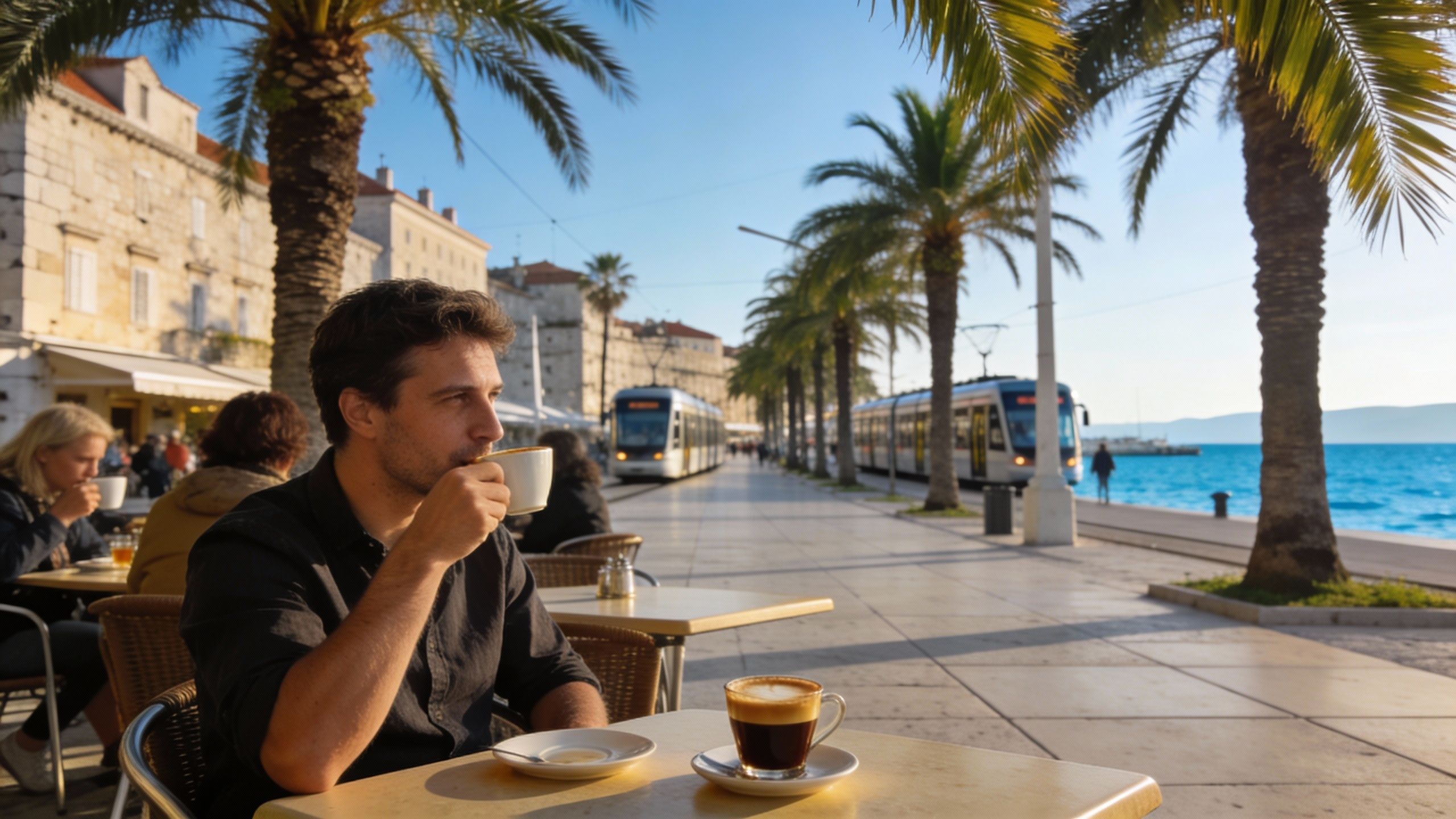
Imagine sipping an espresso on Split’s Riva at 8am, then cycling inland past olive groves to a quiet stone village where neighbours still greet each other by name. Croatia feels like two lives in one: a sun‑lit Adriatic coastline with cathedral spires and pebble beaches, and a quieter continental heartland of market squares, vineyards and oak forests. For international buyers this split personality creates both emotional pull and financial complexity — coastal rental demand spikes in summer while inland towns offer steadier, lower‑entry price points. Understanding the macro drivers behind these rhythms is the difference between a lifestyle purchase and a deliberate, data‑driven investment.
Living the Croatia lifestyle
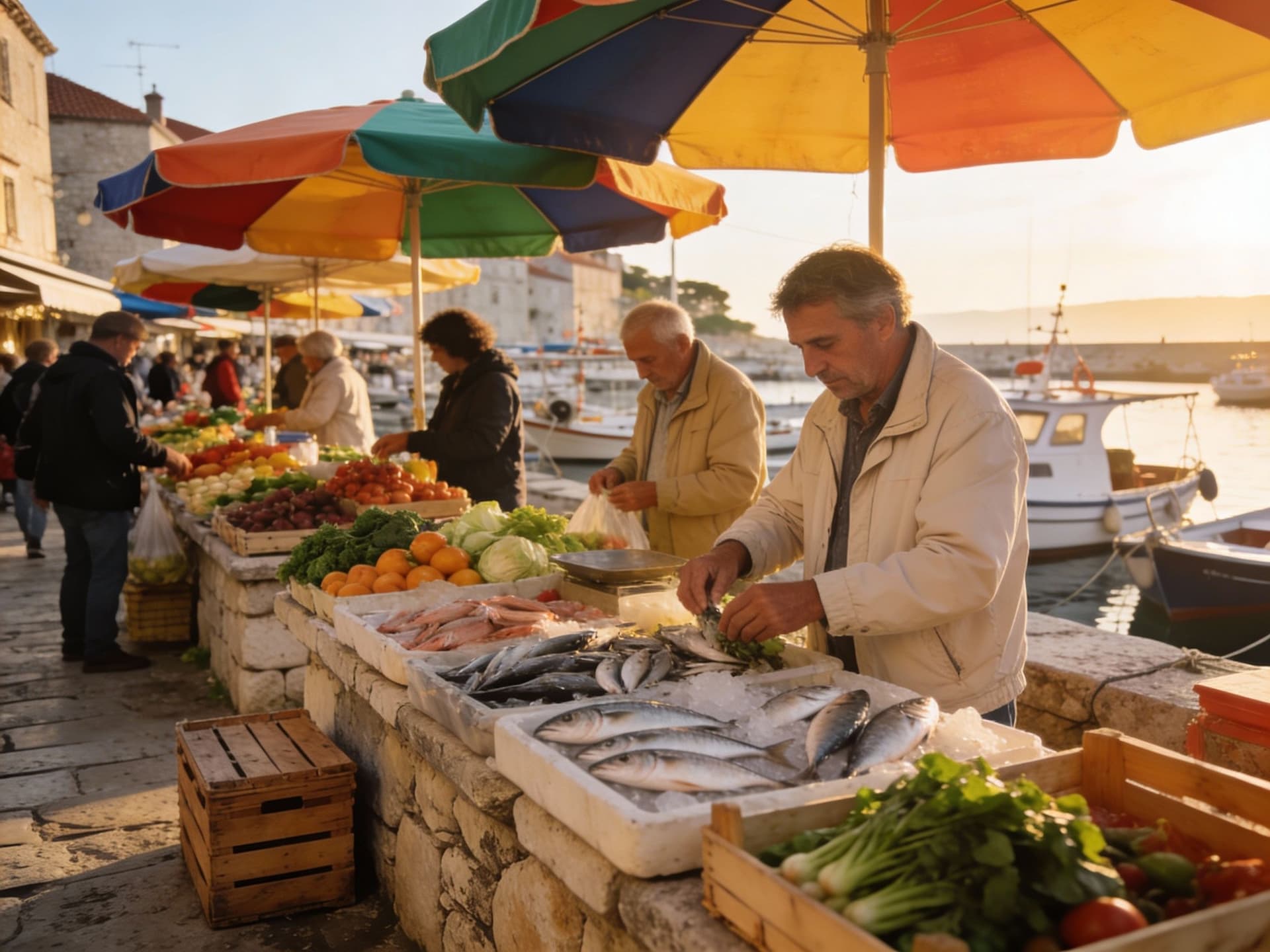
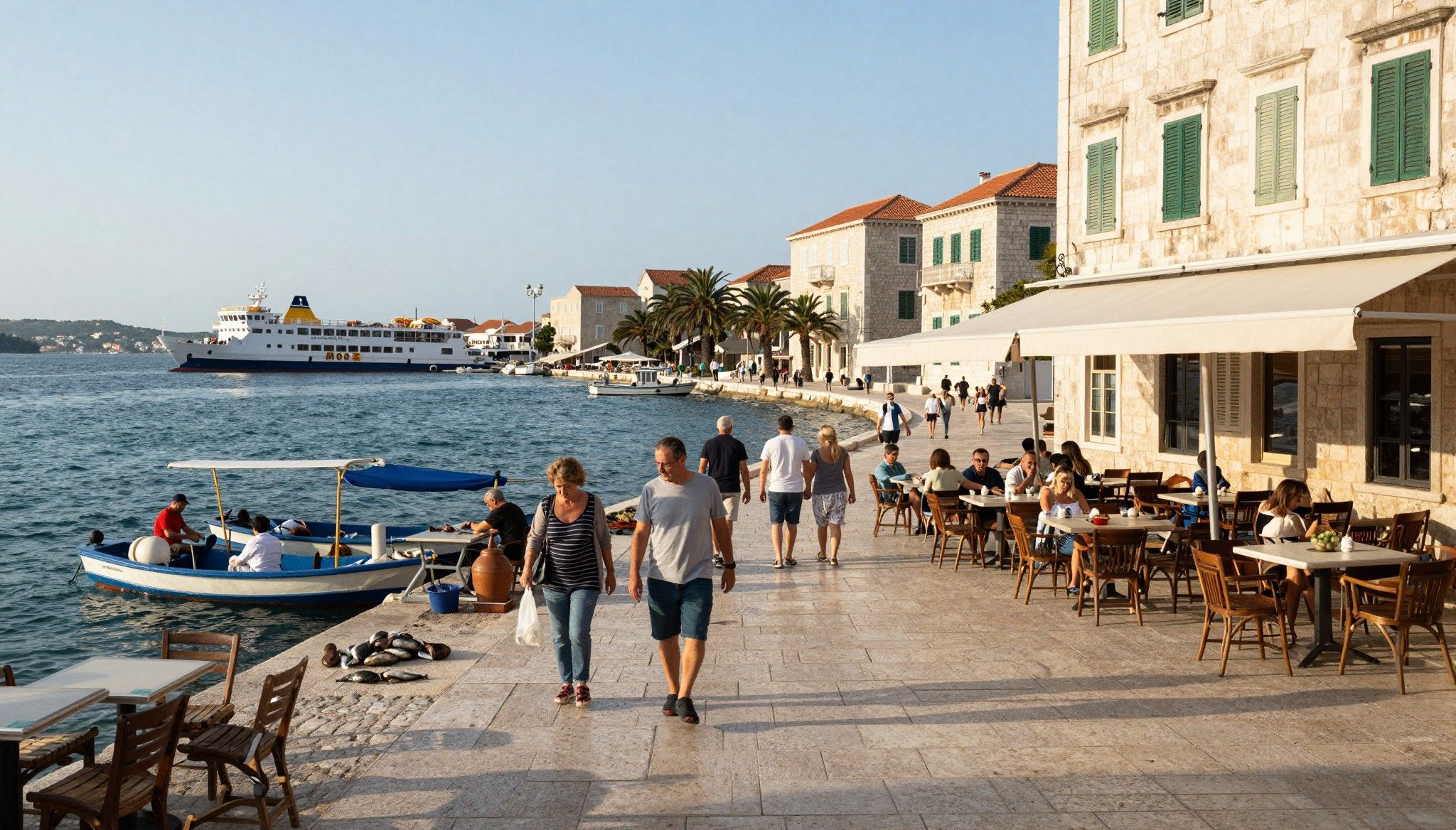
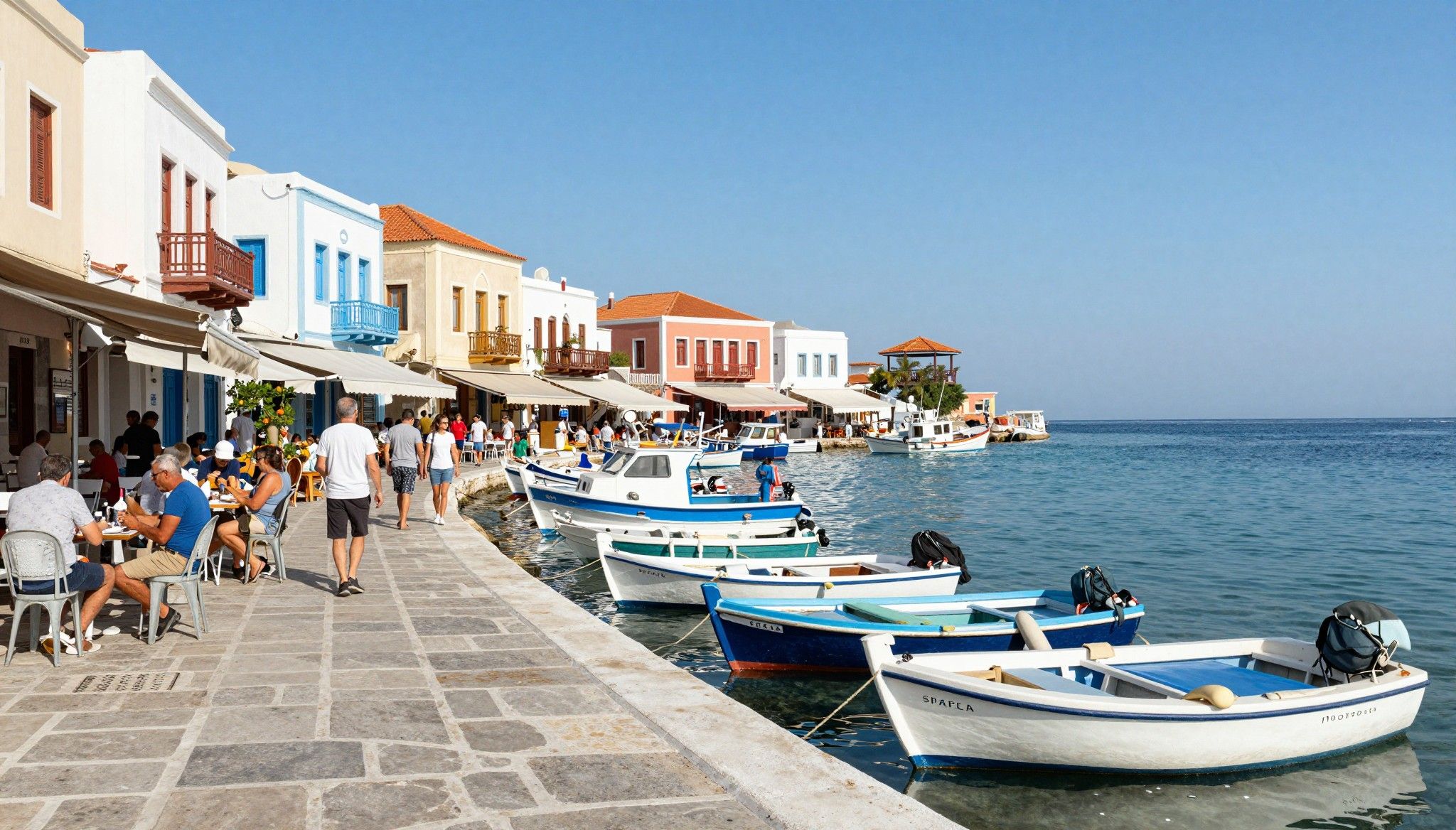
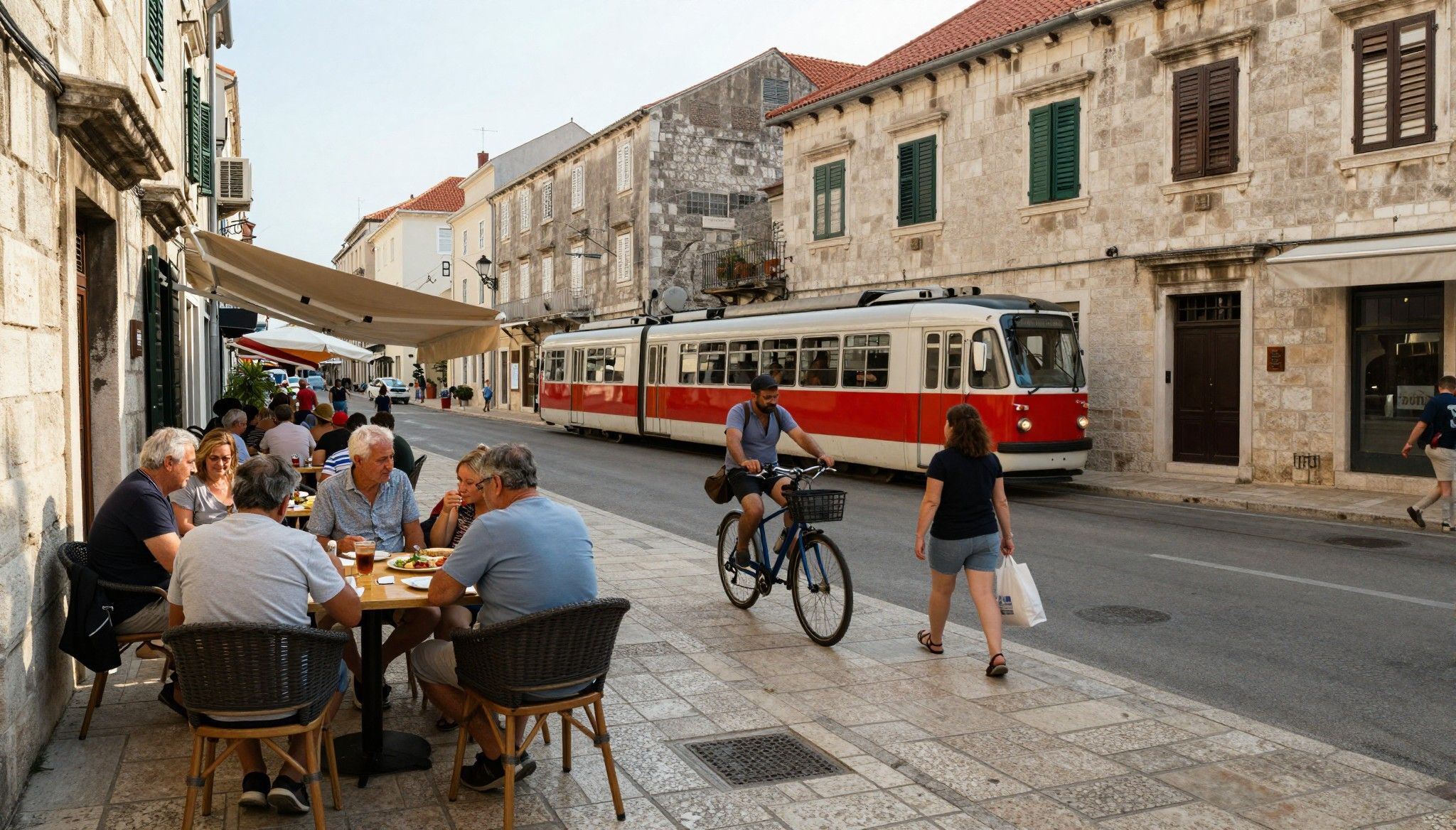
The everyday tempo in Croatia depends on where you land. Along Istria’s cobbled lanes or Dubrovnik’s walls the day begins with café talk and ends with seafood and local wine; in Zagreb it’s espresso, trams and city markets; in inland Slavonia life orbits the monthly market and family tavernas. Climate shapes choices: mild Mediterranean winters and long summers concentrate social life outdoors, while autumn harvests and winter festivals make inland towns unexpectedly vibrant. These cultural and seasonal patterns feed directly into occupancy patterns, valuation multiples, and the kind of tenants or buyers you’ll attract.
Coast vs. Continental: signature neighbourhoods
On the coast, neighbourhoods like Split’s Veli Varoš, Rovinj’s old town and Dubrovnik’s Ploče sell proximity to sea, restaurants and short‑stay demand; they command price premiums but face stronger seasonality. Continental pockets — Zagreb’s Lower Town, Osijek’s Tvrđa, Varaždin’s baroque centre — offer more year‑round rental stability and lower price per sqm. If you want a morning market and regular tenants, look inland or in university cities; if you want premium holiday income and capital upside, prime coastal streets deliver but with higher volatility. Street‑level nuance matters: a mezzanine on Marmontova in Split performs differently to a refurbished stone apartment two streets inland.
Food, festivals and seasonality as lifestyle capital
Local food culture and festivals are not just charming extras — they are demand multipliers. Truffle season in Istria, the Dubrovnik Summer Festival and Zagreb’s Advent attract higher‑spend visitors and extend booking windows beyond July–August. Croatia recorded 20–21 million tourist arrivals with over 100 million nights in recent years, a trend pushing hostels, boutique hotels and private rentals into year‑round revenue models. For lifestyle buyers this means your neighbourhood’s calendar—markets, festivals, ferry schedules—directly affects achievable rents and occupancy.
- Coastal morning routine: espresso on the quay (Split Riva), bakery stop (Pula), afternoon swim at Bačvice or Zlatni Rat, evening seafood and sunset promenades.
- City life: Zagreb’s Dolac Market, tram commutes, craft coffee on Tkalčićeva, cultural nights at Croatian National Theatre.
- Rural week‑ends: weekend marché vibes in Slavonia, vineyard harvests in Plešivica, olive‑press visits in Istria.
Making the move: practical considerations
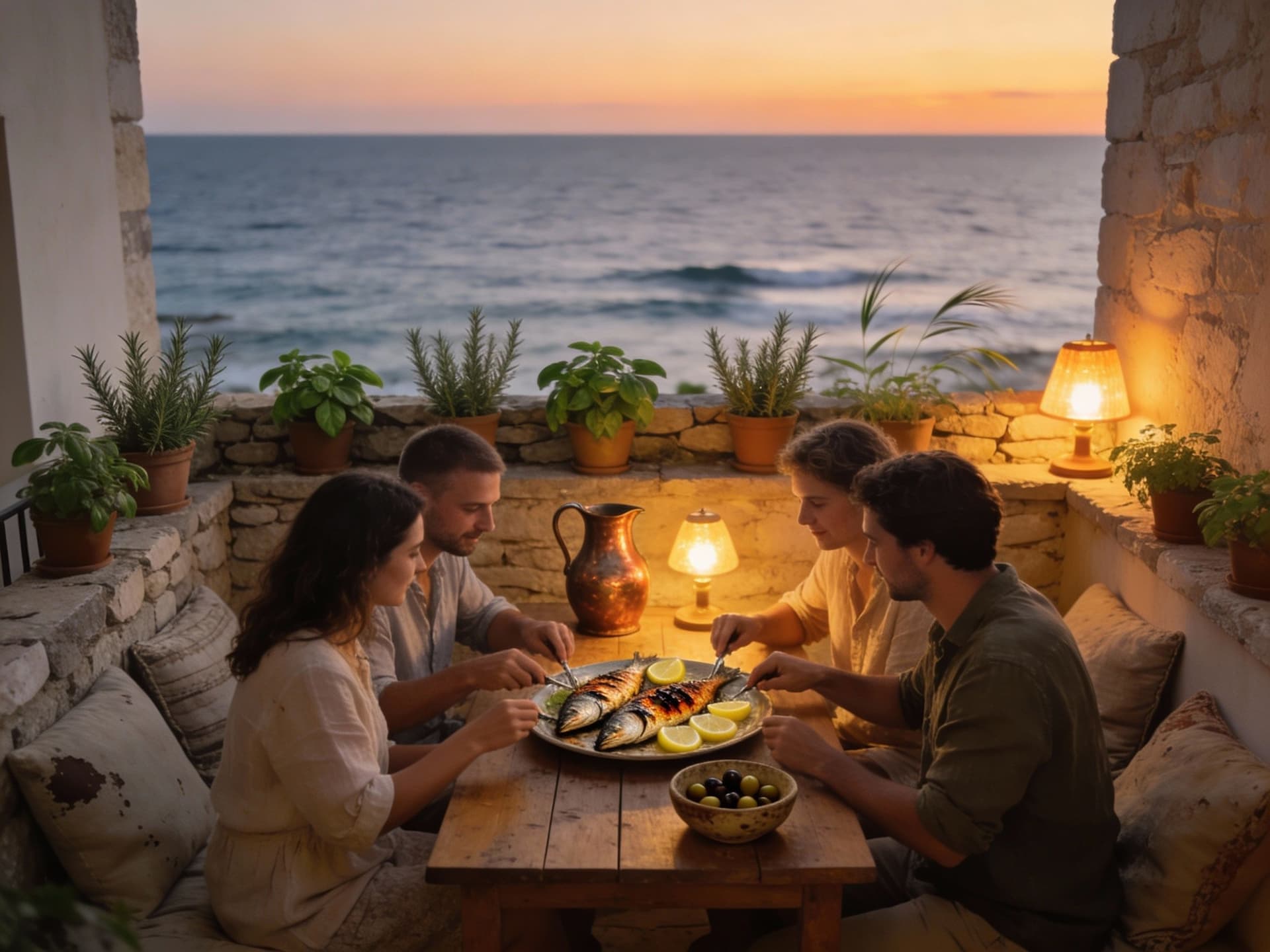
Dreams set direction; data funds decisions. Recent property price maps show a strong coastal premium with Zagreb and prime Adriatic towns at significantly higher €/sqm than inland areas. Buyers must balance purchase price per square metre, expected gross yield, vacancy seasonality and local taxes when forecasting net returns. A key macro development to watch: Croatia’s recent property tax reforms aim to shift fiscal burden onto real estate holdings to curb speculative short‑term letting and free up long‑term rentals — that reform alters holding costs and expected net yields.
Property styles and what they deliver
Restored Dalmatian stone houses offer unique rental appeal but higher refurbishment budgets; new builds in Zagreb provide predictable maintenance and easier financing. Price per sqm varies — prime coastal pockets can be 25–50% above national averages — so square‑metre economics will determine whether a sea‑view adds capital or eats yield. Consider total cost of ownership: utilities, insulation for winter months, management fees for short‑stay platforms and restoration budgets for protected historic properties.
Working with local experts who know the rhythm
How to blend lifestyle and financial checks when choosing a neighbourhood:
- Visit out of season to test year‑round life and services; verify public transport, grocery access and medical care.
- Run a conservative yield model: use 50–70% of peak summer nightly rates and factor 30–40% operational costs for short‑stay to estimate net yield.
- Ask agents for historic occupancy data (3–5 years) and sample contracts from local property managers to confirm assumed turnover and pricing.
Insider knowledge: what expats wish they'd known
Expats say the coastal romance is real — but so are micro‑problems: ferry timetables, summer noise, and local regulations that vary by municipality. Many underestimated the frequency of maintenance in older stone homes and the management intensity of short‑stay letting. Others missed how quickly inland university towns produce steady tenant pools, or how Zagreb’s growing tech scene lifts mid‑range rents and reduces vacancy.
Cultural integration and daily life
Learning basic Croatian pays dividends: landlords who use local language in contracts and neighbourly relations avoid friction and speed approvals. Community life — church fêtes, market days, and neighbourhood kafanas — creates social capital that protects long‑term occupancy and attracts repeat visitors. Expect bureaucracy to move at local pace; patient, data‑driven planning and a reliable local advisor shorten timelines and avoid costly surprises.
Long‑term perspective: growth vectors and risks
Key macro drivers: tourism growth, EU membership benefits, improved transport links and proposed property taxation reforms. Tourism figures indicate growing pre‑ and post‑season activity, which reduces pure summer risk, but tax changes targeting vacant and short‑stay stock increase holding costs for speculative owners. Balanced portfolios that mix coastal short‑stay assets with city or continental long‑let properties reduce volatility and preserve lifestyle flexibility.
- Quick risk checklist for Croatia buying: local tax changes, seasonality of demand, maintenance budgets for historic stock, access to reliable property management, and ferry/transport seasonality.
Conclusion: Croatia rewards buyers who pair affection with analysis. The Adriatic offers rare lifestyle returns — seafood by the quay, island weekends and sun‑drenched terraces — but those pleasures must be measured against price per sqm, occupancy cycles and evolving tax rules. Visit outside peak months, collect occupancy histories, run conservative yield scenarios and work with agents who understand both emotional drivers and the spreadsheets. Do that, and you can own a piece of Croatia that feels like home and performs like an investment.
Norwegian market analyst who relocated from Oslo to Mallorca in 2016, guiding Northern buyers through regulatory risk, currency hedging, and rentability.