When Cyprus’ coastal price tag hides yield signals
Cyprus’ tourism rebound and coastal demand mask both yield upside and hidden running costs; model street rents, seasonality and utility risk to convert lifestyle into defensible returns.
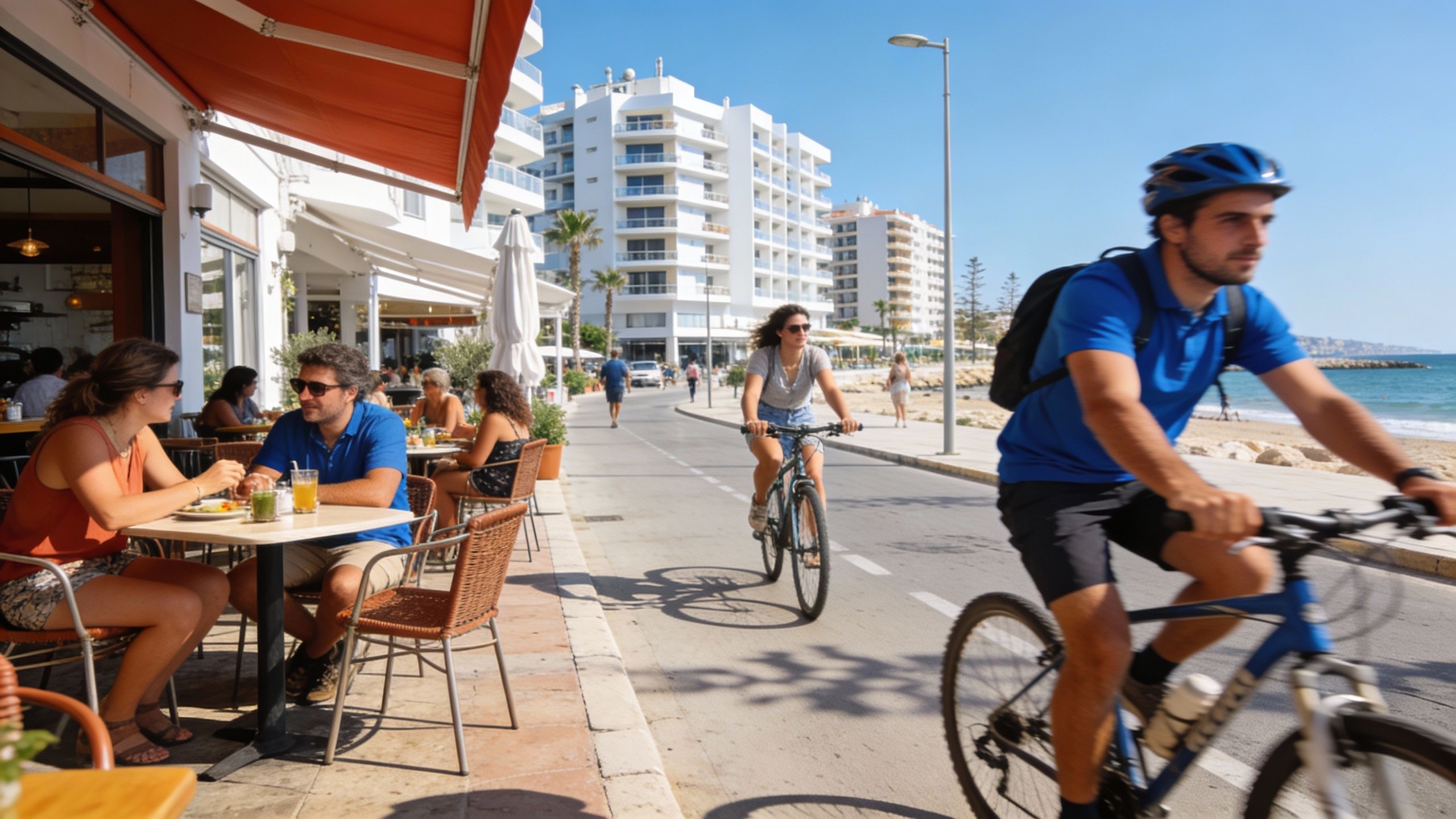
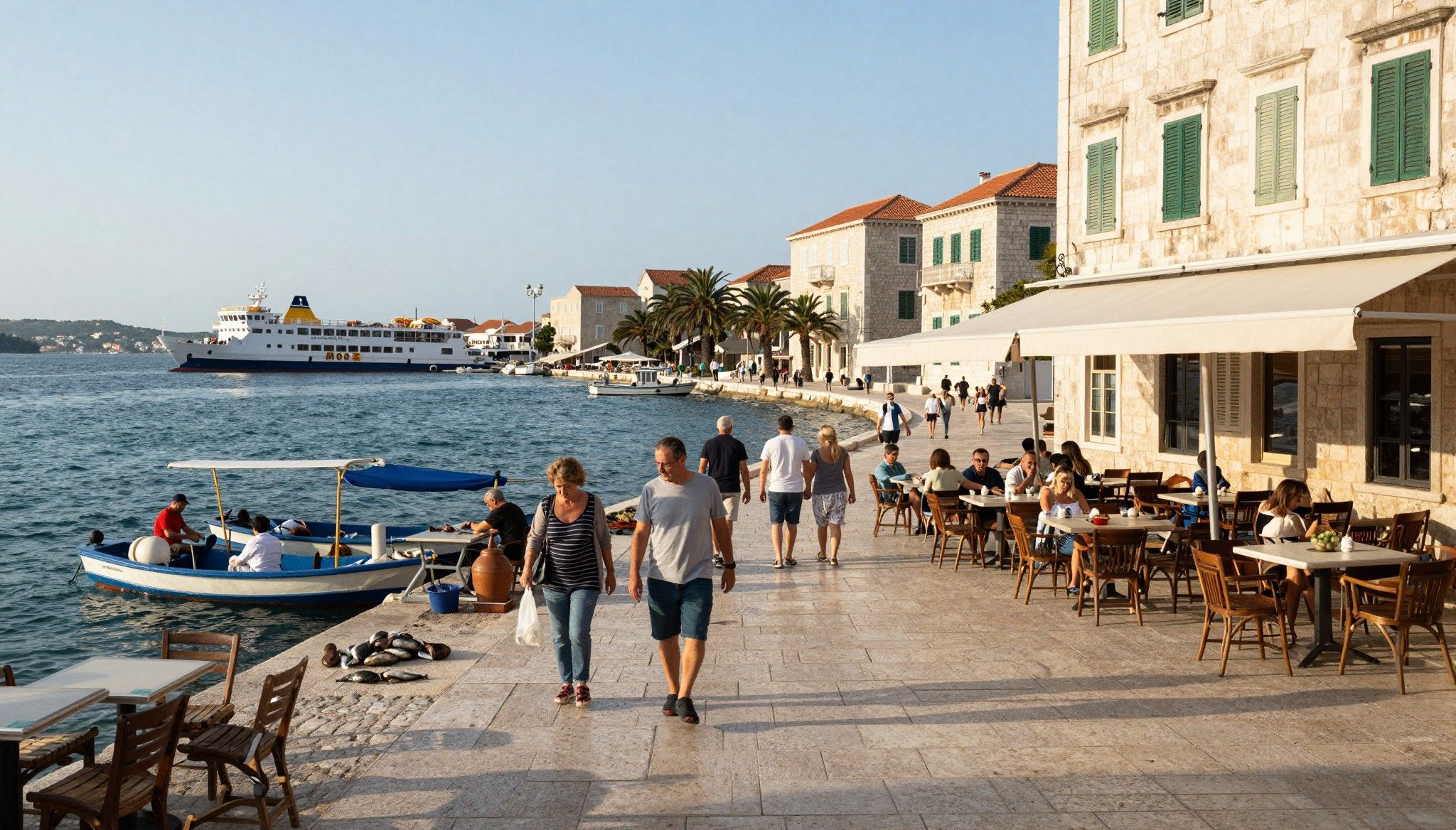
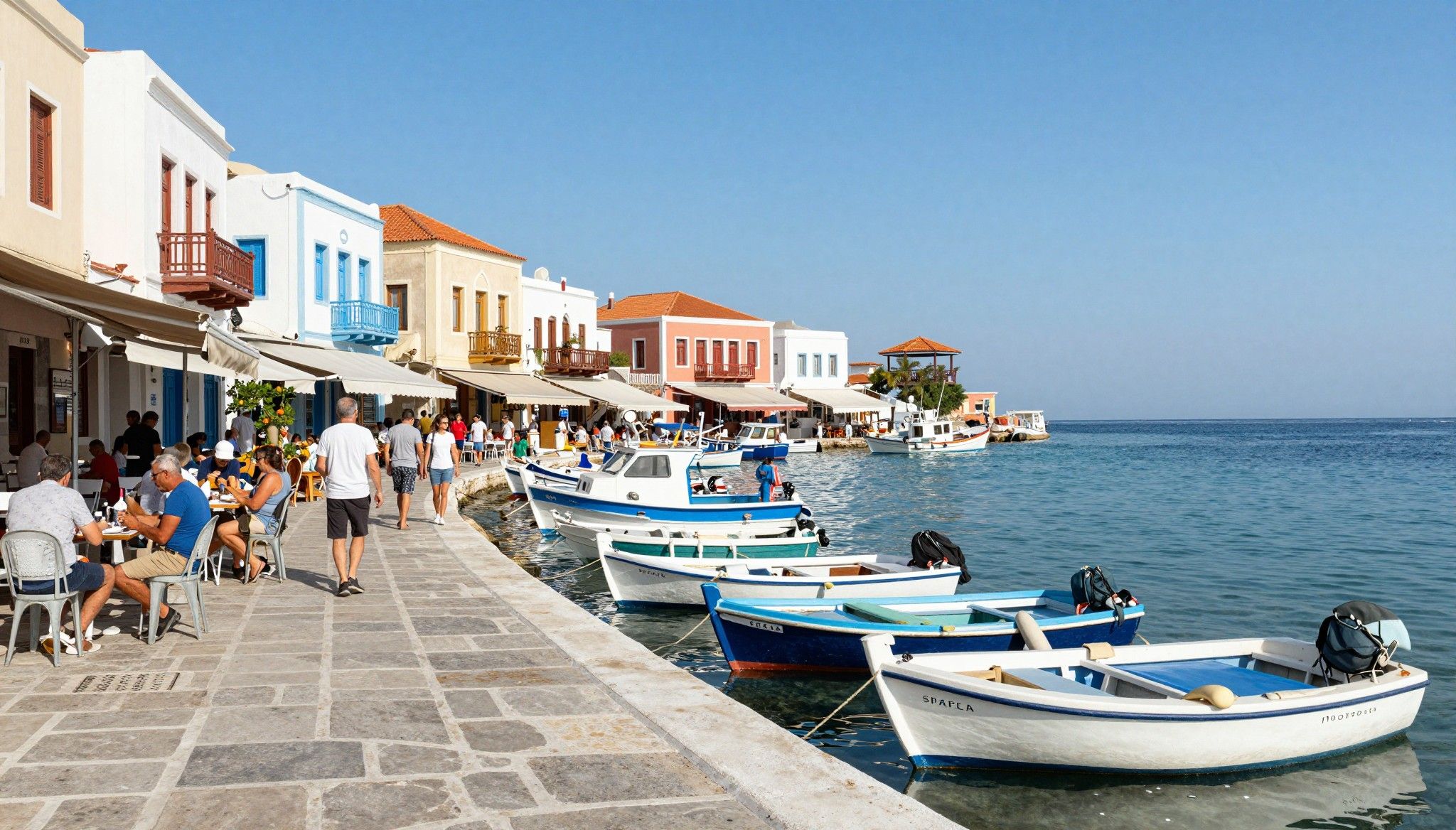
Imagine sipping espresso on Limassol’s Molos promenade at 9am, watching rental-ready holiday apartments turn over for the day and local fishing boats glide past. Cyprus feels simultaneously Mediterranean-slow and entrepreneurial-fast: village bakeries and beachfront cofeshops coexist with growing short‑stay demand and improving transport links. That tension — sunlit lifestyle versus data‑driven demand — is where smart international buyers find opportunity.
Living the Cyprus lifestyle
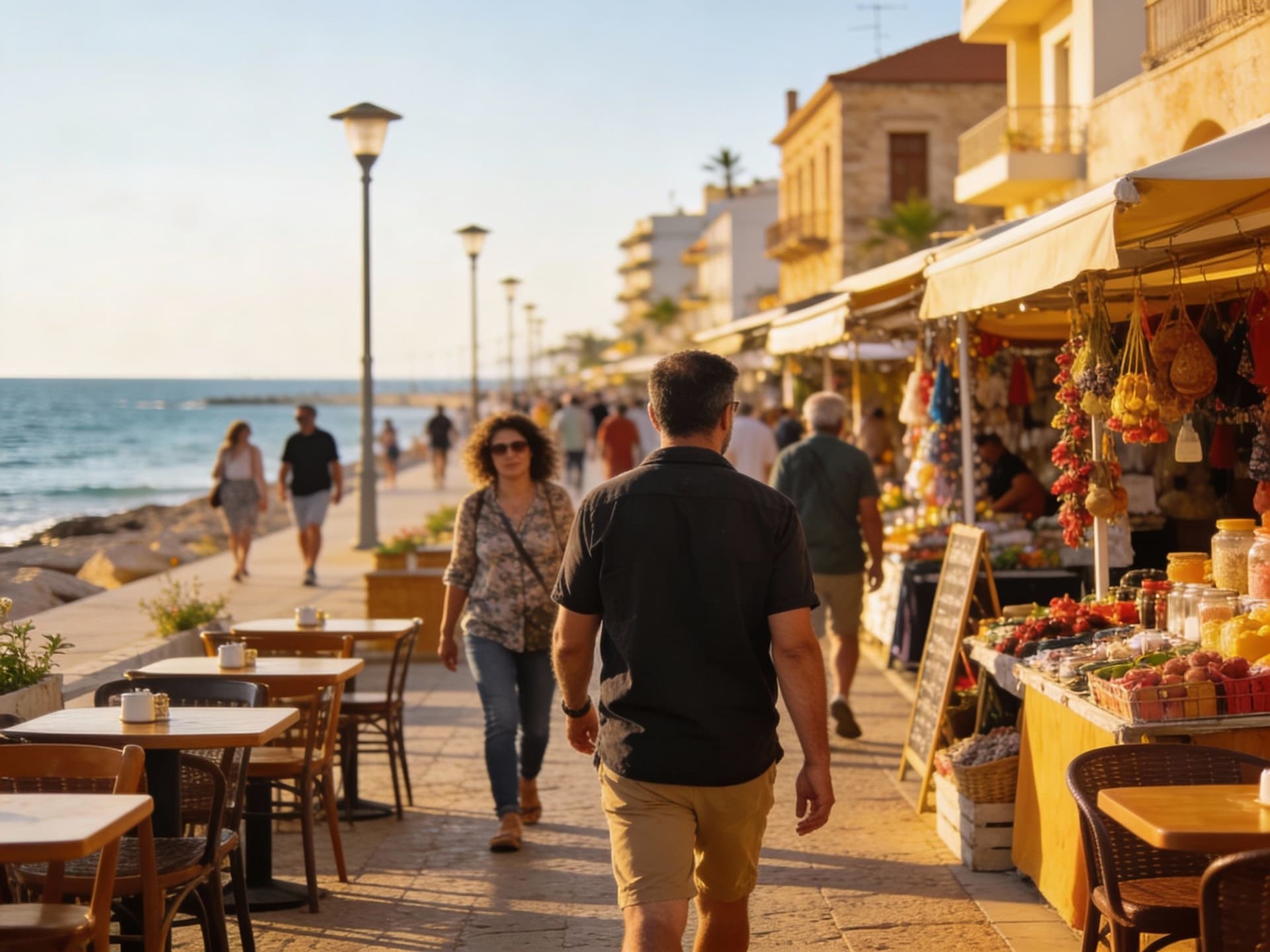
Cyprus is day‑to‑day Mediterranean living: late breakfasts in Nicosia’s old town, shrimp meze in Larnaca, weekend hikes in the Troodos mountains, and long beach afternoons in Paphos. English is widely spoken, local markets are weekly rituals, and neighbourhood life is tactile — you learn the barista’s name, the best fish stall and which bakery has the crispest halloumi. These rhythms shape what tenants want and how properties perform.
Limassol, Larnaca, Paphos: three different coastlines
Limassol is cosmopolitan and development‑led — international schools, corporate offices and a nightlife pull a year‑round tenant base. Larnaca combines convenience and affordability, strong for long‑stay rentals and families. Paphos skews tourism and seasonal short stays but has pockets of stable, year‑round demand in parts of Kato Paphos and Kamares. Which coast you choose changes rental seasonality, refurbishment needs and yield expectations.
Food, festivals and everyday places that matter
Weekends are market days in Limassol’s Municipal Market; evenings belong to taverna‑packed lanes in Ayia Napa during summer and to intimate wine bars in the old town of Nicosia. Festivals — local feast days and the international arts season in Limassol — stretch demand beyond July and August. These lifestyle anchors create predictable rental peaks and off‑season holes you must underwrite when modelling returns.
- Lifestyle highlights that influence property choice:
- Limassol’s Molos and Akti Olympion for year‑round waterfront rents
- Larnaca's Finikoudes strip and suburban family neighbourhoods near Saint Lazarus
- Paphos’ Kato Paphos for tourist footfall; Tala for quieter, long‑stay expatriate demand
Making the move: practical considerations
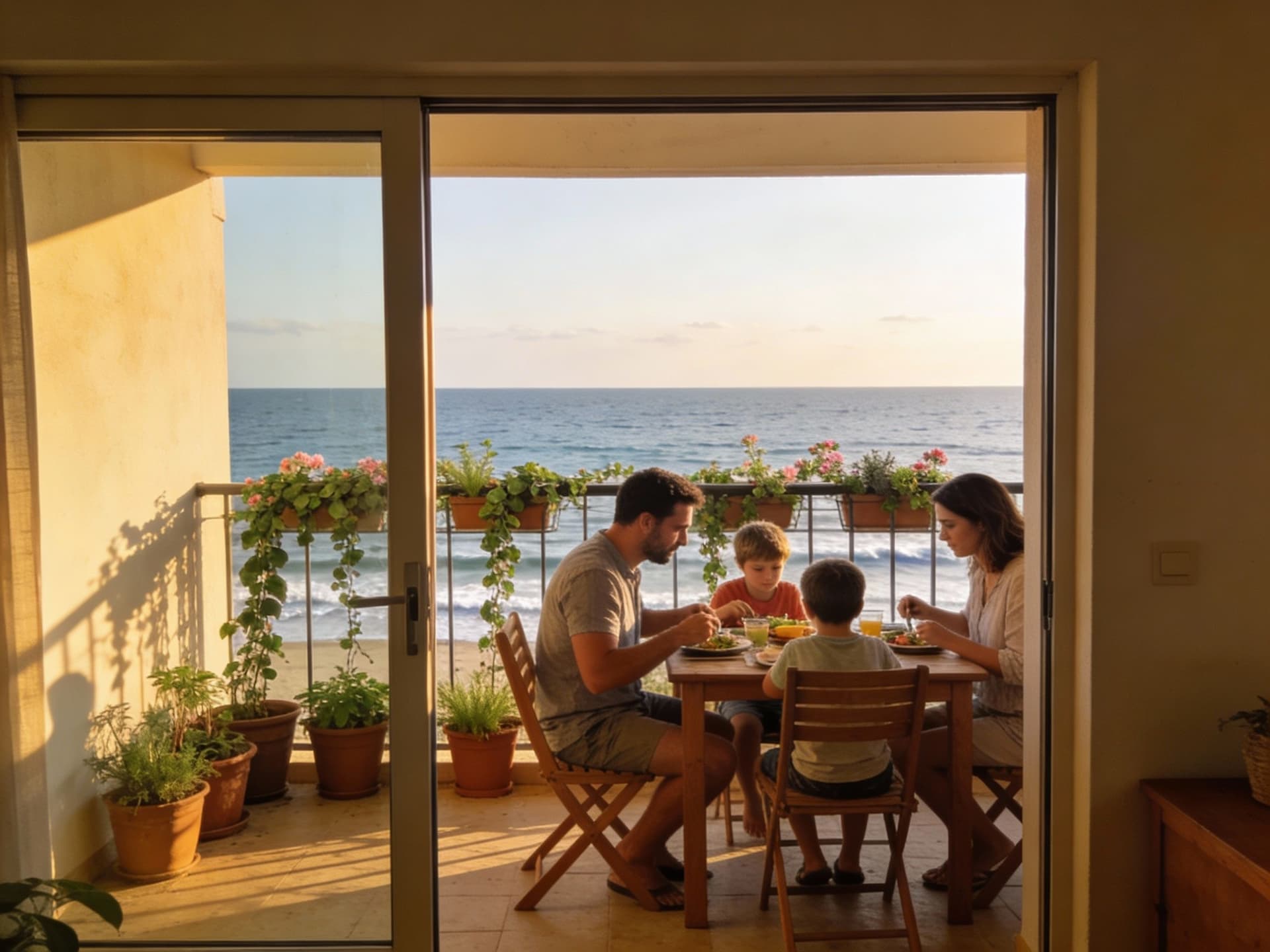
The island’s 2024 rebound — over 4 million tourists recorded — matters for cash flows. More visitors mean stronger short‑stay demand and higher seasonal peak rents, but also higher operating costs, harder vacancy management and local infrastructure pressure. Treat tourism growth as a variable, not a guarantee: it lifts topside revenue but increases landlord responsibilities and capex needs.
Property types and how they map to lifestyle returns
Modern seafront apartments deliver easy short‑stay conversion and management scale. Traditional village houses (in Omodos or Platres) appeal to long‑stay expatriates seeking tranquility and often need renovation — plan for structural and insulation upgrades for winter comfort. New build gated complexes reduce maintenance headaches but carry price premiums that compress gross yields.
Local experts who match lifestyle to yield
Work with agents who know seasonality, service‑charge ranges, and tenant archetypes (holiday, corporate, long‑stay expat). Ask them for street‑level rent-led comps — not just headline prices — and for utility, municipality and water‑supply risk notes (water stress has prompted desalination policy changes). Local forensic knowledge cuts renovation budgets and helps price in unglamorous but necessary fixes.
- How to test a Cyprus property’s lifestyle‑to‑yield fit:
- 1) Map tenant types by month (tourist vs year‑round) and stress‑test vacancy at 25% of peak season.
- 2) Obtain street‑level rent evidence for 12 months and compute net yield after service charges and short‑stay platform fees.
- 3) Add a 5–10% contingency for infrastructure‑related operating costs (water, waste, seasonal staffing).
Insider knowledge: what expats wish they'd known
Short stories beat theory: investors who bought in Limassol’s older blocks and invested €15–25k in energy, water and soundproofing saw occupancy rise and better tenant quality. Conversely, buyers who relied solely on summer bookings discovered high management fees and infrastructure headaches. Macro tailwinds — a resilient economy and tourism growth — exist, but local service capacity and utilities can create hidden running costs.
Cultural integration and everyday living
English is widely used in business and in hospitality sectors, but learning basic Greek opens doors with tradespeople and neighbours. Weekday rhythms centre on cafes and municipal services; Sundays are slower and centred on family gatherings. These social patterns affect when inspections, renovations and viewings can realistically be scheduled.
Long‑term lifestyle: how places change
Expect incremental densification near ports and major beaches, and continued investment in airport capacity and tourism infrastructure. That supports capital appreciation in well‑connected coastal strips, but can also push service charges and municipal levies higher. Model both rental upside and rising holding costs when forecasting multi‑year returns.
- Red flags to check before you bid:
- Unresolved water or sewage upgrades in the building (ask municipality records).
- High, unexplained service charges or special assessments in last 3 years.
- Street‑level rents that are 20% below advertised short‑stay rates — evidence of unsustainable pricing.
Conclusion: Cyprus sells a lifestyle but pays out in numbers. Use the island’s tourism rebound and stable growth outlook as upside assumptions, not certainties. Start with neighbourhood‑level cash flow models, verify street rents for twelve months, and budget for local infrastructure and seasonal management costs. That way you buy both the sea breeze and a defensible return.
Dutch investment strategist who built a practice assisting 200+ Dutch clients find Spanish assets, with emphasis on cap rates and due diligence.