Cyprus’s Quiet Yield: Tourism, Supply and Underwriting
Cyprus’s lifestyle draws buyers, but yields follow tourism, supply limits and infrastructure risks; stress‑test occupancy, factor water costs, and prioritise amenity‑proximate properties.
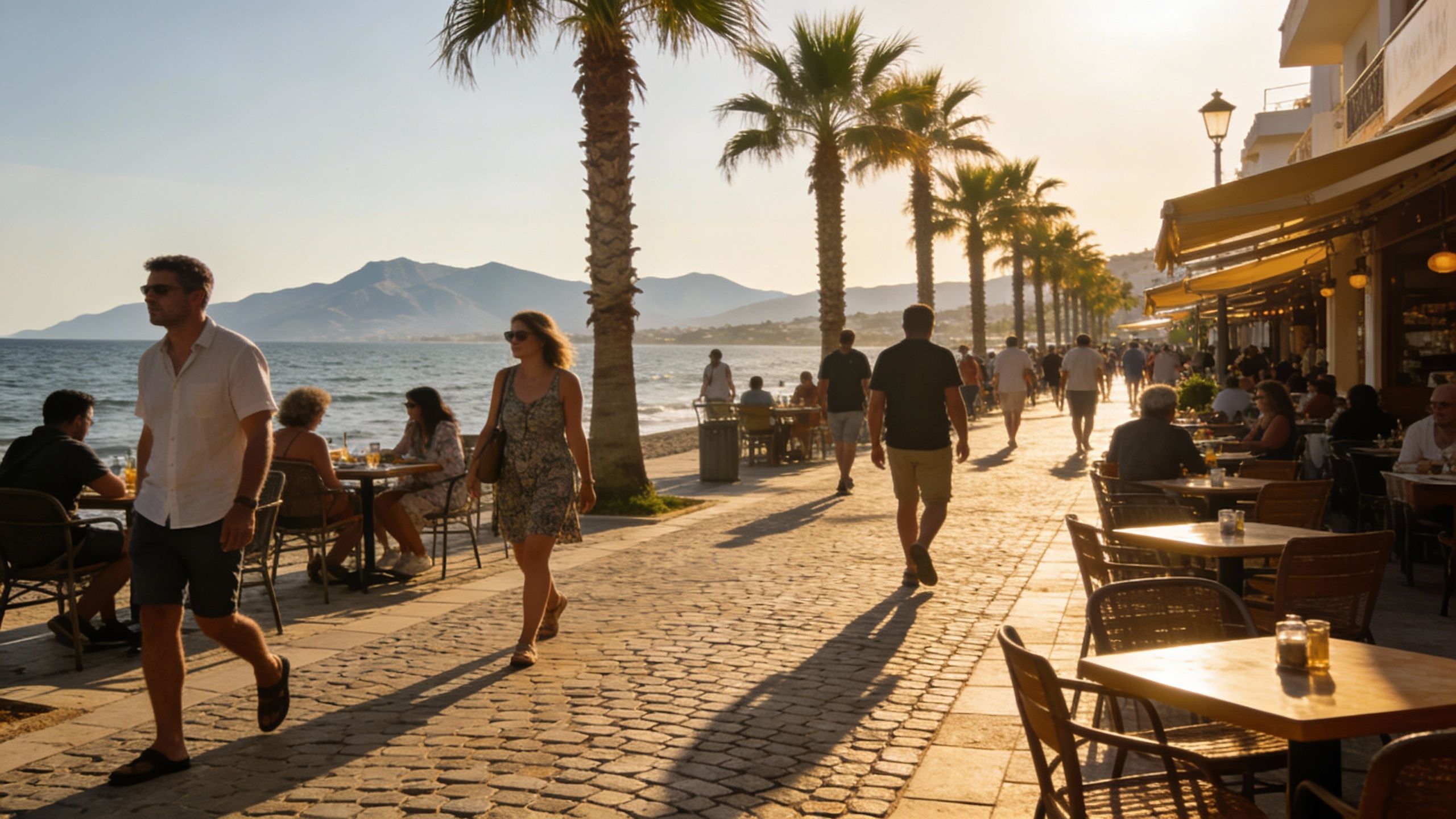
Imagine walking from a sun-washed café on Limassol’s Makarios Avenue to a riverside bar in Old Nicosia by evening — that contrast between coastal bustle and quietly lived-in interior villages is Cyprus’s everyday. Beneath the postcards and mezze lies an overlooked investment story: steady tourism-led demand, rising house prices inland, and rental dynamics that reward local nuance more than headline seaside glamour. This piece untangles the macro drivers — tourism, fiscal strength, and housing supply — that shape yields and capital growth for international buyers. Source snapshot: IMF analysis and national tourism statistics point to resilient growth and record visitation in 2024–25.
Living Cyprus: sunlit mornings, layered neighbourhoods
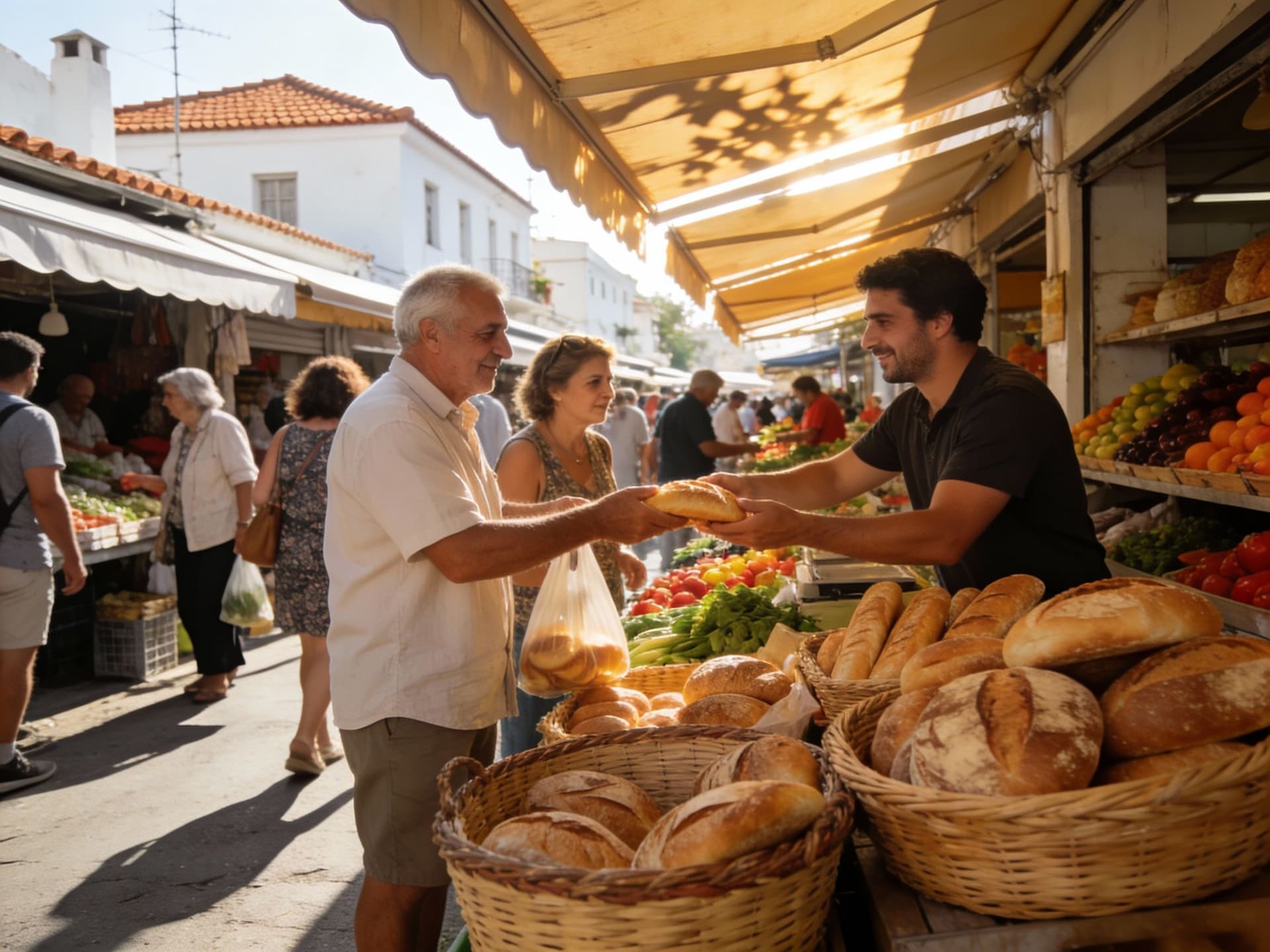
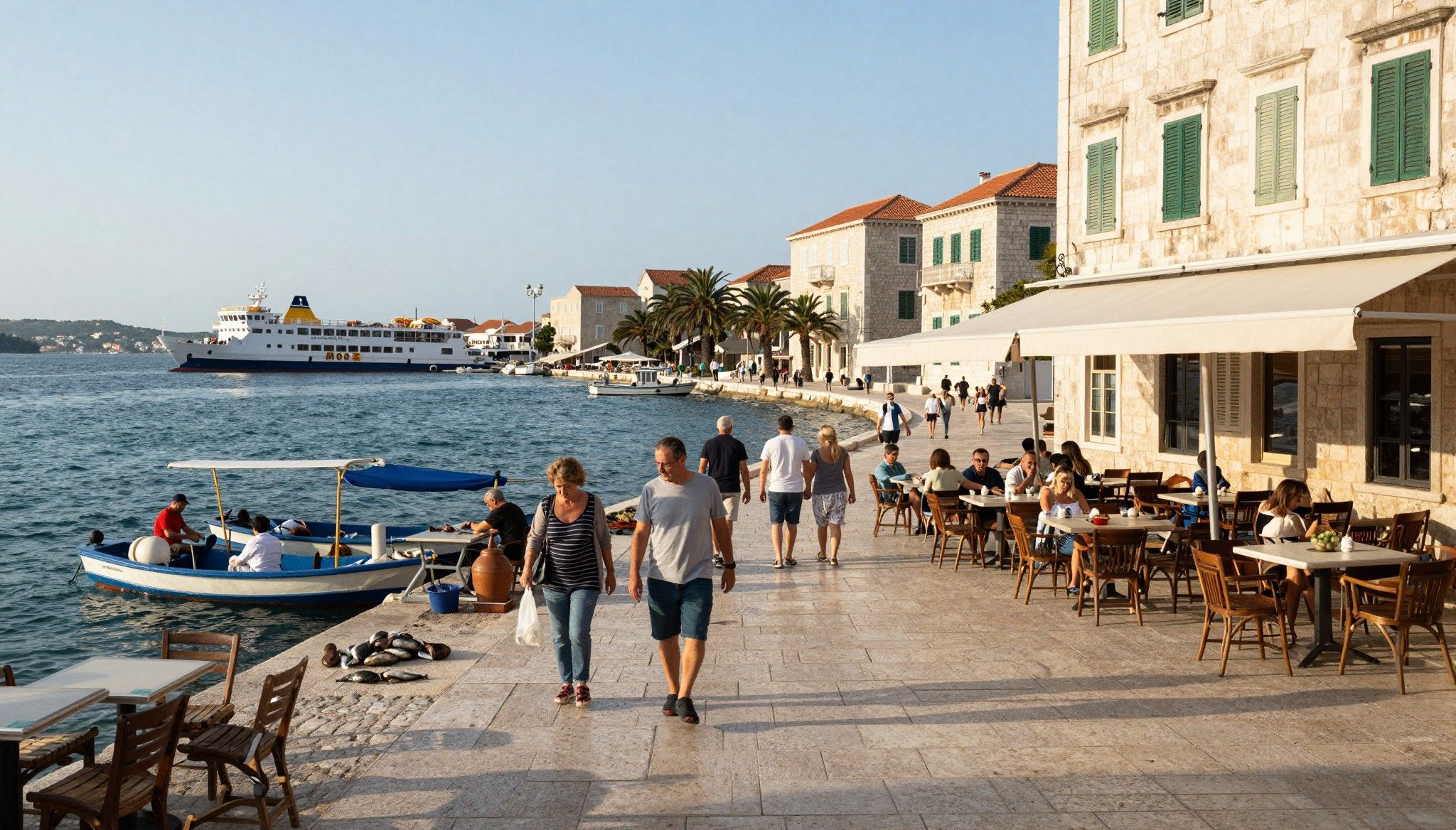
Mornings in Limassol begin with bakeries on Anexartisias Street and office-bound commuters mixing with English and Russian conversation. Afternoons slide to beaches at Lady’s Mile; evenings move inland to Agios Athanasios for tavernas and small‑scale apartment living. Across the island, tourism growth (over 4 million visitors in 2024) keeps coastal demand elevated seasonally, while domestic migration and family preferences push longer-term demand toward suburban and village houses. These rhythms matter: nightly tourist spikes and year-round resident demand create distinct rental windows and cap‑rate profiles.
Makarios Avenue to Old Nicosia: signature neighbourhoods
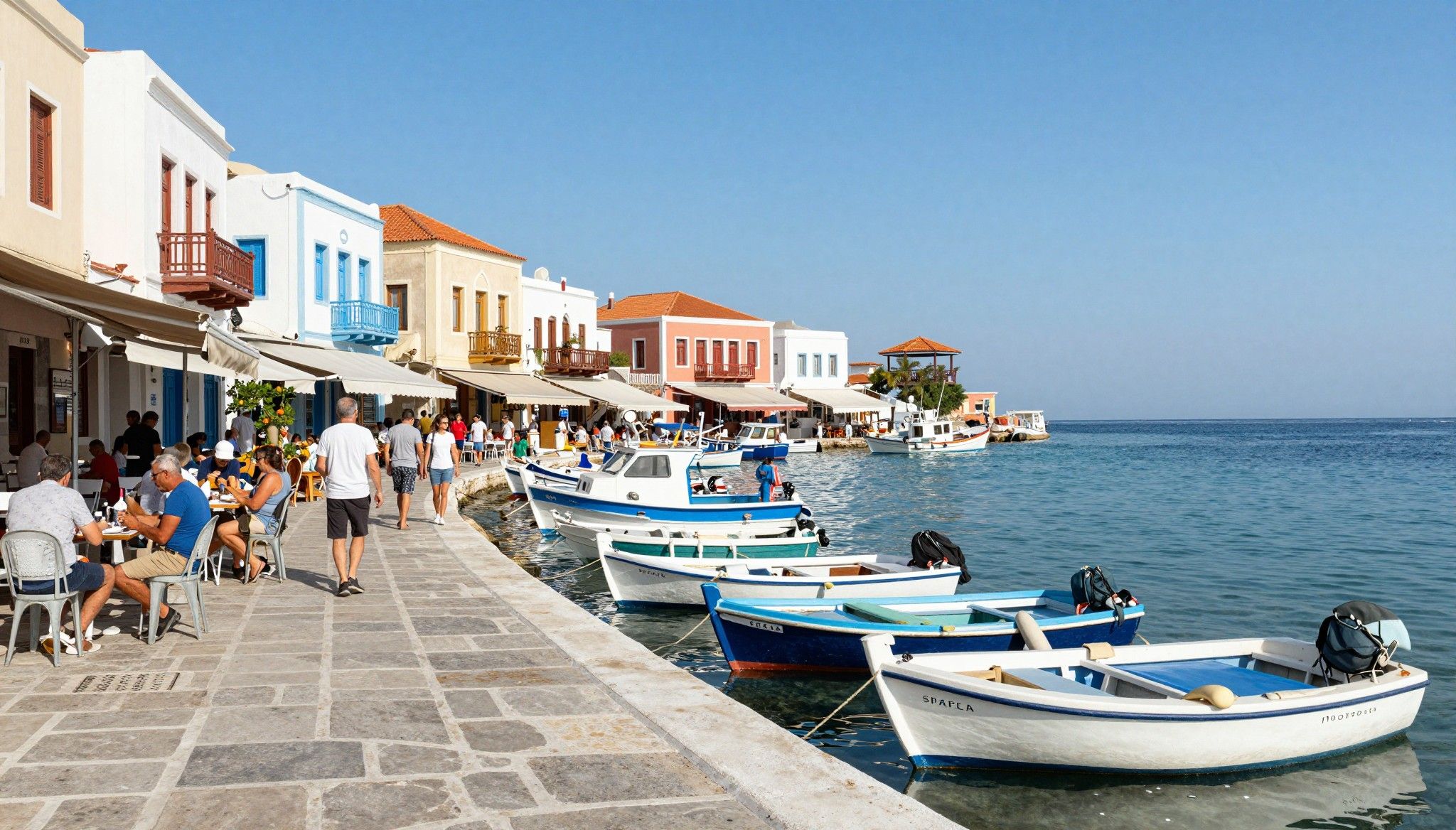
Limassol’s seafront and Old Town offer short-term rental liquidity and premium per‑sqm pricing. Paphos and Ayia Napa stretch seasonal peaks into investment opportunities for holiday lets. By contrast, suburbs like Lakatamia (Nicosia) and Tala (Paphos district) attract families and longer leases, stabilising net yields. Knowing which neighbourhood supplies tourists vs. long‑staying renters changes underwriting assumptions — occupancy, management costs and permitted use under local regulations.
Food, markets and micro-location value
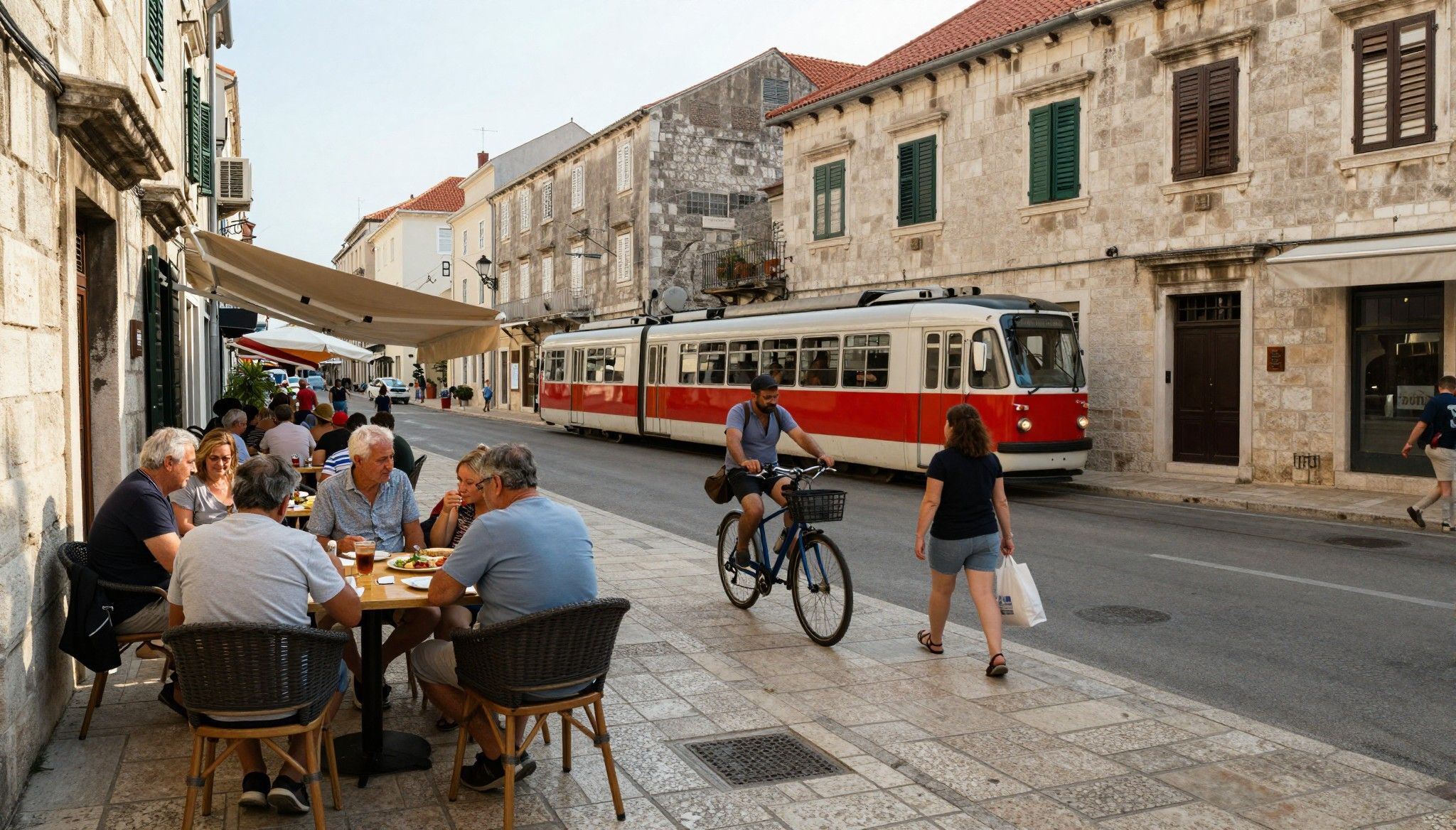
Picture Saturday at the Ledra Market in Nicosia or the small fish stalls at Larnaka’s Finikoudes — local amenities drive daily rents more reliably than ocean views. Properties two to five minutes from markets, bakeries, or reliable bus routes command higher weekday occupancy from residents and remote workers. For international buyers, proximity to supermarkets, clinics and international schools often trumps panoramic vistas when modelling long‑term rental yields.
Making the move: practical considerations tied to macro drivers
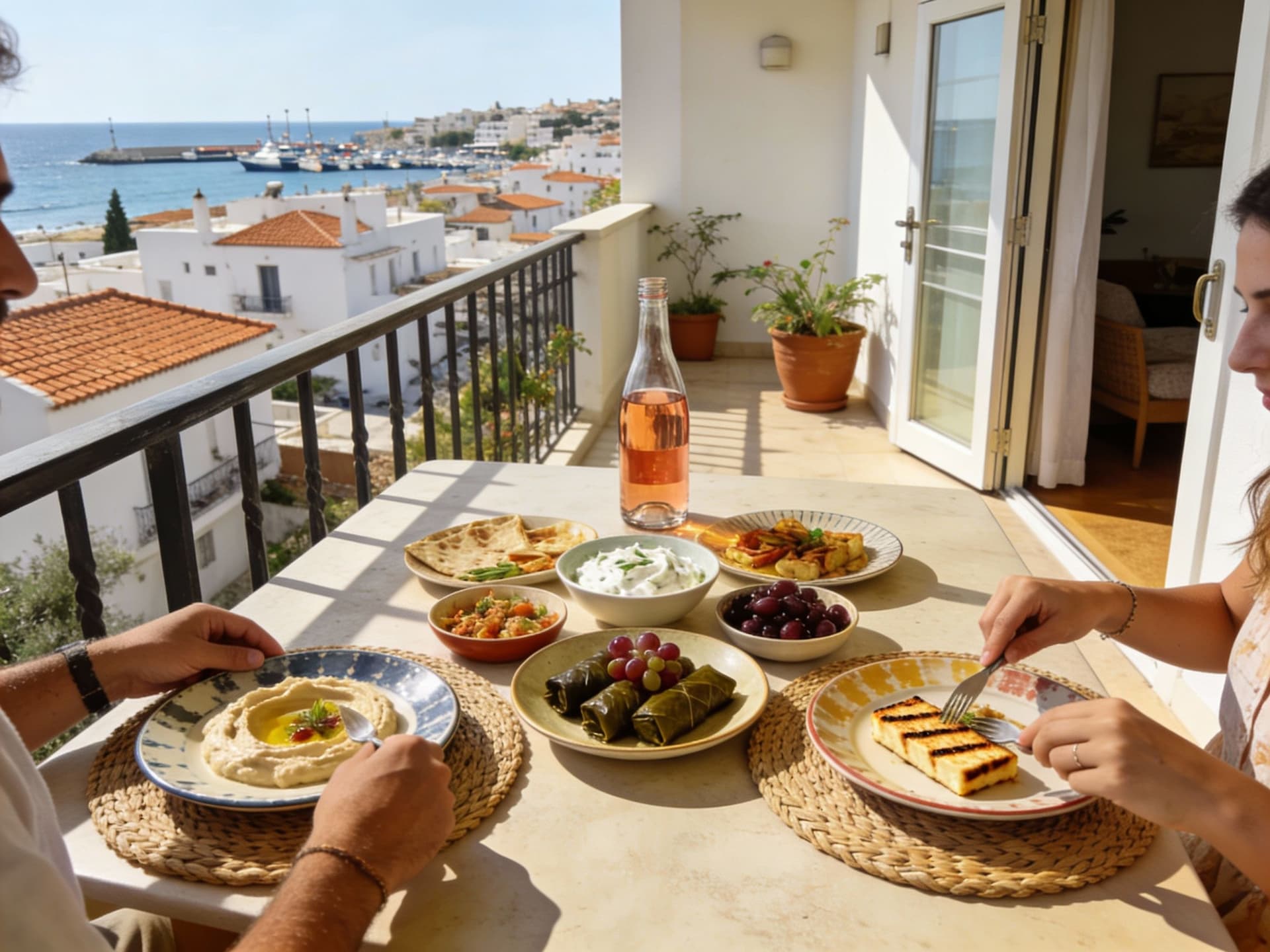
The macro picture that underwrites lifestyle desirability matters for returns. Cyprus posted robust fiscal metrics and solid growth in 2024–25; the IMF flagged GDP growth around 2.5–3% with contained financial risks. Housing supply constraints and rising transactions from foreign buyers pushed the Central Bank’s Residential Property Price Index up ~4–5% year on year in early 2025, with detached houses appreciating faster than apartments. Investors must fold these trends into price-per‑sqm, expected appreciation and stress‑testing scenarios.
Property types and where yields hide
Detached village houses typically show stronger capital growth where supply is limited and local buyers compete with returning diaspora. Apartments near seafronts or tourist hotspots produce higher gross yields during high season but suffer lower effective annual yields once management, vacancy and regulatory constraints are included. For income‑focused investors, look for suburban 2–3 bedroom apartments near schools and transport for steadier net yields.
Practical checklist: blend lifestyle and underwriting
Prioritise distance to amenities (markets, clinics, schools) over headline sea views for year‑round demand.
Stress‑test occupancy: use conservative 50–60% seasonal occupancy for holiday areas when pricing yields.
Build a 6–12 month buffer for utility and management costs — desalination and water reliability are emerging line items in coastal hotels and large developments.
Insider knowledge: expat tradeoffs, culture and long‑term risks
Expat experience is practical: English is widely spoken, but local bureaucracy and seasonal service limits (water, municipal hours) affect daily life. Many expats discover they value stable communities — Agios Tychonas, Kato Paphos suburbs and parts of Nicosia — over central tourist strips. Macro risks to factor: regional geopolitical shocks can dent tourist flows, and water infrastructure upgrades (now government priorities) could reallocate public spending and affect development permits.
Integration, community and the small print
To live well in Cyprus, budget time for local rituals: municipal garbage schedules, winter olive harvests in mountain villages, and Eid/Orthodox holiday rhythms that reduce administrative services for days. These small frictions change turnover and management planning for rental properties and should be modelled into landlord cashflows.
On-the-ground next steps for investors
Commission a local RPPI‑based valuation stress test using recent Central Bank index movement (target conservative appreciation of 0–3% in a downside scenario).
Ask agents for historical occupancy data by month (not just peak season) and verify with at least two independent property managers.
Include utility risk in operating expenses: ask sellers about desalination or water-supply arrangements and recent municipal notices.
Conclusion: fall for the life, but underwrite the returns
Cyprus sells itself — coffee at 10 a.m., sea air at 6 p.m., quiet villages on Sunday. But the investment case is not the postcard; it’s the data underneath: rising visitation, limited supply in desirable inland areas, and a stable fiscal and banking backdrop. Combine local lifestyle priorities with conservative yield modelling, verify occupancy patterns, and budget for utilities and management. If you do that, you buy both a life and an asset that can perform. Reach out to a locally credentialled agent who can translate the daily rhythms of Limassol, Nicosia and Paphos into stress‑tested returns.
Swedish financier who guided 150+ families to Spanish title deeds since relocating from Stockholm in 2012, focusing on legal and tax implications.