Cyprus: Where the Lifestyle and Macro Drivers Meet
Cyprus pairs sunny, seaside lifestyles with tourist‑driven returns—model occupancy, infrastructure risk and location premiums to turn that life into investable yield.
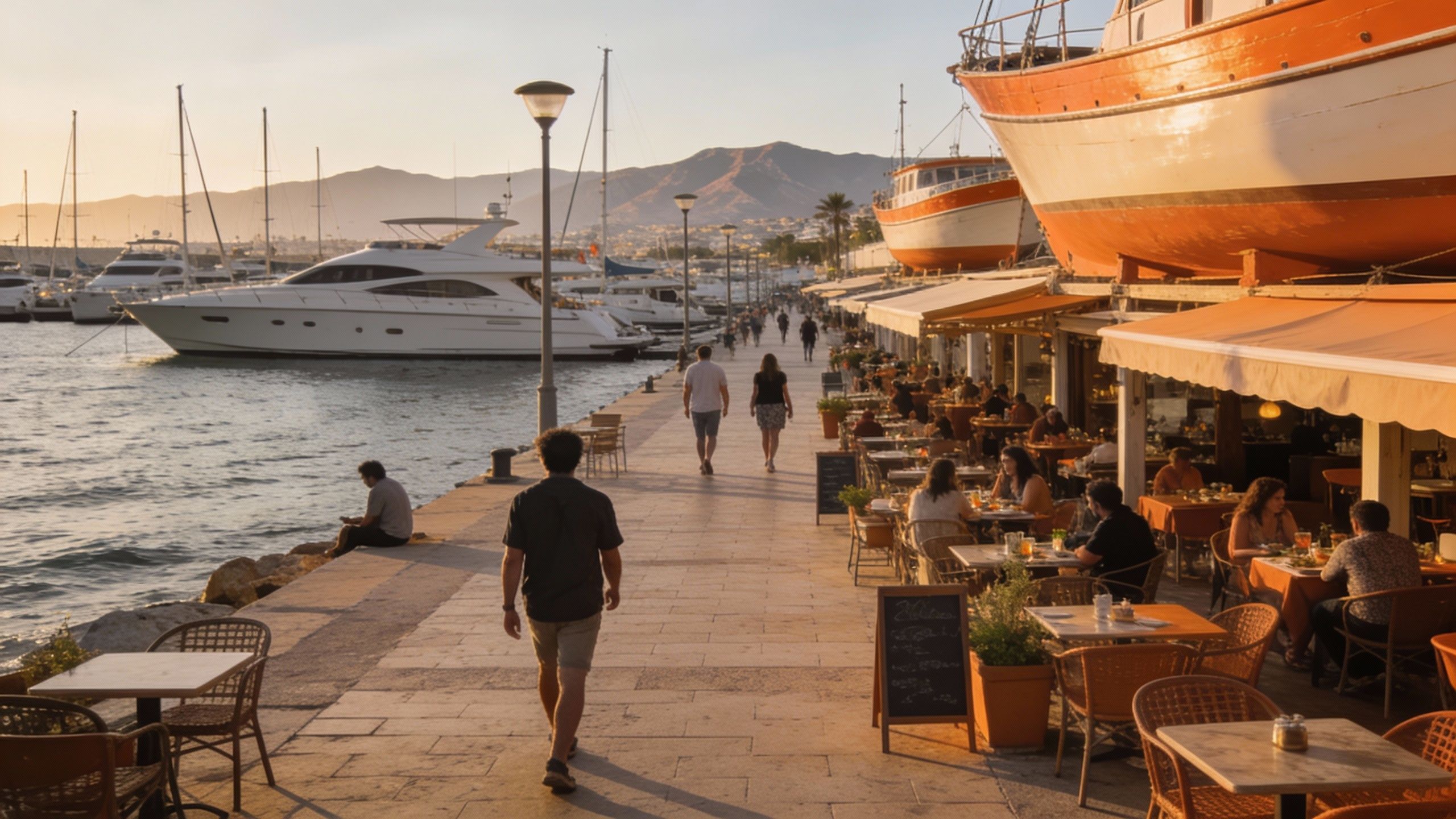
Imagine stepping out for an espresso on a sunlit terrace in Limassol, then walking five minutes to a yacht‑lined marina — that ease of life is Cyprus. But beneath the beaches and tavernas lies a market shaped by tourism surges, household savings, and targeted infrastructure spending. This guide pairs the island’s irresistible rhythms with the economic forces that actually move prices and yields.
Living Cyprus: sunlit routines and neighborhood texture
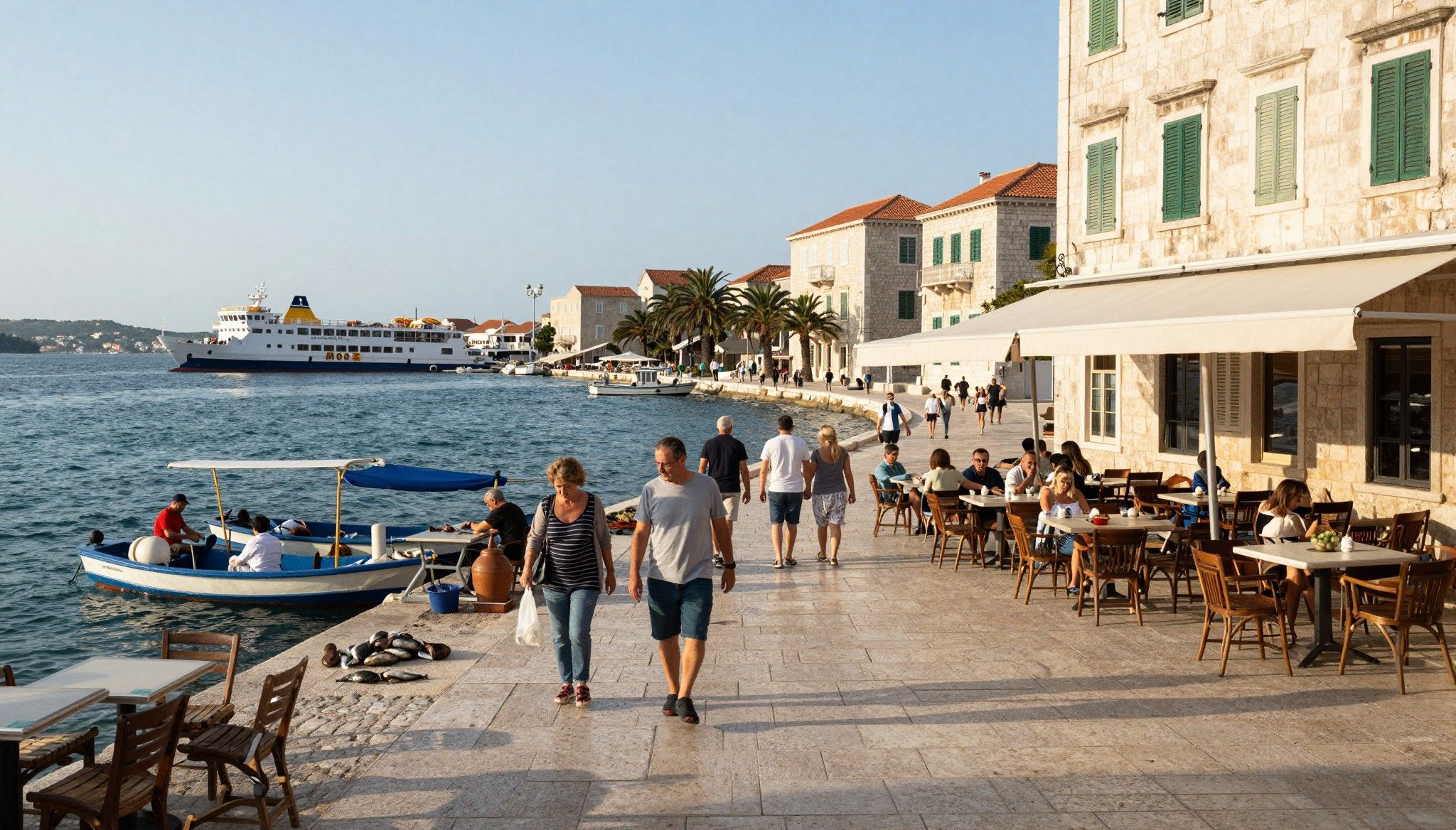
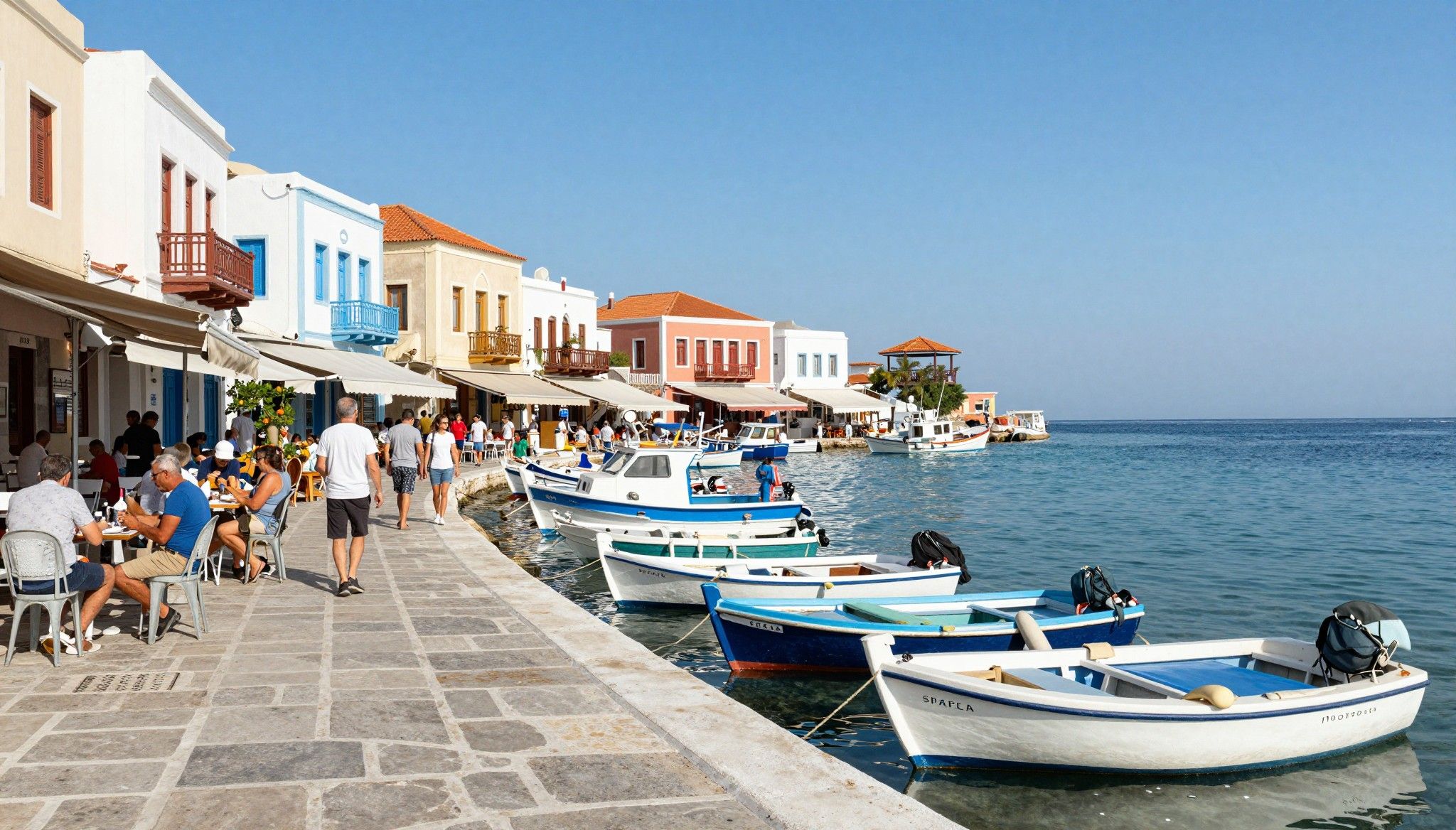
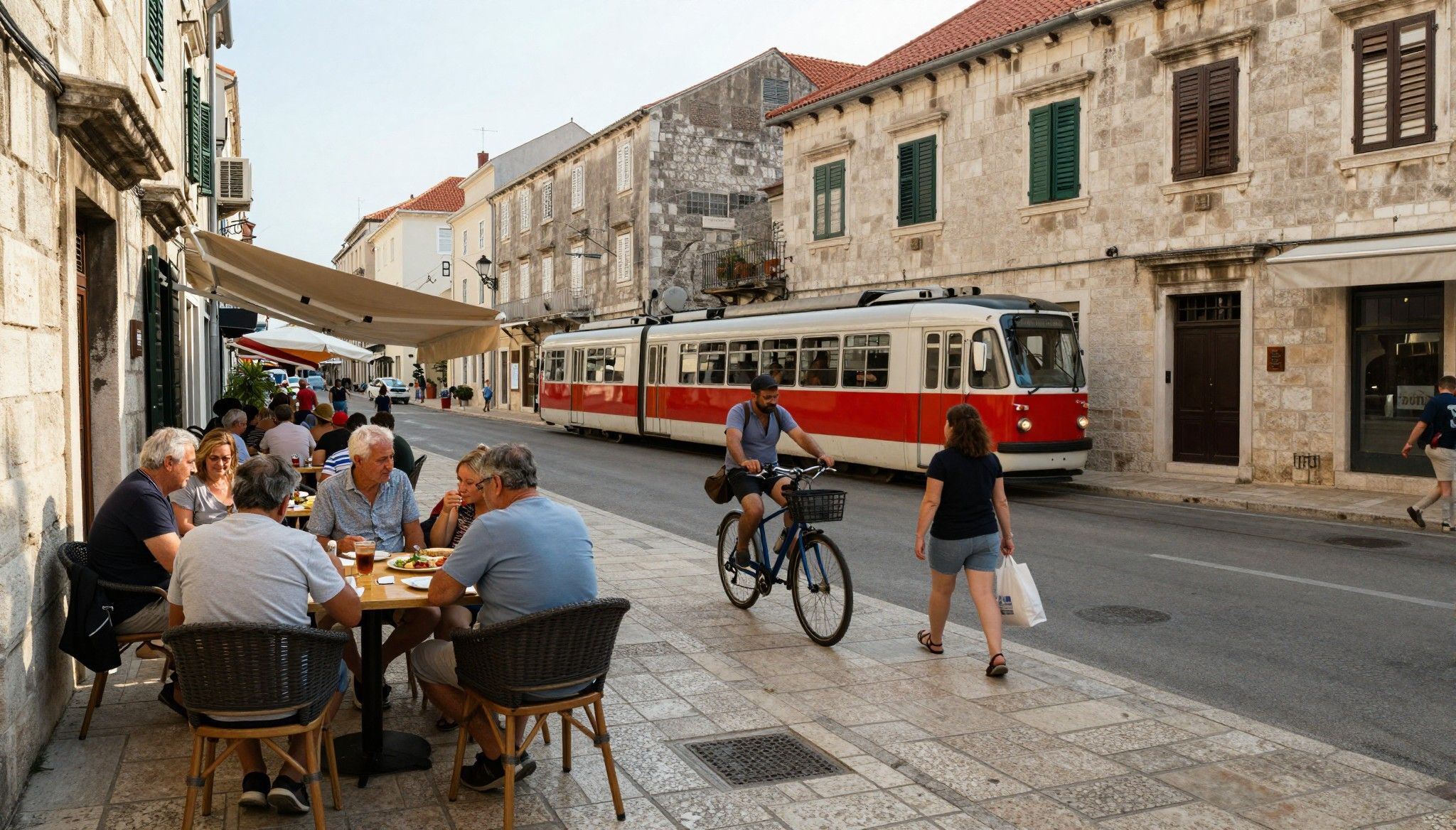
Cyprus feels simultaneously coastal and village‑small. Mornings begin with coffee at neighbourhood cafés, afternoons drift to beach or mountain walks, and evenings concentrate around family‑run restaurants. English is widely spoken in urban centres; Greek anchors rural life. Expect a slow, convivial pace in Pafos and Troodos villages, and a sharper, cosmopolitan hum in Limassol and parts of Nicosia.
Limassol and the marina corridor — modern coastal life
Limassol’s Molos promenade and marina precinct mix high‑rise apartments with boutique cafes and offices. It’s the financial hub where expatriates, holiday renters and professionals converge. Properties here trade at a premium but benefit from year‑round rental demand — corporate leases in winter, leisure lets in summer — giving investors diversification across seasons.
Paphos, Paralimni and the southwest — quieter, tourism‑anchored living
Paphos still registers the largest share of tourists, with coastal resorts attracting families and long‑stay holidaymakers. The Statistical Service reports over 4 million tourist arrivals in 2024, with Paphos, Ayia Napa and Larnaca among top stays. For lifestyle buyers, these towns offer slower seasons and community depth; for investors they mean high summer occupancy and a clear short‑stay market.
- Morning cafés: Makedonitissa and Ledra Street (Nicosia); Molos promenade (Limassol); Paphos harbour-side tavernas
- Markets: Larnaca municipal market for fresh produce; Limassol Saturday organic stalls
- Hidden gems: walkable lanes of Kato Paphos; Troodos honey routes and stone villages
Making the move: lifestyle choices that change returns
The romantic part is easy — terraces, sea, slow dinners. The financial part requires matching that life to property type and market dynamics. House prices rose in early 2025, with detached homes appreciating faster than apartments, per the Central Bank’s RPPI. Choose a property type that aligns with seasonal demand and maintenance capacity to protect yields.
Property styles and how they fit daily life
New coastal apartments give low‑maintenance, walkable lifestyles and strong short‑stay appeal; village houses in Troodos offer long‑term living with renovation upside but slower liquidity. Seafront villas in Limassol and private houses in Paphos command premiums — they suit buyers prioritising lifestyle and capital preservation over highest gross yield.
Work with experts who know life, not just listings
Local agents, property managers and accountants help translate lifestyle intent into underwritten returns. An agent who understands which neighbourhoods fill corporate lets in winter (e.g., Limassol) versus those reliant on summer tourism (e.g., Ayia Napa) will change your underwriting assumptions materially.
- Define the split of use: 1) Personal occupancy months, 2) Short‑stay rental months, 3) Long‑term tenancy months — then model expected gross yield for each segment.
- Estimate realistic occupancy: use local Tourism Service data for summer demand and municipal vacancy records for winter demand (target conservative 55–65% annual occupancy for short‑stay underwriting).
- Add operational costs: management (8–20% of bookings), utility provisioning, insurance, and a 5–10% contingency for climate-related interventions (e.g., desalination or water efficiency upgrades).
Insider knowledge: what expats wish they'd known
Investors underestimate two things: seasonality’s real effect on cashflow, and infrastructure risks. The IMF notes continued GDP growth outlook, bolstered by tourism and investment. Yet Cyprus faces water stress and infrastructure projects that can reprice costs; recent government moves to fund hotel desalination show these risks are material to operating budgets.
Cultural integration and daily practicalities
Expect direct, friendly locals; neighbourhoods cohere around family networks. Knowing basic Greek phrases speeds integration and can help with tradespeople and municipal processes. For rental markets, English proficiency among tenants in urban clusters reduces managed‑service friction.
Long‑term lifestyle risks and upside
Population trends, tourism recovery and fiscal discipline support mid‑term price resilience. But climate pressures and concentrated tourist flows mean micro‑location matters: beachfront addresses may face regulatory constraints and higher operating costs; well‑connected inland towns often deliver steadier long‑term occupancy.
- Underrated factors investors should model: local water supply reliability, summer energy load costs, municipal planning for coastal densification, and shifting airline connectivity that affects airport catchment.
- Lifestyle trade‑offs to quantify: sea view premium vs. winter vacancy; new‑build convenience vs. renovation capex; tourism dependency vs. local rental base.
Conclusion: Cyprus sells a life — sun, cafés, and coastal ritual — but the smartest purchases translate that life into measurable returns. Use tourism and price indices to stress‑test occupancy and appreciation assumptions, factor in infrastructure and climate costs, and partner with local advisors who can align neighbourhood character with your underwriting. If you love mornings on a Limassol terrace, make sure the numbers love it too.
Dutch investment strategist who built a practice assisting 200+ Dutch clients find Spanish assets, with emphasis on cap rates and due diligence.