Greece: How Lifestyle, Seasonality and Macro Drivers Shape Returns
Greece blends irresistible lifestyle with tourism‑driven returns; align seasonality, neighbourhood selection and conservative underwriting to convert Mediterranean living into reliable real‑estate returns.
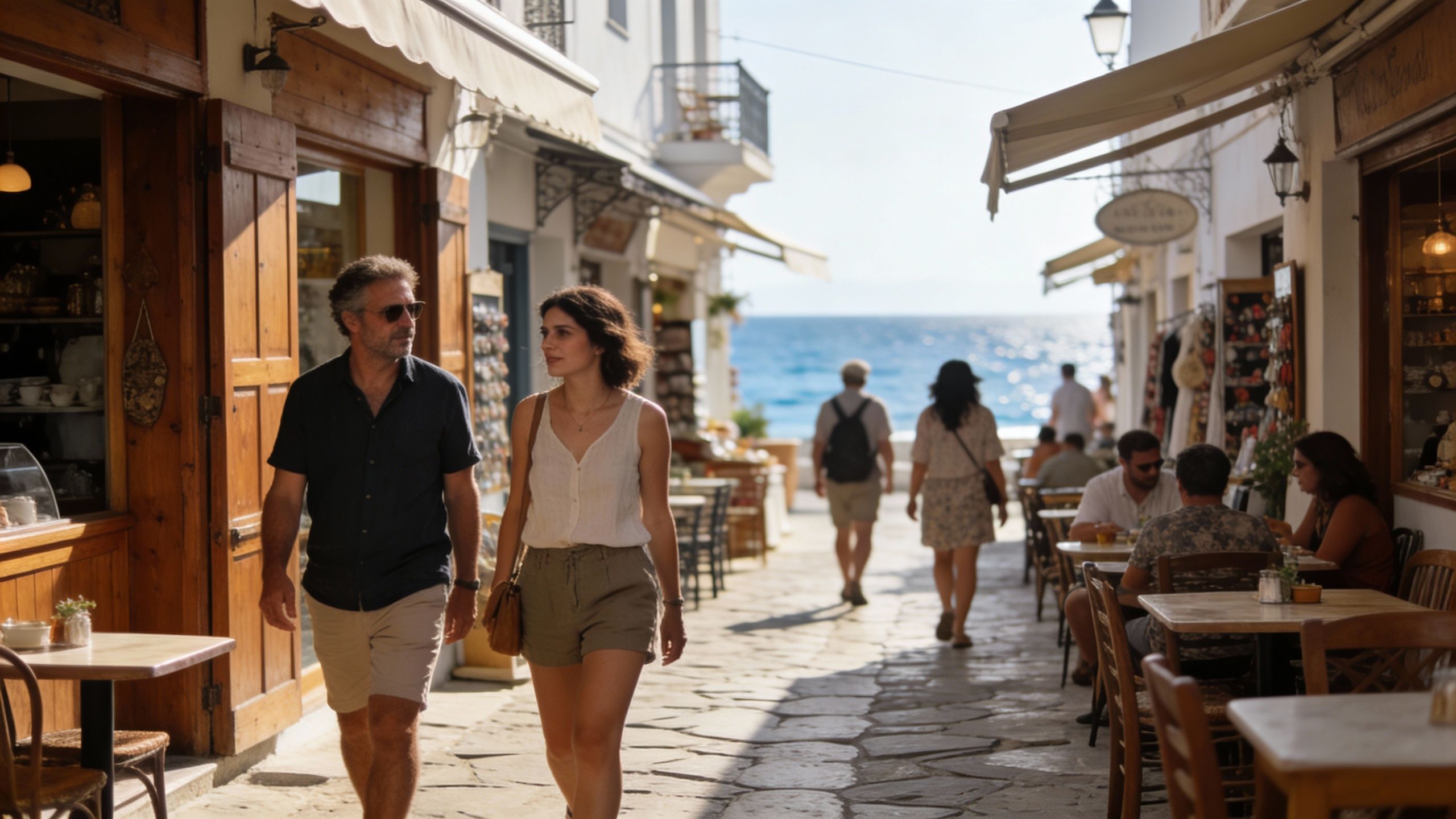
Imagine stepping out at dawn for an espresso on Dionysiou Areopagitou, then wandering past neoclassical facades toward the Acropolis bathed in pale light. Greece lives in rhythms — island summers that hum with tourists, quiet olive-laden winters, and neighbourhood markets that still trade in faces and stories. That mismatch between romance and return is the story most buyers feel first: irresistible lifestyle on one hand, complex market mechanics on the other. This guide pairs the sensory Greece you want to live in with the macroeconomic forces that will determine whether your purchase pays off.
Living Greece: daily life, seasons and places
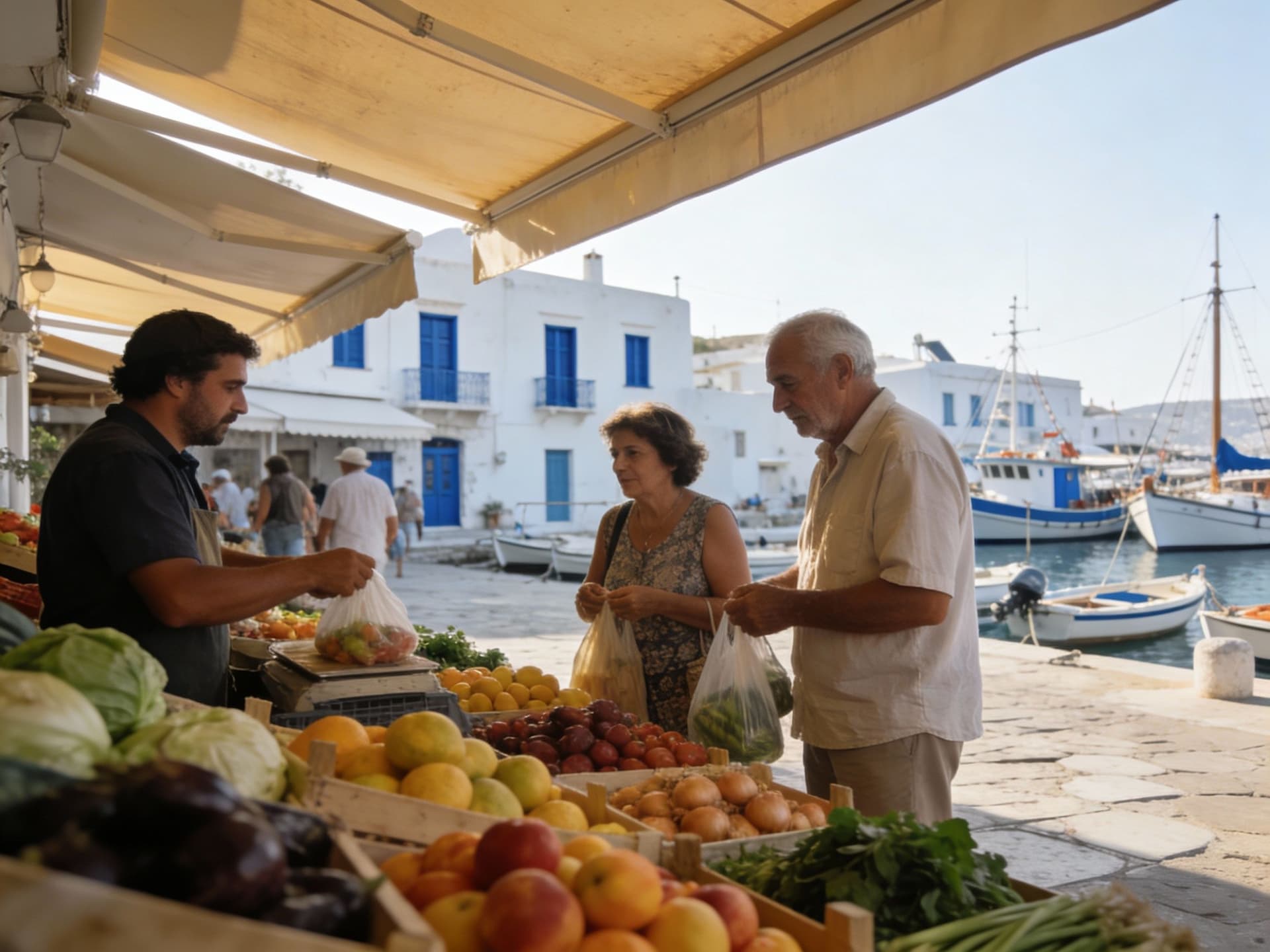
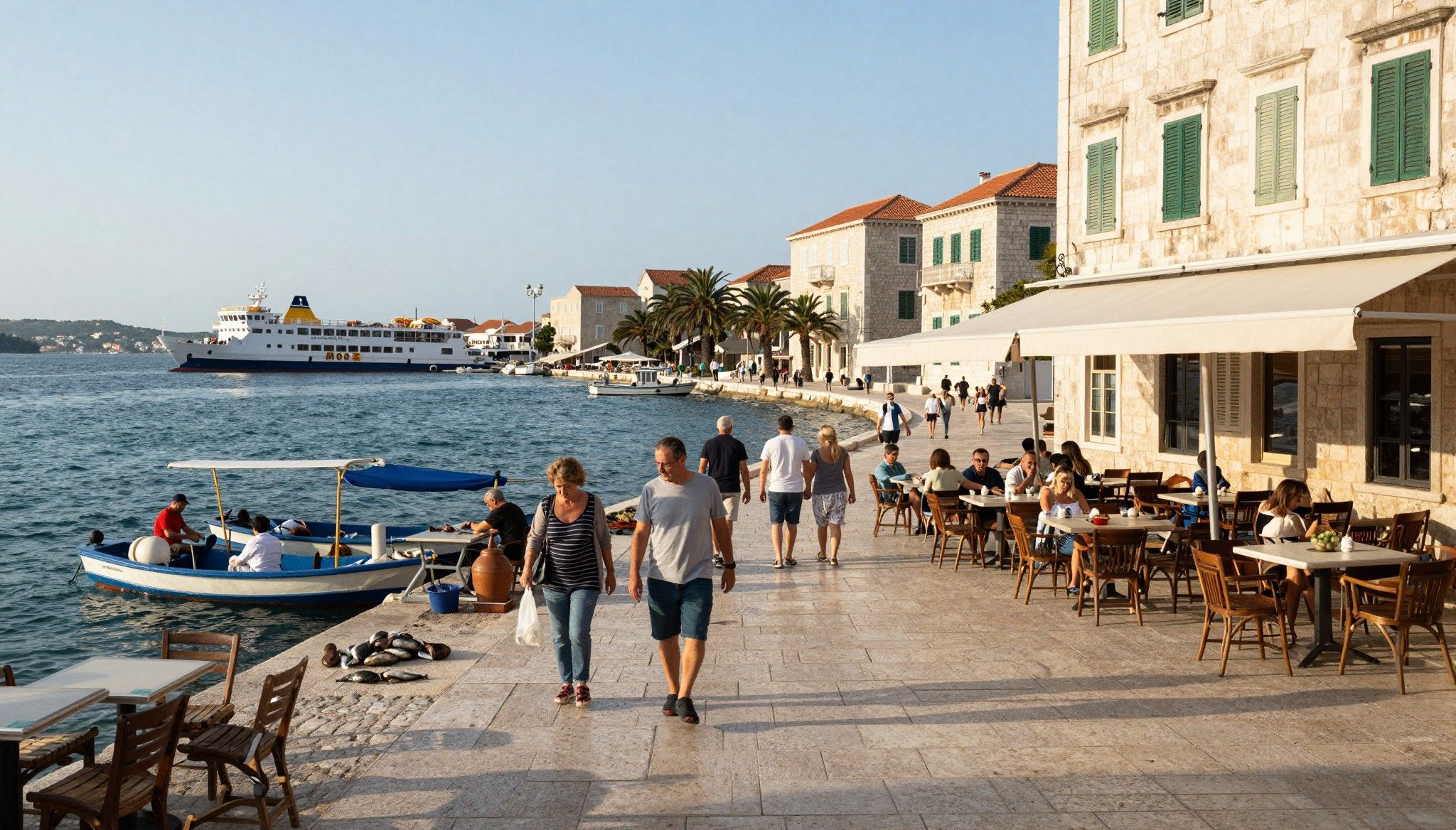
In cities like Athens and Thessaloniki, mornings smell of strong coffee and warm koulouri; on islands such as Naxos or Tinos the day begins in a small bakery and ends with fishermen selling the catch. Seasonality is structural: the economic pulse accelerates through May–October and contracts in winter, which affects rental demand, occupancy rates and short‑term yield assumptions. Tourism remains a dominant macro driver — inbound arrivals and overnight stays rose year‑on‑year in 2024, concentrating returns in coastal and island micro‑markets. Understanding where lifestyle and tourist flows overlap is the first step to aligning the life you want with a credible investment case.
Athens pockets: where daily life and yield meet
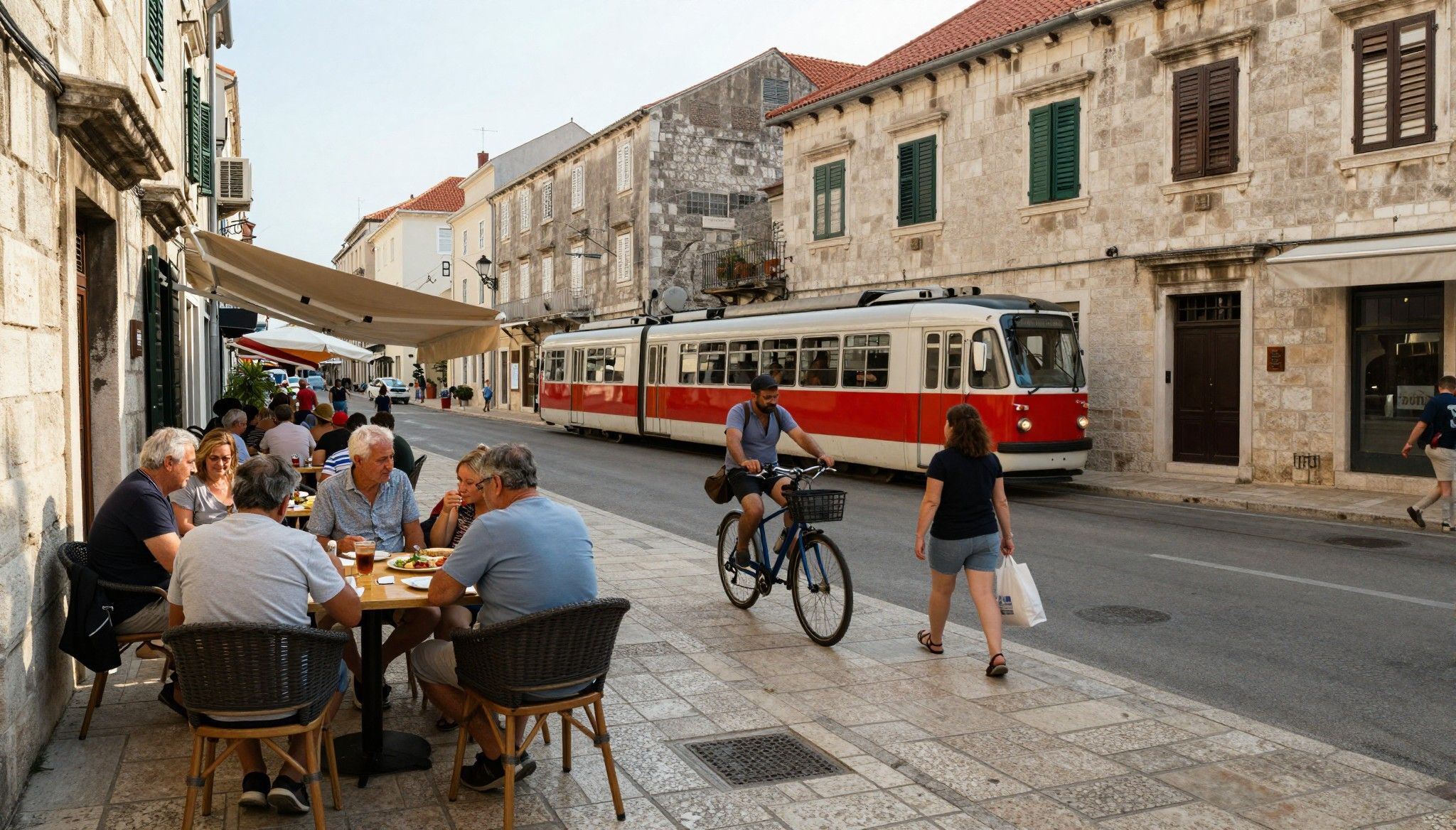
Athens is a city of contrasts: Kolonaki and Pangrati offer café culture and year‑round rental stability, while Exarchia and parts of Koukaki present value upside tied to regeneration. Average central prices range by neighbourhood, and renovated units in well‑connected pockets consistently command faster sales and higher nightly rates for short lets. For lifestyle buyers who also expect rental income, prioritise proximity to metro stations and cultural nodes over seaside gloss — those factors matter to sustainable occupancy outside peak months.
Island life beyond the postcard
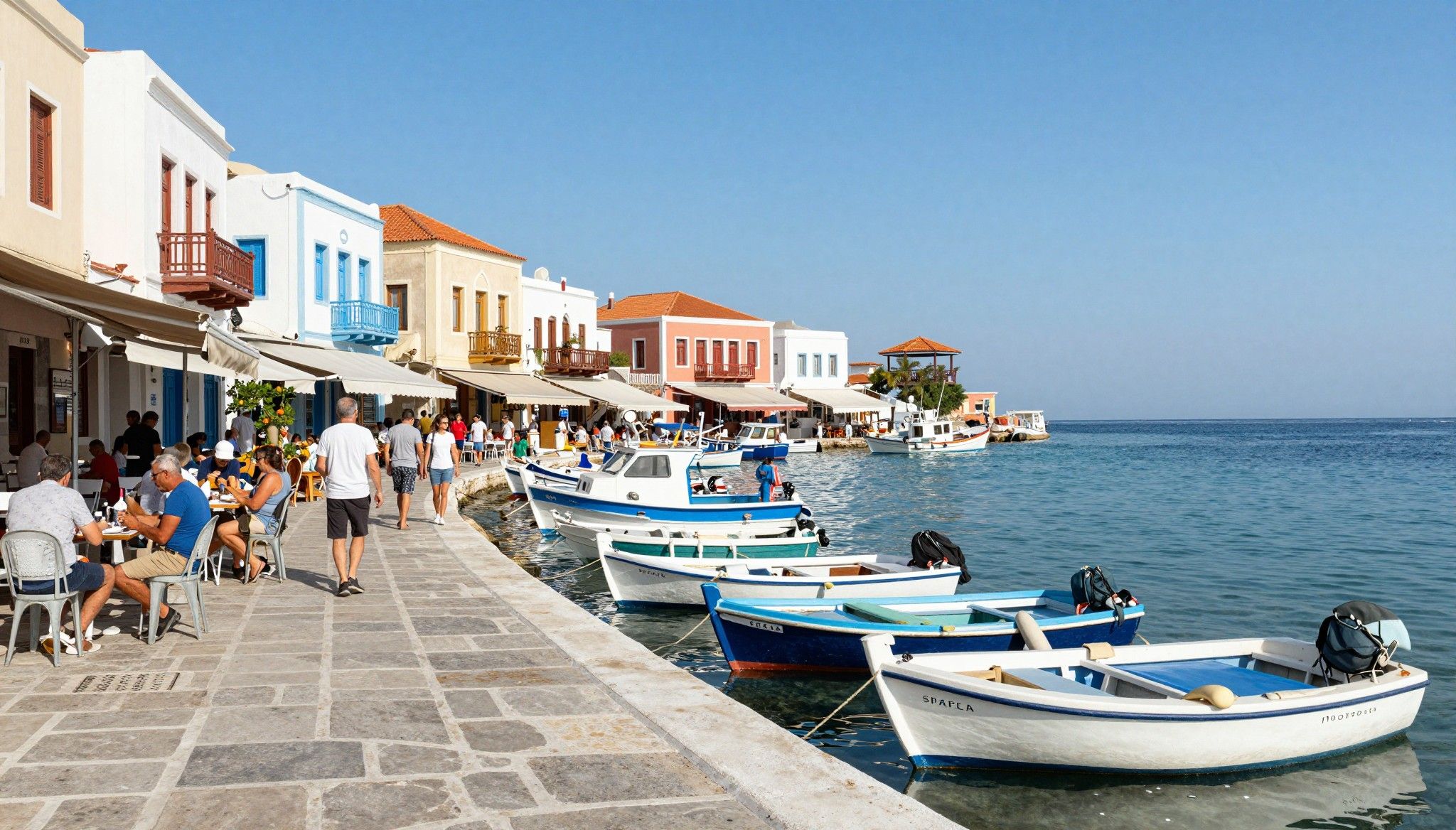
Santorini and Mykonos may headline lifestyle marketing, but South Aegean and Crete generated over half of tourism receipts in recent years, shifting investor focus to islands that combine strong demand with year‑round services. Smaller islands like Serifos or Amorgos attract slower but steadier long‑term renters — think remote workers and long‑stay visitors — rather than purely seasonal holidaymakers. The practical implication: choose properties that match the guest profile you underwrite (short‑stay luxury vs. long‑stay comfort), and stress test your income assumptions by season.
Making the move: translating lifestyle into investment criteria

Dreams sell, data secures. Greece’s macro picture — improved sovereign metrics, stabilising banks and a tourism‑led recovery — supports longer‑term capital appreciation, but yields are heterogeneous. Recent credit upgrades and stronger public finances have reduced country risk, yet local market liquidity and property‑level maintenance costs remain primary determinants of net returns. Good underwriting begins with three concrete inputs: accurate local price‑per‑sqm benchmarks, realistic occupancy projections by season, and total cost of ownership including renovations and property management.
Property types and lifestyle fit
Stone‑built island houses offer character but often require substantive maintenance; modern apartments in Athens provide easier management and steady long‑term tenancy. For buyers prioritising lifestyle use plus income, terrace apartments (central Athens) or renovated cycladic houses (selected islands) balance personal enjoyment with rentable features. Factor climate resilience — insulation, shutters, cooling systems — to reduce operating expenses and extend the rental season beyond the summer peak.
Steps to align lifestyle choice with returns:
- 1) Quantify seasonality: model monthly occupancy and set conservative averages (use ELSTAT regional occupancy where available). 2) Compare price/sqm in target neighbourhoods against recent transcripts and ask‑price indexes. 3) Budget for 10–15% renovation contingency and annual maintenance. 4) Use local property managers and agencies for pricing and tenant screening. 5) Run a 5‑year cashflow stress test assuming 20–30% lower than peak season revenue.
Insider knowledge: regulatory, market and cultural realities
Macro upgrades and tourism tails are positive drivers, but local market friction remains: permit delays for renovations, non‑standard contracts, and variable local tax interpretations. Working with a bilingual notary and a reputable Athens or island agency reduces these frictions. Data from credit‑rating and macro reports indicate improving sovereign risk, which lowers financing premiums for many investors; still, bank lending standards vary and will materially affect leveraged returns.
Cultural cues that affect daily life and tenancy
Social life in Greece is place‑centric: neighbourhood kafeneia, weekly markets, and local festivals forge tenant loyalty. Expect slower bureaucracy but warmer tenant relations — long‑term rentals often hinge on personal trust. Language helps, but hiring local managers who speak English and Greek typically resolves the day‑to‑day. For expats, integrating into weekend market routines and local associations accelerates community acceptance and improves tenant referrals.
Red flags and neighbourhood traps to avoid
- • Overpaying for pure ‘sea view’ in low‑service islands with weak winter demand. • Buildings lacking legal renovation permits (an underreported cost). • Dependence on a single summer season without a long‑stay strategy. • Underestimating maintenance for older stone properties. • Buying in micro‑markets where transport links are poor.
Greece offers an unusually clear trade‑off: extraordinary lifestyle appeal plus tourism tailwinds, against concentrated seasonality and property‑level complexity. Evidence from national statistics and market reports shows tourism continuing to expand—supporting short‑term revenues—while sovereign credit improvements lower macro risk to investors. The practical next step is simple: choose neighborhoods where lifestyle demand overlaps with structural rental demand (metro‑adjacent Athens pockets, serviceable islands or Crete), insist on verified permitting and recent transaction comparables, and model returns conservatively over a 5‑ to 7‑year horizon.
If you’re drawn to Greece’s morning markets and long siesta afternoons, treat the romance like an input to a financial model. Work with local agencies who understand both the life you want and the yield you need; ask for historical occupancy, renovation permits, management quotes and recent comparables as standard. Begin with a reconnaissance trip focused on the neighbourhood rhythms rather than just show homes — spend an hour in a kafeneio, walk the prospective rental routes, and check transport connections at off‑peak times. That lived insight combined with disciplined underwriting is how you make a Greek lifestyle purchase that feels right and returns reliably.
Danish relocation specialist who moved to Cyprus in 2018, helping Nordic clients diversify with rental yields and residency considerations.