Greece’s Seasonal Yield Secret Investors Miss
Greece offers spectacular lifestyle upside, but seasonal tourism concentrates returns. Annualise occupancy, stress-test ADRs and pick micro-markets to balance life and yield.

Imagine sipping an early-morning espresso at Koulouri Kouzina in Koukaki, then walking five minutes to a bright one‑bed you’re renting to holiday guests — that juxtaposition of everyday Athenian life and island-season rental income is Greece’s real property story. For international buyers the romance is immediate; the underwriting requires season-aware, data-driven thinking.
Living the Greece life — what you actually wake up to

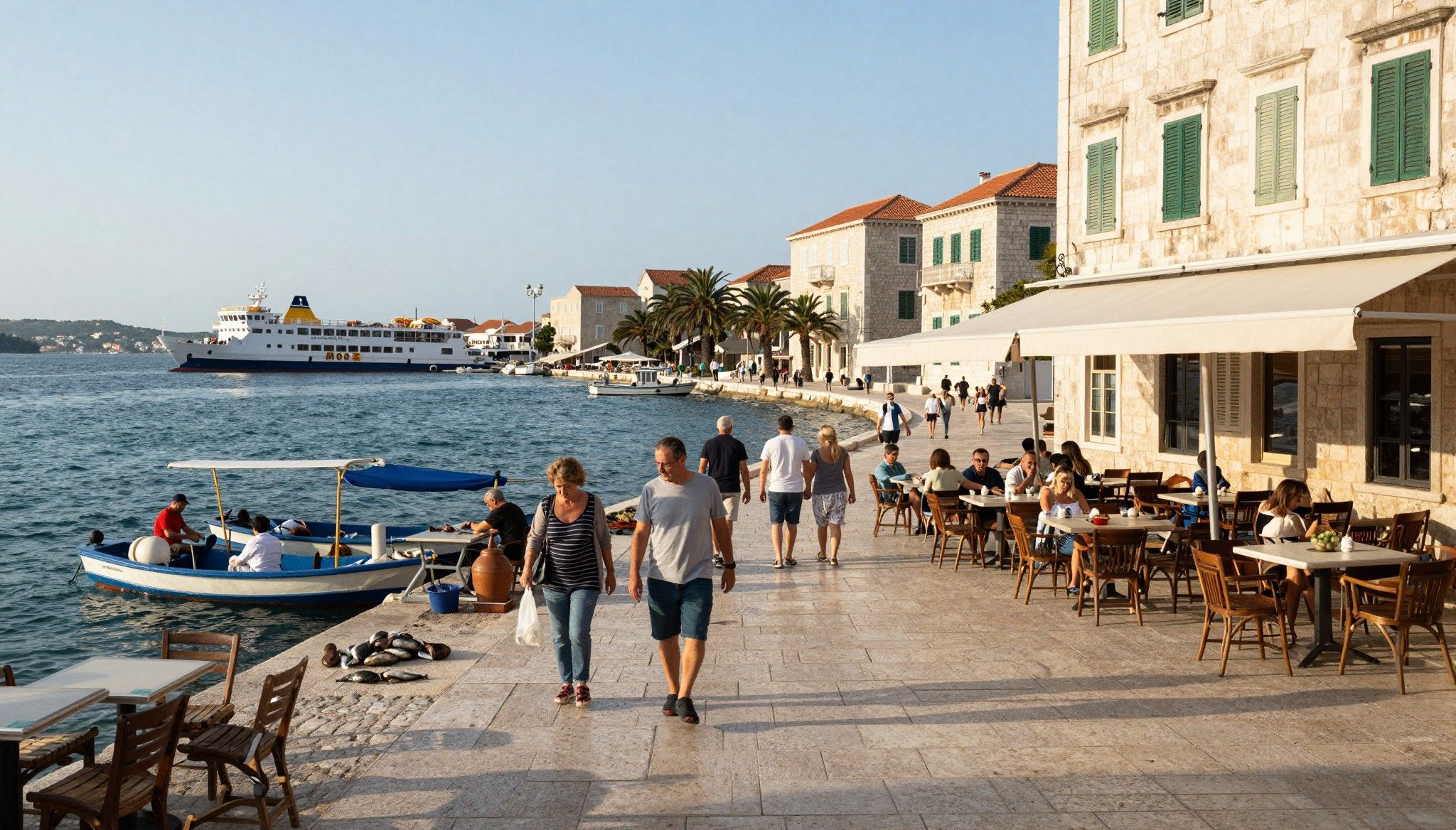
Life in Greece moves with light and season: morning markets in Exarchia, late café hours in Plaka, and island afternoons where neighbours bring plates to the terrace. That rhythm underpins demand: tourism and domestic flows drive short-term lettings, while urban neighbourhoods support year-round rentals.
Athens neighbourhoods: compact living, steady demand
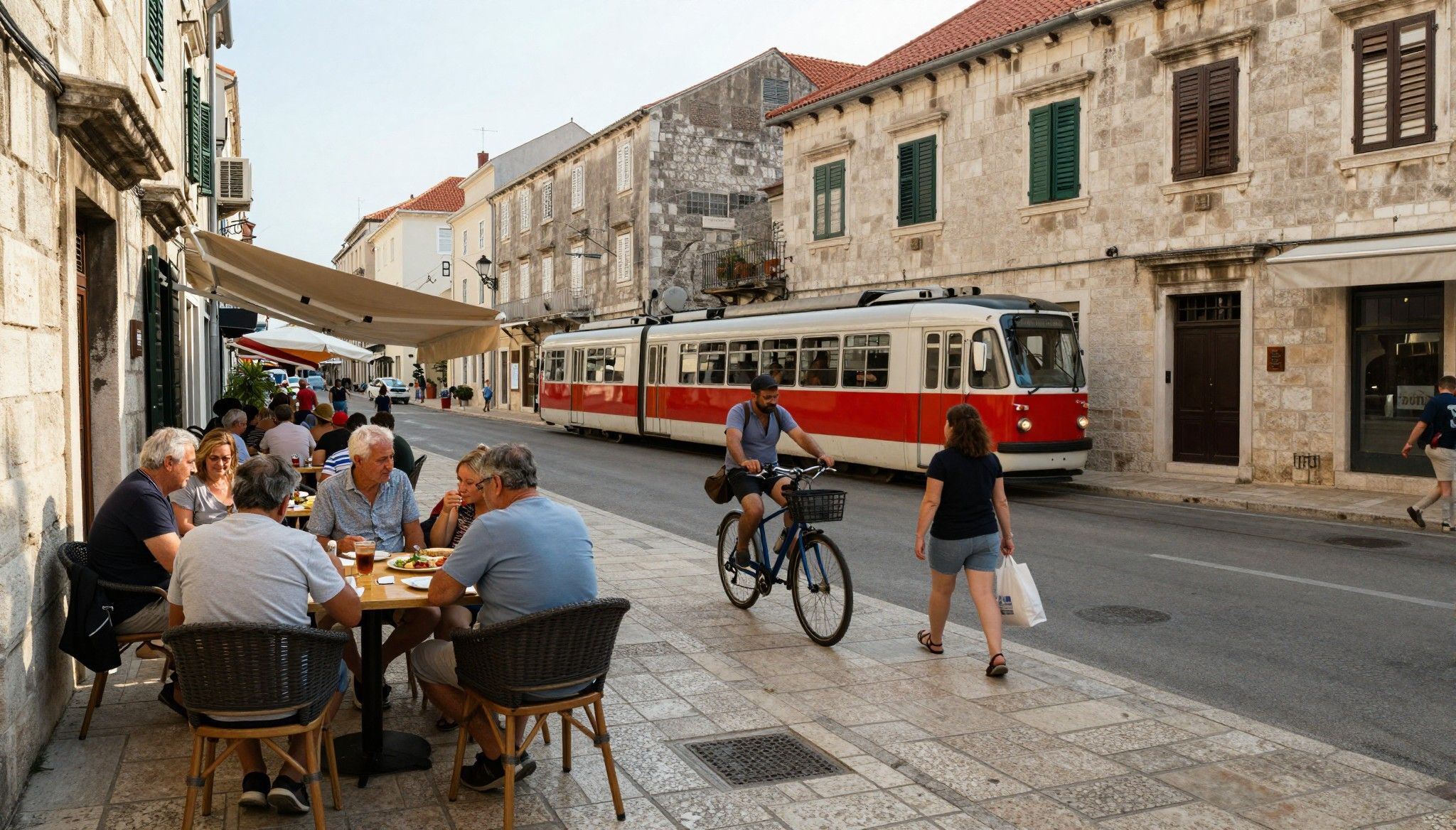
Koukaki and Pangrati blend local life with tourist footfall; Glyfada offers seaside suburbia and expatriate families; Kypseli is quietly gentrifying. These micro-markets matter because price per square metre and rent seasonality vary sharply between them — central Athens tends to deliver lower vacancy risk than island studios.
Islands vs mainland: more than a location trade-off
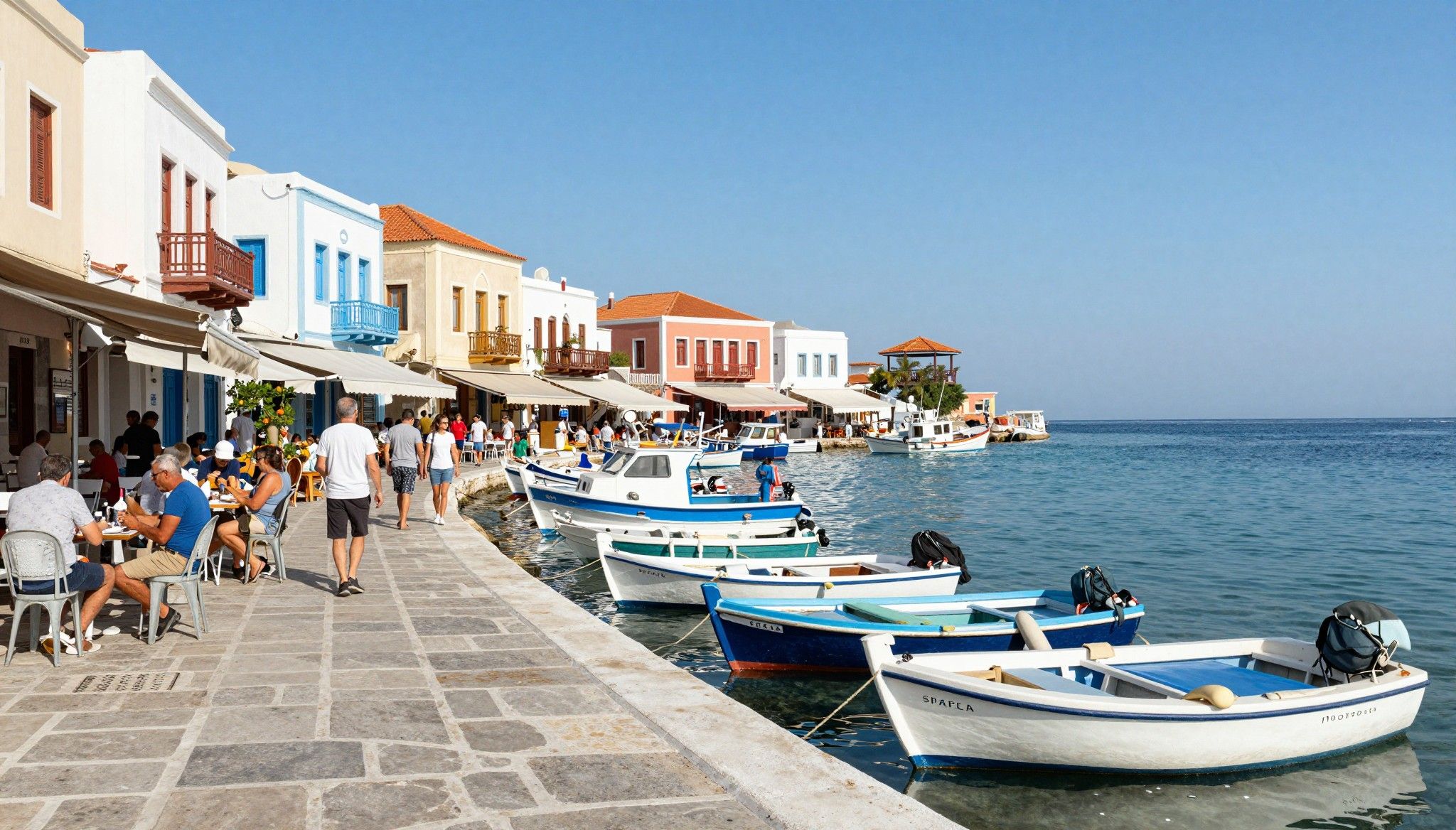
The islands deliver concentrated seasonal revenue — South Aegean and Ionian Islands show outsized summer occupancy — while mainland destinations have flatter demand curves. Expect sharper peak-month yields on islands, and steadier annual yields in Athens, Thessaloniki or Crete’s year‑round towns.
- Lifestyle highlights that influence investor demand
- Morning market ritual: Varvakios market (Athens) and local bakers driving neighbourhood footfall.
- Island summer: Santorini/Mykonos-style peaks and smaller Cycladic gains in shoulder seasons.
- Urban culture: cafés in Koukaki, galleries in Metaxourgeio, coastal promenades in Glyfada.
- Culinary draw: neighbourhood tavernas that keep off-season visitation steady.
Making the move: practical, season-aware underwriting
Greece isn’t one market; it’s a tapestry of seasonal pockets and urban cores. Start with three metrics: effective annual occupancy (not peak-month occupancy), price per sq.m. adjusted for seasonality, and net yield after realistic property management and repair allowances.
Property styles and how they earn in practice
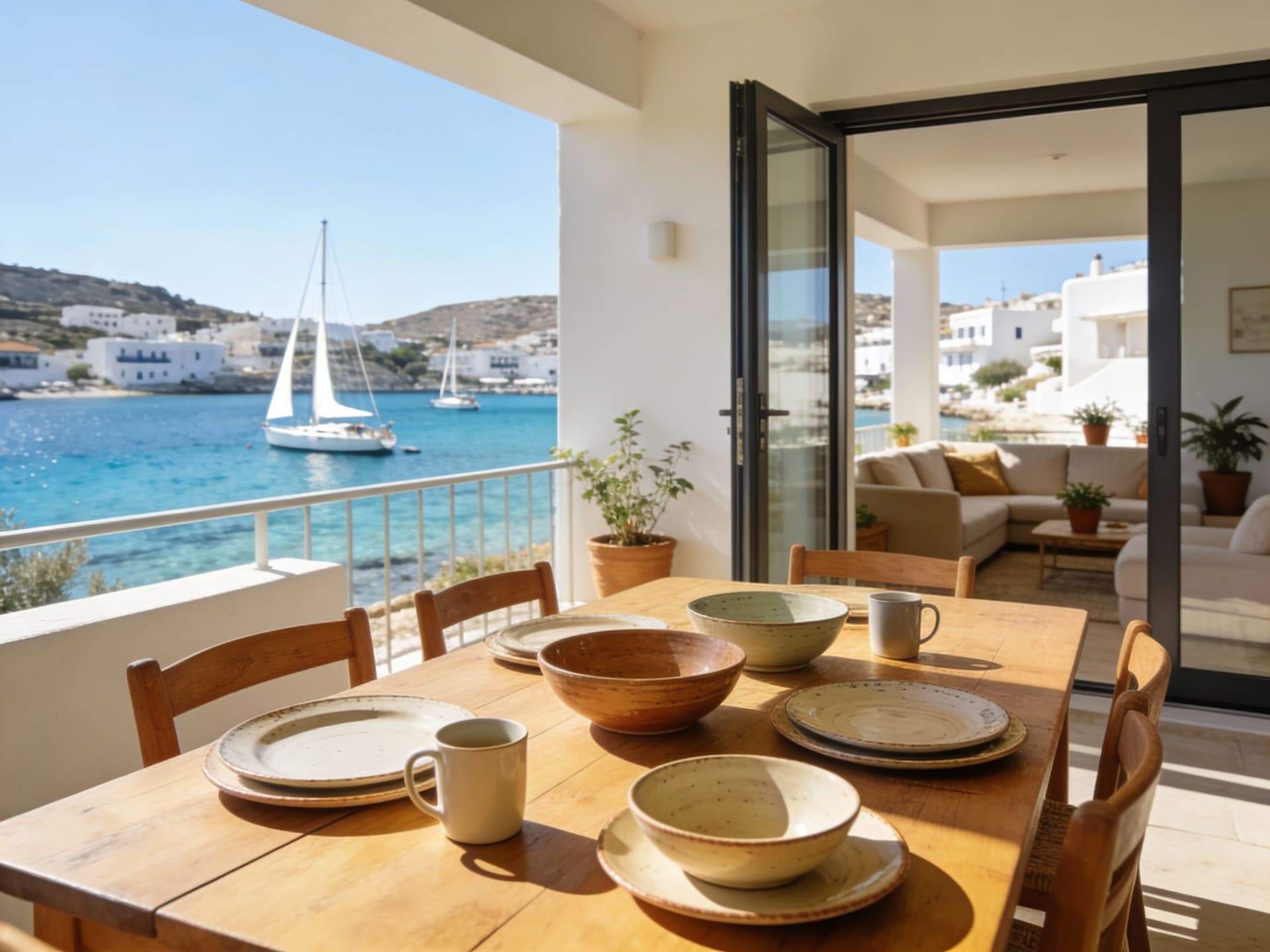
Classic Athens flats (pre-war, tall ceilings) attract long-term tenants and short-let tourists; newly built seafront apartments command premium summer rents but higher operating costs. Renovation-ready stone houses in Crete or the Peloponnese can lift returns materially if modernised for year-round comfort.
Working with local experts who understand seasonality
Choose agencies that provide granular monthly booking data, transparent cleaning/maintenance cost models, and local property management partners. They should show historic occupancy curves by neighbourhood and provide conservatively stressed yield scenarios — not optimistic peak-month snapshots.
- Steps to produce a season-adjusted underwriting model
- Collect 24 months of monthly bookings and pricing from local managers or platforms.
- Stress test occupancy (-20% from historical mean) and apply conservative ADR (average daily rate).
- Model net yield: subtract management, platform fees, utilities, and a 5–10% capex reserve.
Insider knowledge: what expats and local investors wish they’d known
Experienced buyers say: don’t confuse headline visitor numbers with investable demand. Greece recorded strong inbound travel and travel receipts recently, but occupancy concentrates in a few months and regions. That concentration changes cashflow profiles and the types of financing you should seek.
Cultural and seasonal quirks that affect returns
Greek holidays, Orthodox Easter, and national festival weekends cause booking spikes. Conversely, November–March can be quiet outside cities. Plan property features—efficient heating, year‑round water supply, and reliable internet—to keep the unit letting in shoulder months.
Long-term view: macro tailwinds and measured risks
Greece’s improved fiscal metrics and rising house price indices suggest capital appreciation potential. But buyers should balance macro optimism with liquidity risk in niche markets and higher maintenance cost on older stock.
- Red flags and practical checks before you sign
- Over-reliance on peak-month revenue without annualised stress testing.
- Absence of an English-speaking local property manager with verified reviews.
- Unclear water/electricity upgrades or lack of building permits for renovations.
If you love the life here, make the numbers love you back. Use monthly occupancy data, conservative ADRs, and realistic operating costs to underwrite returns. Pair a neighbourhood that matches the lifestyle you want with a property type that matches the yield profile you need.
Conclusion: Greece is both a lifestyle promise and a seasonal investment. Buy with the lifestyle first, but underwrite like an analyst — annualise seasonal income, stress occupancy, and validate management. When you pair the right micro-market with rigorous underwriting, Greece can deliver both the life you imagined and disciplined returns.
Swedish financier who guided 150+ families to Spanish title deeds since relocating from Stockholm in 2012, focusing on legal and tax implications.