Greece’s Summer Illusion: When Seasonality Distorts Returns
Greece’s summer image inflates headline returns. Use tourism and regulatory data to stress-test seasonality and prioritise year‑round demand for reliable yields.

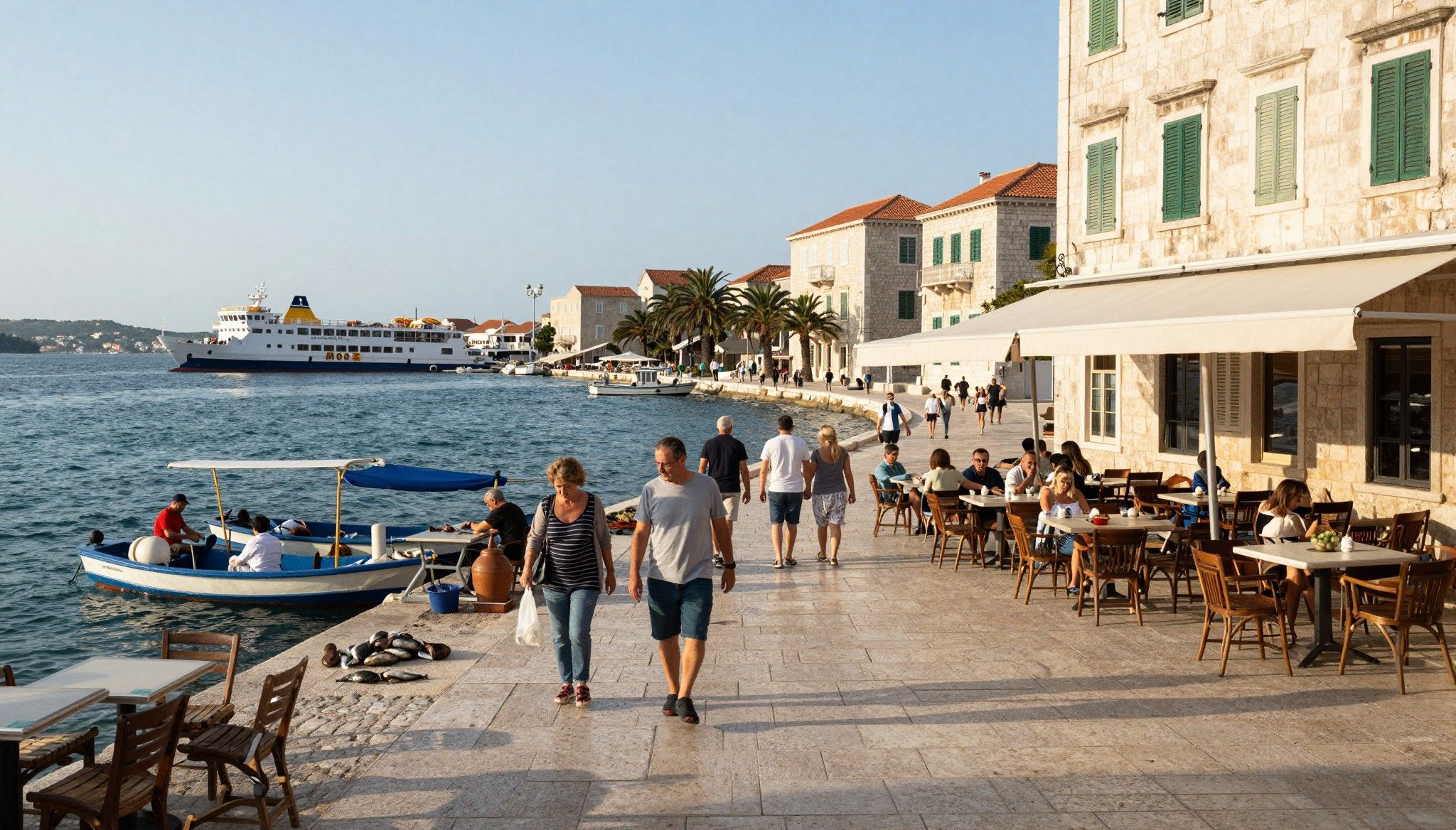
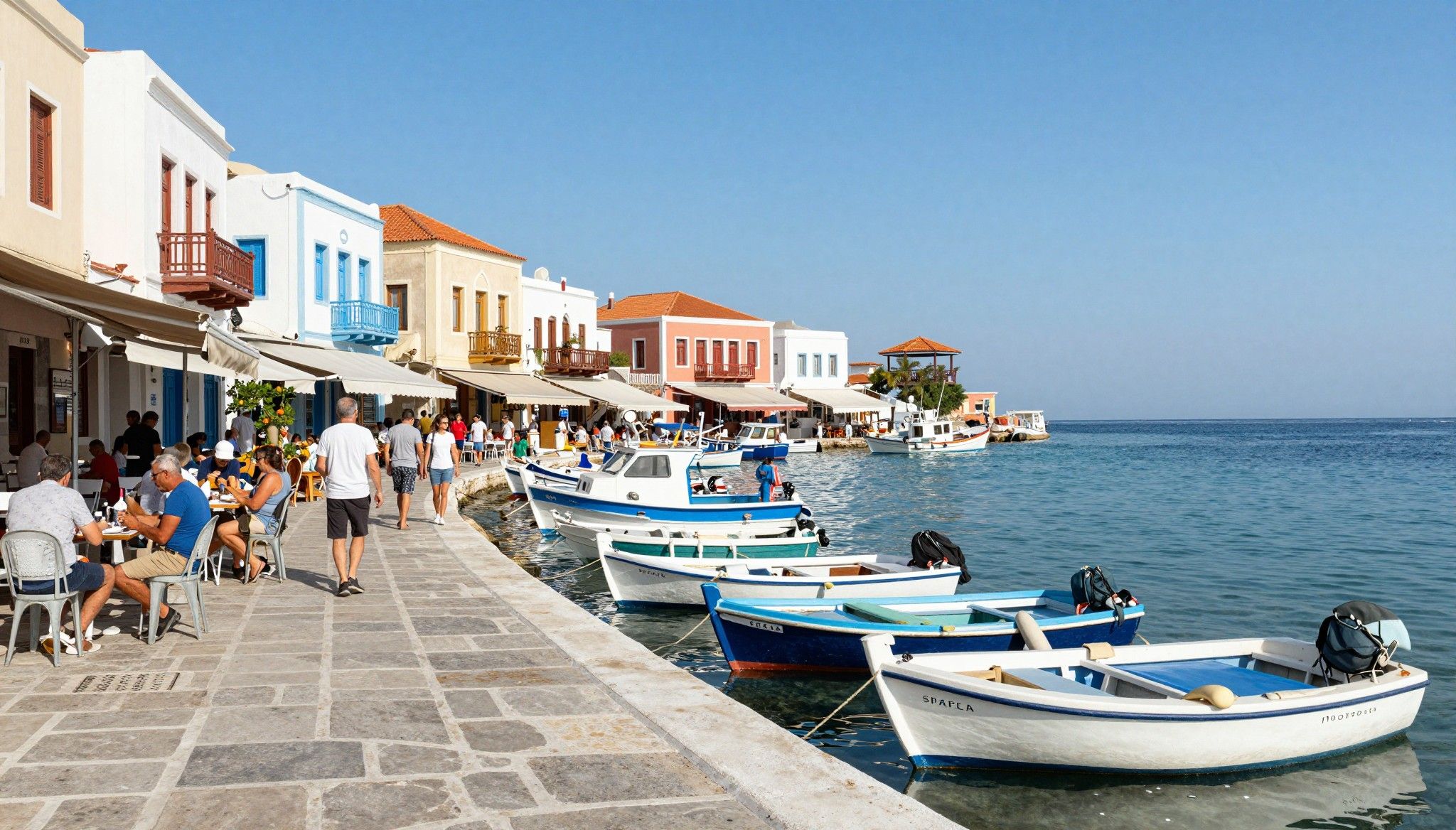
Imagine sitting at a small marble table in Koukaki, espresso steaming, while scooters thread between bougainvillea and neoclassical facades. Summers smell of salt and grilled fish; winters of wood smoke and slow café chatter. For buyers, that sensory picture often translates into a single belief: Greek property is a summer commodity that only performs in high-season months. The reality is more complex — recent data and new short-stay rules show seasonality both inflates visible income and hides structural risks in yields. cite
Living the Greece lifestyle — more than summer postcards
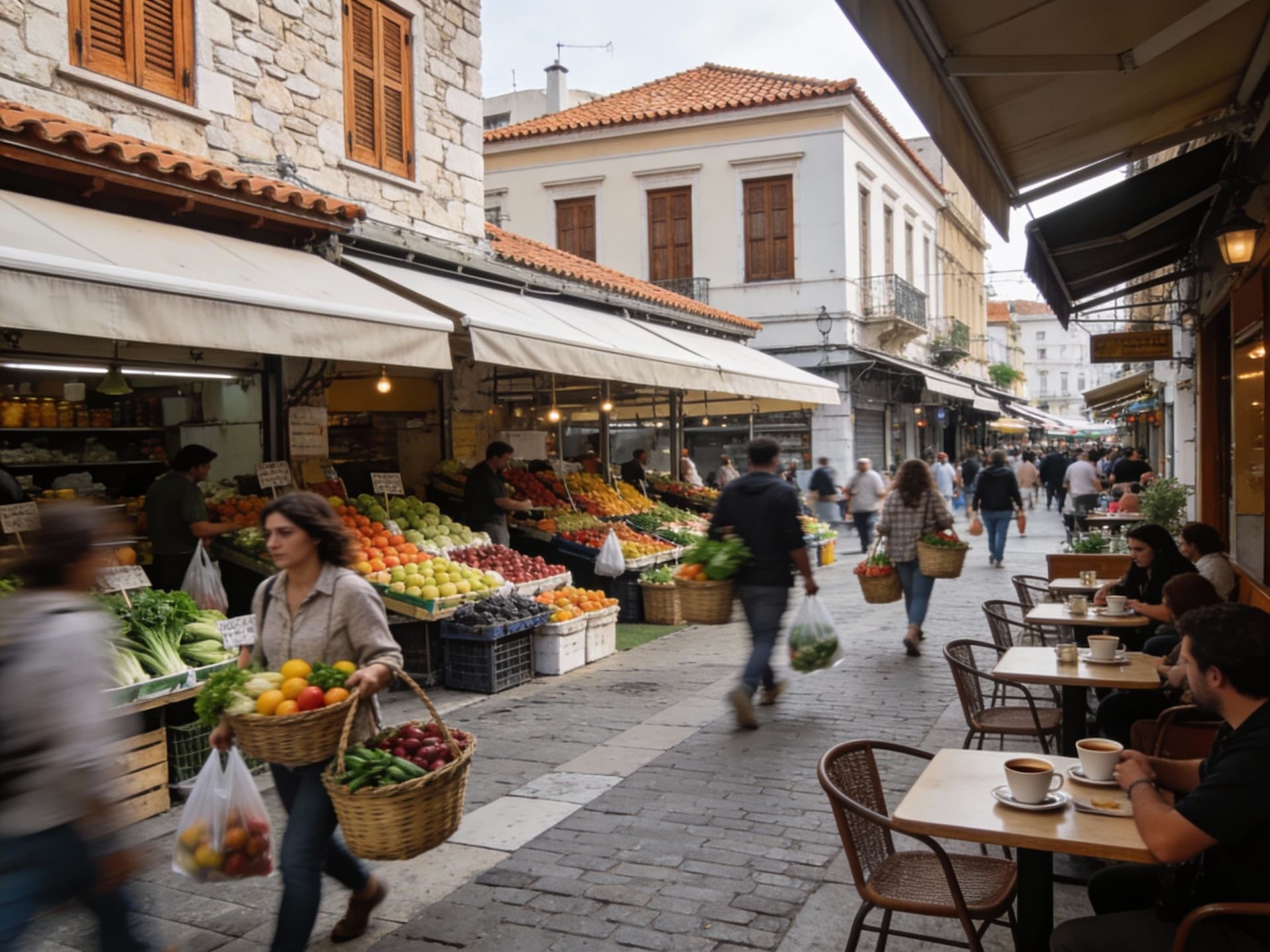
Greece’s tourism rebound — 2024 saw record visitor numbers and rising receipts — has amplified images of packed islands, boutique hotels and high nightly rates. But daily life in Athens, Thessaloniki and island towns is year-round and varied: working cafés in Exarchia, yacht traffic in Piraeus, farmers’ markets outside Heraklion. Those rhythms shape demand for different property types and tenant profiles across seasons, not just summer spikes. Tourists push headline short-stay revenue; locals and long-stay demand support baseline rents the rest of the year. cite
Neighborhoods that confuse buyers: Athens’ Koukaki, Glyfada and island towns
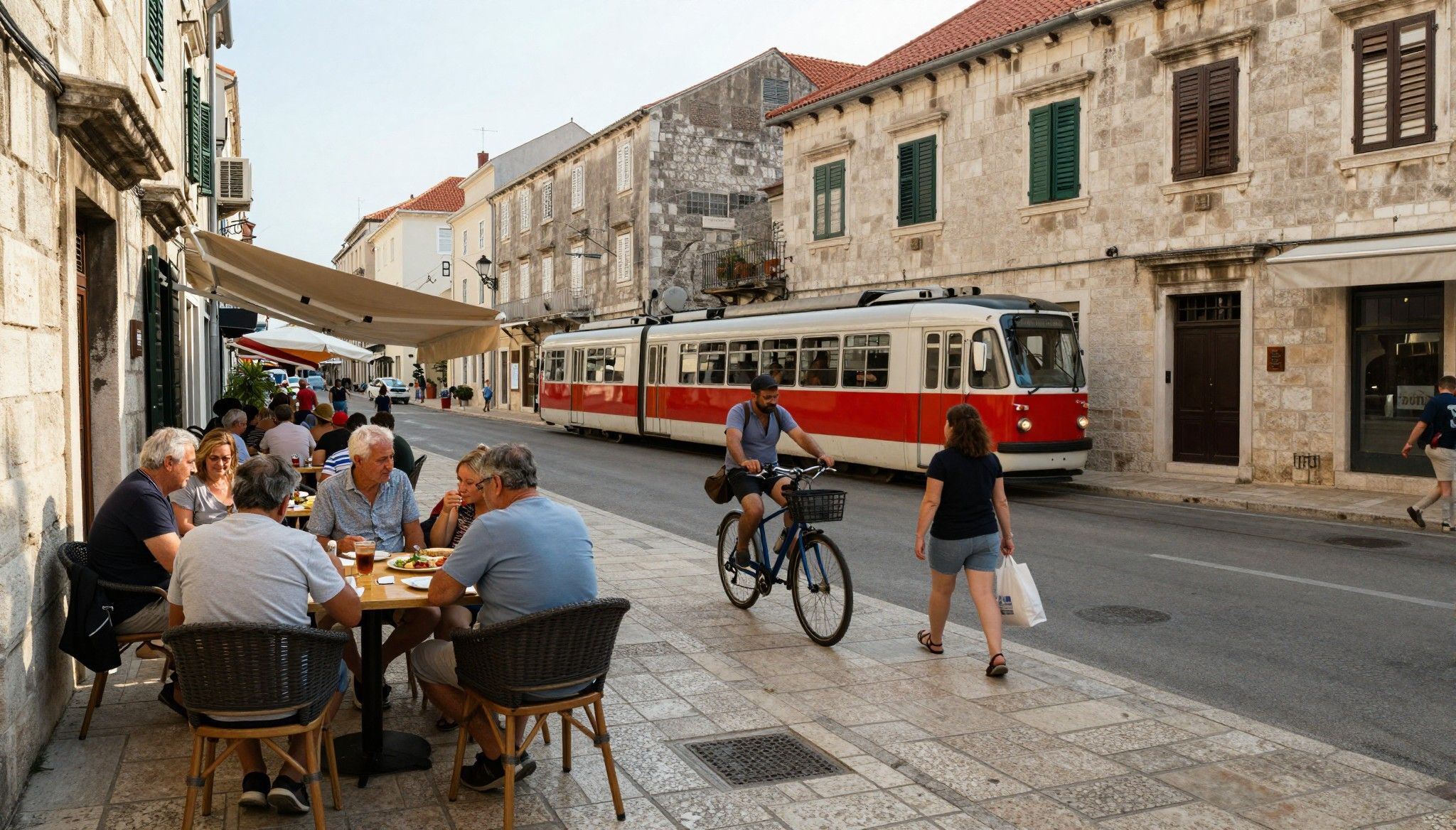
Walk Koukaki on a weekday and you’ll find families, remote workers and steady long-term rental demand — not the purely tourist storefronts seen in postcard shots of Plaka. Glyfada blends year-round domestic buyers with international weekenders, producing steadier prices than tiny seasonal islands. Small Cycladic islands (Santorini, Mykonos) deliver spectacular short-stay returns but also acute supply constraints and regulatory scrutiny; recent measures limit use of non-residential spaces for short lets and even paused registrations in central Athens neighborhoods. Those policy changes revalue where sensible owners should underwrite cash flow. citeturn0news14
Food, markets and the year-round scenes that support demand
Central markets (Varvakios in Athens, Modiano in Thessaloniki), year-round cafés (Kifissia terraces) and university cycles create rental demand beyond tourists. If a property sits near a market, metro stop or university, it will attract stable long-term tenants — students, professionals and public-sector workers — who smooth rental income through low season.
Making the move: turning lifestyle into underwritten returns

If you’re drawn by Greece’s cafés, seafront promenades and market life, translate those preferences into measurable investment criteria. Look for transport accessibility, year-round employment centres, and building classification (primary-use vs non-primary-use) — because recent law changes now disqualify basements and storage conversions from short-stay listings, materially affecting revenue models for many owners. Build underwriting around conservative occupancy (40–60% for island short-stay, 70–90% for city long-term) and test worst-case scenarios before you bid. cite
Property styles and what they mean for cash flow
1. Small Athens flats (40–70 sqm): lower entry price per sqm, attractive to long-term tenants and short-term urban visitors; underwrite with 5–7% gross yield target. 2. Seaside villas and Cycladic cave houses: high seasonal ADRs but higher vacancy and maintenance; underwrite with conservative 2–4 month vacancy buffer and elevated capex assumptions. 3. Suburban family homes (Glyfada, Kalamaria): steadier long-term returns and capital stability — useful for buy-to-let portfolios focused on income. 4. Mixed-use units near markets or universities: hybrid demand — long-term reliability with occasional short-stay upside during events or tourist spikes.
Insider knowledge: rules, red flags and where to lean local expertise
Three practical, often-missed realities: first, regulation is changing fast — licensing freezes and stricter definitions for short-stay make historical revenue unreliable. Second, infrastructure (metro extensions, ferry links) can reprice neighbourhoods quickly; proximity to a new station materially reduces vacancy risk. Third, tax and compliance missteps are common with cross-border owners — local fiscal representation and AADE registration for rentals are not optional. Work with agents who show transaction-level data and a planner who forecasts yields under new rules. citeturn0news14
Quick checklist before you offer
• Confirm building classification and AMA property registration to ensure short‑stay eligibility. • Model yields with 30–50% seasonal occupancy adjustment for island assets. • Check proximity to metro stops, university campuses or hospitals for year‑round tenant pools. • Request 24 months of rent rolls or platform booking history, not just headline ADRs. • Factor higher property management and utility costs in island locations (water, energy, waste).
If the dream is Greek life — the markets, the sea, the slow Sunday lunches — know the truth: those pleasures generate headline returns but also regulatory and seasonal risk. Use tourism and regulatory data to stress-test income, prioritise locations with year-round demand (metro suburbs, university towns, gateway ports), and partner with local advisers who can convert lifestyle preference into robust underwriting. When you balance romance with rigorous scenario analysis, Greece becomes not just a place to live beautifully but an asset that fits a disciplined portfolio. cite
Swedish financier who guided 150+ families to Spanish title deeds since relocating from Stockholm in 2012, focusing on legal and tax implications.