Why Croatia’s Coastal Premium Distorts Returns
Croatia’s tourism and prices have risen, but coastal premiums and tax shifts change returns; model seasonality, local rules and net yields before you buy.
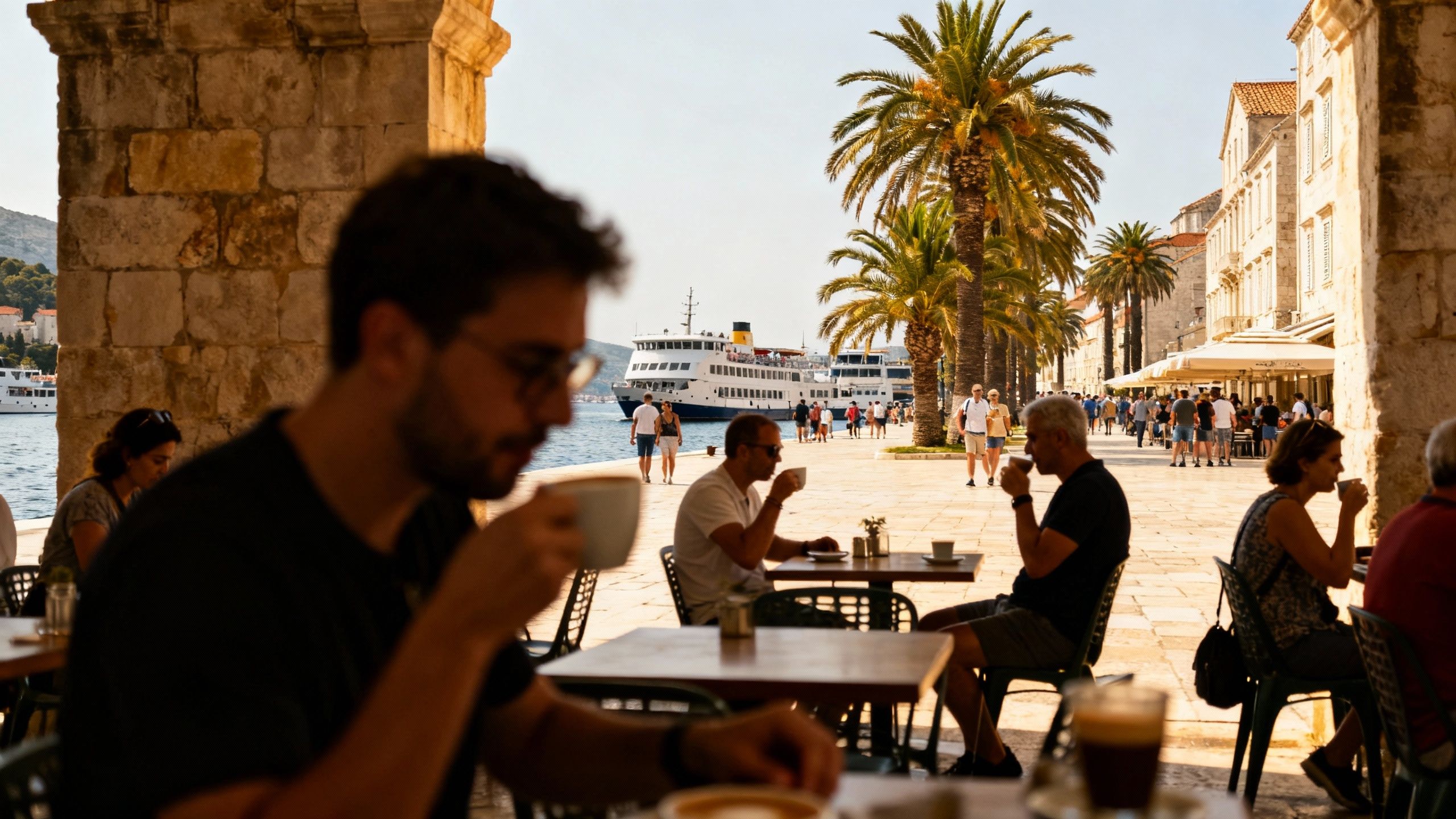
Imagine sipping an espresso on Split’s Riva at 8 a.m., then walking five minutes to a quiet stone lane where fishermen mend nets — that contrast, between postcard coast and lived-in streets, is Croatia. It’s the reason international buyers fall in love quickly and underwrite poorly if they only chase the Adriatic gloss. Data shows the country’s tourism rebound and rising house‑price index are real, but so are distortions: seasonal demand, concentrated coastal liquidity, and emerging tax shifts that change returns. Read on for a lifestyle-first look that then flips to the numbers and practical strategies investors need to separate romance from return.
Living Croatia: daily rhythms, neighborhoods and real life
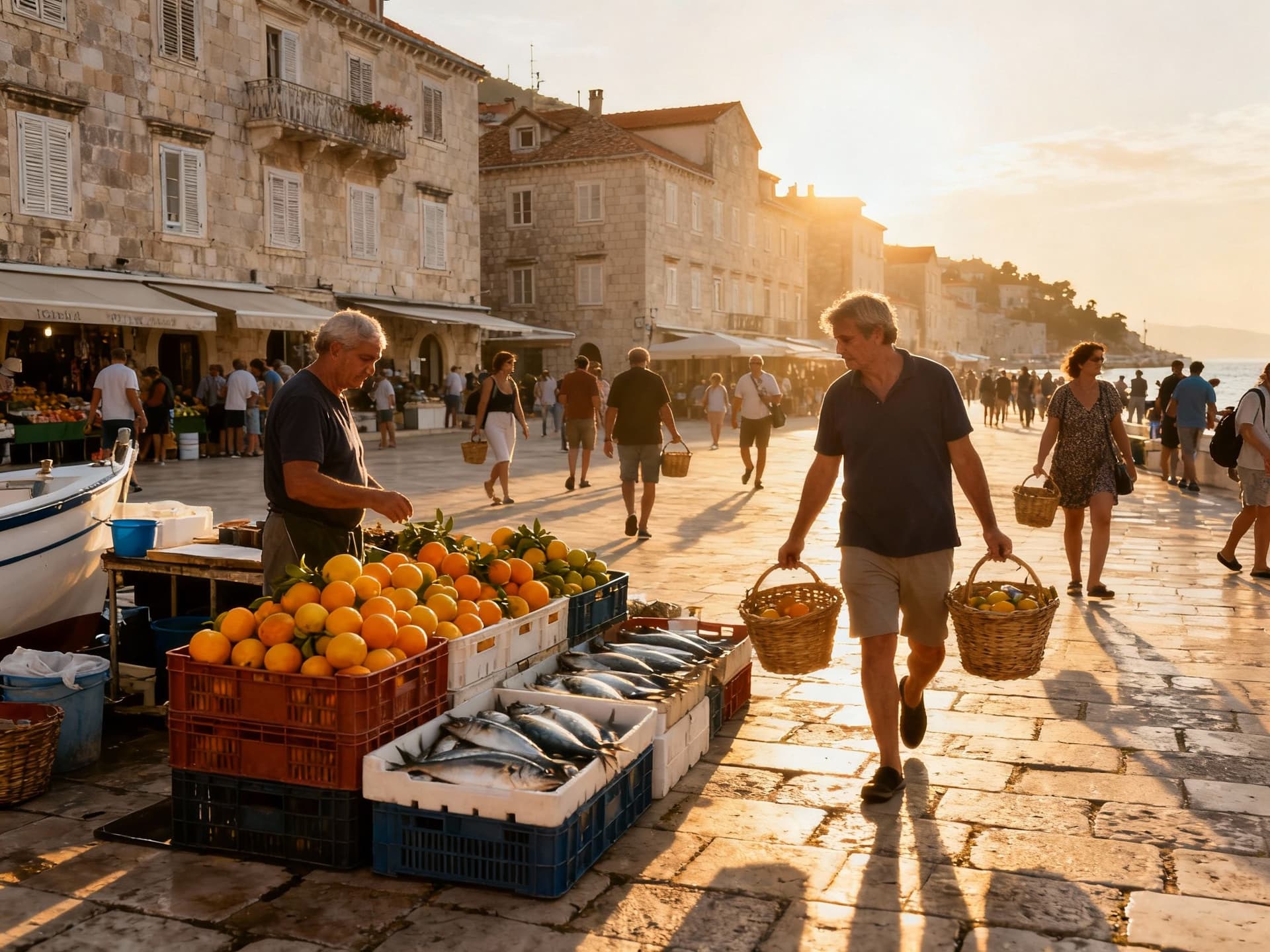
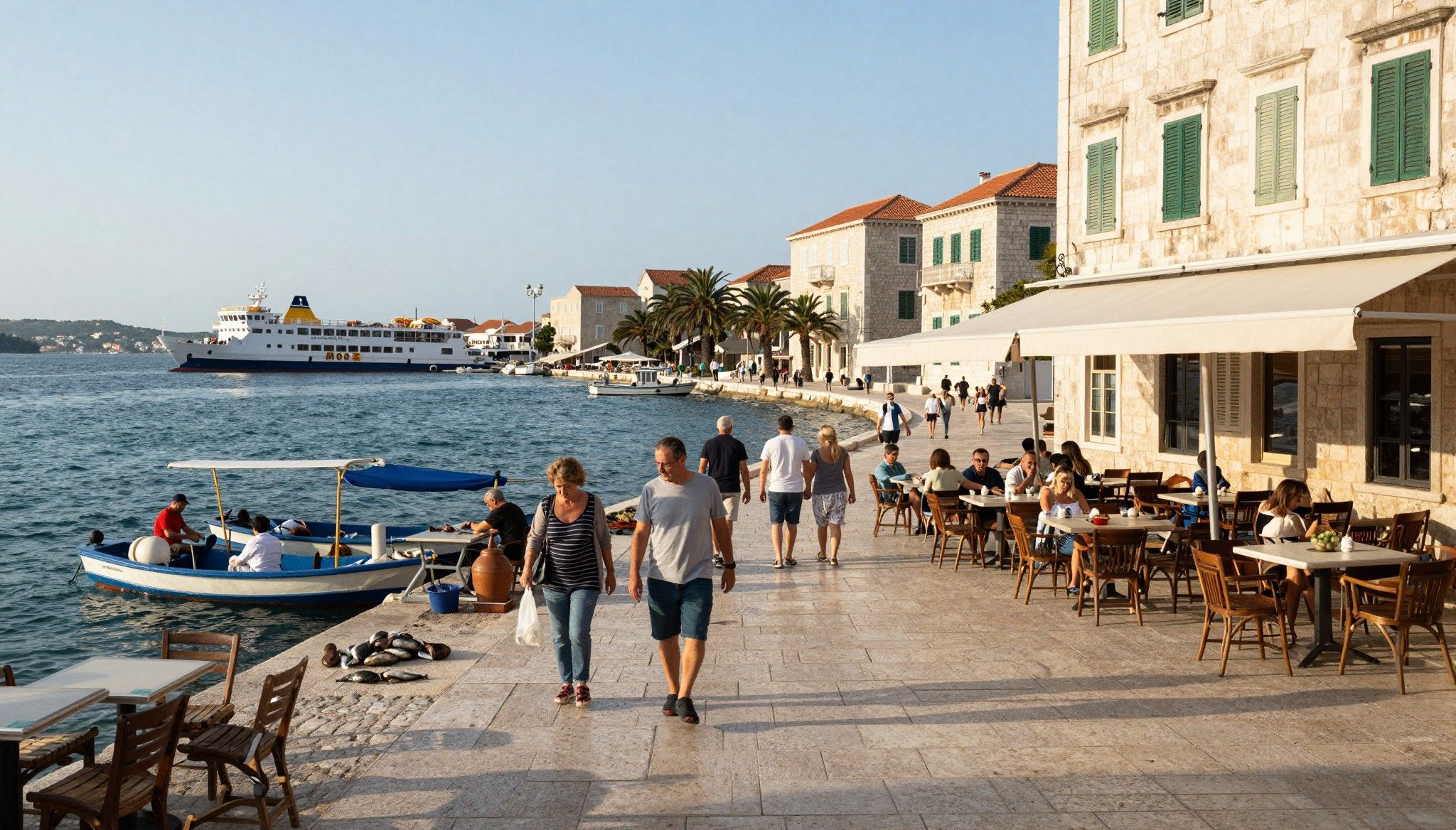
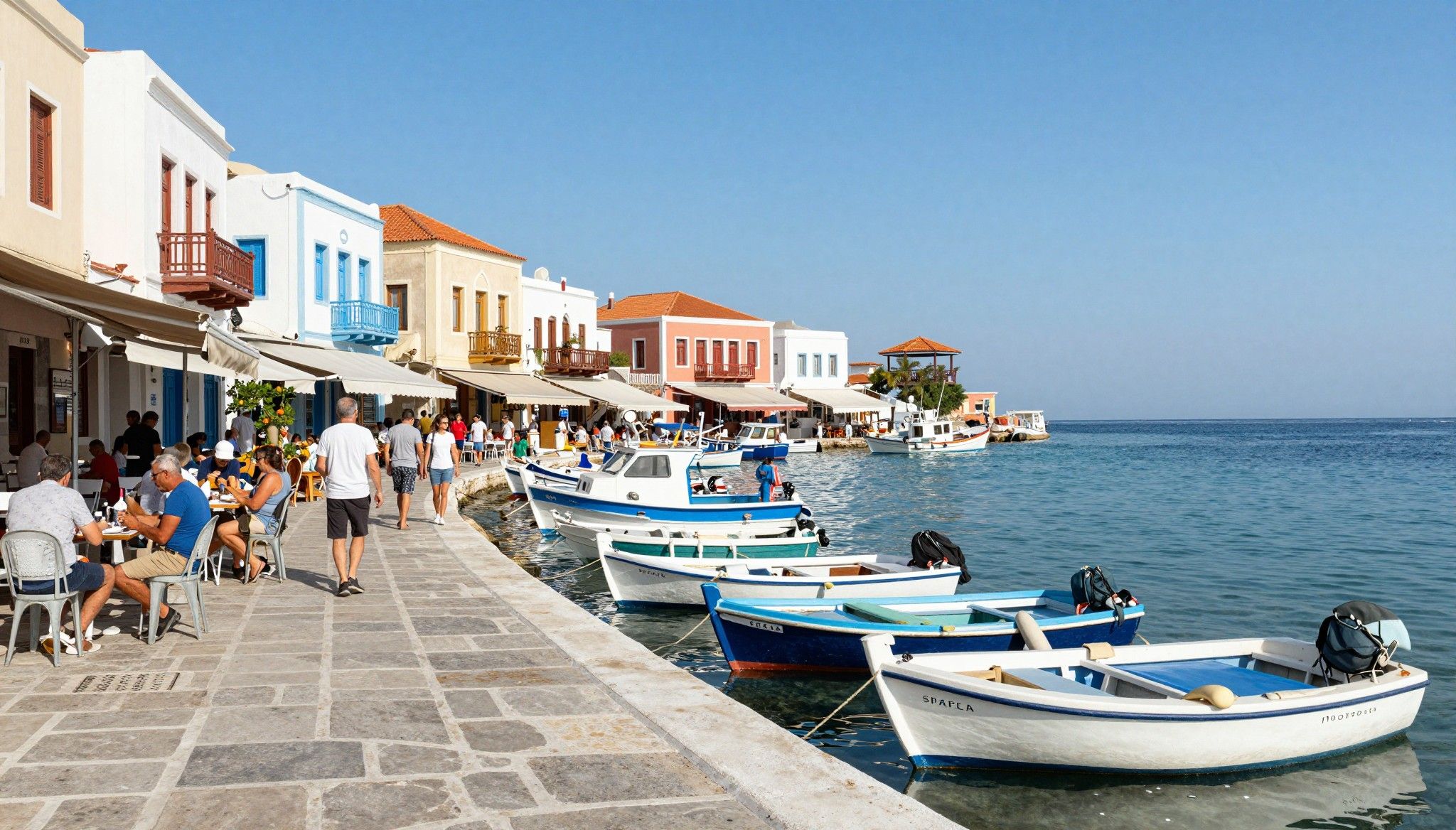
Croatia moves at two speeds: sun-drenched Adriatic summers and calm, sociable off‑season months when markets, cafés and galleries reassert local life. In coastal towns like Dubrovnik, Hvar and Rovinj mornings belong to market stalls and fishermen; afternoons fill with terrace wine and passing yachts. Inland, Zagreb and Osijek have a year-round cadence — neighbourhood cafés, weekly farmers’ markets and cultural programmes that attract a different tenant profile: longer stays, business travellers and urban renters. For buyers, this split matters because rental demand, pricing and maintenance requirements vary by season and by micro‑location within each city or island.
Coastal old towns: charm versus cost
Walk Dubrovnik’s Stradun and you’ll feel the premium: UNESCO status, tight stone streets and constrained supply push prices higher than almost anywhere else in Croatia. But that premium is concentrated — a handful of historic cores capture outsized demand and short‑let rates while the surrounding neighbourhoods often show lower liquidity and higher maintenance costs due to heritage rules. If your target is income, measure occupancy and net yield, not headline rates: top nightly prices mean little if annualised occupancy is 60–70% and local rules or planned taxes reduce net returns.
Zagreb and the continental lift: four-season fundamentals
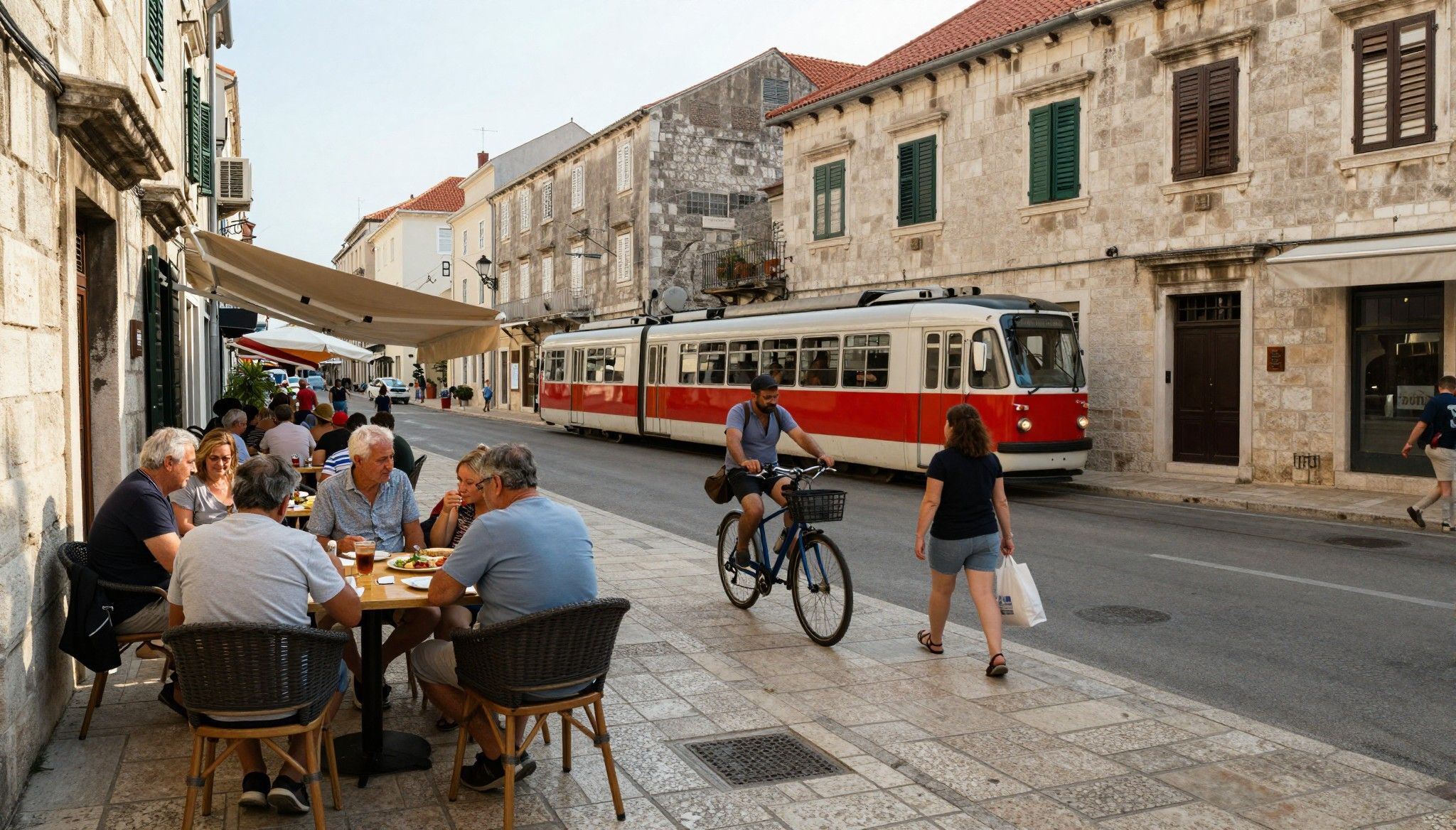
Zagreb’s 2024 bounce — a recorded rise in overnight stays and growing off‑season visitors — shows how inland cities are building steady demand beyond summer tourism. The Croatian Bureau of Statistics reports significant increases in arrivals and nights for continental regions and Zagreb in 2024, reflecting more business travel, events and city‑break tourism. For investors seeking stable yields, capitals and secondary cities in continental Croatia often offer longer lettings, fewer seasonal vacancies, and clearer comparables for underwriting. That steadier profile typically produces lower headline growth but higher occupancy and predictable cash flow.
Making the move: property types, market signals and practical tradeoffs
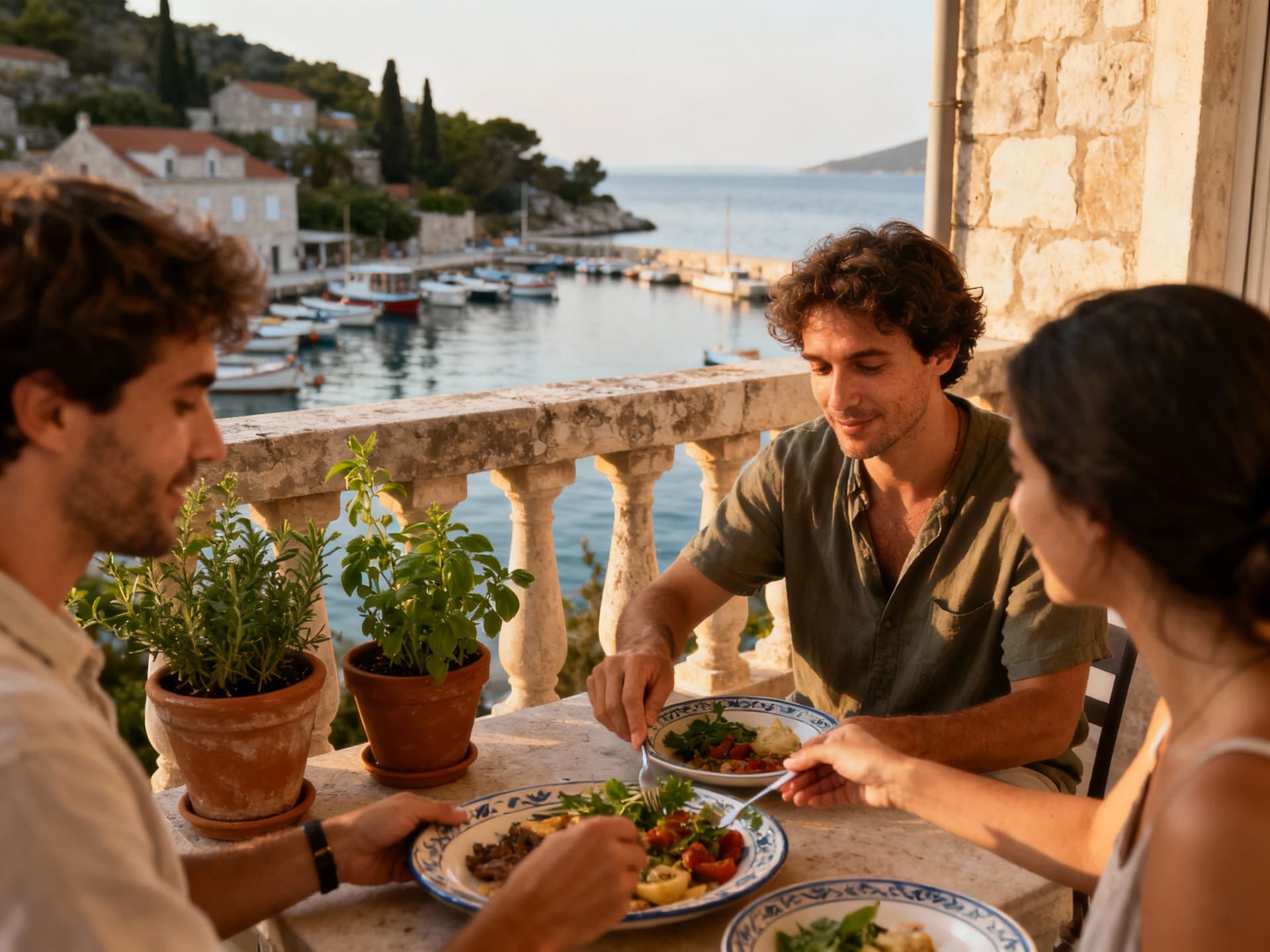
Croatia’s house‑price index rose materially through 2024 and into Q1 2025, signalling price appreciation across many areas but with notable geographic concentration. A higher HPI does not mean every street is overvalued — it means you must read sub‑market indicators: price per sq.m., transaction volumes, new‑build pipeline and short‑let penetration. For investors, the tradeoff is simple: coastal historic units are scarcity plays with high capex risk; inland apartments and new‑builds offer steadier yields but lower capital upside. Use granular comparables, adjust for seasonality in revenue models, and stress‑test occupancy assumptions.
Property styles and how they map to lifestyle and returns
Stone‑house restorations on islands appeal to owner‑occupiers and high‑net‑worth tourists but often carry complex renovation permits, seismic upgrades and higher running costs. Modern apartments in Zagreb or Split present lower capex and appeal to long‑stay renters, remote workers and local professionals. New‑build coastal developments can look attractive on paper but watch developer margins, delivery timelines and tourist seasonality that affect short‑let revenue. Align the property type to your strategy: lifestyle/owner use, seasonal short‑let income, or long‑term urban rental yield.
Six steps to underwrite a Croatian purchase with both lifestyle and returns in mind
1) Define your objective: owner-occupier, steady rental yield, or seasonal arbitrage. 2) Pull neighbourhood-level comps for price/sq.m. and occupancy — coastal old towns vs inland cities differ meaningfully. 3) Model net yield using conservative occupancy (50–70% coastal short‑let; 80–90% coastal long‑let or urban units) and include maintenance, utilities and property tax scenarios. 4) Check regulatory and tax shifts that affect short‑lets and property taxes, and model a downside tax case. 5) Inspect heritage rules and building permits for older properties that increase capex. 6) Engage local property managers to validate rental demand and operating assumptions.
Insider knowledge: taxes, seasonality and the underrated risks investors miss
Croatia’s recent policy discussion to shift tax burden toward property and discourage short‑term vacancy is a material market driver for 2025 and beyond. Reuters reported planned tax changes (rates per sq.m. and exemptions for long‑term lets) intended to reallocate unused or tourist‑only housing into longer leases. For investors, that can compress short‑let margins while creating opportunities for those offering year‑round tenancies. The key is modeling both the announced tax scenarios and a conservative case where local authorities increase enforcement of existing rules on short‑lets.
Seasonality: how a summer paradise becomes a winter puzzle
Tourism data shows Croatia’s peak months generate outsized revenue and occupancy; Dubrovnik or Hvar can fill at high rates from June to September but drop dramatically outside that window. National figures for 2024 reveal strong total arrivals and nights, but those totals mask intra‑season volatility that matters for annualised yield. Plan for vacancy, utility costs during unused months, and marketing to shoulder‑season visitors — or choose properties in continental cities and university towns where occupancy is steadier across the year.
Practical red flags I’d look for before signing in Croatia
• Heritage restrictions that triple renovation time and cost; verify with local conservation office. • High short‑let concentration: when >20–30% of stock is seasonal rentals, expect community pushback and regulatory tightening. • Poor transport links: islands without reliable ferry schedules shrink your tenant pool. • Unclear title chains or inheritance claims on rural properties; insist on a detailed historical title search. • Inflated agent comps based on “holiday pricing” rather than annualised rent; insist on net yield figures.
Conclusion: Croatia offers a vivid lifestyle — seaside mornings, market afternoons and cultural winters — and real investment opportunity if you treat it as a set of distinct sub‑markets rather than one countrywide bet. Use data: tourism flows, HPI trends and announced tax changes to stress‑test returns. Work with agencies who provide granular comps, local tax scenarios and property management plans that map to your chosen strategy. If you love Croatia for its life, pick a property that supports that life and match it to an underwriting model that respects seasonality, regulation and realistic net yields.
Dutch investment strategist who built a practice assisting 200+ Dutch clients find Spanish assets, with emphasis on cap rates and due diligence.