Why Cyprus’ 'Bargain' Image Misleads Investors
Cyprus offers sunlit lifestyle and varied yields—national averages hide district-level divergence, seasonal cashflow risk, and infrastructure constraints investors must underwrite.
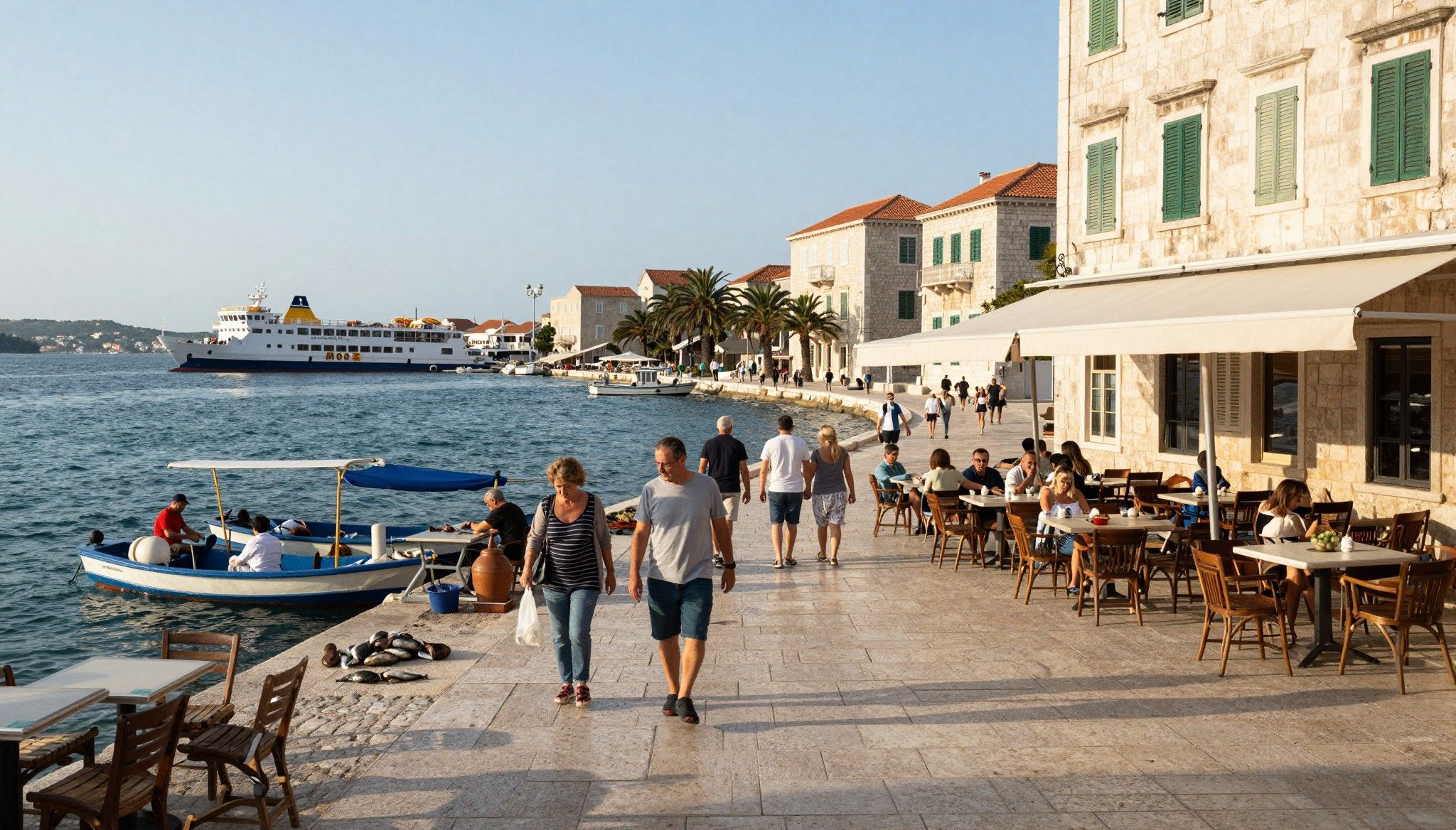
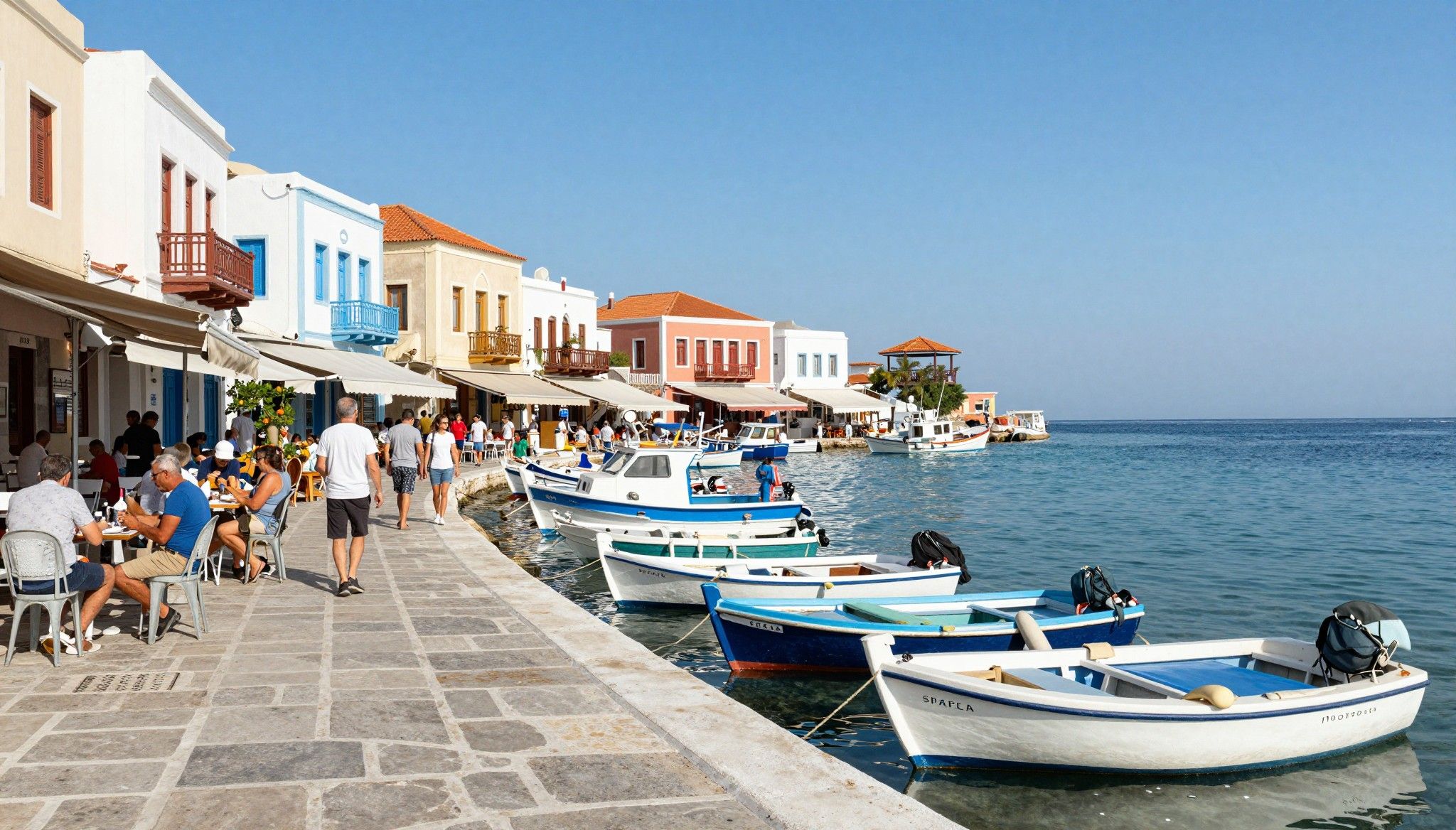
Imagine walking the seafront at Limassol Marina at 8am: fishermen push off, café tables fill with expats and locals, and cranes hum behind new developments. That mix—salt air, holiday traffic and an ever-present construction rhythm—explains why Cyprus feels simultaneously laid-back and very much on the move. For investors, this sensory reality masks a technical profile: cyclical tourism flows, district-level price divergence, and infrastructure constraints that reprice risk in ways headline averages don’t capture. Recent tourism and housing data show the headline story (growing arrivals, modest house-price rises) — but the investment truth lives at street and district scale.
Living the Cyprus lifestyle
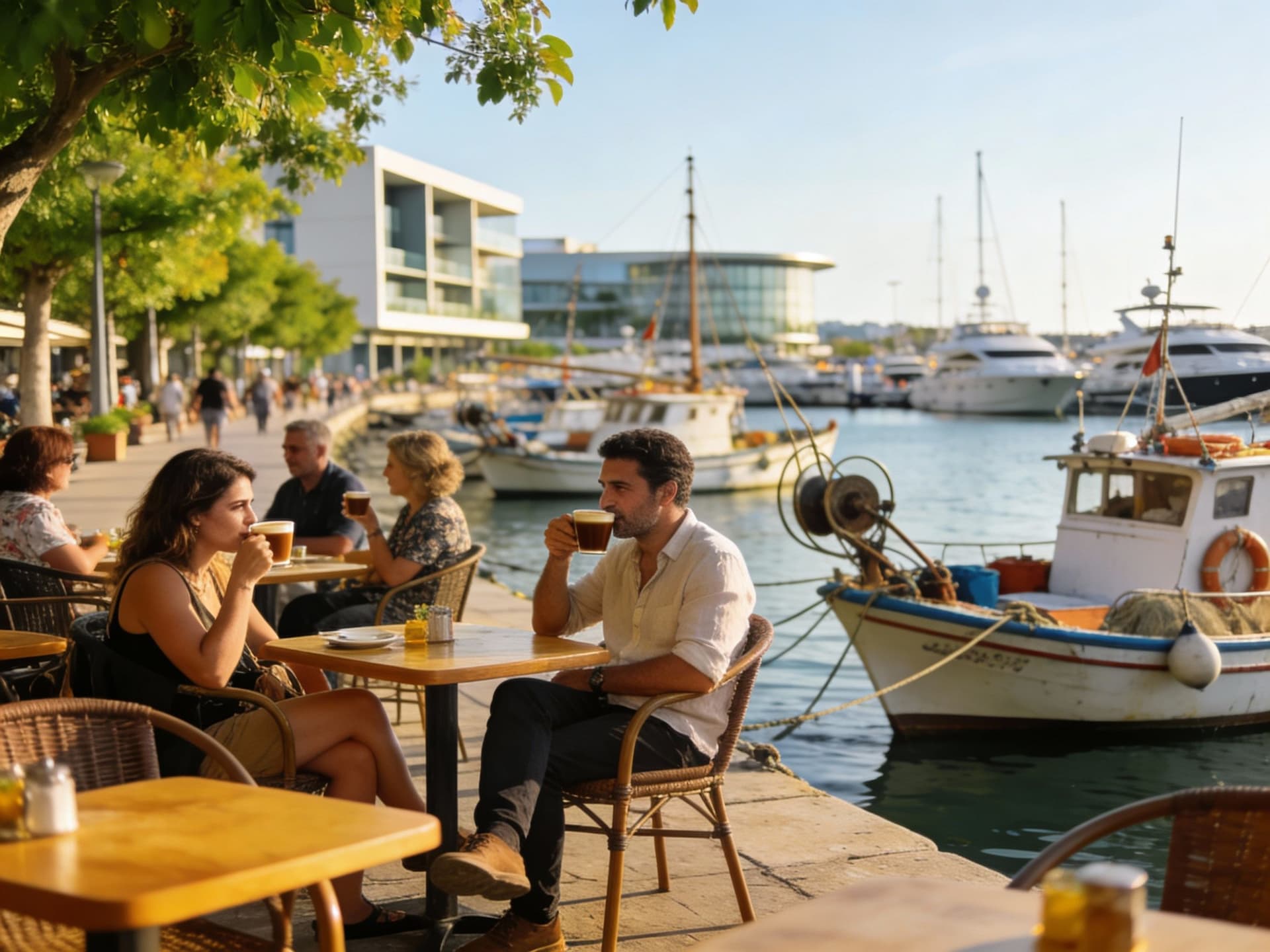
Cyprus is not one island of a single tempo; it’s five or six rhythms layered together. Mornings mean espresso and halloumi in Paphos’ old quarter, afternoons mean beach volleyball and pastries in Ayia Napa, and evenings mean tavernas and long local conversation in Larnaca’s Finikoudes. Expat enclaves cluster differently: remote workers and families gravitate toward Larnaca and Paphos for calm and schools, while high-net-worth buyers concentrate in Limassol for yacht access and international schools. That combination creates different rental pools — short-stay tourists, seasonal holiday renters, and year-round professionals — each with distinct yield profiles investors must underwrite.
Neighborhood spotlight: Limassol, Paphos and Larnaca
Limassol’s Marina and Agios Tychonas offer waterfront new builds with concierge services and short-stay demand, but also higher price per sq.m. Paphos’ old town and the Coral Bay corridor combine cultural tourism and affordable stone villas that now show faster price acceleration. Larnaca, with its airport and growing tech scene, is quietly becoming the year‑round rental market for professionals. Understanding which neighborhood supplies which tenant type will determine whether you buy for yield or capital growth — and often they’re not the same places.
Food, seasonality and community rituals
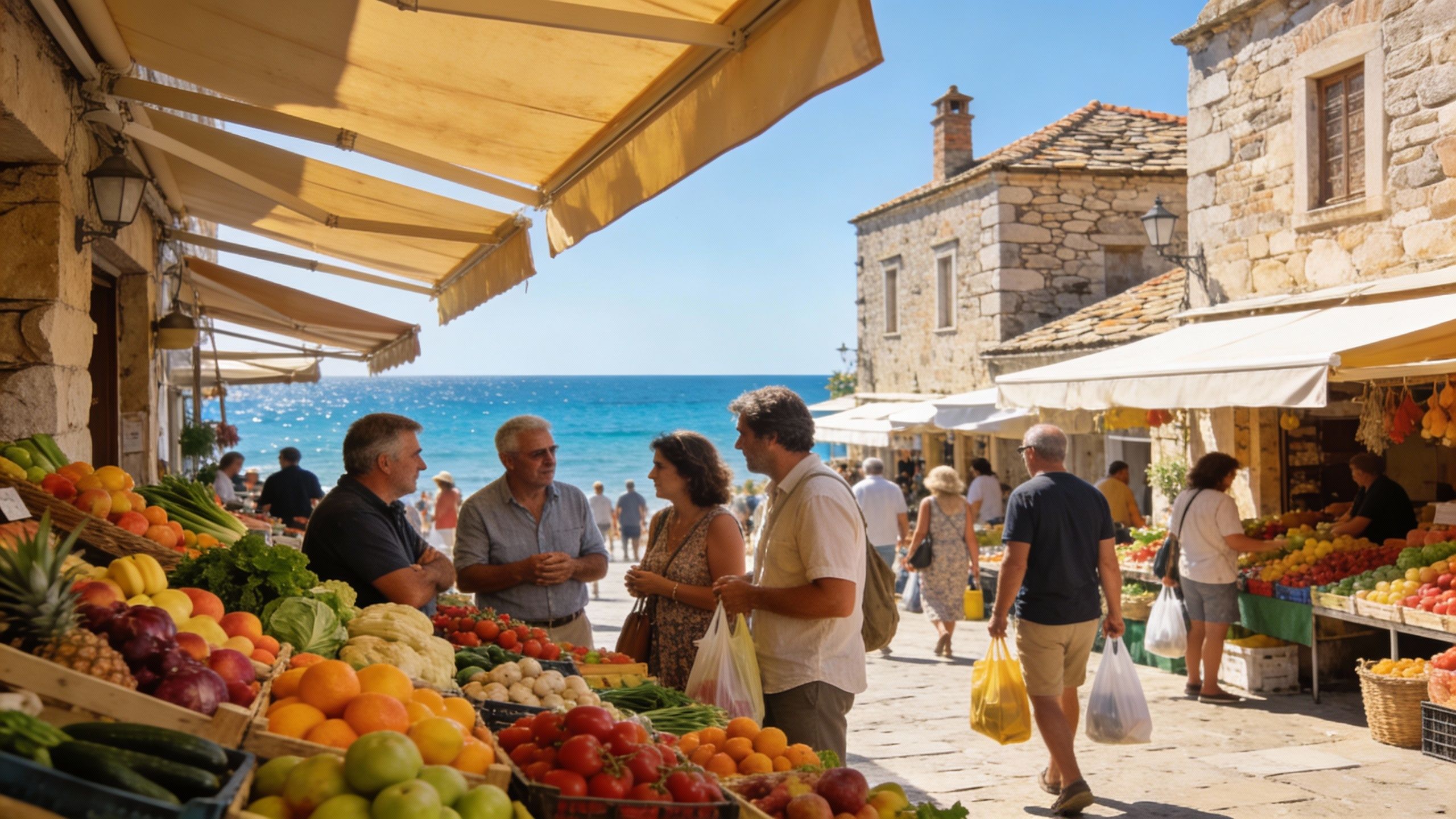
Picture a Saturday: farmers’ markets in the Troodos foothills, seaside fish tavernas in Paralimni at dusk, and winter citrus harvests inland. Seasonality shapes cashflow—peak summer months drive short-stay revenue but also peak operating costs and wear. The national House Price Index rose modestly in early 2025, but that national average conceals district-level spikes and soft patches. When you buy in Cyprus, you buy into a seasonal calendar as much as a property type.
- Lifestyle highlights (places to experience before you buy): - Limassol Marina cafés and the pedestrian Promenade for yacht-based demand - Paphos Old Town and Coral Bay beaches for steady holiday bookings - Larnaca Finikoudes and Airport-adjacent apartments popular with long-term tenants - Ayia Napa bay neighbourhoods for high-season short-stay yields - Troodos villages for buyers seeking renovation projects and slower growth
Making the move: practical considerations that preserve lifestyle value

Turn the lifestyle map into an investment worksheet by matching demand type to property features. The Central Bank’s Residential Property Price Index shows house prices outpacing apartments in recent quarters, meaning standalone homes may deliver different capital paths than flat investments. Macro growth forecasts and tourism recovery underpin base demand, but local constraints—water stress, road capacity, licensing delays—are the knobs that move returns. Treat every prospective purchase as two bets: one on lifestyle desirability and one on the local supply/demand mechanics that set net yield.
Property styles and how they match everyday life
Apartments near the seafront rent well to seasonal and long-stay tenants but require active management for turnovers and cleaning in summer. Semi-detached and detached houses inland attract families and longer leases, lowering vacancy risk but increasing maintenance and insurance costs. New build complexes bring amenities that shorten marketing time to tenants, while traditional stone houses near villages appeal to buyers seeking capital growth through renovation. Align the property’s tenant profile with how you want to use the asset: passive cashflow or hands-on value creation.
Work with experts who understand lifestyle and numbers
- Practical steps to marry life and underwriting: 1. Map tenant types to neighbourhoods (short-stay in Ayia Napa/Paphos; year-round in Larnaca/Nicosia). 2. Stress-test yields for off-season months — assume 30–60% seasonal occupancy for tourist-heavy properties. 3. Require district-level HPI and rental comps from your agent; national averages are insufficient. 4. Add contingency for utilities and infrastructure risk (water restrictions, grid or road upgrades). 5. Secure local property management with references to avoid surprise operating costs.
Insider knowledge: what expats wish they’d known
Expat homeowners often report the same surprises: municipal bureaucracy runs on island time, seasonal utilities stress peaks in August, and the resale market values documented rental history more than glossy staging. Water shortages have become a material operational risk during peak season, prompting government investment in desalination that investors must factor into operating assumptions. Cultural norms about renovations and neighbour relations also affect renovation timelines—expect permits and neighbour buy-in to take longer than in many Northern European markets.
Cultural integration and day-to-day community life
Learning a few Greek phrases, joining a local church festival, or shopping once a week at the municipal market will speed social acceptance and smooth practical tasks like hiring tradespeople. English is widely spoken, especially in business and tourism hubs, but understanding local negotiation styles and timelines reduces friction. These soft factors translate to hard returns: better tenant retention, easier renovations, and lower vacancy costs.
Long-term lifestyle and value considerations
- Factors that reprice long-term value: - Tourism growth and diversification into year‑round segments (business travel, conferences). - Infrastructure investment (airport routes, desalination, road upgrades) that expands viable rental seasons. - District-level supply additions—new build completions in Limassol vs limited stock in traditional villages. - Regulatory changes affecting short-term rentals and residency rules.
Conclusion: Cyprus offers a lifestyle that is easy to love and a market that rewards local nuance. Fall for the island—the cafés, the beaches, the festivals—but underwrite the purchase like a portfolio manager: district comps, seasonal stress tests, and conservative expense assumptions. Work with agents who can show you tenancy data, permitted supply pipelines, and local utility risk mitigation plans. Once you’ve matched neighbourhood, property type and tenant profile, Cyprus can be an effective diversifier: part lifestyle, part cashflow, and part strategic carry in a balanced portfolio.
Norwegian market analyst who relocated from Oslo to Mallorca in 2016, guiding Northern buyers through regulatory risk, currency hedging, and rentability.