Beach Hype vs Real Yield: Where Cyprus Pays You Back
Cyprus’s tourism rebound masks where true investor returns live: city cores and off‑radar districts often deliver steadier net yields than headline beachfronts.

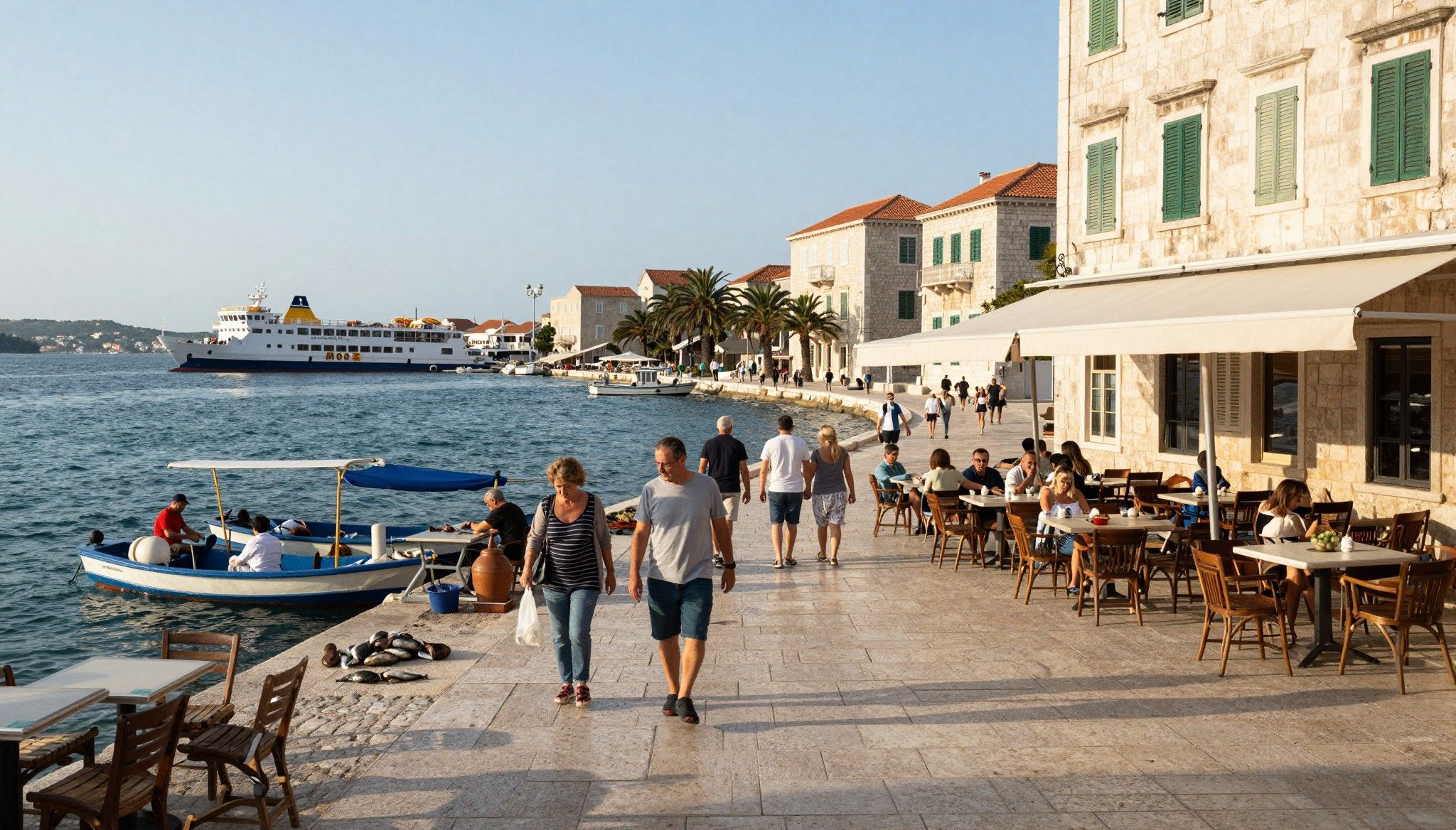
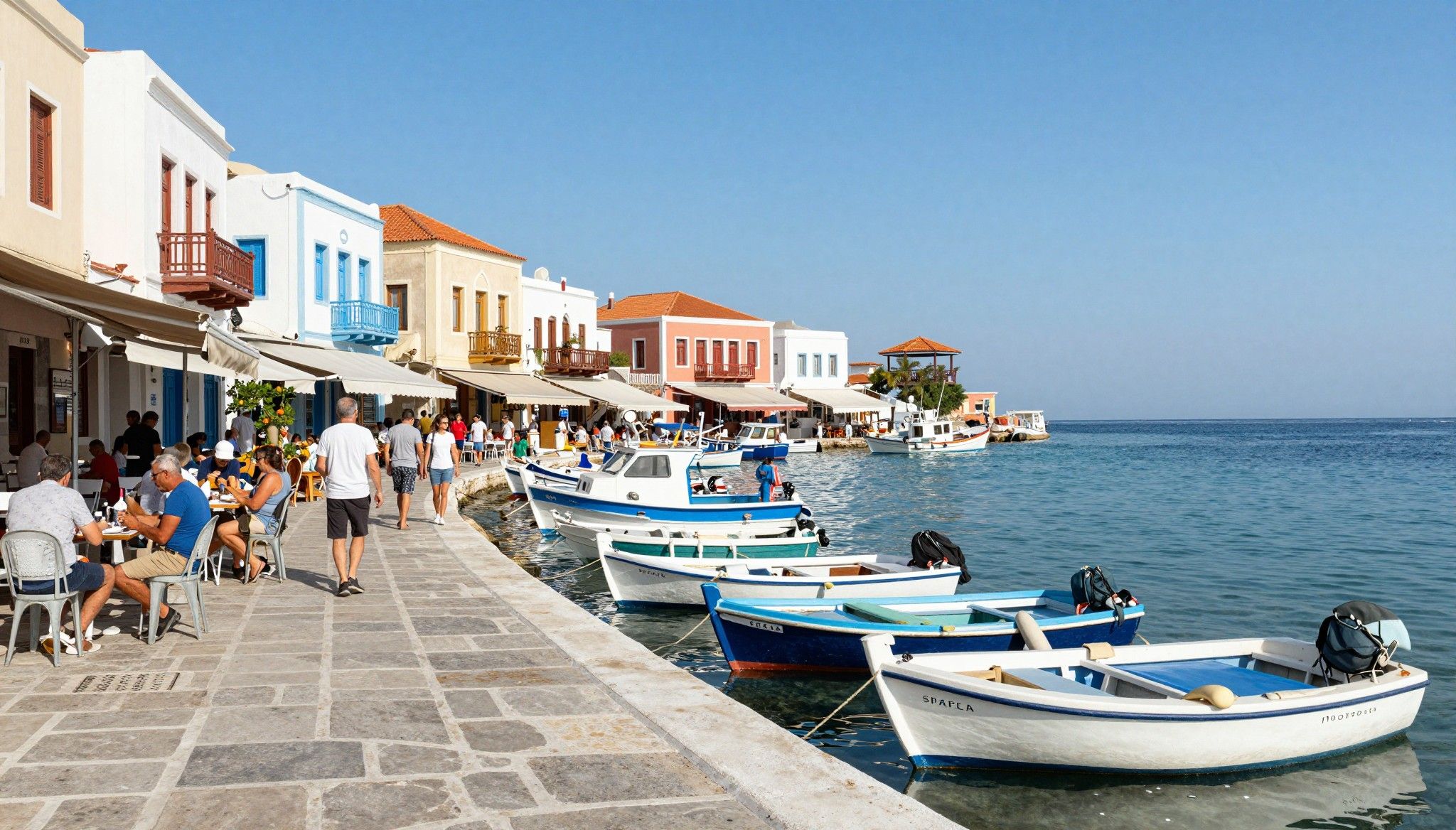
Imagine waking on a narrow street in Paphos — bougainvillea on a low wall, a café where pensioners argue over chess, and a rental enquiry arriving by message for the apartment you bought last year. Cyprus sells that scene in brochures: sunlit beaches, Limassol’s marinas and coastal glamour. Data tells a more useful story: tourism recovered strongly in 2024 and housing-price growth has slowed, which reshuffles where rental cashflow and capital resilience actually live. This guide pairs life‑on‑the‑island colour with the numbers investors need to choose districts that pay, not just please.
Living the Cyprus lifestyle — what actually matters
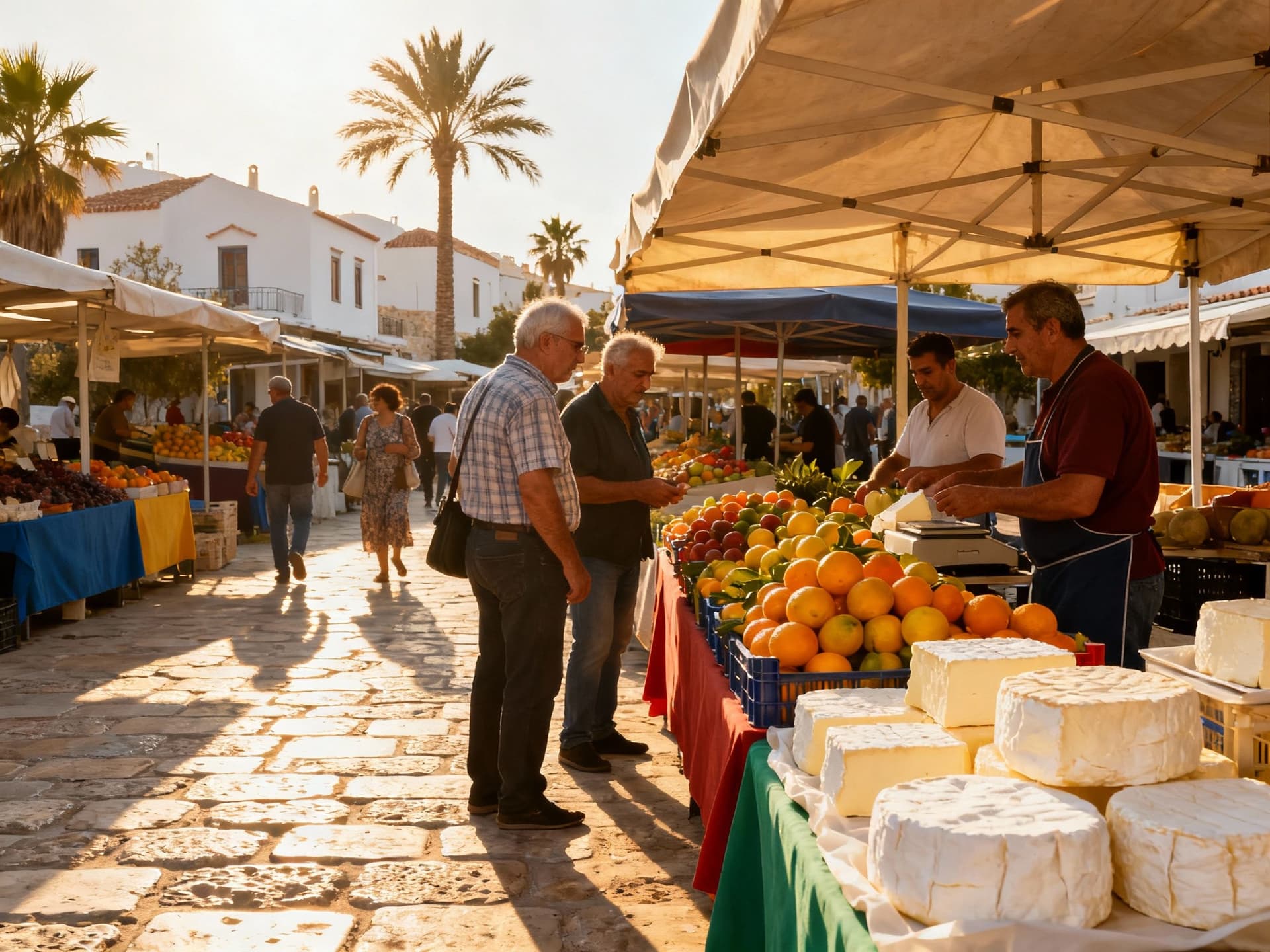
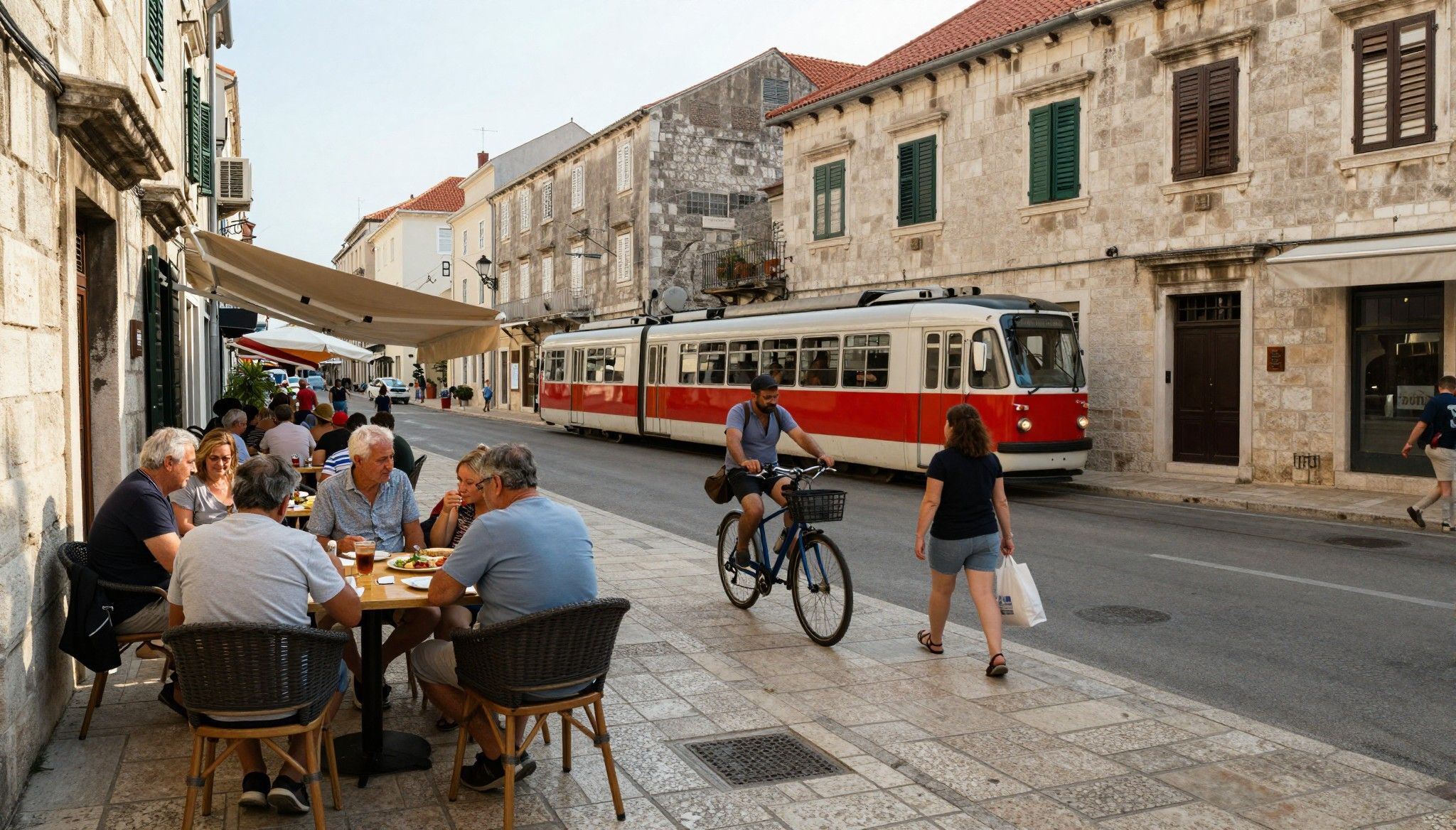
Cyprus feels like two holidays stitched together: convivial coastal towns where cafés spill onto pavements, and compact inland cities where weekday life is quietly dense. Weekends revolve around harbour promenades in Limassol, fish tavernas in Larnaca, and market mornings at Paphos’s municipal market. For buyers the practical point is simple: where locals live, work and travel year‑round matters more for rental stability than the headline beach photo.
Paphos: seasonal magic with emerging year‑round demand
Paphos still trades on tourist charisma — beaches, archaeology and compact scale — but tourism data shows rising longer seasons and stronger bed‑nights outside July–August. The Statistical Service reports over 4 million tourists in 2024 and specific district shares show Paphos taking a big slice of stays, which lifts short‑let revenue and hotel‑linked demand for managed rentals. Practically, that translates into higher short‑let peaks but also growing mid‑season occupancy that supports hybrid yield strategies (long lets outside peak months, short lets in summer).
Nicosia: steady demand, tenants who pay year‑round
Nicosia is not glamorous, but it is resilient: government, legal, and service‑sector employment keeps flats occupied across cycles. The HPI and Central Bank reports show slower island‑wide price growth in 2024–25, yet city rental demand remains stable — a desirable trait if you prioritise cashflow over capital appreciation. If you want steadier net yields, city‑core apartments near offices, universities and hospitals outperform many coastal holiday properties on occupancy.
Making the move: marry feeling with metrics

Buying in Cyprus is still buying a lifestyle — but success comes from translating that lifestyle into repeatable income. The Central Bank’s Residential Property Price Index shows decelerating price growth in 2024 and 2025, while tourism surges in 2024 (over 4 million arrivals) create pockets where short‑let rates and seasonal yields are strong. Your job as an investor is to quantify where those two data streams intersect and to underwrite returns on net yield, not brochure appeal.
Property styles that match how you’ll live — and rent
Studio and one‑bed apartments near transport and university precincts deliver the cleanest yields for long‑term lets; two‑beds near promenades or marinas are the short‑let workhorses. Global Property Guide and market trackers put gross yields for apartments around 4.5–5.5% in key centres, with Limassol often at the top of the range and Paphos/Nicosia competitive on the lower‑risk side. Always convert gross to net yield by subtracting 1.5–2 percentage points to account for management, vacancies, taxes and maintenance.
How local experts turn lifestyle briefs into underwritten assets
Work with agents who can supply ledger‑level rental data for the street you like, not just district averages. A good Cyprus agent will show seasonal occupancy curves, utility cost realities (water and desalination costs are rising), and real comparable rents rather than aspirational asking prices. That paperwork lets you run scenario stress‑tests — worst, base, best — across occupancy and pricing assumptions before signing.
Insider knowledge: red flags and contrarian plays
Two practical truths often missed by buyers who fall for the postcard: water and seasonality reprice returns, and headline beachfront addresses can underperform after costs. The government is funding desalination and pipe repairs because droughts hit supply; that raises operating costs for coastal developments and can change tenant expectations. Contrarian symmetry: inland towns with stable employment, like Nicosia or suburbs of Larnaca near the airport, often deliver steadier net yields than a glamorous seafront studio that sits empty 6 months a year.
The neighbourhood everyone avoids — and why it can pay
Areas labelled ‘industrial’ or ‘off‑market’— outskirts next to business parks or port infrastructure — are the classic yield arbitrage. Rents are lower, purchase prices are depressed, but these locations attract workers, logisticians and long‑stay tenants willing to pay for convenience. A 10–15% discount on purchase price can offset lower headline rents and produce comparable or superior net yields to the beachside ‘instagram’ unit.
Season timing: when buying in Cyprus actually hurts returns
Buying in late summer to catch the coastal 'buzz' often overpays: listings peak, sellers price for tourist demand, and you end up underwriting higher purchase costs. Data from 2024–25 show growth decelerating, so patience pays — negotiate in shoulder seasons (autumn or winter) when listing volumes rise and sellers discount. For hybrid short‑let strategies, secure purchase prices based on annualised rent, not peak‑month rates.
Practical checklist before you sign (lifestyle + numbers)
1) Request street‑level rent ledgers for 24 months to see seasonality and vacancy. 2) Convert advertised gross yield to net yield (subtract 1.5–2% + local taxes). 3) Check water supply and service charges; coastal resorts have rising desalination costs. 4) Compare purchase price per m² to Statistical Service and Central Bank indices by district. 5) Run three scenarios (70% occupancy, 50% occupancy, 30% occupancy) for short‑let cases. 6) Ask for tenant profiles — students, corporate, tourist — because turnover and maintenance needs change cashflow.
Conclusion — fall for the island, buy for the cashflow
Cyprus remains a compelling lifestyle destination, but smart buyers separate romance from returns. Use tourism momentum to boost short‑let revenue, lean on city fundamentals for year‑round cashflow, and prefer buys that survive a slower price growth cycle. Start with street‑level data, insist on realistic net yield scenarios, and partner with an agent who understands both the café where you’ll drink espresso and the balance sheet that pays for it.
Danish relocation specialist who moved to Cyprus in 2018, helping Nordic clients diversify with rental yields and residency considerations.