Croatia: Skip the Coast for Better Yields
Coastal Croatia dazzles — but policy shifts and seasonality now favour inland and urban assets for steadier yields. Pair a seaside dream with yield‑focused investments.
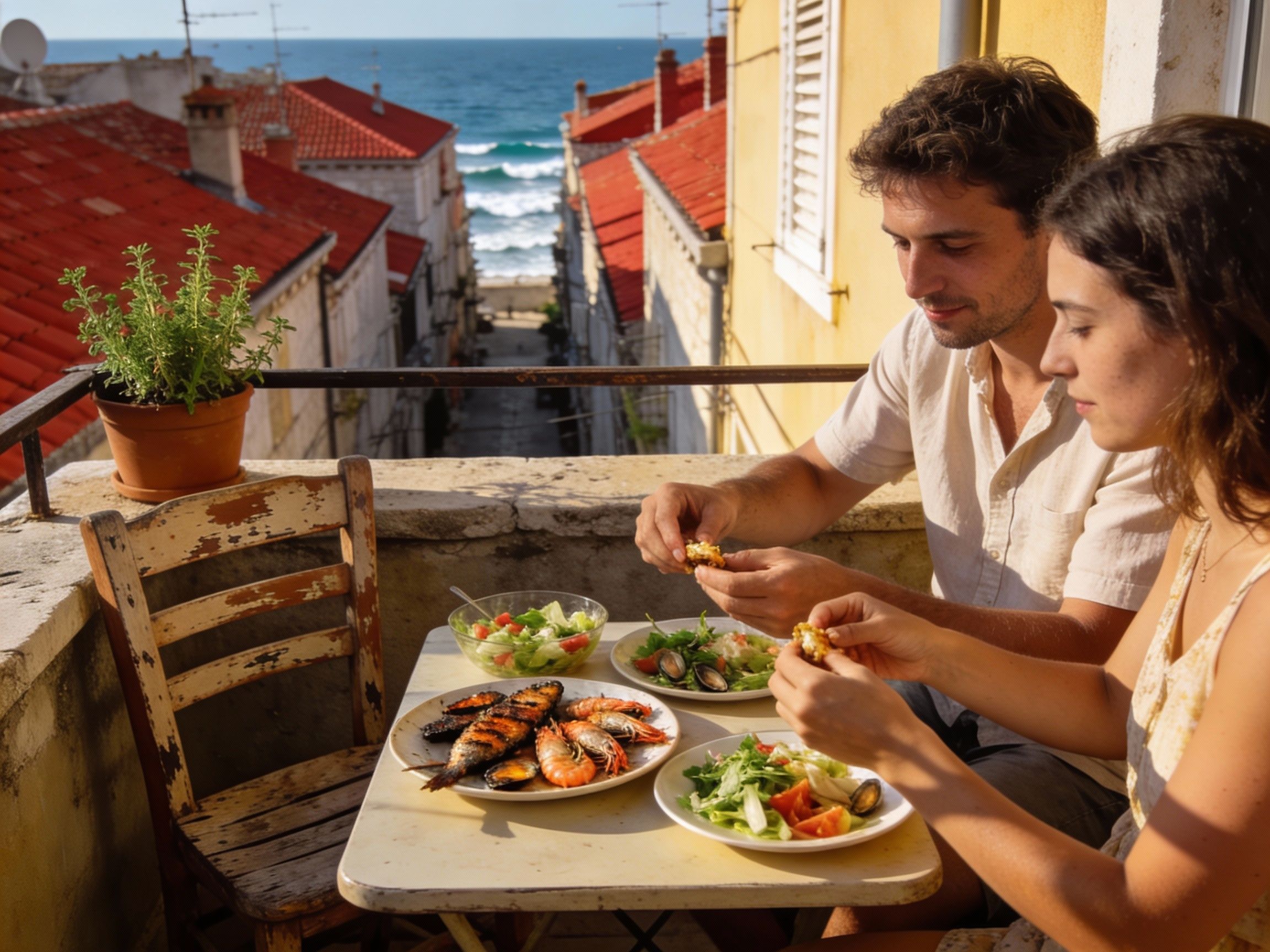
Imagine mornings at a Stari Grad café in Split, afternoons on a pebble beach outside Rovinj and a market basket of fresh fish and figs for dinner. Croatia feels like a Mediterranean postcard — warm light on stone, narrow alleys that end in harbours, and a distinct seasonal rhythm driven by tourism. But that romance masks a split market: intensely priced, tourist‑facing coastal properties and quieter inland pockets where yields and long‑term rental demand are often better than you’ve been told.
Living the Croatia lifestyle — what you actually get
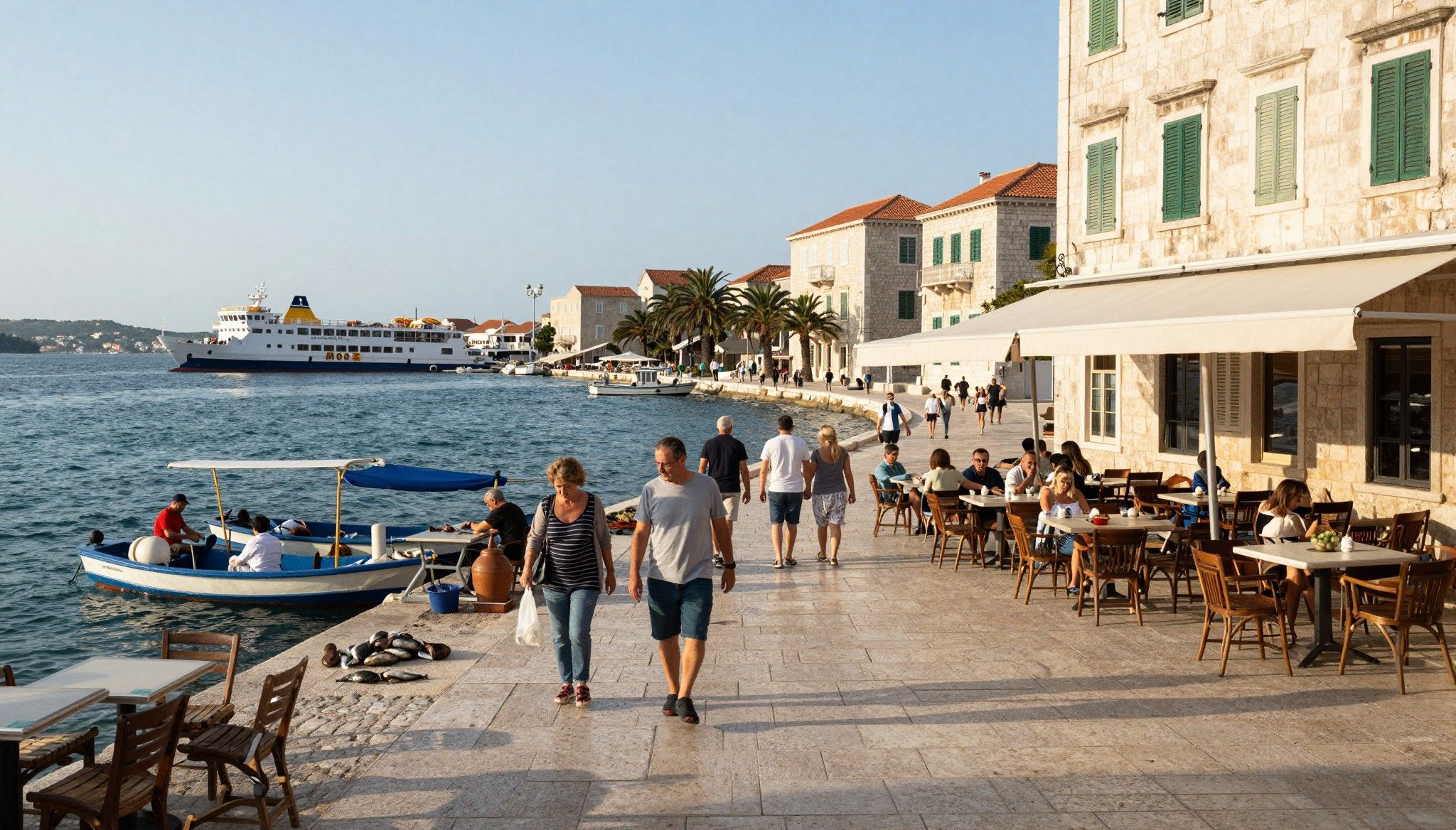
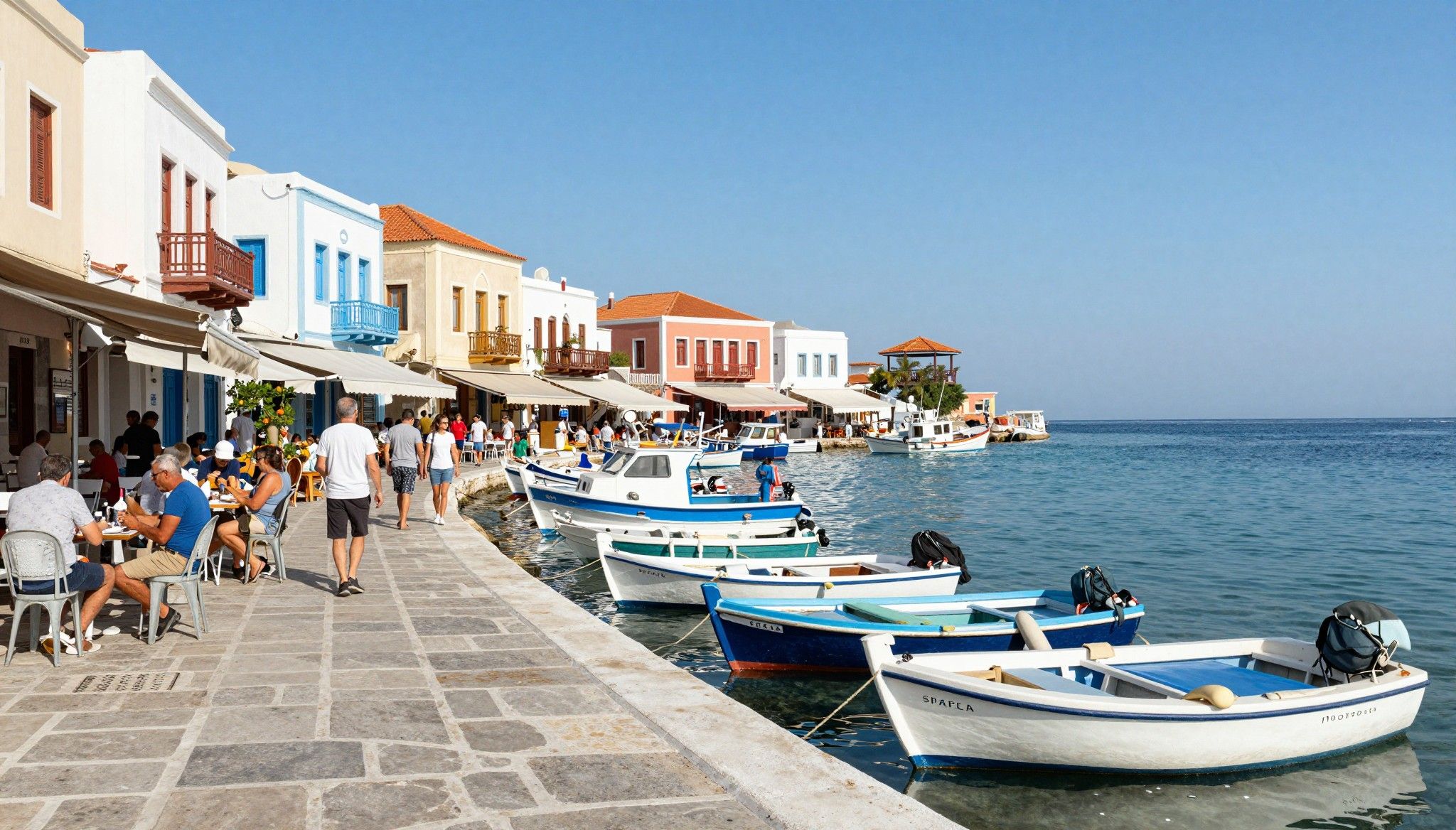
Living in Croatia is sensory and seasonal. Summers brim with outdoor cafés, waterfront promenades and festival energy; winters slow to a communal pace of markets, neighbourhood bakeries and local social life. The coast is festival and foreigner‑friendly; inland towns offer quieter community rhythms and more stable year‑round occupancy. Know which rhythm you want before you buy — your cashflows will follow the calendar.
Coastal icons: Dubrovnik, Hvar, Opatija
Dubrovnik’s Old Town and Hvar’s promenades are unmistakable draws — commanding premium prices (prime coastal m² in many reports exceed €4,000–€5,000). They deliver short‑term rental upside in summer but also higher regulatory and vacancy risk in shoulder months. For investors focused on high seasonal income, these create opportunity — but with concentrated operational complexity and policy risk.
Inland and secondary coasts: where locals live year round
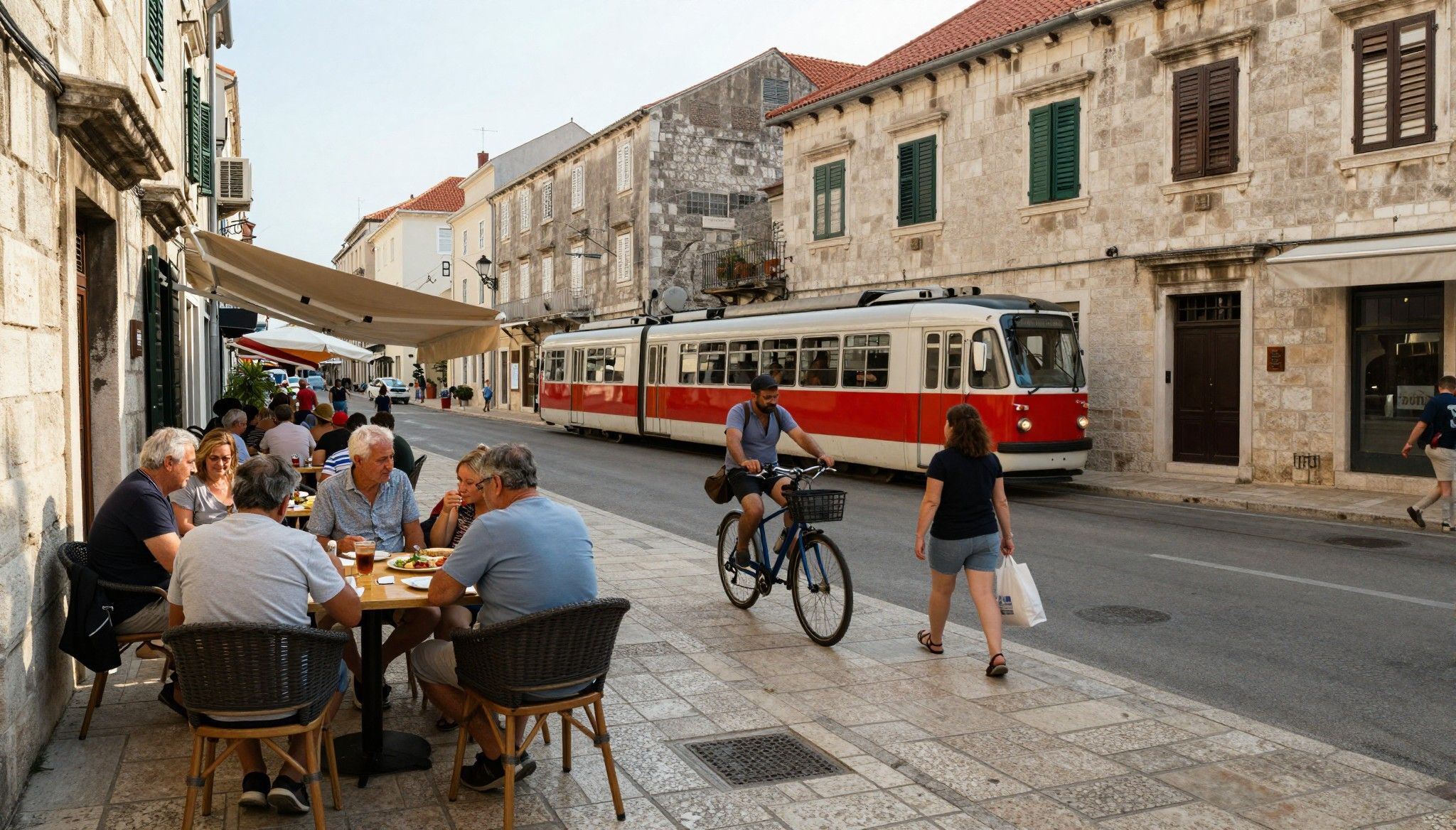
Places like Varaždin, Karlovac, parts of Slavonia and smaller Kvarner towns offer lower price per m² and steadier long‑term rental demand from local workers, students and domestic tenants. These markets trade lower headline capital appreciation for higher occupancy and simpler management — a desirable profile if you prize net yield over postcard‑perfect views.
- Lifestyle highlights — local things that shape where people want to live
- Morning espresso culture: Marmontova Street in Split; sunlit terraces in Rovinj.
- Weekend market rituals: Dolac market in Zagreb; fish markets along the Dalmatian coast.
- Seasonal festivals: Ultra‑seasonal hires drive short‑term demand in peak months.
Making the move: practical considerations that protect yield
The romantic image of Croatia can mislead buyers who assume coast = safe cashflow. Government moves to rebalance housing (including property taxation and short‑term rental controls) have materially changed the investment calculus. Recent reforms increase property tax pressure on speculative holdings and give municipalities tools to limit tourist licences — both of which compress gross seasonal returns and favour assets that perform year‑round.
Property types and how they translate to returns
Studio seaside apartments can produce high summer yields but often sit vacant in winter. Well‑located multi‑bed apartments near universities, hospitals or business parks convert easier to long‑term leases and smooth cashflow. Renovation of older inland stone houses can create attractive per‑m² returns if you target local rental pools rather than tourists.
Work with specialists who understand local calendars
Choose agencies or advisors who map micro‑seasonality (festival dates, marina openings, cruise schedules) and municipal rules (neighbour consent, registration systems). They’ll tell you not just the price but the likely occupancy curve. For many international buyers, that knowledge shifts preference from glamour markets to steady performers.
- Stepwise checklist to align lifestyle wants with yield needs:
- 1) Define your cashflow objective: gross vs net yield target and acceptable vacancy rate.
- 2) Map seasonality: identify months with >60% occupancy risk and local demand drivers.
- 3) Verify regulation: confirm municipal short‑term rental rules and property tax treatment.
- 4) Stress‑test operating costs: management fees, utilities, tourist taxes and renovation buffers.
Insider knowledge — what expats and long‑term investors say
Investors report two consistent lessons: (1) Croatia’s house price index has climbed materially in recent years, pressuring coastal entry prices; and (2) policy shifts since 2024–25 increase the cost of holding highly seasonal inventory. Together these trends favour acquisitions that perform outside the tourist high season and encourage blended strategies (one coastal showpiece plus inland yield assets).
Cultural and practical integration — what affects tenancy choices
Language matters less than local networks. Tenants favour properties near schools, hospitals, or employment centres; proximity to ferry lines or good road connections boosts both summer and winter rentability. Small details — building heating, insulation, winter access — change operating costs significantly and determine whether a property is suitable for long‑term leases.
- Expat red flags investors often miss
- Relying solely on summer occupancy and ignoring winter utility and maintenance costs.
- Buying in a building where neighbour consent or municipal bans can restrict short‑term lets.
- Underestimating renovation timelines for older stone houses used for year‑round rentals.
If you’re planning to live in Croatia part‑time, prioritise towns with consistent services and medical access rather than pure coastal beauty. For yield‑first investors, inland university towns, regional administrative centres and commuter belts around Zagreb present dependable and lower‑volatility returns.
Conclusion: Croatia’s market is no longer a single story. Coastal glamour is real but comes with concentrated price risk, seasonal dependence and tighter municipal controls. Savvy buyers reconcile lifestyle with rigorous yield analysis: buy one coastal dream for enjoyment, and balance it with inland or urban assets that deliver steady net yields and lower regulatory exposure.
- Next steps — practical actions before you write an offer:
- 1) Request a 12‑month occupancy heatmap and sample P&L from the agent.
- 2) Confirm municipal short‑term rental limits and any neighbour‑consent rules for the building.
- 3) Stress test returns with a 10–15% buffer for new property taxes and off‑season vacancies.
Picture this: a weekend morning buying bread at Dolac market, a summer afternoon in Split’s Riva, and a winter return to a small, rented apartment that pays for your coastal escape. That combination — lifestyle and disciplined investment — is Croatia’s real promise. Work with local advisors who map both calendars and cashflows; do so, and the romance becomes a responsibly managed asset.
British expat who moved to the Algarve in 2014. Specializes in portfolio-focused analysis, yields, and tax planning for UK buyers investing abroad.