The Cyprus District Investors Overlook (Better Yields)
Cyprus hides yield pockets beyond Limassol. District-level data shows quieter cities like Larnaca and Paphos offering stronger immediate yields — match lifestyle to tenant demand.

Imagine sitting at a marble-topped table in a narrow Limassol side-street café watching a delivery van unload fresh halloumi while a contractor measures a new balcony two doors down. Cyprus has that slow, sunlit momentum — islands of intense coastal activity and quieter inland rhythms — and the market reflects both. For buyers who want lifestyle and returns, the surprise isn't that Limassol is expensive; it's that quieter districts are quietly delivering better yields and real, long-term rental demand. According to a recent PwC report, total property transactions reached record value in 2024 even as foreign buyer share shifted.
Living the Cyprus rhythm
Cyprus life is coastal mornings and mountain evenings. Weekdays in Nicosia are businesslike — lawyers, banks, and embassy appointments — while weekends unfold at municipal markets, taverna tables and rocky coves. The island’s climate shapes routines: winter errands and café chatter, long, slow dinners in summer and months when tourists flood the coast. That seasonality matters for rentability and occupancy, but it’s less extreme than in many Mediterranean holiday islands — the island supports year‑round residents and remote workers as much as summer visitors.
Coastal vs inland: more than a price contrast
Limassol and Paphos headline headlines — Limassol for luxury, Paphos for holiday apartments — but the Central Bank of Cyprus shows district-level divergence in price growth and apartment versus house dynamics. Coastal districts have higher price-per-m2, yet inland towns and secondary coastal cities often record faster rental growth and higher gross yields because purchase prices start lower while local demand stays steady from long‑term tenants.
A day in an off‑radar neighbourhood: Larnaca’s corner cafés
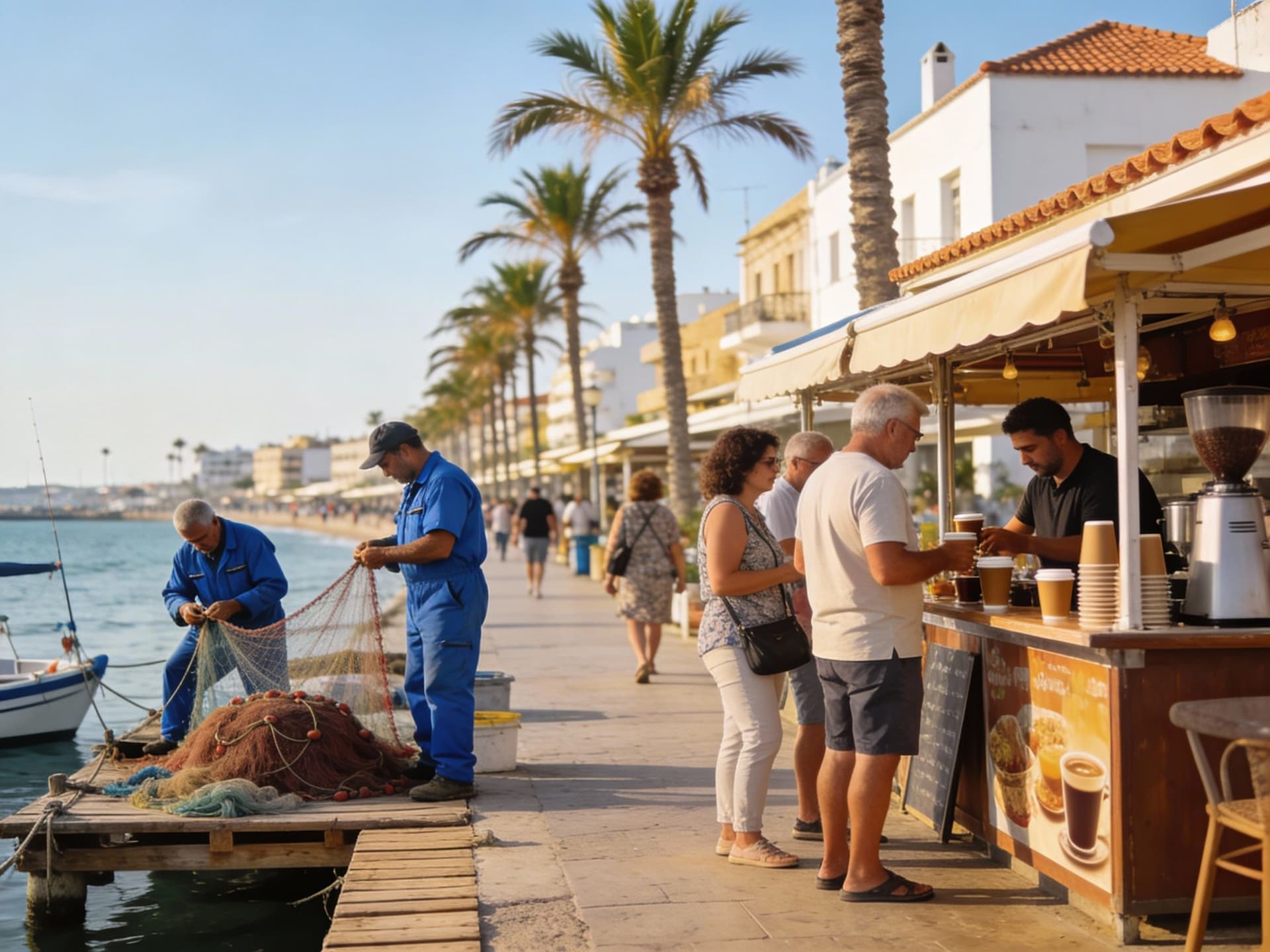
Picture Larnaca’s Finikoudes promenade at 9am: fishermen mend nets, office workers take espresso, and cleaning crews prepare short‑stay apartments. Larnaca recorded strong apartment sales in 2024, driven by a mix of locals and foreign buyers seeking better value than Limassol. That blend — working residents plus steady tourist spillover — is a recipe for consistent occupancy and resilient mid‑market rents.
- Lifestyle highlights to map to investment goals:
- Limassol seafront cafés and international schools — premium prices, low gross yield but strong capital-growth potential.
- Larnaca’s mixed-use centre and airport access — steady long‑let demand and better entry prices.
- Paphos coastal suburbs — holiday-season peaks but growing year‑round communities supporting mid-season occupancy.
Making the move: practical market signals

Dreams meet data here. Cyprus’s macro backdrop — above‑average growth estimates and resilient tourism — supports demand, but local supply constraints and construction costs influence where returns materialize. Use district-level indices, transaction volumes and building permit trends to separate hype from substance. The IMF’s recent outlook for Cyprus points to resilient GDP growth, which underpins rental demand and medium‑term capital appreciation.
Property types and who will rent them
Studio and one‑bed apartments near airports and university campuses attract students, short‑term professionals and remote workers; two‑ to three‑beds in central Larnaca or suburban Paphos suit families and long‑stay tourists; villas in Limassol serve premium corporate relocations and expat families. Align product type to tenant profile rather than the postcard view.
Work with local experts who track yields, not just listings
Choose agencies who publish net yield estimates, vacancy assumptions and recent comparable rents. Local firms with property‑management experience will supply forward rental yields and realistic operating-cost estimates — an essential counterweight to glossy brochure claims. Ask for historic cashflow examples from similar assets and a transparent fee schedule.
- A 5-step pre‑purchase checklist that blends lifestyle and returns:
- 1) Map tenant demand: airport proximity, university term dates, corporate hubs. Match unit type to that demand.
- 2) Verify local recent rents and vacancy rates with property managers, not just listing agents.
- 3) Stress‑test financing: model mortgage rate rises and 6–12 month vacancy scenarios to estimate net yield.
- 4) Inspect infrastructure: proximity to bus routes, the airport, schools and supermarkets materially affects occupier demand.
- 5) Secure a local lawyer experienced with property transfers, encumbrances and the Title Deed cadence in Cyprus.
Insider knowledge: what expats wish they'd known
Expats often tell the same story: they fell for a sunlit seafront listing in high season and only later discovered maintenance costs, seasonal rental volatility, or local council rules. The market’s 2024 data shows record transaction value, but foreigners’ share declined slightly — indicating that on‑the‑ground buyers are prioritising value over glamour. That shift creates pockets where disciplined investors can find higher immediate yields.
Cultural quirks that change where you buy
Local buying patterns favour family‑sized homes near schools and long‑term tenants in inland towns; holiday rentals cluster in coastal strips. Understanding how neighbours use a street — permanent residents versus short‑stay investors — changes expected turnover, management intensity and net income.
Long‑term lifestyle: where communities are stabilising
Areas with municipal investment in transport, refurbished seafronts or new schools tend to stabilise into predictable rental markets. The Central Bank notes modest construction upticks and shifting apartment/house price dynamics. For investors, that means looking beyond headline growth to infrastructure improvements that sustain rents and reduce vacancy risk.
Conclusion: fall for the life, plan with the numbers. Cyprus offers a mix of sunlit lifestyle and data‑backed opportunity — but value lives off the beaten path. Prioritise district‑level data, tenant profiles and operating cashflows; treat the island like a diversified mini‑market rather than a single seaside bet. If you want both the mornings at a café and a predictable net yield, work with on‑island experts who publish yield assumptions, show comparable cashflows, and stress‑test scenarios. That’s how you turn a Cyprus love affair into a repeatable investment outcome.
Danish relocation specialist who moved to Cyprus in 2018, helping Nordic clients diversify with rental yields and residency considerations.