Why buying in French summer can hurt your returns
Summer viewings in France often inflate price expectations; use INSEE trends and realistic mortgage assumptions to model seasonal demand and protect net yield.
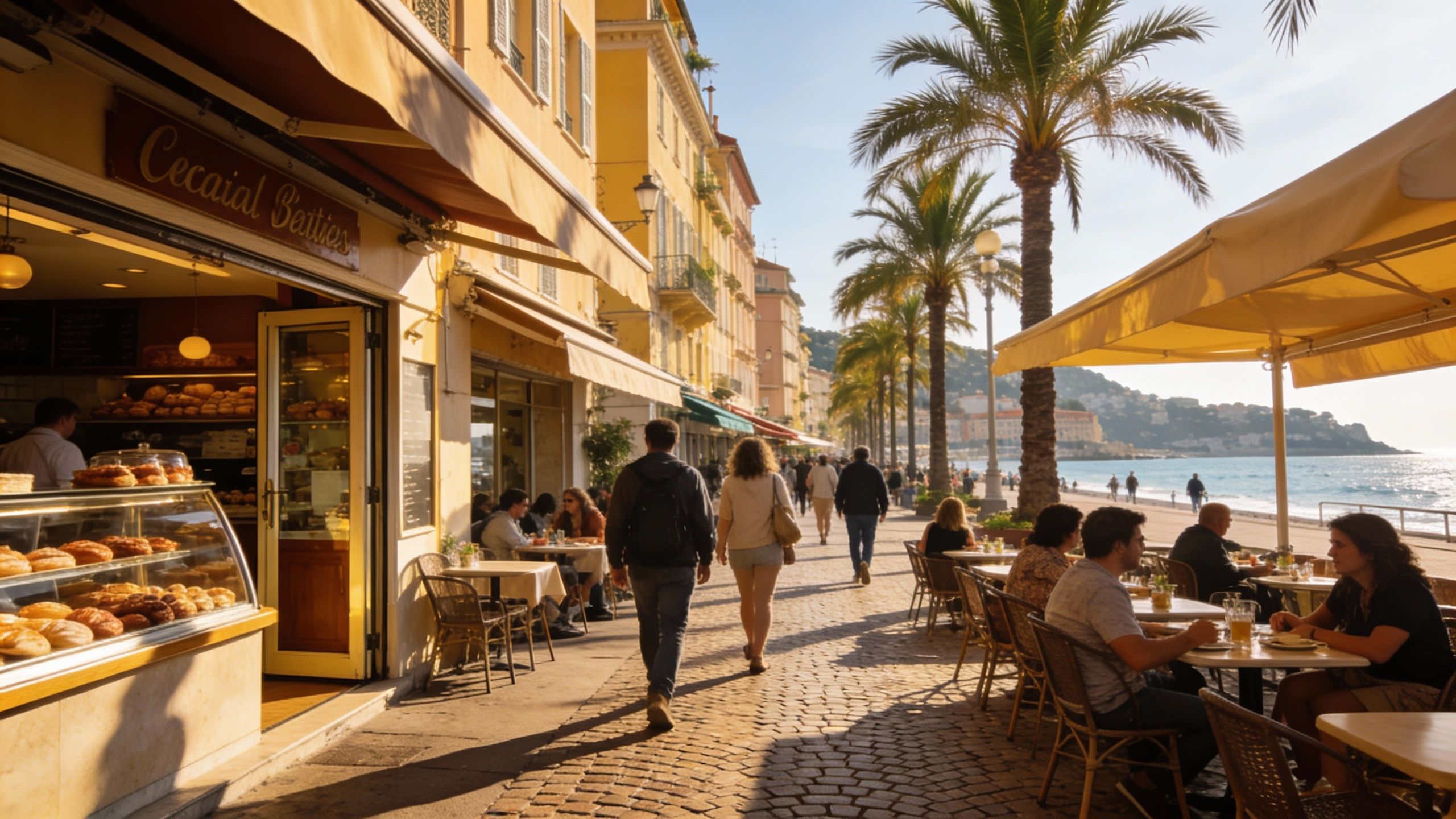
Imagine a late June morning in Aix‑en‑Provence: boulangeries spilling steam onto cobbled streets, a market stall selling peaches by the kilo and a real‑estate agent juggling three simultaneous viewing requests. That crowd‑driven energy is why many international buyers think summer is the moment to move fast in France. But recent INSEE data show short, visible price swings across quarters and regions — and those summer signals can mislead buyers focused on yield. If you care about net returns rather than postcard moments, timing in France matters more than most buyers appreciate.
Living the French rhythm — beyond the postcard
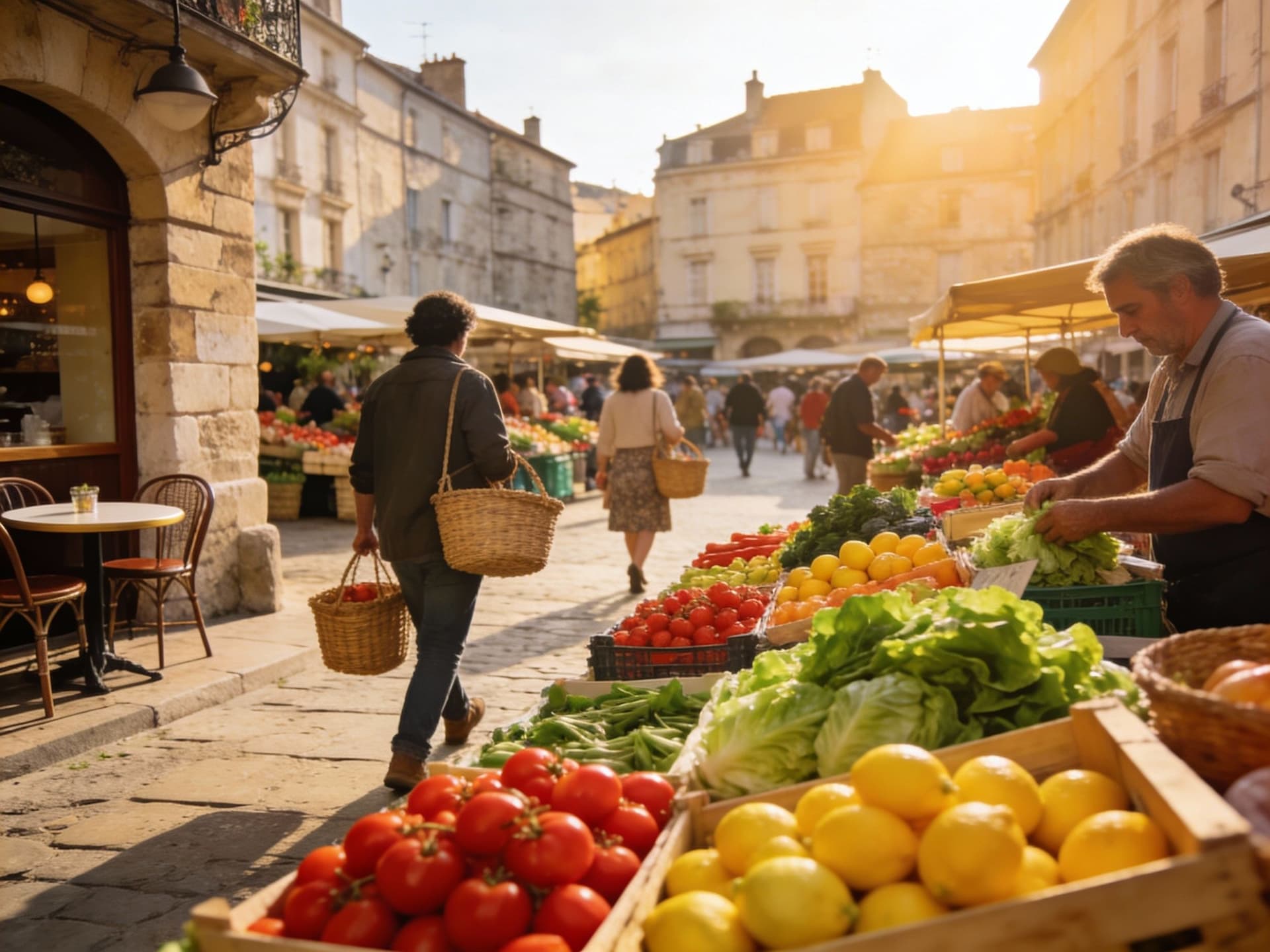
France is a country of distinct daily and seasonal rhythms that shape how neighbourhoods feel and how properties perform. From weekday breakfasts at Café de Flore in Saint‑Germain to Sunday marché life in Lyon’s Croix‑Rousse, what you experience as a resident differs from what you see in peak tourist snapshots. Those rhythms affect tenant demand, short‑stay pressure, and even maintenance costs — variables that change returns. Understanding local tempo is essential to matching an investment to realistic occupancy and rental income profiles.
Neighbourhood spotlight: Paris left bank vs. Marseille’s Cours Julien
Walk the 6th arrondissement and you’ll feel concentrated wealth: small boutiques, established tenants, and tight supply that sustains long‑run capital growth. Contrast that with Marseille’s Cours Julien, where creative energy and younger renters create higher turnover but stronger short‑term rental demand. These differences matter for yield: Paris central arrondissements trade scarcity for capital appreciation, while port cities often substitute higher gross yields with greater management intensity. Match the neighbourhood rhythm to whether you want steadier capital growth or cashflow‑first returns.
Food, markets and seasonality as economic signals
In France, markets and food culture are not just lifestyle perks — they are occupancy and tenant quality signals. A weekly market in a provincial town usually indicates a stable local economy and year‑round resident demand, while reliance on summer festivals often signals seasonal income spikes and long off‑season vacancies. For investment modelling, this means adjusting expected occupancy and nightly rates by season rather than assuming uniform demand. Buyers who follow market calendars avoid over‑projecting short‑stay income.
Making the move: practical considerations that respect the lifestyle
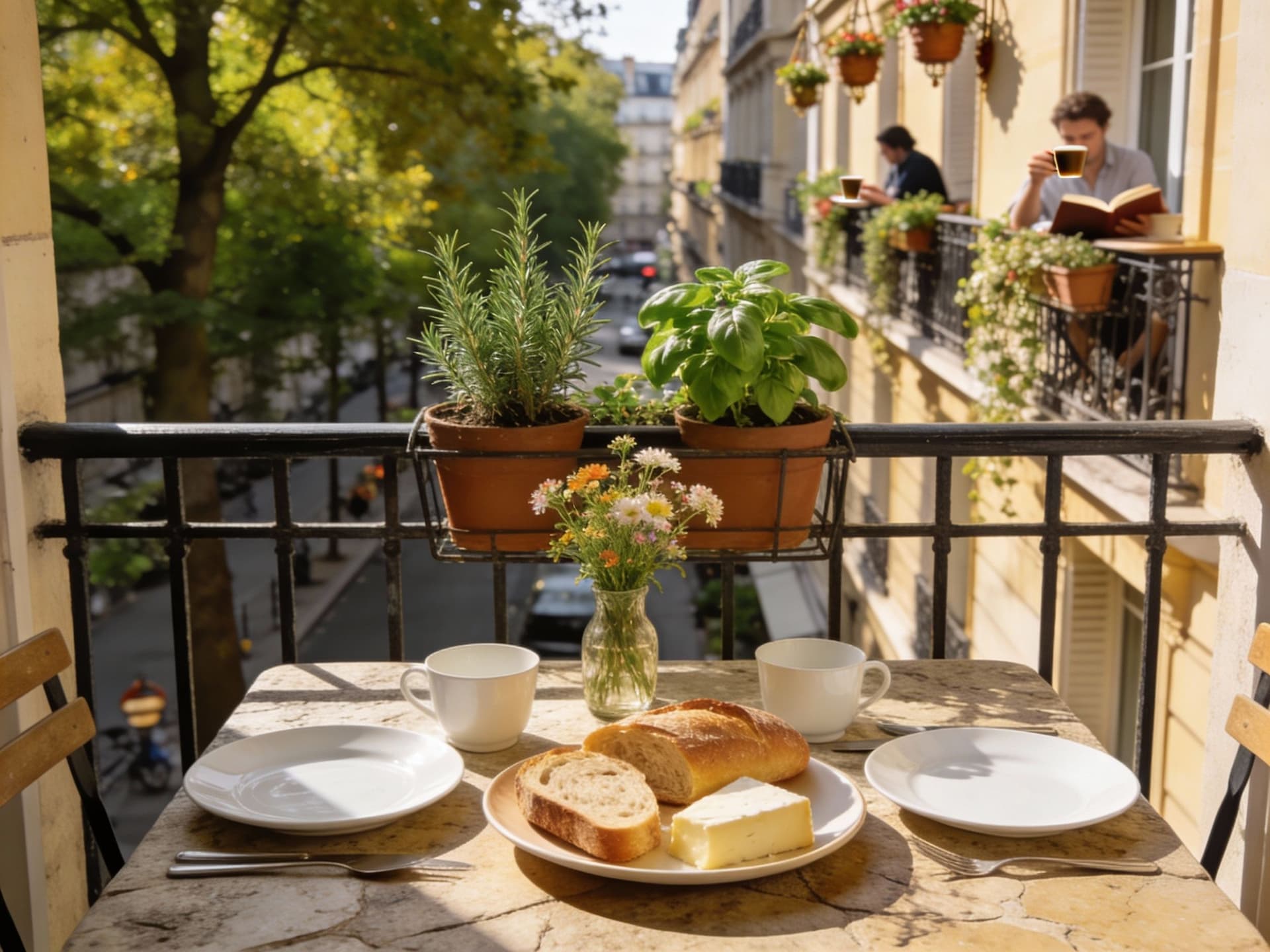
If lifestyle draws you to a particular town, translate that attraction into hard metrics before committing. France’s national price index recently showed a quarter‑on‑quarter rebound after a period of decline, while mortgage rates have been materially higher than the ultra‑low rates of 2020–21. That combination changes affordability and the leverage calculus for international buyers. Run scenarios with realistic mortgage rates, conservative occupancy, and maintenance budgets to see whether glamour translates into acceptable net yield.
Property styles: second‑hand apartments, village houses, and new builds
Each property type comes with a lifestyle promise and a cost profile. Haussmannian flats in Paris offer vaulted demand and predictable maintenance cycles, while village houses in Dordogne promise space and weekend charm but higher vacancy risk. New builds (neuf) include warranty benefits and lower immediate maintenance, useful where tenant‑quality is critical. Choose property style by expected tenant profile — professionals in city centres, families in well‑served suburbs, seasonal visitors on the coast — and reflect that choice in your cap‑rate expectations.
Working with local experts who understand both lifestyle and numbers
A local agent who can articulate weekday life, municipal plans and tenant types is more valuable than one who sells on view counts. You need an advisor who can translate seasonal café footfall into annual occupancy curves, price per sq.m. benchmarks, and estimated renovation costs. Insist on agents who provide comparable rents, tenant profiles, and clear total cost of ownership estimates rather than glossy photos. Their local knowledge is the bridge between the lifestyle you crave and the portfolio returns you require.
- Practical checklist when assessing a French property (lifestyle + numbers)
- Market seasonality: check local event calendars and verify year‑round occupancy prospects.
- Transport & services: confirm weekday access to transport, schools and healthcare for long‑term tenants.
- Maintenance realism: budget higher for older stone houses and factor in winter heating costs.
- Regulatory checks: confirm short‑stay rules (many cities restrict Airbnb) and local permit requirements.
Insider knowledge: what expats wish they'd known
Two common surprise patterns for expats: seasonal overpayment and under‑provisioning for management. Buyers often pay a summer premium after viewing during peak months and then struggle to find long‑term tenants in autumn. Separately, rural properties demand local management and winter preparations that reduce net yield more than buyers expect. These are not fatal flaws — they are adjustable risks if you price them into acquisition and operating plans.
Cultural integration and tenant expectations
Living in France means learning local rhythms: longer lunches, slower bureaucracy, and strong tenant protections. Expect a preference for long leases among local tenants and legal protections that favour occupants in many cases. That affects exit flexibility and rental contract design. Work with a bilingual lawyer or notaire and a property manager who understands French tenancy law to mitigate surprises.
How life changes after you buy: a realistic picture
In the months after purchase you’ll swap discovery for rhythms: weekly markets become negotiation grounds for renovation tradespeople, neighbours for practical advice, and seasonal patterns for predictable cashflow. National data suggests prices can stabilise quickly after short dips, so a medium‑term horizon (3–7 years) often smooths seasonal noise. If you treat the property as part of a diversified portfolio, seasonal revenue swings are manageable with conservative underwriting and local operational backup.
- Six steps to test whether a French lifestyle buy makes financial sense
- 1) Model three occupancy scenarios (peak, average, low) over 12 months and compare net yield.
- 2) Price financing at current realistic mortgage rates rather than optimistic historical lows.
- 3) Add conservative capital allowances for maintenance, winterisation and management fees.
- 4) Validate demand with local agents and three recent comparable rental agreements.
- 5) Check municipal rules on short stays and renovation permissions that affect cashflow and capex timing.
- 6) Prepare an exit plan that anticipates slower sales in off‑peak months and potential liquidity needs.
Conclusion: don’t confuse summer fervour with sustainable returns. France offers rare combinations of long‑term capital stability and rich lifestyle — but seasonal hype can inflate prices and expectations. Use national indices, realistic financing assumptions and local tenant intelligence to separate postcard appeal from investment viability. If you want to convert a French lifestyle into portfolio value, start with conservative modelling, local expertise and a three‑to‑seven year horizon.
Danish relocation specialist who moved to Cyprus in 2018, helping Nordic clients diversify with rental yields and residency considerations.