Why Summer House‑hunting Misleads in Cyprus
Cyprus offers year‑round sun and varied neighbourhoods—but buyers must balance seasonal rental swings, water and infrastructure risk, and district‑level price dispersion.
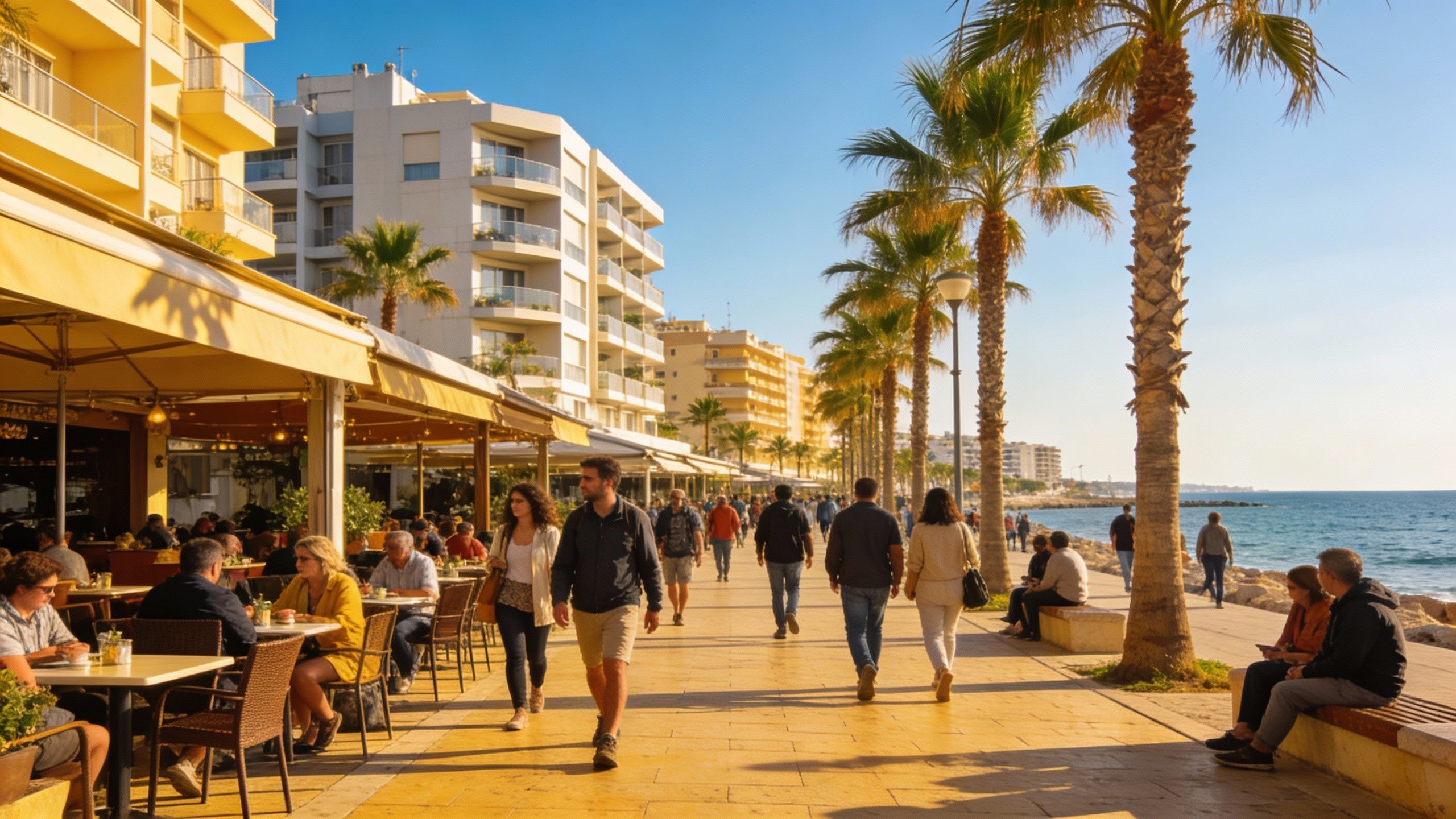
Imagine sipping a small, strong coffee at To Pefko cafe in old Larnaca as morning light warms limestone streets, while a distant boat horn from Finikoudes marks the start of the day. Cyprus feels lived‑in: island pace shaped by sea breezes, late lunches, and neighbourhood rituals. But for buyers who arrive on holiday, that lazy, sunlit surface can hide seasonal rental swings, water stress, and price dispersion across tiny, adjacent neighbourhoods. This piece shows the Cyprus you want to live in—and the metrics you must read before you sign.
Living the Cyprus lifestyle
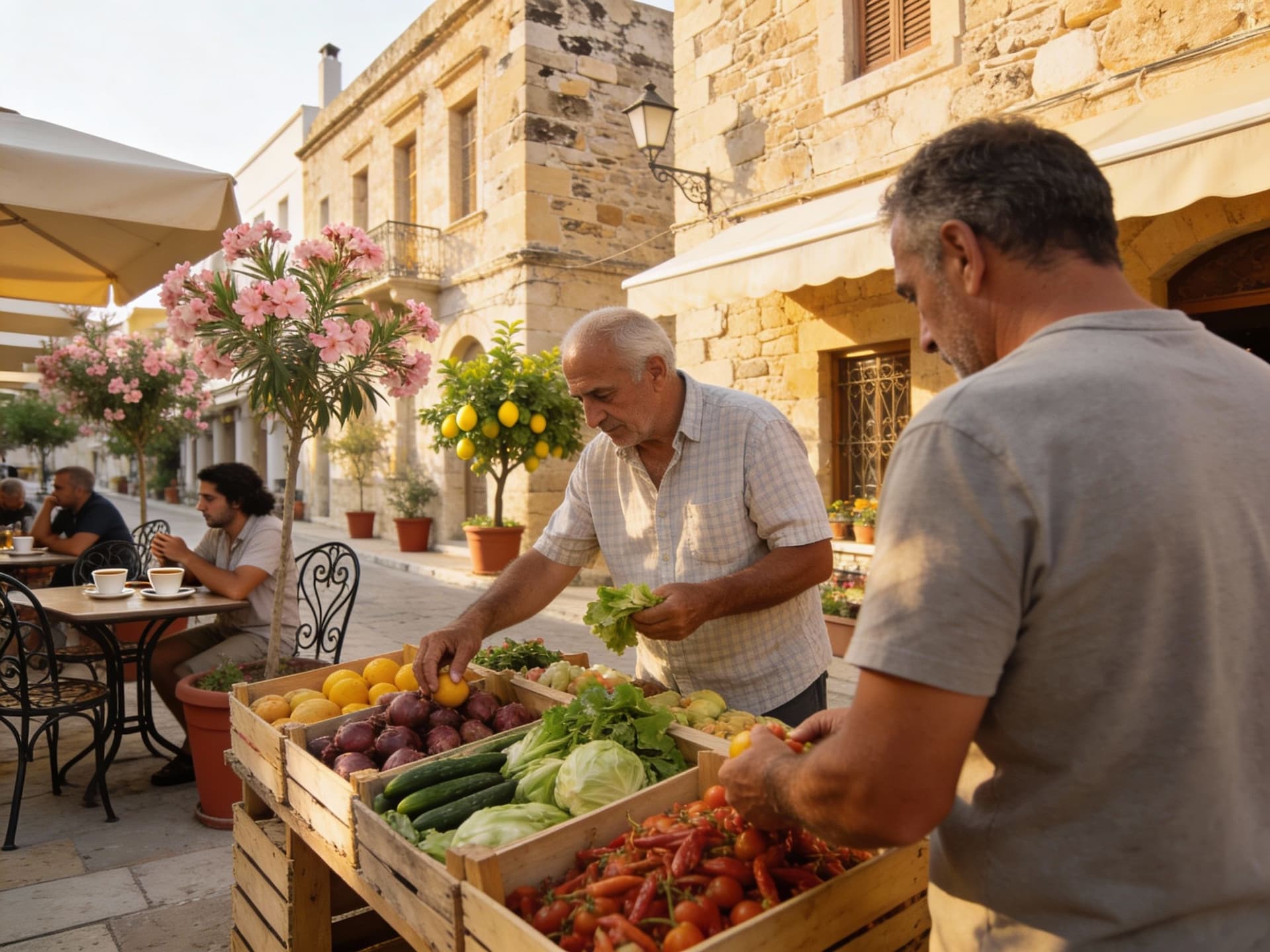
Cyprus is both Mediterranean daydream and functioning small economy: mornings in the market, afternoons on the coast, evenings round a tavern table. Distinct zones matter — Limassol’s boulevards hum with international business and luxury apartments, Paphos trades on heritage and quieter coastal living, while Larnaca and Nicosia each offer different mixes of affordability and amenities. That texture determines tenant demand, insurance considerations, and ultimately the net yield you can expect from a property.
Limassol & seafront energy
Limassol feels like the island’s financial pulse: corporate HQs, seafront promenades and new‑build towers. Prices per sqm here sit at the top of the national scale, and turnover can be quick when international demand spikes. Yet that same demand compresses yields for small one‑beds—capital appreciation helps total returns, but rental yield discipline is essential if you plan to rely on income. Recent transaction volumes show the island returning to pre‑2008 activity levels. (See local sales data.)
Paphos: coastal calm with seasonal peaks
Paphos now leads growth rates in many datasets, drawing retirees and holiday‑rental investors to Coral Bay and the old town. The trade‑off is seasonality: high summer occupancies boost short‑stay income but suppress year‑round rents. If you value steady cashflow, look closer inland or at professionally managed buildings that secure medium‑term tenants outside peak months.
- Lifestyle highlights: To Pefko (Larnaca) for morning coffee; Limassol promenade evening strolls; Coral Bay beach in Paphos; Old Nicosia weekends at Ledra Street; Larnaca fish market lunches.
Making the move: lifestyle meets market reality
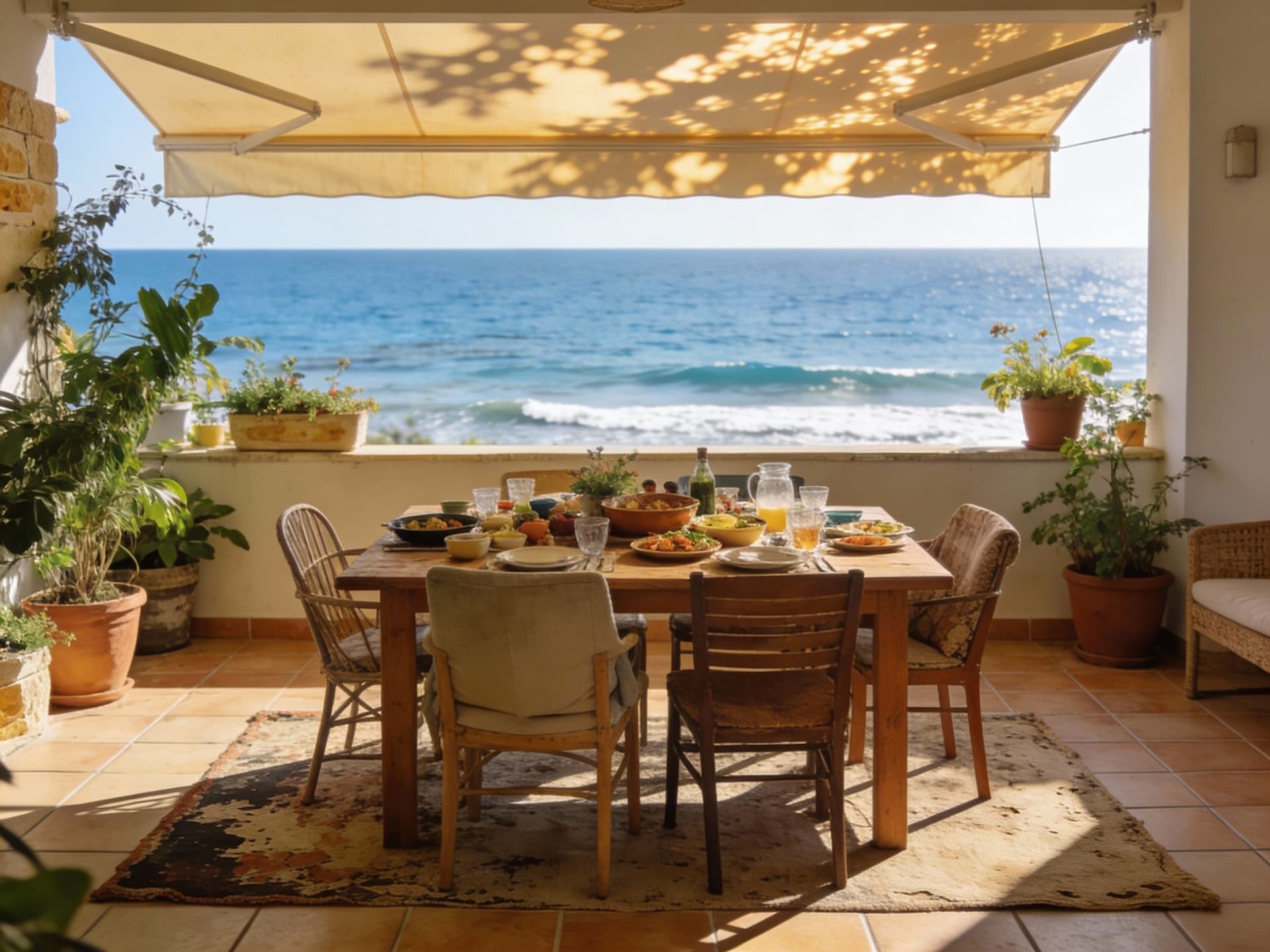
Being sold on a lifestyle is understandable; being seduced by a summer week on a short‑stay return is not. The House Price Index rose 2.0% year‑on‑year in Q1 2025, a far cry from the double‑digit growth of prior years, while broader economic forecasts suggest modest GDP expansion. That combination implies a maturing market: prices grow, but yield compression has started in prime pockets. Match the location to your holding period and liquidity needs.
Property styles and how you’ll live in them
Modern seafront apartments suit short‑stay income and low‑maintenance living; traditional stone houses in villages require renovation capital but attract long‑term tenants seeking permanence. New developments in Limassol offer amenities that raise achievable rents but carry higher purchase prices and management fees. Quantify net yield: gross rent minus management, utilities for short stays, and vacancy, then compare to local mortgage costs.
Working with local experts who know the lifestyle
Use an agent who sells both to locals and internationals; they understand micro‑seasonality, licensing for short‑lets, and municipal restrictions. Also involve a property manager early — evidence shows a substantial share of tourists use unlicensed short‑lets, which affects market regulation and enforcement cycles. An on‑the‑ground manager ensures tenant screening, tax reporting, and quick responses that protect yield.
- Steps blending lifestyle and practical checks: 1) Visit neighbourhoods at different times (weekday morning, Saturday night). 2) Request block‑level rental roll and recent occupancy for comparable units. 3) Model net yield using conservative vacancy (15–30%) for short‑stay assets. 4) Verify water and utility resilience for coastal properties, given periodic shortages. 5) Secure a property manager contract before completion.
Insider knowledge: what expats wish they’d known
Expats tell a common story: they came for the sea and stayed for the rhythm — but underestimated seasonal costs and local bureaucracy. Expect slower permit timelines on renovations, summer water rationing in extreme years, and neighbourhood-specific tenant profiles (students, retirees, professionals). Those factors change occupancy and maintenance expenses more than headline price per sqm does.
Language, culture and everyday living
English is widely spoken in business and tourism, but Greek carries social capital in neighbourhood integration; making an effort opens doors to long‑term tenants and trustworthy contractors. Weekends are for family gatherings and markets — you’ll quickly learn which baker, mechanic and notary are indispensable. Those local ties improve tenant retention and lower servicing costs over time.
How the long‑term picture shapes investment risk
Climate considerations already affect insurance, infrastructure spending and guest comfort; government moves to expand desalination reflect a real cost vector for coastal development. Factor escalating infrastructure levies and periodic maintenance into life‑cycle costs when calculating IRR. The macro backdrop—steady GDP growth and returning tourist volumes—supports demand, but local supply decisions will determine where yields hold.
- Red flags to watch before you buy: unlicensed short‑let history for the property, unclear ownership titles, unusually high promised occupancy rates, lack of documented service charges, and properties without easy water backup.
- A practical 5‑step due diligence checklist: 1) Obtain recent HPI and district transaction volumes. 2) Ask seller for 12‑month rent roll and utility bills. 3) Confirm short‑let licensing and municipal rules. 4) Engage local solicitor for title search and encumbrances. 5) Model conservative cashflow with stress tests for 12–18 month vacancies.
If Cyprus feels like a place you can live — and it will feel that way quickly — pair the romance with discipline. Choose locations that match your time horizon: Limassol for capital appreciation, Paphos for lifestyle‑led returns, inland suburbs for steadier yields. Bring local expertise early and quantify every variable that can eat yield: seasonality, management fees, utilities and climate resilience.
When you’re ready, plan two visits: one to fall in love with neighbourhoods, one to audit the numbers. Work with a bilingual agent plus an independent property manager and lawyer. That three‑cornered team converts the dream into a defensible investment.
Conclusion: Cyprus sells a life — but its returns are a product of micro‑location choices and honest underwriting. Treat the island as a portfolio of neighbourhoods, not a single market. If you combine local lifestyle knowledge with conservative financial modelling, Cyprus can be both a place you love and an asset that performs.
Danish relocation specialist who moved to Cyprus in 2018, helping Nordic clients diversify with rental yields and residency considerations.