Croatia: Lifestyle Premium vs. Yield Reality
Croatia’s coastal romance lifts prices, but steady yields come from city apartments and hybrid rental strategies; model 12‑month cash flow and factor recent tax shifts.
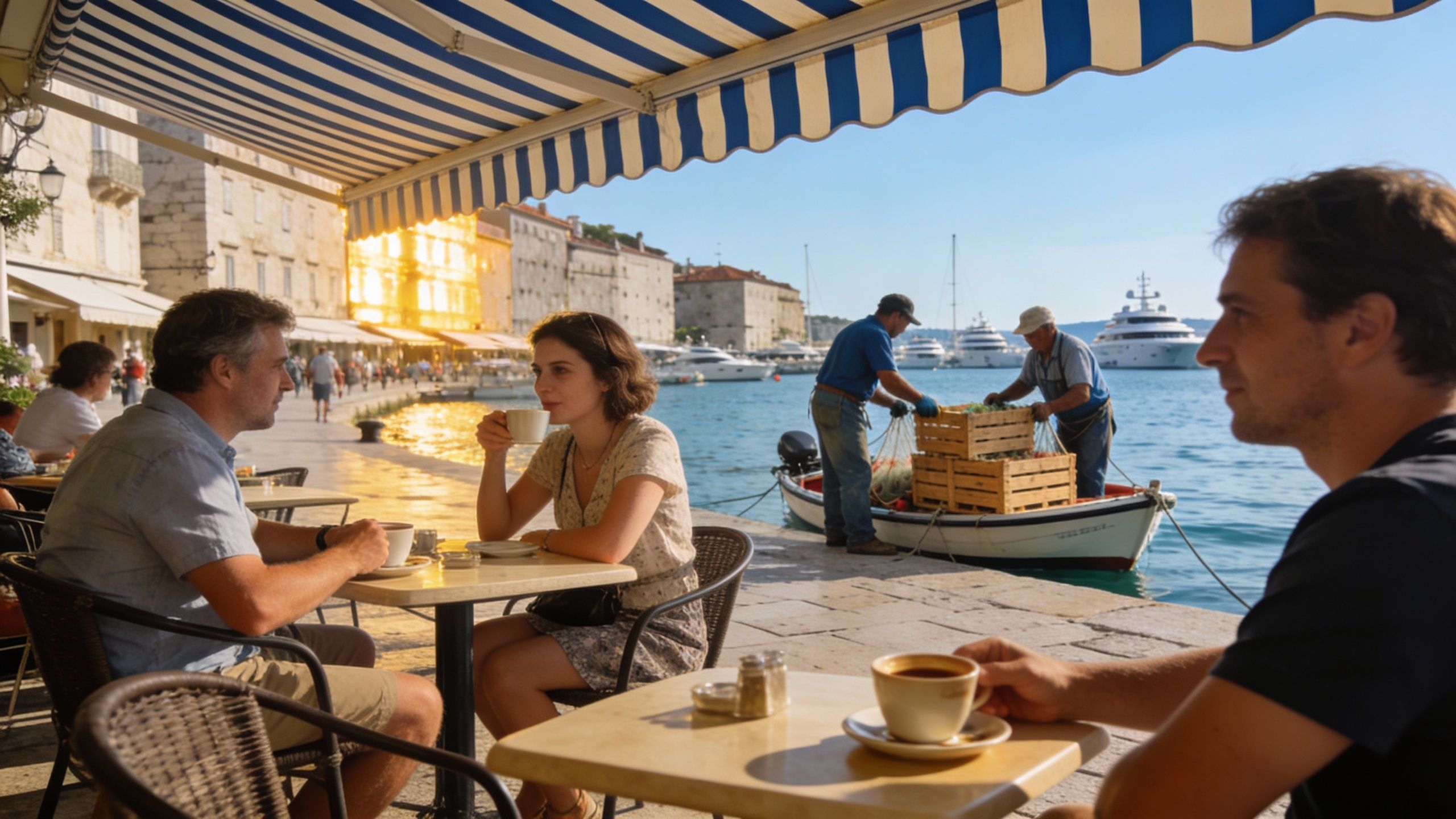
Imagine morning espresso at Split’s Riva, a brisk Adriatic breeze, and limestone streets filling with bakers and fishermen. That sensory start explains why buyers fall for Croatia quickly: coastal towns deliver immediate lifestyle rewards while Zagreb offers an urban rhythm of cafes, galleries and year‑round demand. But emotions hide trade‑offs; rapidly rising prices, tourist seasonality and new tax rules reshape returns. This guide blends what living in Croatia feels like with the price and yield metrics investors need to decide where — and when — to buy.
Living the Croatia lifestyle
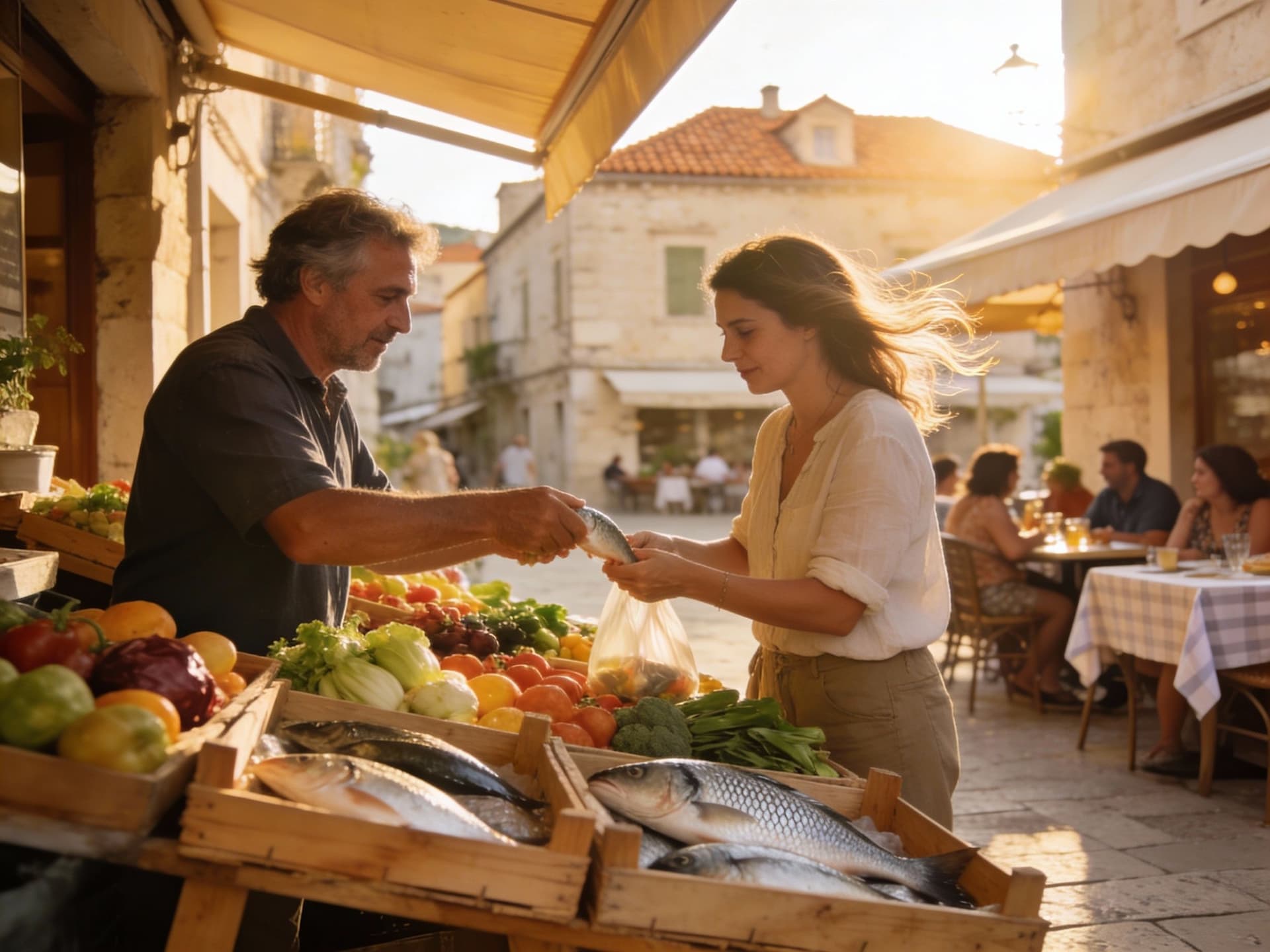
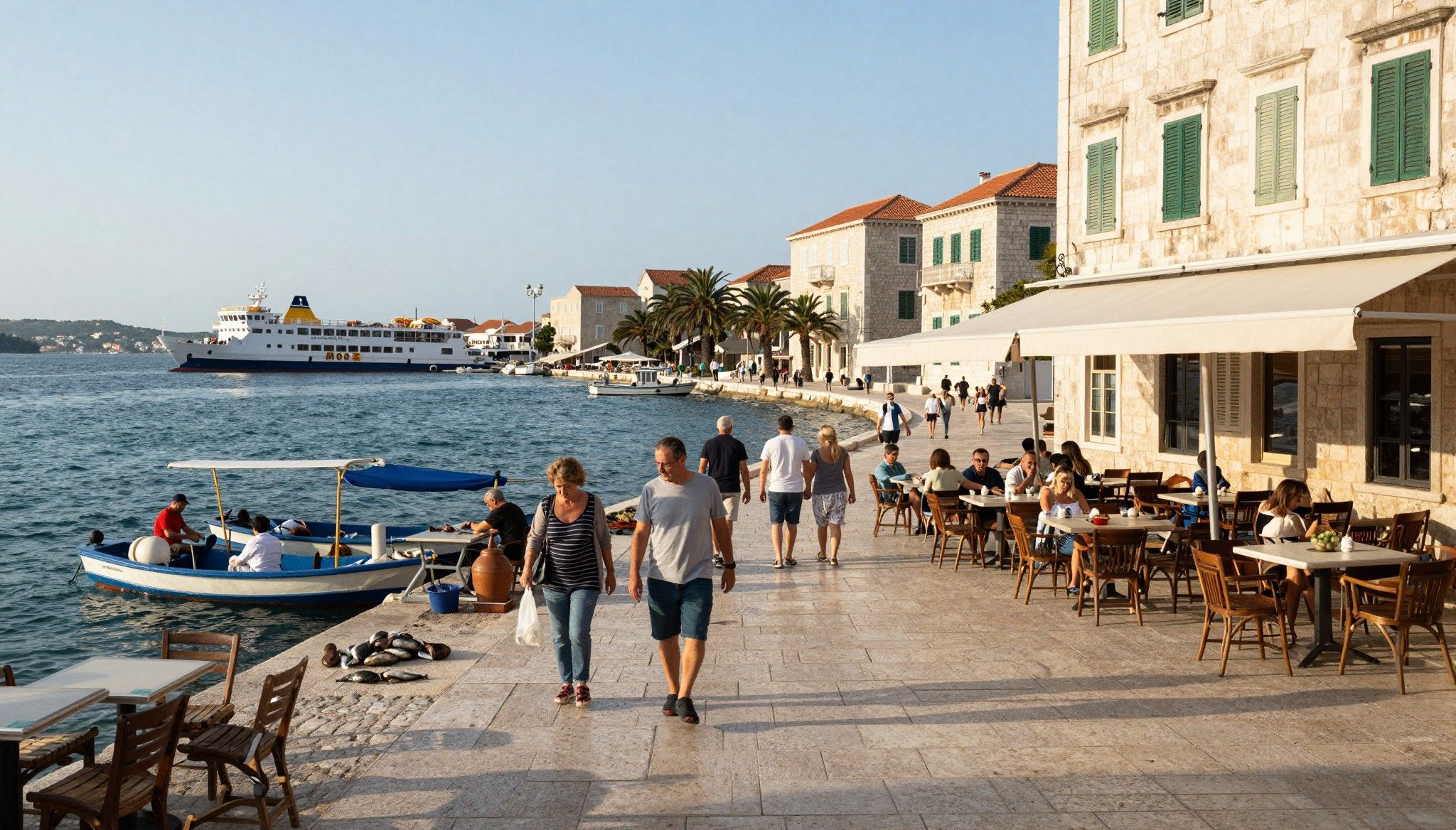
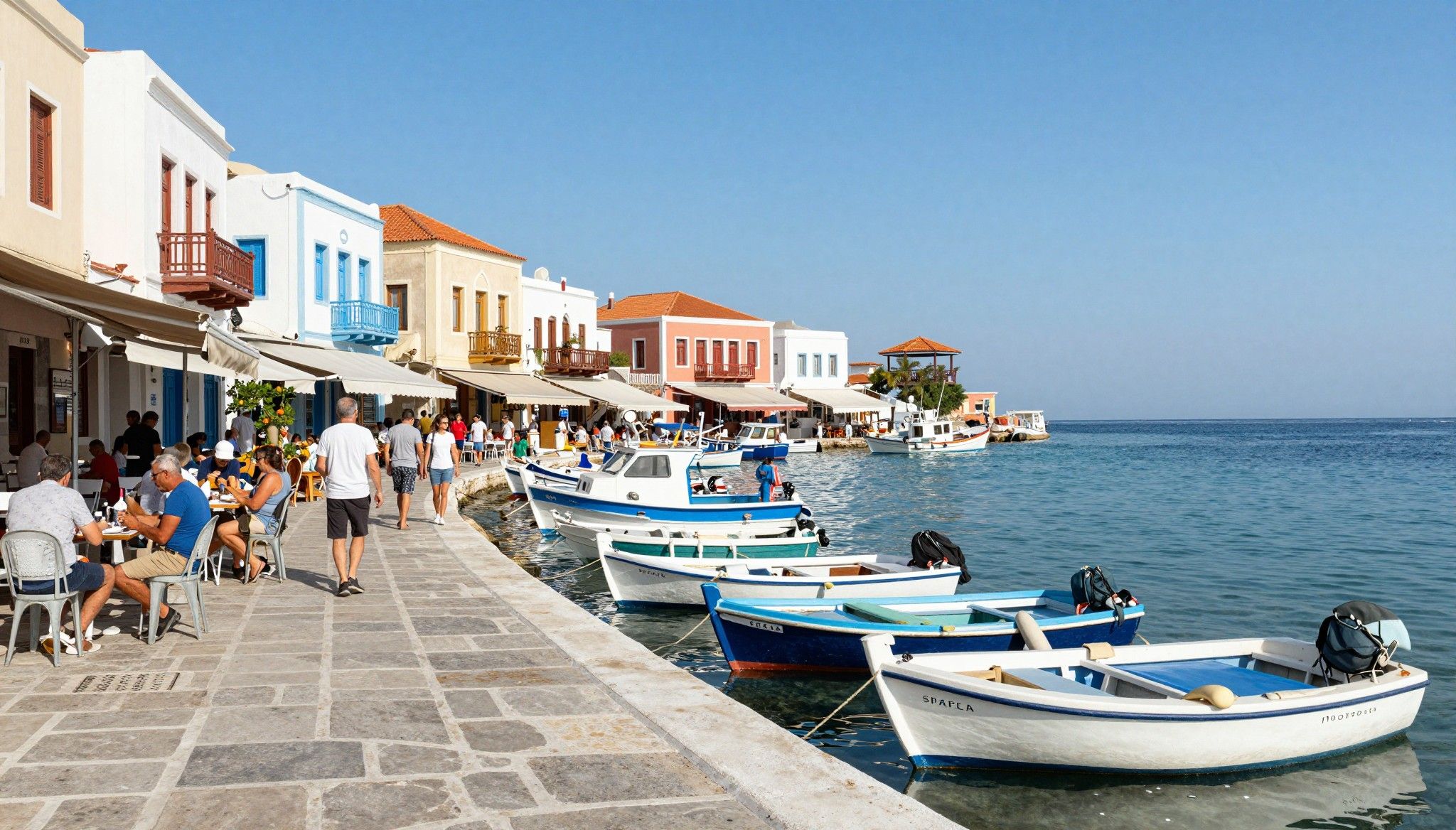
Croatia folds Mediterranean light, seafood markets and compact walkable towns into everyday life. Streets in Dubrovnik’s Old Town hum in summer but quiet in winter, while Rovinj and Hvar trade between tourism pulses and tight local communities. Inland towns like Osijek deliver lower prices and a slower pace: a different Croatian rhythm but with the same focus on outdoor cafés, markets and family dinners. These lifestyle patterns matter because they drive occupancy, rental seasonality and ultimately net yields — and Croatia’s house price index rose strongly through 2024–2025, reflecting these demand patterns.
Coastal pulse: Dubrovnik, Split, Rovinj
On the coast you buy both bricks and a location that sells itself to short‑stay tourists. Dubrovnik commands the highest prices and steep seasonality; Split blends history and year‑round services; Rovinj and Istria add culinary draw and slightly softer peaks. Expect strong summer occupancy but weak winter demand — that makes gross yields look attractive on paper but exposes owners to months of low income and higher management costs. For investors this means modelling occupancy across 12 months, not 2–3.
Urban steady‑state: Zagreb and university towns
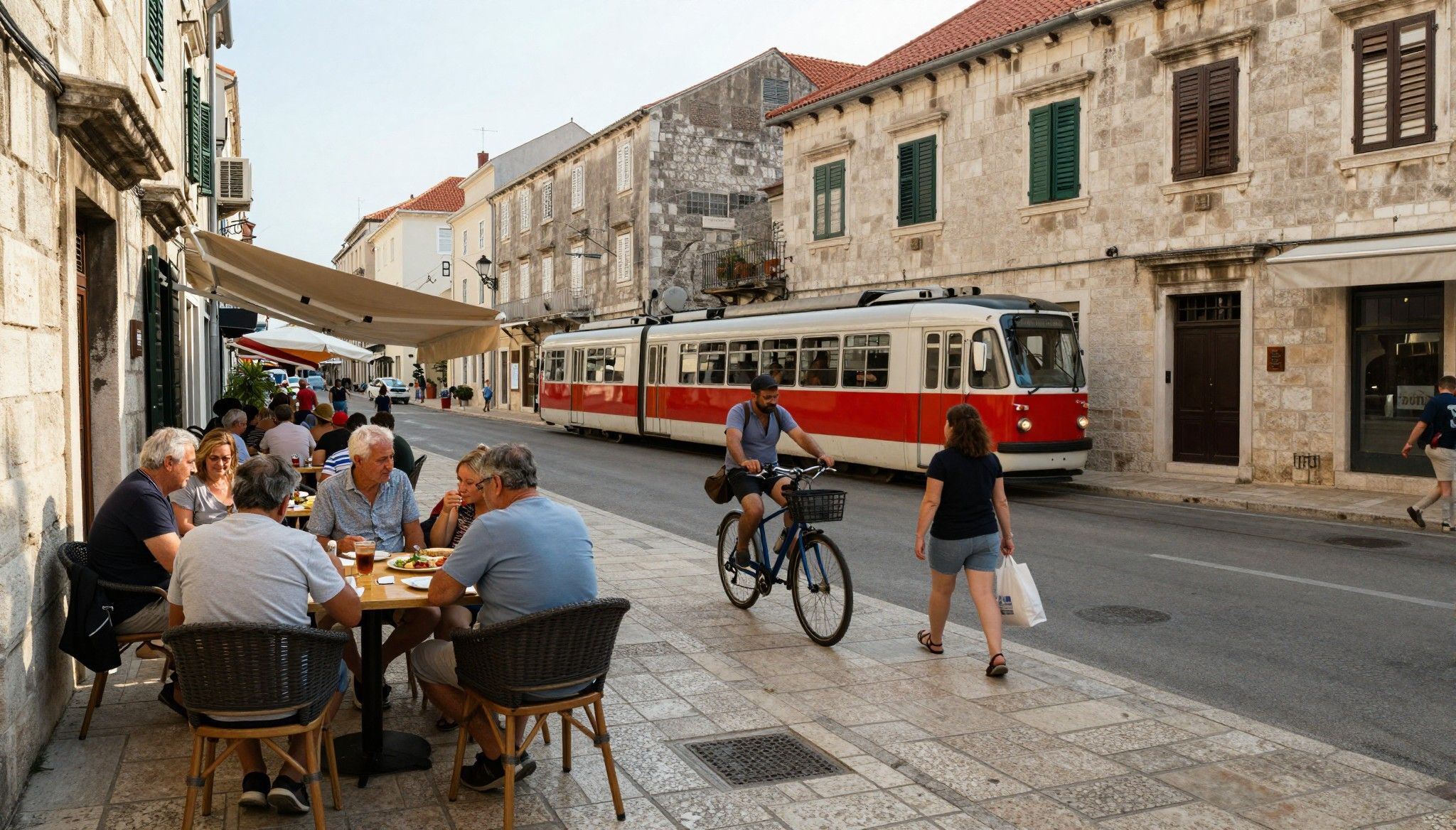
Zagreb provides more even rental demand from students, corporates and domestic renters — a more resilient income profile for buy‑to‑let. Recent data show new apartment prices jumped significantly in early 2025, with Zagreb among the fastest growing markets. That price momentum compresses yields but reduces vacancy risk compared with island or coastal-only investments. Consider central neighborhoods like Donji Grad for steady rents, and Kvatrić or Trešnjevka for better entry prices with tenant demand.
- Riva promenades (Split); Old Town walkability (Dubrovnik); Pjaca café life (Hvar); Pula market & Istrian truffles; Dolac market mornings (Zagreb); Brijuni‑adjacent quiet beaches (Istria)
Making the move: practical considerations
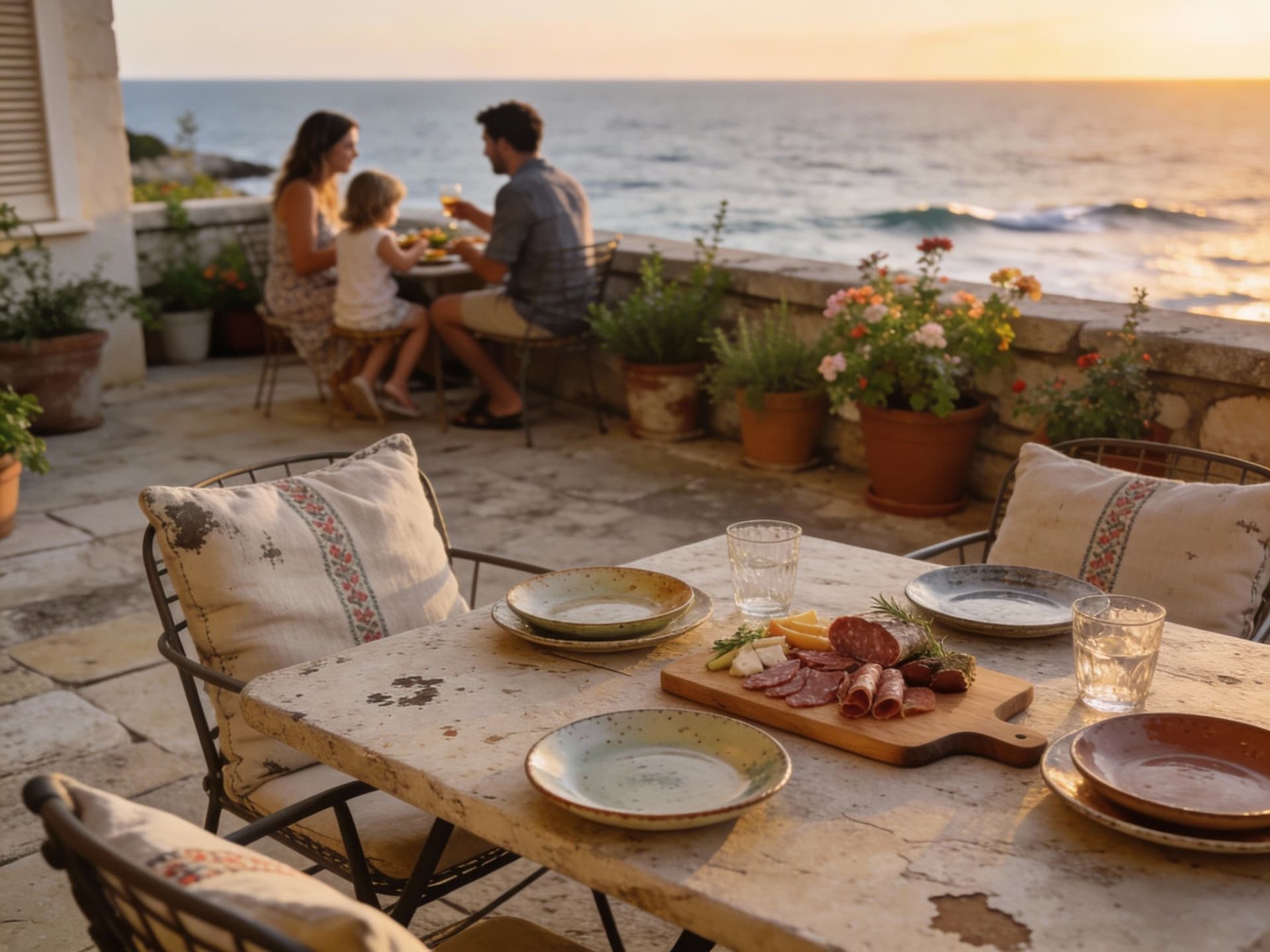
Loving the lifestyle is only the first step; property math decides whether the purchase is sensible. Croatia introduced property‑focused tax reforms and continues to adjust fiscal levers to curb speculation and free long‑term rental stock. Those changes affect holding costs and net yields, particularly for short‑stay strategies that crowd seasonal coastal markets. Factor tax shifts, maintenance, and professional management fees into long‑term cash‑flow models before making offers.
Property types and lived experience
Stone townhouses with terraces are romantic but often need structural upgrades and modern heating to appeal off‑season. New builds offer better insulation, predictable running costs and sometimes rental warranties, but carry higher price per square metre. For investors wanting year‑round income, two‑bed city apartments or new coastal complexes with parking and storage outperform tiny historic studios that only rent well in July–August. Match the asset to the occupation profile you model: tourist short‑stay, long‑term rental, or a hybrid.
- How local experts lift lifestyle-aligned investments:
- 1) Area timing — agents know when refurb windows and municipal permits clear; 2) Tenant profile — local managers can project realistic occupancy by season; 3) Cost realism — local contractors and utility habits shape OPEX; 4) Compliance — agencies guide municipal rules on short‑stay licenses and tourist levies.
Insider knowledge: what expats wish they'd known
Expat owners often underestimate how Croatia’s seasonality and new taxes alter net returns. Price indices climbed sharply into 2025, compressing gross yields in hot pockets even as transaction volumes cooled — a classic sign of price‑led market saturation. Many international buyers who purchased for holiday use then attempted short‑term lets without adjusting for off‑season vacancy and increased municipal enforcement. The smartest owners treat Croatian coastal properties as blended lifestyle investments: accept lower effective yields or pivot to longer lets for stability.
Cultural and seasonal realities that change buying choices
Language and local bureaucracy matter: simple registration, waste collection rules and utility norms vary by municipality and influence running costs. Festival weeks (e.g., Split Summer Festival) spike short‑term demand but can also trigger temporary price gouging for services and cleaning. Expect to build relationships locally — cleaners, handymen, a tax advisor — or to budget for a reputable property manager who will keep occupancy and compliance steady.
Conclusion: picture the life, run the numbers, hire local rigor. Croatia offers a clear lifestyle premium — Adriatic light, markets, and compact urban cores — but investors must translate that premium into defensible returns. Use current price indices and local agency intel to model 12‑month cash flows, stress‑test for tax changes and off‑season vacancy, and prioritise assets that match your income profile. If you want the lifestyle and stable yield, focus on city apartments or coastal properties with diversified tenant pools and insist on transparent OPEX projections from your agency.
Norwegian market analyst who relocated from Oslo to Mallorca in 2016, guiding Northern buyers through regulatory risk, currency hedging, and rentability.