Croatia: Price, Yield and the Lifestyle Trade‑Offs
Croatia blends Mediterranean lifestyle with data‑driven investment choices: expect €2.8–3k/m² national averages, strong tourism, and yield tradeoffs between coast and cities.
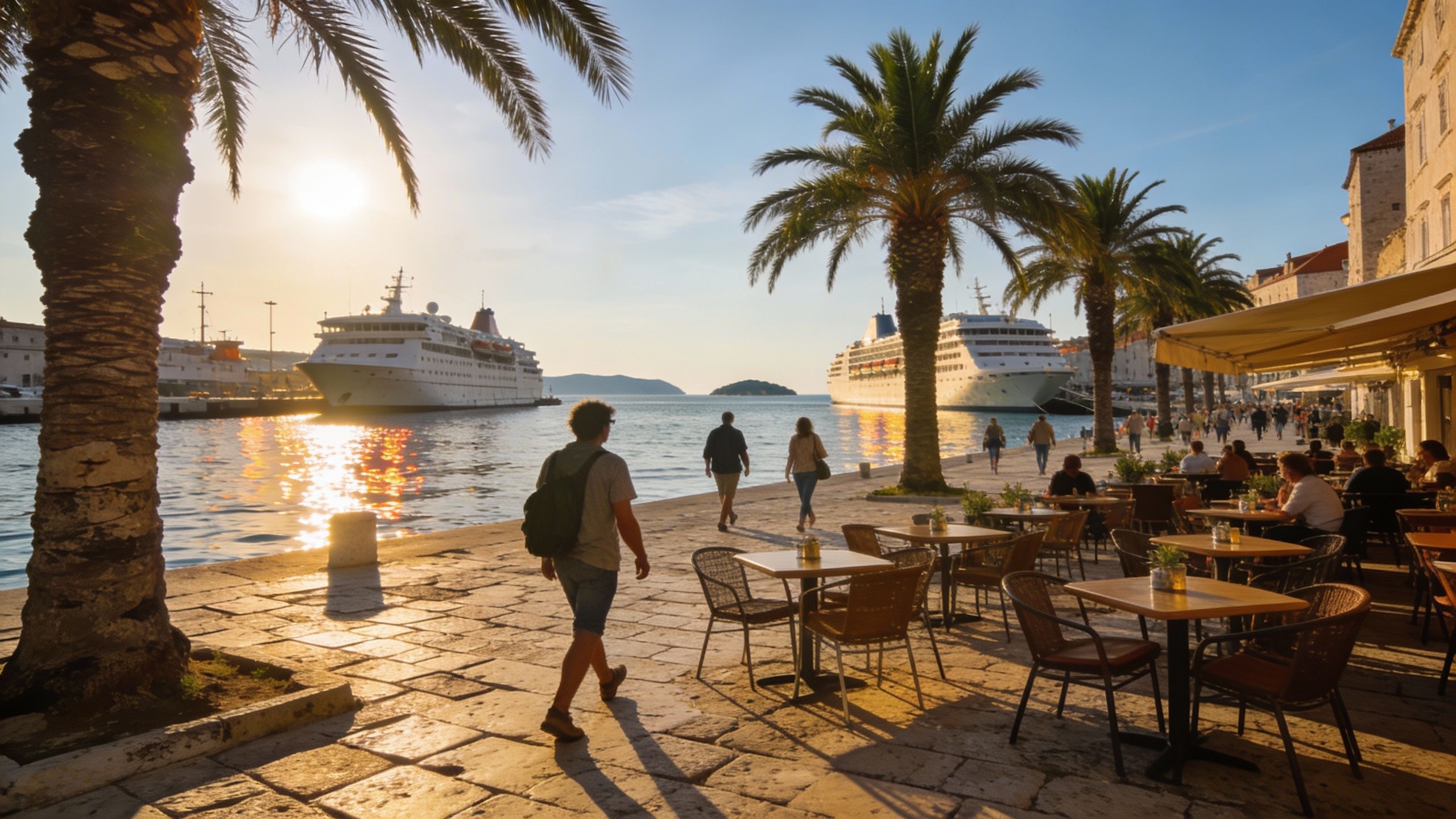
Imagine sipping a slow espresso at Dolac market in Zagreb, then hopping a late-afternoon ferry to a stony Dalmatian cove — life in Croatia moves with Mediterranean rhythm and city practicality. Yet for investors the romance must meet numbers: price per square metre, gross yields, seasonality and tax signals that reprice coastal returns. This guide blends the feel of place with the data that matters when you commit capital in Croatia.
Living Croatian Days — neighborhoods that define how you’ll spend time
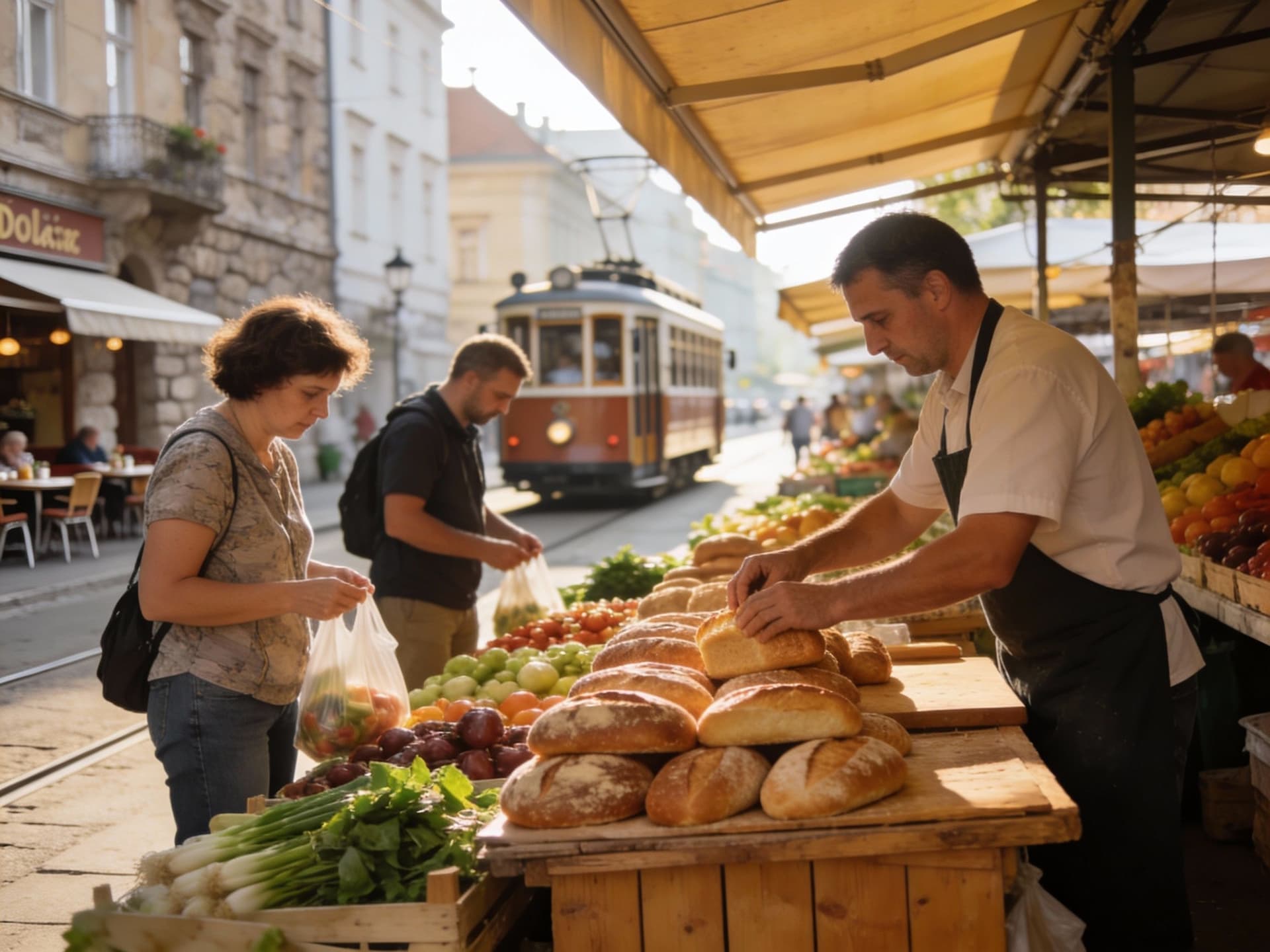
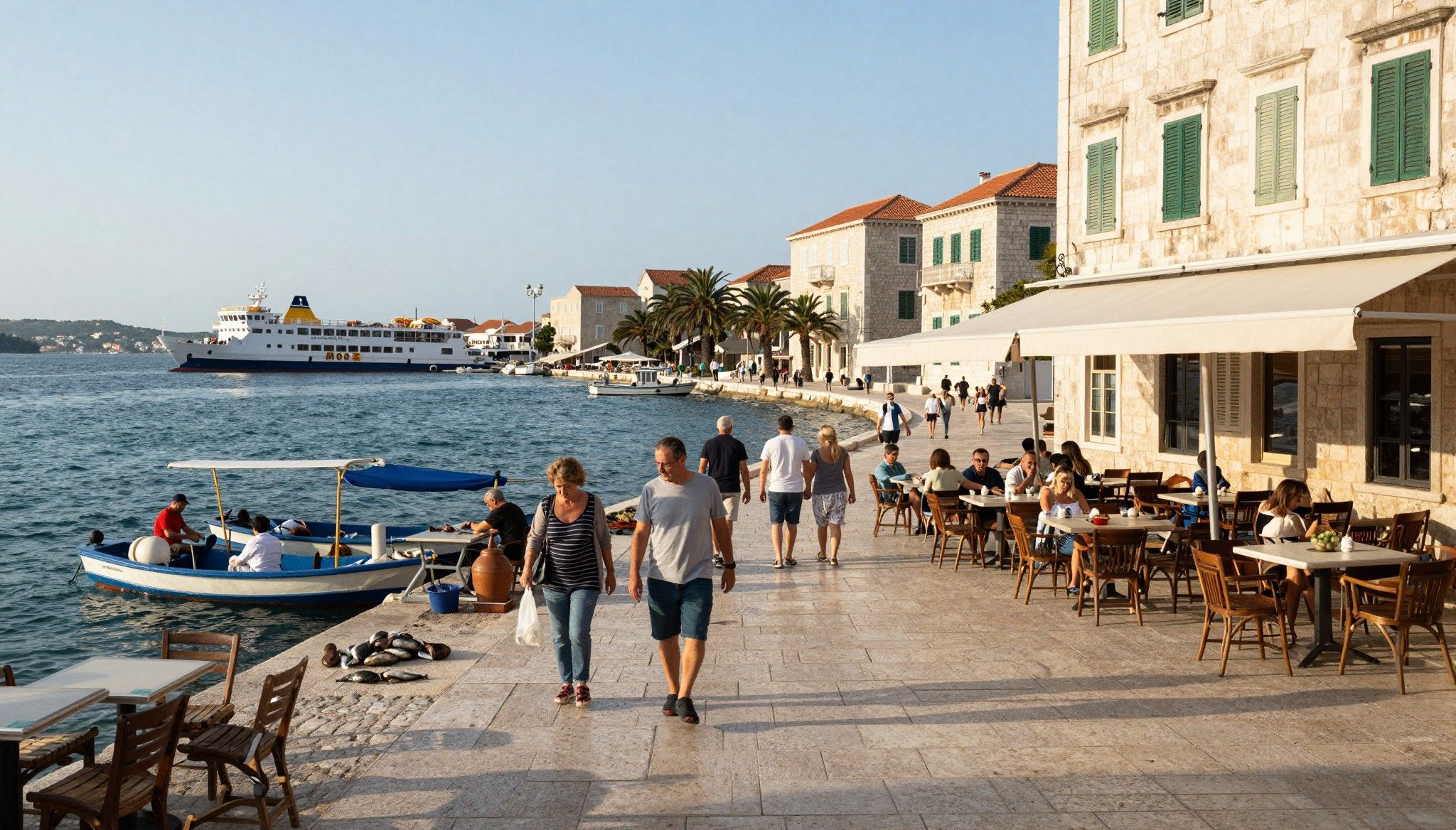
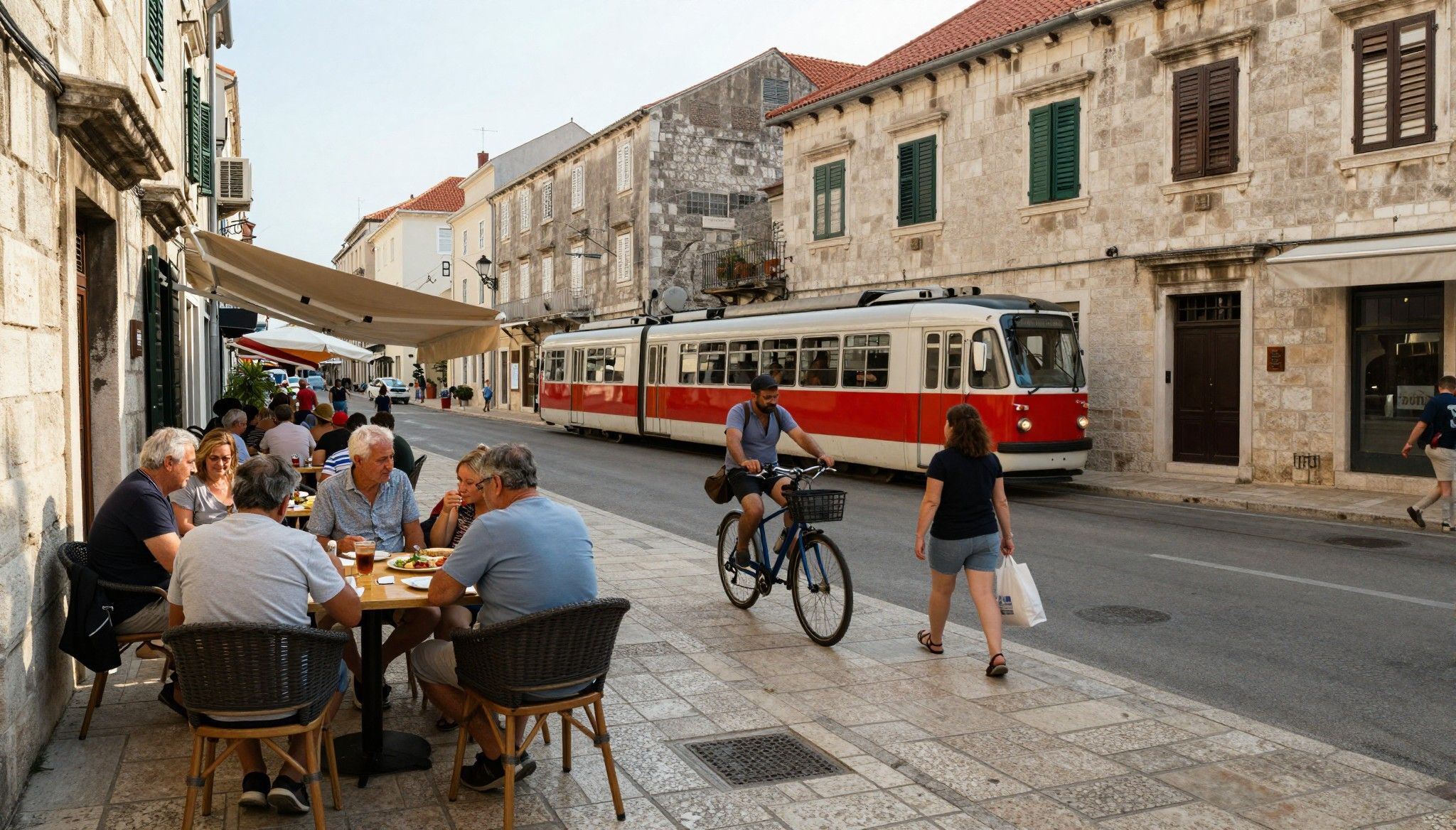
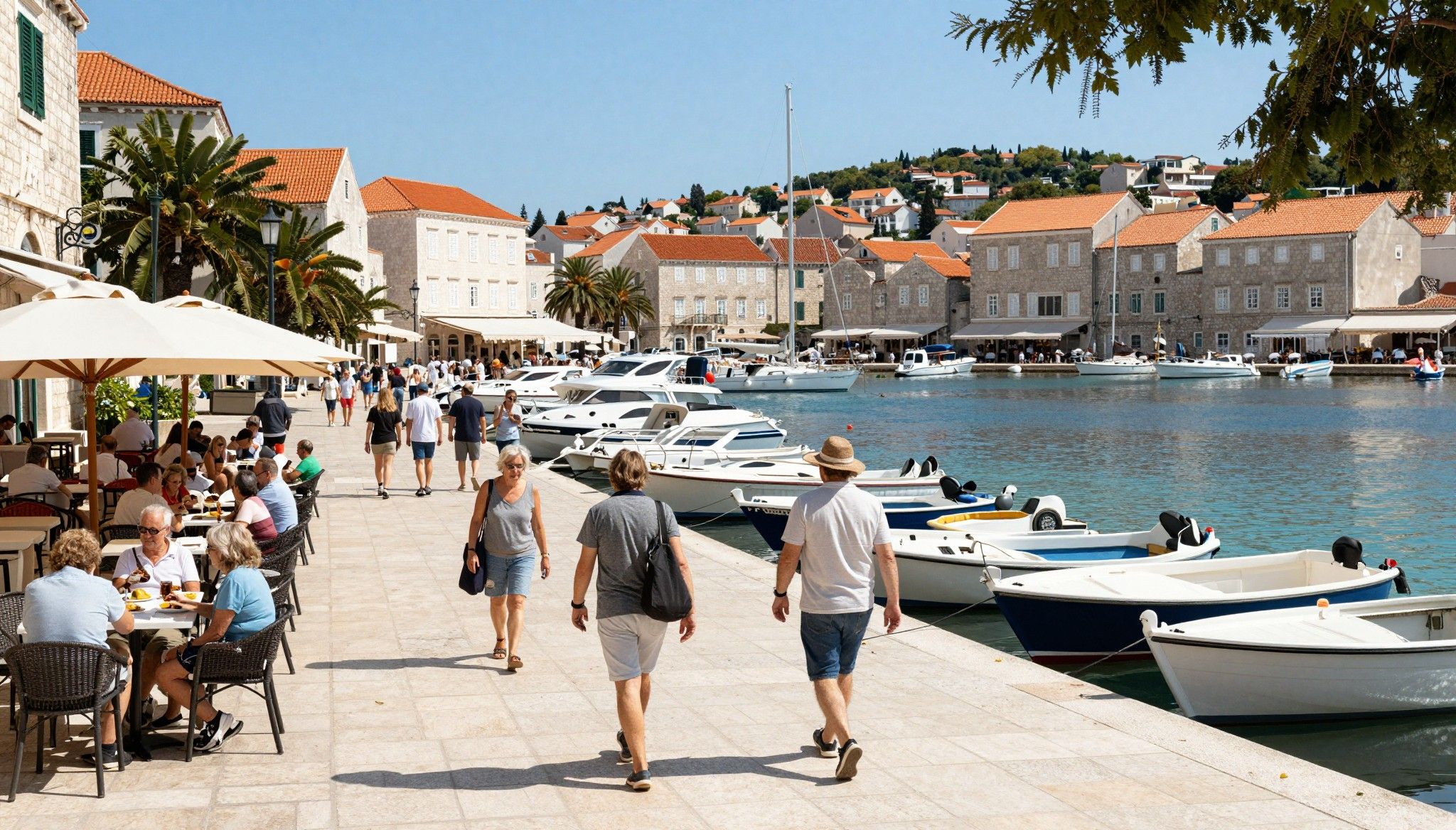
Croatia’s daily rhythm is split between pebble beaches and stone‑paved old towns, between Zagreb’s tram-lined streets and the unhurried life on Istrian wine roads. Mornings in Split mean bakers on Marmontova, afternoons on Korčula’s shaded squares, and evenings in Rijeka’s increasingly creative bars. Understanding where those scenes cluster matters: it determines tenant demand, off-season occupancy and the type of property that will deliver steady returns.
Zagreb: City stability, year-round demand
Zagreb is Croatia’s financial and cultural hub: predictable long-term rental demand, stronger off-season occupancy and a local market less sensitive to summer tourism swings. Neighborhoods like Donji Grad and Maksimir combine commuter convenience with quieter streets—appealing to professionals and families who provide stable rental income for buy‑to‑let investors.
Dalmatian Coast (Split, Šibenik, Dubrovnik): Seasonal premium, mixed yields
Coastal towns capture headline prices and tourist nights — Dubrovnik and Rovinj top price charts — but the rental profile is highly seasonal. In places like Split’s Veli Varoš or Hvar’s Old Town, short‑stay revenue can look attractive on paper but requires active management and carries vacancy risk outside summer and shoulder seasons.
Istria & Kvarner: Lifestyle, gastronomy and steady second‑home appeal
Istria (Rovinj, Poreč) and Kvarner (Opatija, Crikvenica) attract gastronomic tourism, retirees and European second‑home buyers. Properties here trade at a premium versus inland Croatia but benefit from lengthening seasons and comparatively stronger long‑let demand from digital nomads and expatriates in cooler months.
Price & yield snapshot — what the data actually says
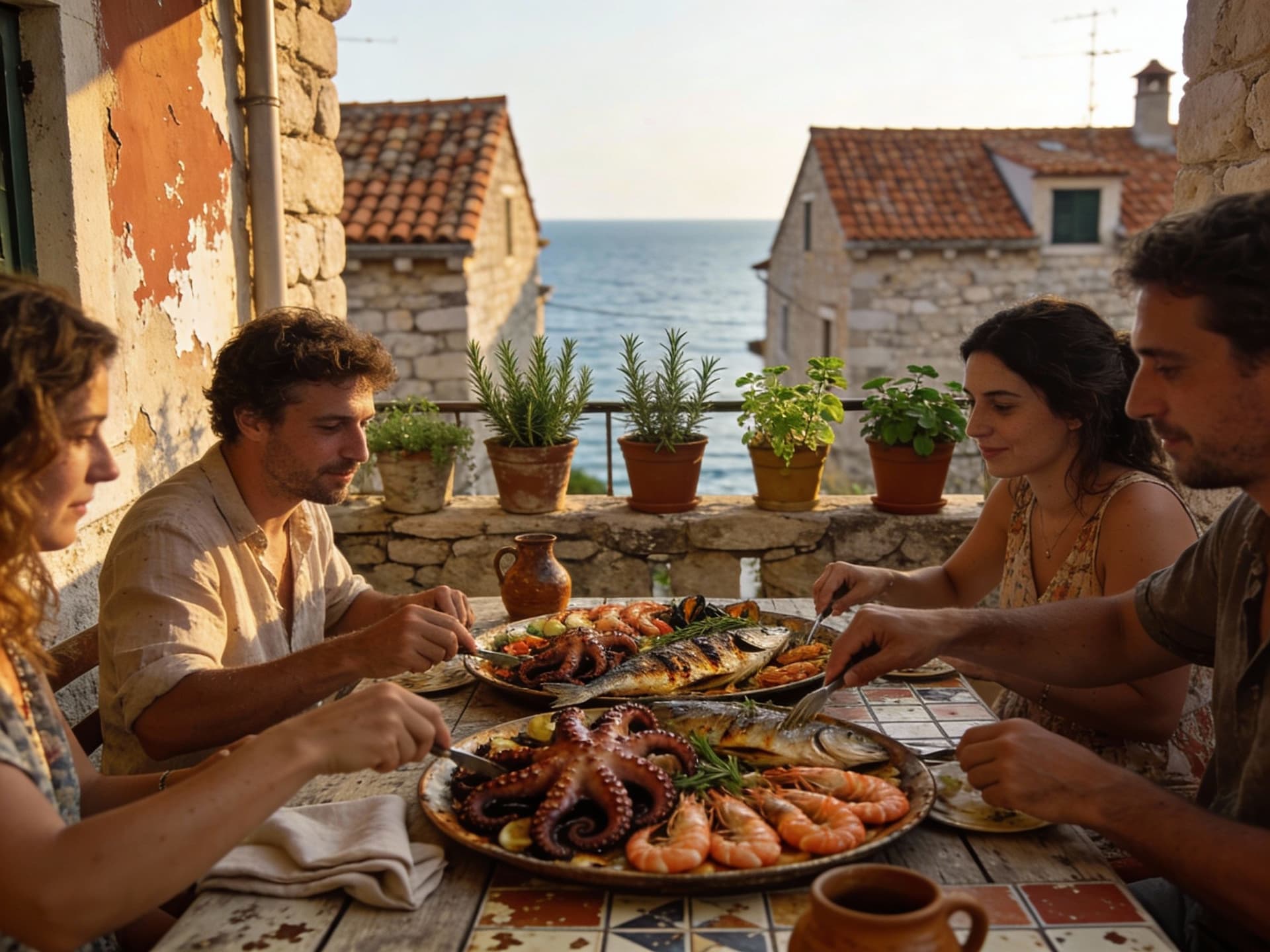
National averages mask local divergence. In mid‑2025 Croatia’s national average price per square metre was reported around €2,800–€2,900, while prime coastal pockets and new-builds often command well above €3,000/m². At the same time, Croatia’s tourism rebound — over 108 million overnight stays in 2024 — keeps short‑stay demand intense on the coast but also supports longer seasons in cities like Zagreb. These twin facts define where yields look attractive and where they’re overstated by summer revenue alone. (Sources: Croatian Bureau of Statistics; market price reports.)
Typical price bands and what they imply for returns
Expect inland regional towns to show the lowest entry price per m² and the highest cap‑rate potential if there is consistent local demand; coastal towns deliver higher capital appreciation prospects but lower gross yields when measured against purchase price. For example, average coastal listings can be 20–40% above national averages, compressing gross yields unless occupancy and rate control are exceptional.
Tourism context that moves the market
Croatia recorded more than 21 million arrivals and over 108 million overnight stays in 2024, with the Adriatic accounting for the vast majority of nights. The data shows growth in pre‑ and post‑season months, an important trend that can improve effective annual yields for investors who plan for shoulder‑season occupancy rather than peak‑only strategies. (Source: Ministry of Tourism / DZS.)
Making the move: property types, agency roles and deal mechanics
Your lifestyle choice should map to a property type: a compact central Zagreb apartment suits long‑let professionals; a renovated stone house in Istria fits slow‑season renters and retirees; a Dalmatian sea‑view flat suits short‑stay income with higher management costs. Work with a local agency that quantifies likely annualised net yield (after fees, management, utilities and seasonality) rather than selling headline summer ADR figures.
Property styles and the investor trade‑offs
Historic stone homes require renovation budgets and may qualify for tourism or heritage grants, but they often have irregular floorplates and higher maintenance. New builds offer easier management and energy efficiency (lower operating costs) but usually command a price premium. Factor refurbishment, energy performance and access to services into yield calculations — purchase price is only the headline input.
How local agencies add measurable value
A good local agent provides verified comparables, realistic occupancy assumptions, management quotes and introductions to licensed accountants and property managers. Ask agencies for a two‑scenario cashflow: conservative (60–70% seasonal occupancy) and optimised (80–90% with active marketing) so you can stress‑test expected net yield before committing.
Six practical steps to align lifestyle and yield
Follow this sequence when evaluating a Croatian purchase to keep lifestyle and returns in balance.
Obtain local price comparables (per m²) and ask for recent sale dates, not just listings.
Model two occupancy scenarios (conservative and optimised) and include management, utilities and tax.
Inspect seasonal cashflow drivers: nearby marinas, festival calendars, transport links and off‑season employers.
Budget for renovation and energy upgrades that reduce operating costs and improve long‑let appeal.
Confirm taxation and proposed property‑tax rules with a Croatian accountant (property tax reforms have been active recently).
Secure a local property manager with references for turnovers, cleaning and guest communications if planning short stays.
Insider knowledge — myths, cultural quirks and the overlooked yield pockets
Two myths to drop now: (1) 'coast always equals best yield' — often false when purchase price inflation outpaces achievable net rents; (2) 'seasonality kills value' — not if you buy in towns with growing shoulder‑season demand (Zagreb, Istria). Recent policy moves signaling a shift toward property taxation aim to curb speculative short‑term letting and may improve long‑term rental stock availability — a mixed signal for coastal short‑stay strategies. (See Reuters coverage on proposed tax shifts.)
The neighbourhood investors often overlook (but yields love)
Secondary coastal towns with infrastructure investments and growing digital‑nomad populations (for example, smaller ports near Split or inland Istrian villages with fast connections to Pula) can offer 6–8% gross yields on purchase prices that are substantially lower than prime sea‑view apartments. The catch: you must verify transport links and broadband — essential for off‑season rentalability.
Local lifestyle variables that affect rental demand
Festival calendars (e.g., Dubrovnik Summer Festival) lift ADRs for short stays.
Marina and yacht traffic increase shoulder‑season visitors and long‑stays.
Local employment hubs (Zagreb tech and education) underpin long‑let stability.
Transport upgrades (ferry frequency, airport routes) directly lift effective occupancy.
Cultural notes that change how you buy
Croatians prize ongoing family ties to properties; title chains can include inherited co‑ownership. Insist on a clean land register extract (ZK) and local legal review. Also, expect transaction pace to be more deliberate than in fast‑moving investor markets; decisions that feel slow are often the result of necessary municipal checks and heritage rules in older towns.
Conclusion: buy the lifestyle you can model and model the lifestyle you buy. Croatia offers a rare blend of stable city rents, high‑value coastal capital appreciation and expanding shoulder seasons that can improve annualised yields. Focus on verified price/m², conservative occupancy scenarios, and local agency partners who translate place into repeatable cashflows. If you want numbers run against specific towns — send the locality and we’ll stress‑test price, net yield and a two‑scenario cashflow for you.
Swedish financier who guided 150+ families to Spanish title deeds since relocating from Stockholm in 2012, focusing on legal and tax implications.