The Croatian Town Investors Overlook (Higher Yields Than You Think)
Croatia’s tourism boom masks neighbourhood-level yield differences—use occupancy-tested cashflow models, DZS data and local inspections to separate lifestyle buys from income assets.
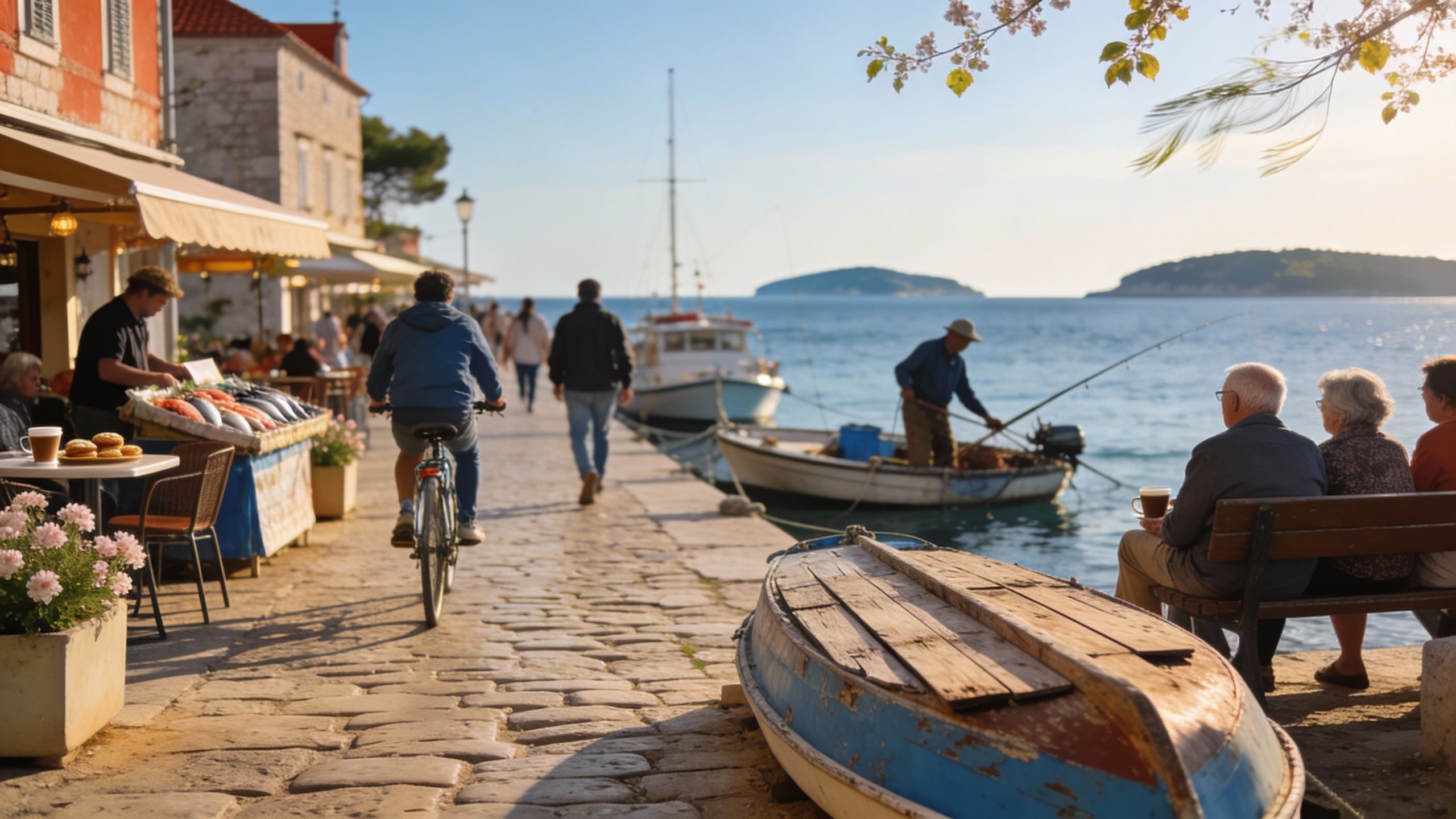
Imagine stepping off a ferry onto a stone quay in a small Dalmatian town at 8am: bakers roll out fresh pašticada, fishermen unload glossy sardines, and the café on Ulica Frane Bulića fills with retirees arguing football and price-per-square-metre. That sense of daily life—public, social and measured—matters for investors because it determines who will live in, rent and maintain a property year-round. Croatia’s headline tourism boom is real, but beneath the seaside postcards lie neighbourhood-level differences in capital growth and yields that savvy buyers can exploit. This piece mixes the smell of espresso with price-per-metre numbers so you can picture life and check the math before you sign.
Living the Croatian lifestyle: more than summer terraces
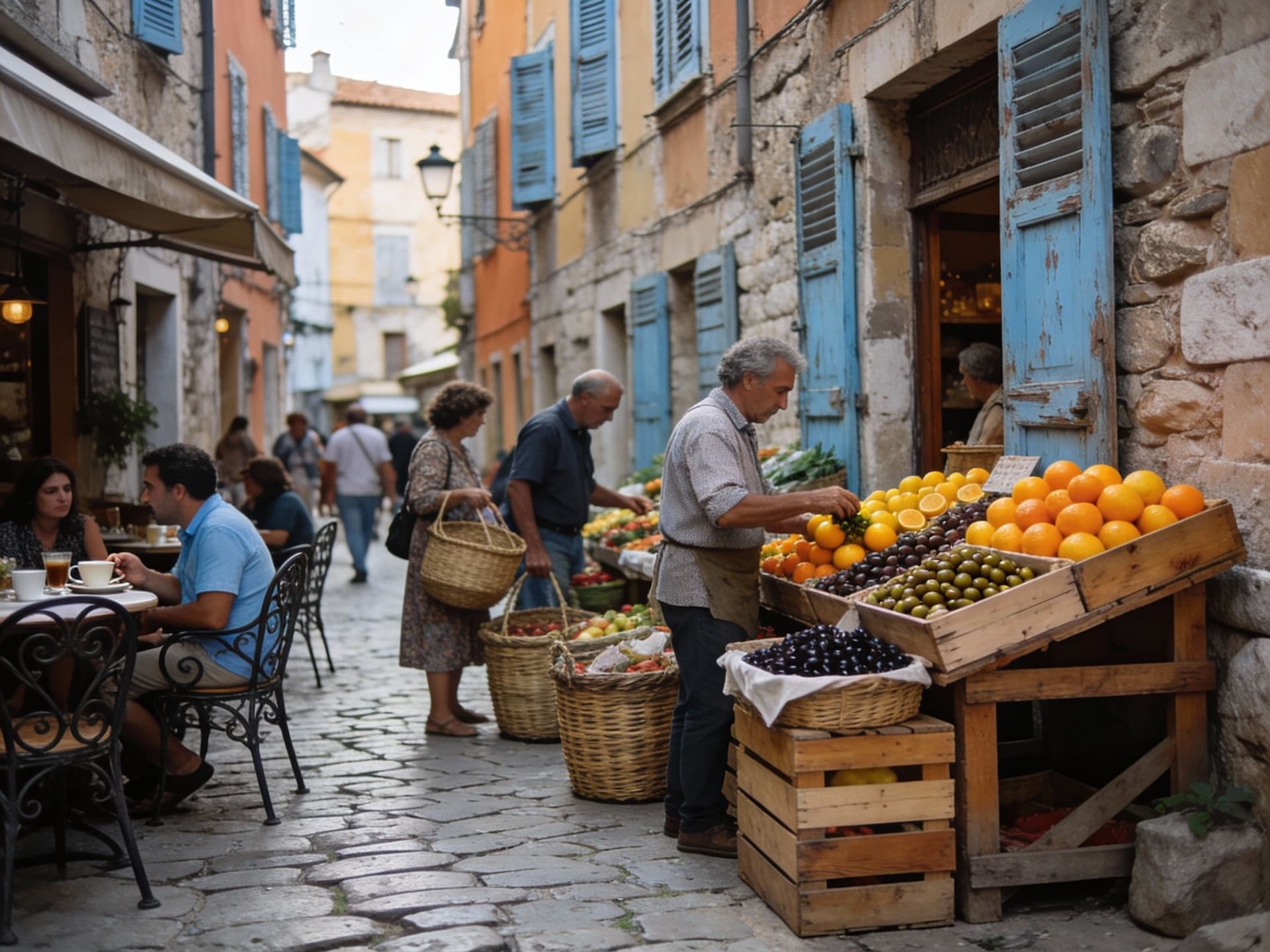
Croatia’s rhythm is seasonal but layered: seaside towns pulse from May to September, while Zagreb and inland centres hum year-round with conferences, students and local commerce. Daily life mixes Mediterranean routines—late breakfasts, long markets—with Central European practicality: strong municipal services, solid public transport in larger towns, and compact historic cores that reward walking over driving. For an investor this means two rental markets: high-margin short-stay summer demand on the coast and steadier longer-term tenancies in cities and commuter towns. Recognising which rhythm dominates a neighbourhood is how you match property type to income expectations.
Istria & Rijeka: year-round culture with coastal convenience
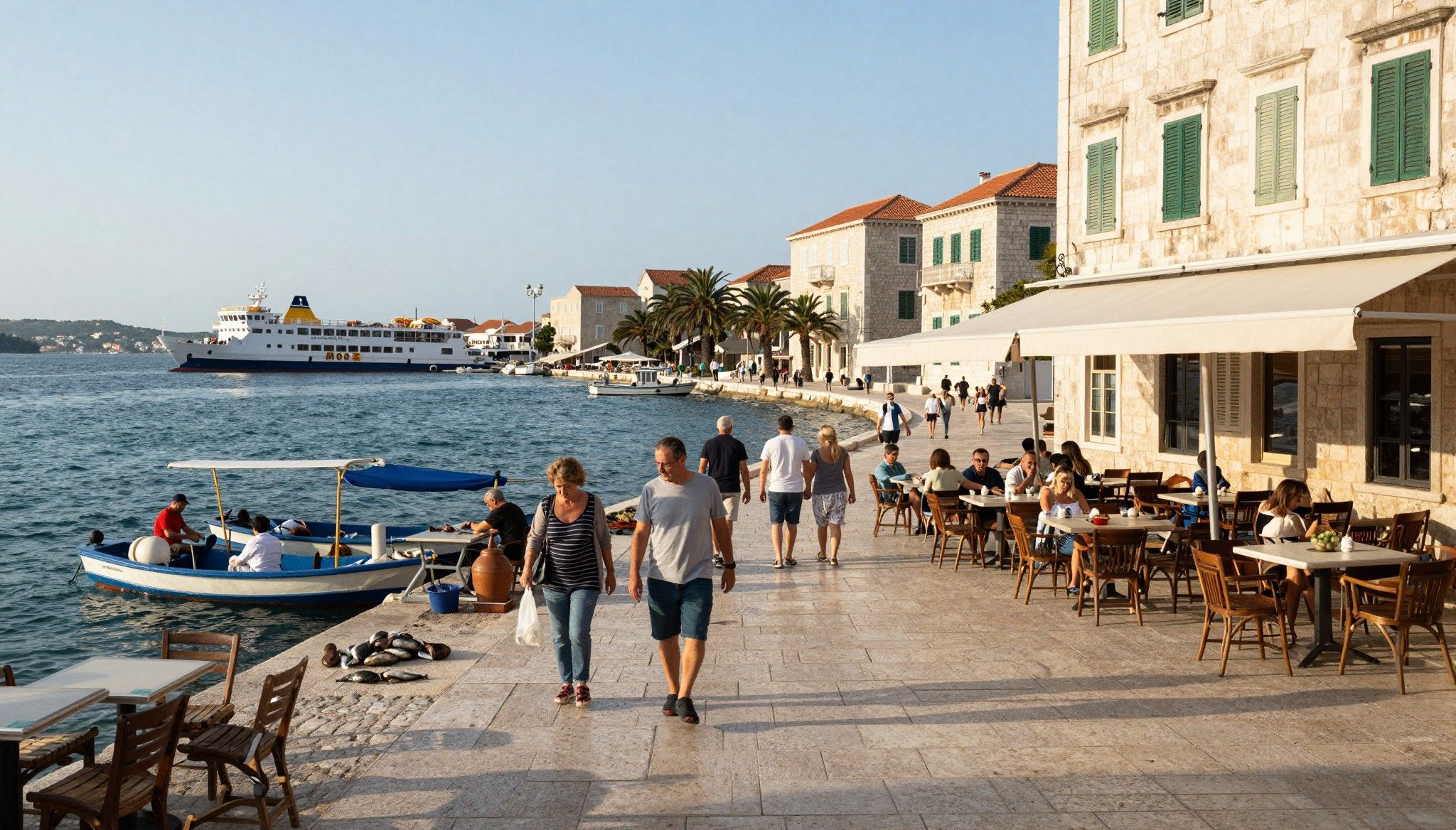
Walk through Rovinj’s cobbled lanes or Rijeka’s Korzo and you’ll meet small galleries, year-round restaurants and a local population that supports off-season demand. Those qualities reduce vacancy risk for mid-term rentals and family tenants—translating into more consistent net yields than purely tourist-driven towns. Price per square metre in Istria often sits above the national average, but so do occupancy rates outside peak months thanks to business tourism and cross-border visitors from Italy and Slovenia. That trade-off—higher purchase price for steadier income—is central to Croatia’s investment math.
Dalmatian islands & Dubrovnik: seasonal glamour, sharp trade-offs
The Adriatic islands and Dubrovnik deliver dramatic premiums for location and views, but that premium can compress yields if you rely on short, intense seasons and pay coastal taxes or higher maintenance. Recent asking-price data shows substantial year-on-year increases in Istria, Split-Dalmatia and Dubrovnik counties, which pushes cap-rate expectations down for buyers focused only on rental income. If you love seaside life, balance that with conservative occupancy assumptions and higher operating costs—especially for older stone houses that require frequent upkeep.
- Lifestyle highlights to test your location hypothesis:
- Rovinj’s market stalls and art scene—good indicator of steady off-season rentals
- Split’s Diocletian-era core—strong short-stay demand but high seasonality
- Zagreb’s Gornji Grad and student districts—consistent long-term tenancy and lower turnover
Making the move: practical considerations that protect your yield

Tourism growth supports Croatia’s short-stay market (DZS reports increases in arrivals and nights in 2024), but tourism alone is an unstable foundation for yield projections. Convert headline visitor growth into conservative occupancy assumptions: model 40–55% annual occupancy for coastal short-stay apartments and 70–85% for long-term urban rentals. Factor in season-specific costs—winter utilities, mid-season maintenance and municipality fees—that often appear only after purchase. A clear cashflow model that separates peak and off-peak months will reveal whether a dreamy sea-view apartment is a lifestyle buy or a true income asset.
Property styles & yield implications
New-build apartments near transit or university districts typically command lower maintenance and attract reliable tenants, but they also carry higher per-metre prices—DZS reports average new-dwelling prices near €2,473/m² in early 2024. Historic stone houses offer capital upside and character but require renovation budgets and contingency reserves; factor 8–15% of purchase price annually for refurbishment if you plan active short-stay use. Baseline rule: match property style to tenant profile—students and professionals prefer modern conveniences; families and long-term tenants prize layout and proximity to services.
Work with experts who know local seasons and regs
- 1. Use local agents with on-the-ground occupancy data and comparable rents; ask for anonymised booking calendars or long-term tenancy records.
- 2. Require a maintenance and capex forecast from sellers or agents that lists roof, facade, electrical and HVAC costs for at least five years.
- 3. Insist on a dual-case cashflow: best-case (peak-season heavy), base-case (conservative occupancy) and stress-case (30% below base).
Insider knowledge: what expats and investors wish they’d known
Expats tell a common story: they fell for a town’s summer character, bought impulsively at peak asking prices, then spent two winters learning how much upkeep and municipal regulation actually cost. Croatia’s push to extend the tourist season improves income resilience, but local zoning and short-stay restrictions vary by municipality and can materially alter cashflow. A neighbourhood with a lively market but strict short-stay rules may be better for long-term rentals than short lets, changing expected yields by several percentage points. Local knowledge—council minutes, tax notices and neighbourhood bylaws—translates into yield protection.
Cultural integration and daily realities that affect tenancy
Learning Croatian isn’t mandatory, but understanding local customs—how leases are negotiated, deposit norms, and the social calendar—reduces turnover and repair disputes. In many towns, repairs are coordinated through local craftsmen whose schedules tighten in summer; that affects turnaround time for short-stay apartments. Expat communities cluster around international schools in Zagreb, Split and Rijeka, creating pockets of high-demand family rentals with predictable yields. Social knowledge equals lower vacancy and fewer surprise costs.
Long-term lifestyle and value sustainability
Croatia’s EU membership and improving infrastructure underpin medium-term capital appreciation, but local supply constraints in historic centres mean legal and logistical hurdles for conversions and renovations. Investors should prioritise properties with clear titles, up-to-date building permits, and easy access to winter services to ensure year-round appeal. Where municipalities invest in transport and cultural facilities, price growth tends to outpace national averages—watch municipal budgets and planning applications as leading indicators.
- Quick red flags that cut yields:
- Unresolved title chains or multiple heirs listed on cadastre records
- Municipal short-stay limits in historic cores without clear grandfathering
- High-season-only booking history with no off-season demand
- Lack of documented maintenance records for older stone or coastal properties
- 1. Survey the neighbourhood at three different times of year (early spring, peak summer, late autumn) before bidding; document observable tenant types and services.
- 2. Ask agents for anonymised P&L from comparable properties—look for net yields after realistic management and maintenance.
- 3. Build a 5-year refurbishment and capex schedule into your acquisition price rather than hoping for seller disclosures.
Conclusion: Croatia offers a rare mix of walkable historic cores, island life and growing urban demand—but the difference between a lifestyle buy and an income-grade asset is often the neighbourhood and the numbers. Use municipal data, DZS tourism statistics and local price-per-metre reports to stress-test yield assumptions. If you cherish a coastal terrace, buy with conservative occupancy models; if you prioritise reliable cashflow, target urban districts with year-round tenancy, documented rents and lower operating surprises. When you pair the right local agent with rigorous financial modelling, Croatia stops being a picturesque gamble and becomes a calculable asset in your portfolio.
Norwegian market analyst who relocated from Oslo to Mallorca in 2016, guiding Northern buyers through regulatory risk, currency hedging, and rentability.