Croatia: When Coastal Romance Costs Yield
Croatia’s coastal romance hides complex yield trade‑offs: rising prices and new property tax rules shift returns toward urban, year‑round rentals; coastal assets need vacancy‑aware models.

Imagine starting your morning with an espresso on Ilica in Zagreb, then slipping down to a pebble beach in Split for an afternoon swim — Croatia folds city grit and island calm into one compact country. But for investors the romance clashes with data: rising prices, seasonally skewed rental demand and new property taxes mean lifestyle decisions must be checked against yields and occupancy. We pair on-the-ground scenes with current market metrics so you can judge where lifestyle and return actually align.
Living the Croatia lifestyle
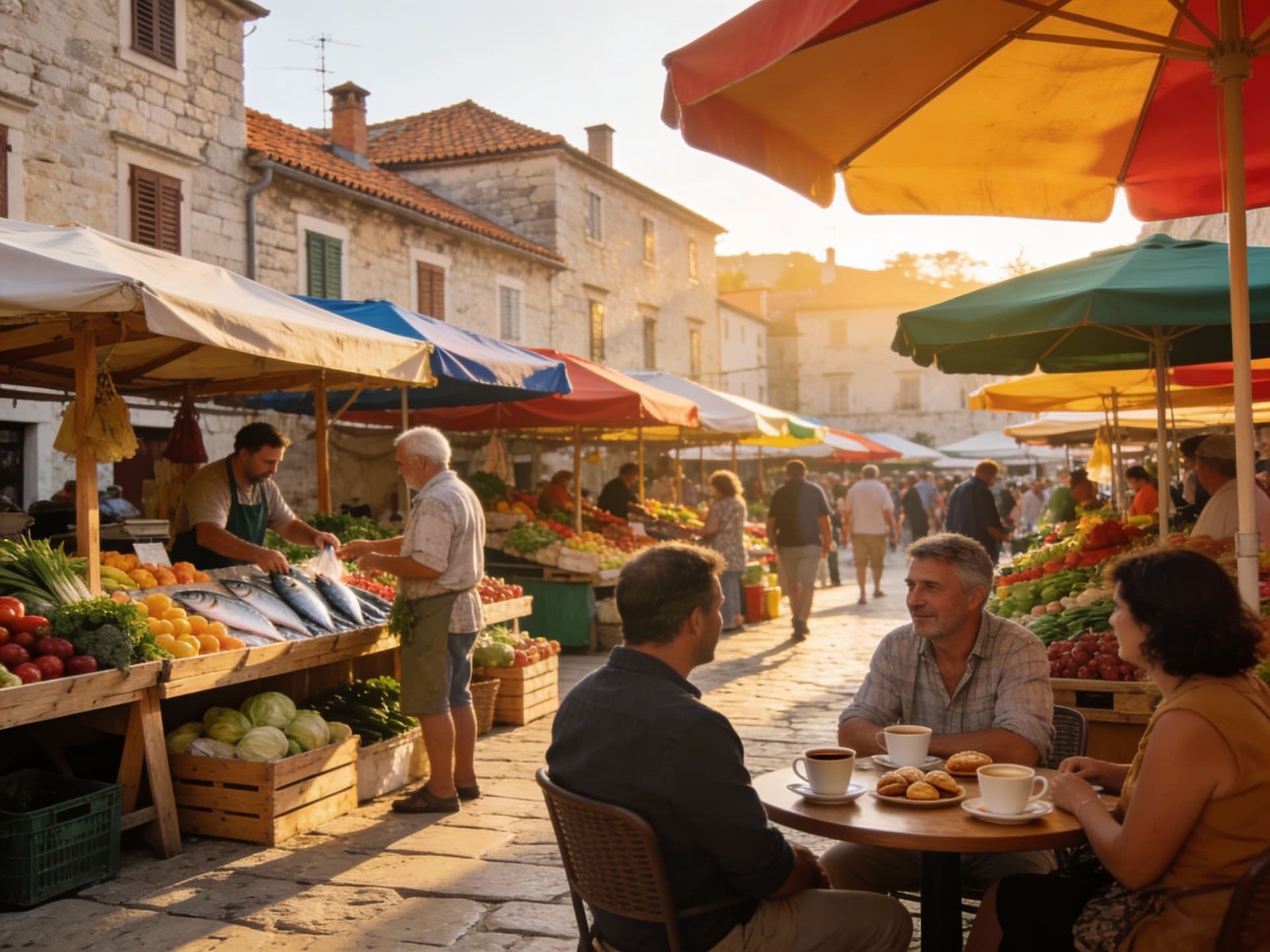
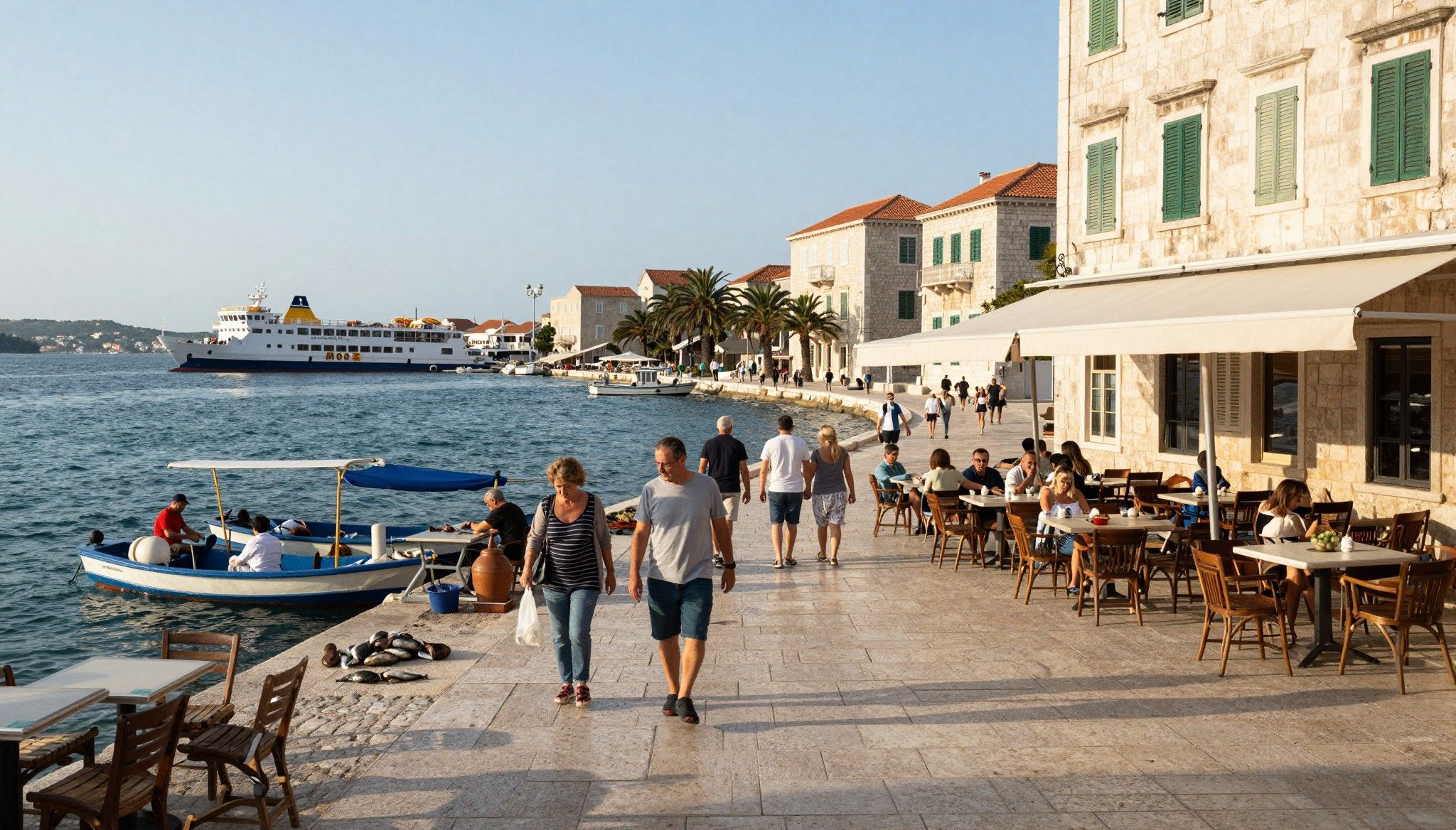
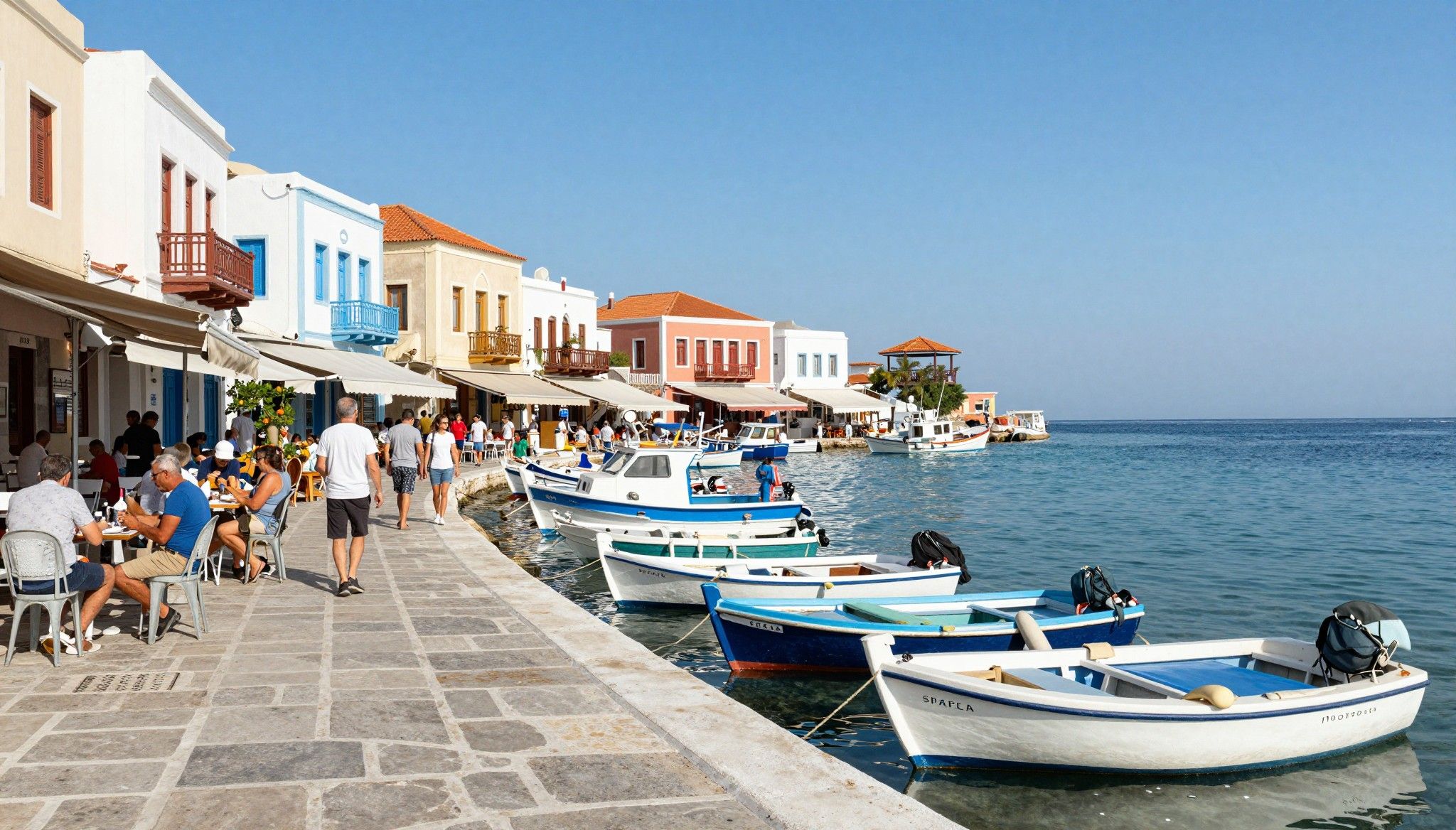
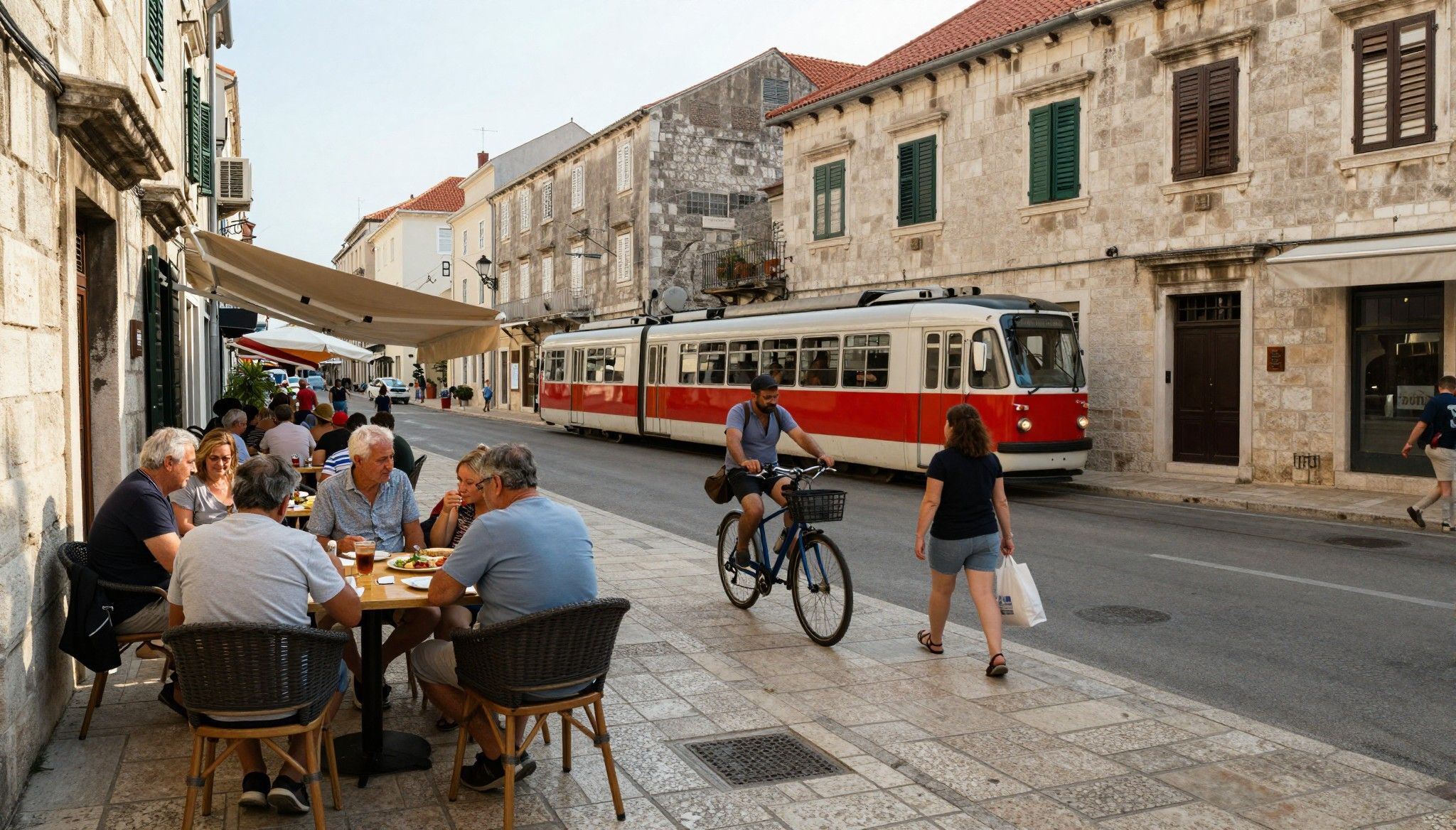
Croatia’s rhythm is coastal mornings and urban afternoons. In coastal towns you’ll hear boat engines and market sellers; inland, streets hum around cafés and tramlines. The effect on property is immediate: short-term demand spikes along the Adriatic in summer, while year-round rental markets cluster in Zagreb and university towns. For buyers that means choosing between high-season cash flow and steady urban yield.
Zagreb: city income, predictable occupancy
Walk the Donji Grad in the morning and you’ll see steady pedestrian flow, students, and office workers — the ingredients of reliable long-term rentals. Average city prices sit around €3,000/m² for apartments; yields tend to be lower than the coast but occupancy is more stable. If your strategy prioritises net yield and low seasonality, city-centre apartments and purpose-built rental blocks in Zagreb offer predictable cashflow.
Coast & islands: headline prices, seasonal yields
Split, Dubrovnik and Istria deliver dramatic lifestyle returns — sea views, historic centres, and resort amenities — and they command premium prices (often €3,000–€5,000+/m²). But rental income is concentrated in 3–4 months. That amplifies gross yields in summer but compresses effective annual yields after vacancy, maintenance and local short-stay regulations are applied.
- Zagreb — steady university & corporate demand; Donji Grad, Maksimir; consistent long-term occupancy.
- Split & Hvar — tourist-first markets; high headline rents in July–August, thin shoulder-season demand.
- Dubrovnik Old Town — highest prices per m²; strong short-stay potential but limited long-term rental pool.
Making the move: practical considerations

The dream of Adriatic mornings meets concrete policy and price trends. Croatia introduced property‑focused tax reforms in 2025 designed to discourage vacant short‑stay stock and favour long‑term rentals. At the same time, house price indices show continued appreciation into 2025. Those two forces change holding costs and rental strategy — convert a summer‑only income model into a year‑round yield plan or accept a lower effective yield in exchange for capital growth.
Property styles and practical trade‑offs
Stone houses in Dalmatia deliver character and price volatility: low purchase volumes, high maintenance and tourist appeal. New-build apartments in Zagreb or Split cost more per m² but need less CapEx and attract longer lets. For investors, the choice is between gross seasonal yields (coastal holiday lets) and net, stable yields (urban apartments). Always model vacancy, utilities, condominium fees and a maintenance buffer of at least 10% of gross rent.
Working with on‑the‑ground experts
- Use local agencies with proven transaction records and bilingual legal partners: 1) Verify recent transaction prices (not asking prices) in the exact street or block; 2) Ask for occupancy and renter profiles for comparable assets; 3) Request historical operating statements for short‑stay units; 4) Require a local tax opinion showing how property tax reform affects net yield.
Insider knowledge: what expats wish they'd known
Expat landlords often underestimate local social dynamics. In many coastal towns a dual market exists: owner‑occupied locals and tourist rental stock run by non‑resident investors. That creates friction — rising prices and local pushback — and can result in municipal rules targeting short‑stay conversions. Expect higher transaction scrutiny and community-driven enforcement in popular spots.
Cultural & seasonal realities that affect returns
Festivals, regattas and high‑season tourism concentrate revenue in a handful of months. Plan for shoulder‑season damping and winter vacancies — unless you target long‑stay tenants (students, remote workers, corporate lets). Local festivals can double nightly rates for prime weeks but do not compensate for off‑season vacancy when averaged across the year.
- Practical red flags to watch for
- Title irregularities on older stone properties (get a cadastral extract).
- Unrealistic occupancy projections supplied by listing agents for short‑stay units.
- Neglected maintenance costs on seafront buildings exposed to salt and humidity.
Long‑term: where numbers meet lifestyle
House price indices show Croatia has been on an upward trajectory through 2024–25, driven by EU integration and limited coastal supply. That supports capital appreciation for coastal and prime urban assets. But appreciation is not a substitute for yield. If you buy for lifestyle with partial yield expectations, prioritise a property mix: one income‑producing urban unit and one lifestyle coastal asset to balance cashflow and capital upside.
- A practical checklist before offer: 1) Obtain transaction‑level comparables for the same building; 2) Run a 12‑month cashflow stress test with 40–60% seasonal occupancy for coastal assets; 3) Secure a local tax note on property taxes and income treatment; 4) Confirm utility and condo fee history for the last 24 months.
Croatia can give you mornings on the Adriatic and an investor return — but only if you match product to purpose. Treat coastal charm as an asset attribute, not a substitute for discipline. Work with agencies that provide transaction data, local counsel, and conservative operating forecasts. Then close on the property that fits both the life you want and the yield you need.
Danish relocation specialist who moved to Cyprus in 2018, helping Nordic clients diversify with rental yields and residency considerations.