Cyprus coastal glamour masks real yield winners
Cyprus’s sun and beaches hide practical yield winners—use RPPI and tourism data to match neighbourhood life to realistic gross and net yields.
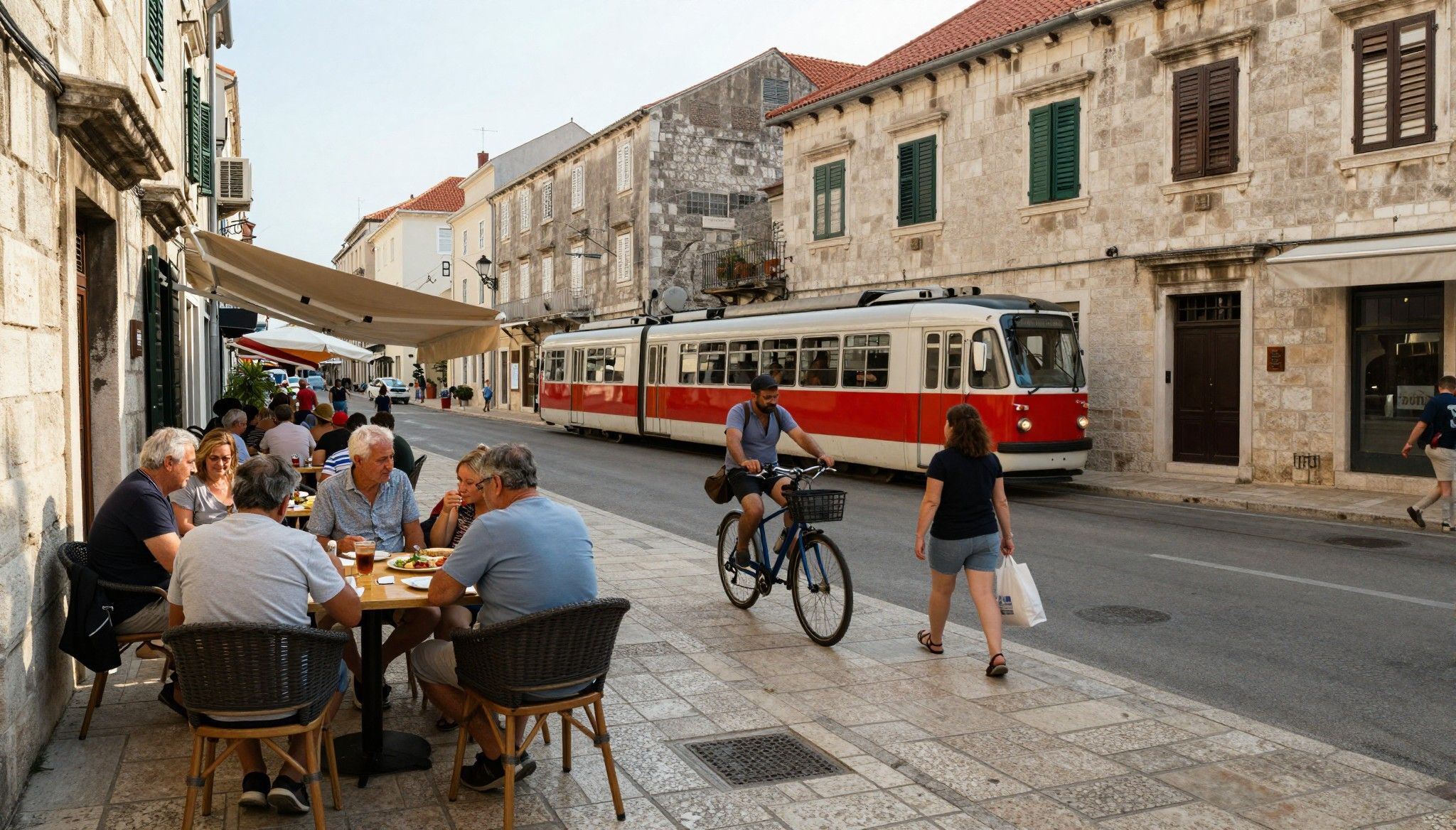
Imagine stepping out at 8am to a narrow café street in Limassol, the smell of strong Greek coffee mixing with sea salt. By noon you could be inspecting a compact 2-bed flat a five‑minute walk from Lady’s Mile and, that evening, reviewing a data sheet showing a gross yield that actually outperforms a fanciful sea‑view penthouse.
Living the Cyprus lifestyle — sunny rhythms and real streets

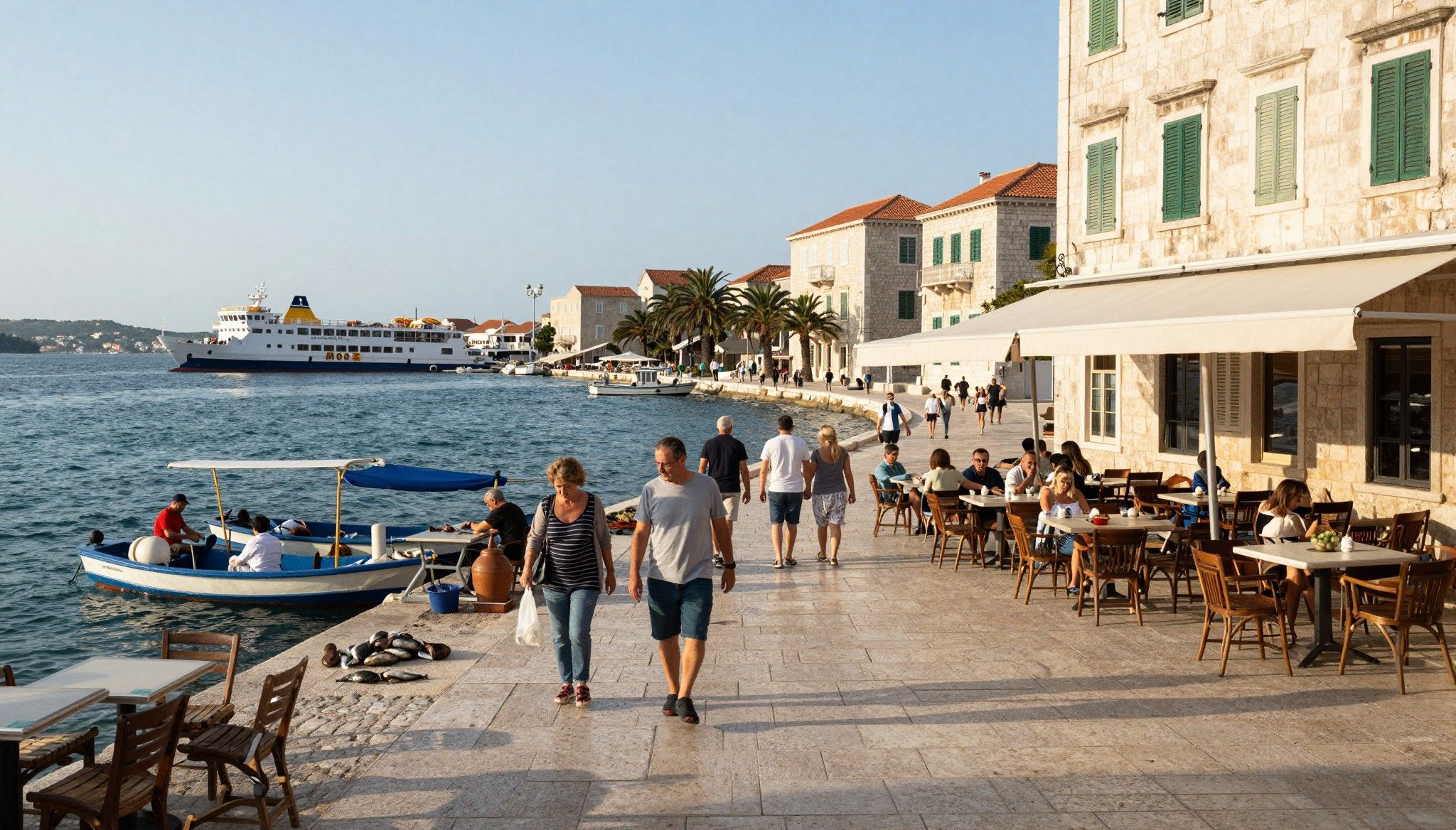
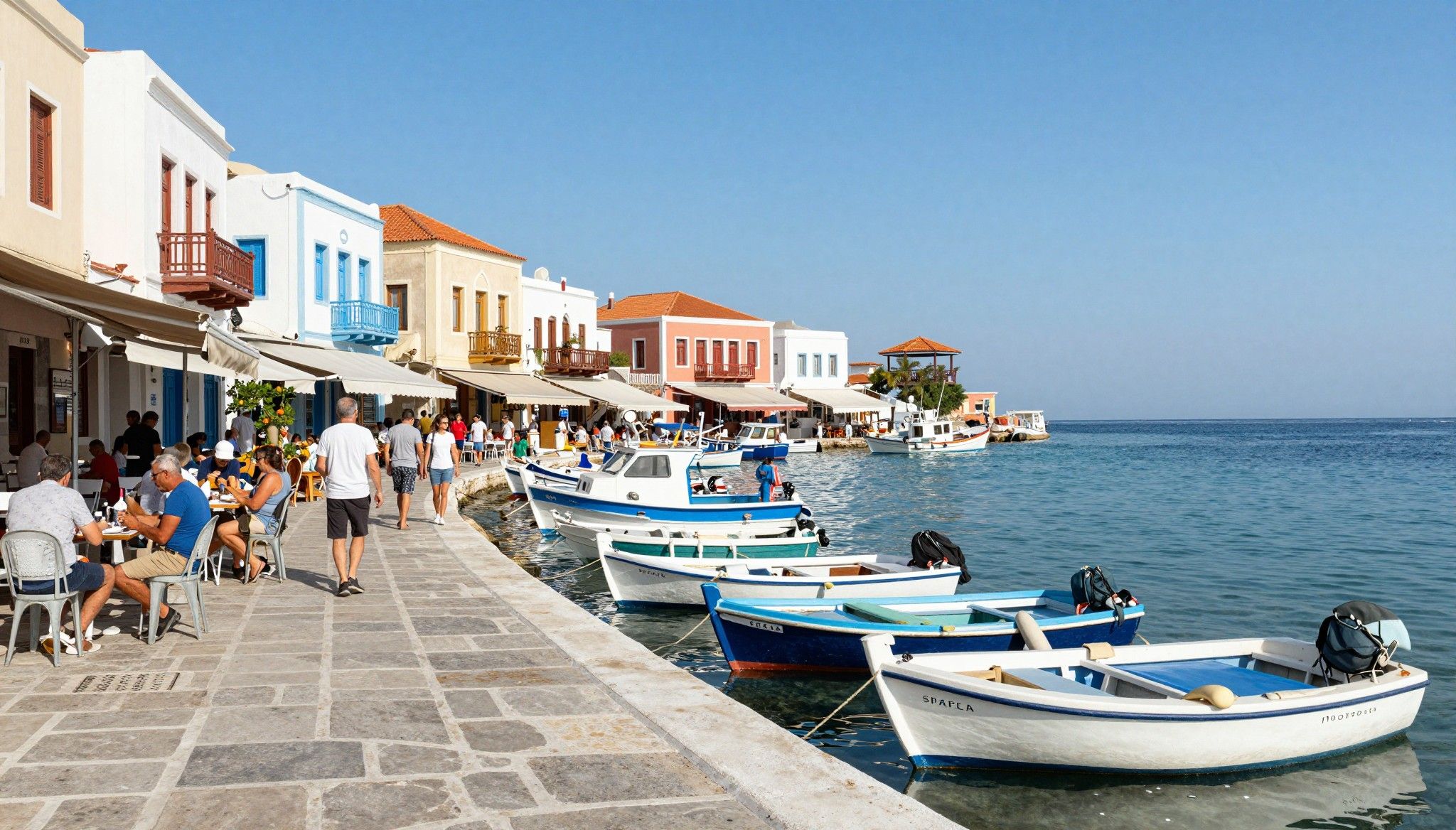
Cyprus life is sun‑first but not monochrome. Nicosia hums with weekday commerce and cafes on Solonos Street; Limassol mixes yachts and start‑ups along the seafront promenade; Paphos pairs archaeological sites with long summer rentals; Larnaca feels relaxed, punctuated by Finikoudes’ palm‑lined mornings. These are places where weekend markets, mezze plates and mid‑afternoon siestas shape housing demand as much as the coastline.
Neighborhood spotlight: Limassol's Old Port to Germasogeia
Walk from the Old Port to the tree‑lined villas of Germasogeia and you’ll see why short‑let demand clusters here: beach access, cafes like Columbia Beach, and international schools draw families and holiday tenants. The street mix means smaller apartments can achieve high occupancy across summer and shoulder seasons — an often‑overlooked driver of gross yields.
Food, markets and pockets of life that matter to renters
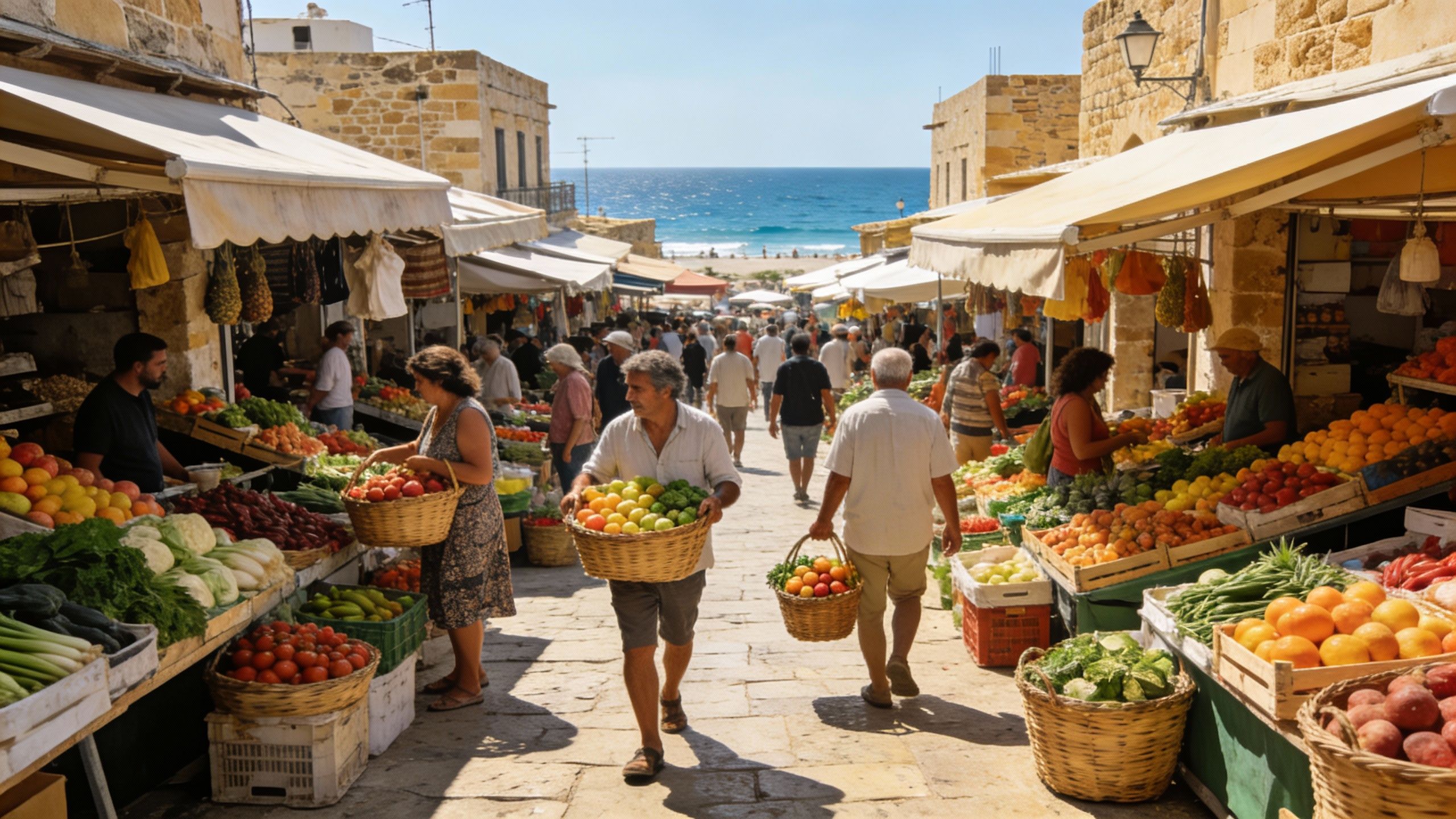
Picture weekday lunches at Larnaca’s Finikoudes, Saturday fish at Paphos’ harbour tavernas, and farmers’ markets in mountain villages. These everyday anchors — not only beaches — determine where tenants want to live year‑round and where longer‑term yields stay resilient outside peak summer months.
- Lifestyle highlights: Limassol promenade, Paphos harbour, Larnaca's Finikoudes, Ayia Napa’s Nissi Beach, Troodos mountain villages, local farmers’ markets
Making the move: how lifestyle choices map to price and yield

The lifestyle you want will change the headline numbers you should care about. Strong tourism — over 4 million arrivals in 2024 — lifts short‑let demand in Paphos and Ayia Napa, while Limassol’s year‑round business and schools support longer leases. That split explains why identical asking prices mean very different net yields across towns.
Property types and how they perform
Detached houses in Cyprus have shown faster price growth than apartments recently (Central Bank RPPI data), which changes the investment case: houses can gain capital appreciation, but apartments often deliver higher rental turnover and therefore stronger short‑term gross yields. Factor in maintenance and management when comparing net yields.
Working with local experts who understand both life and numbers
You need an agent who knows which streets fill in July and which keep tenants in January. Local agents, property managers and tax advisers turn lifestyle cues — school catchments, market days, ferry links — into yield assumptions and realistic vacancy rates.
- Stepwise checklist to match lifestyle to yield: 1) Rank desired lifestyle anchors (beach, schools, nightlife). 2) Pull recent rental lists for those micro‑areas. 3) Model gross vs net yield including management fees. 4) Stress‑test occupancy by season. 5) Compare to similar stock in inland towns for downside protection.
Insider knowledge: myths, red flags and the data that corrects them
Myth: 'Cyprus is only a summer play.' Reality: tourism and business activity are increasingly year‑round; 2024 surpassed 4 million tourists and the IMF forecasts steady growth, which supports longer letting seasons and stabilises yields beyond peak months.
What locals avoid (but investors should check)
Some buyers reflexively rule out inland villages as 'low demand.' Yet mountain villages in Troodos deliver low acquisition prices and growing short‑term rental interest for nature tourism. The tradeoff is occupancy seasonality — close these gaps with diversified listings and dynamic pricing.
Practical red flags: what to inspect beyond the glossy listing
- Check: 1) Actual distance to beaches (not 'sea‑view' marketing), 2) road access in winter for mountain properties, 3) water supply resilience and desalination plans, 4) recent RPPI trends for that property type, 5) permit and usage records for short‑lets.
Cyprus faces real infrastructure pressures — water shortages have prompted public desalination investments — and these factors affect operational costs and tenant expectations. Build conservative operating margins into your yield model to avoid surprises.
How to model yields here — a quick primer
- Calculation steps: 1) Start with achievable market rent (local comparables). 2) Annualise and divide by purchase price to get gross yield. 3) Subtract realistic operating costs (management, utilities in shoulder seasons, repairs) to get net yield. 4) Stress‑test with 10–25% seasonal vacancy and 3–5 year maintenance cycles.
Use Central Bank RPPI data to adjust capital appreciation assumptions and Cystat tourism figures to model seasonal occupancy. Conservative modelling — not optimistic occupancy — is the rational route to a robust Cyprus investment thesis.
What expats wish they'd known: culture, seasons and long‑term life
Expats say the small things matter: midday closures, language flexibility (English is widely used), and community rituals that determine where people choose to live. Expect a slower pace in mountain towns and a brisker rhythm in Limassol and Nicosia — these rhythms affect tenant mixes and lease lengths.
Seasonal realities that change returns
Summer drives short‑let peaks, but shoulder seasons now produce meaningful occupancy thanks to business travel and off‑peak tourism. Properties positioned for both — easy transport links, nearby cafes open year‑round, and heating for winter mountain lets — keep average annual yields higher than a pure summer‑only model would predict.
Longer horizon: how your life and portfolio can evolve here
Buyers who treat Cyprus as a diversified play — combining coastal short‑lets with inland mid‑term rentals or family homes — reduce seasonality risk and capture both rental yield and capital growth. Local agencies that offer property management, tax planning and market revaluation will be the difference between a hobby purchase and an institutional‑grade asset.
- Quick action points: shortlist two micro‑areas (one coastal, one inland), request 12‑month rental ledgers, get RPPI trend extracts for the property type, and budget 8–12% annualised operating costs for conservative net yield estimates.
Conclusion: Cyprus offers a lifestyle many fall for — sun, food, compact European convenience — but the smart buyer separates glamour from metrics. Anchor your desire to live in Limassol or Paphos with data: rent comparables, RPPI trends and seasonal occupancy models. Work with local advisors who translate street‑level lifestyle into defensible yield assumptions, and you’ll own a home that pays for both life and return.
Dutch investment strategist who built a practice assisting 200+ Dutch clients find Spanish assets, with emphasis on cap rates and due diligence.