Cyprus: Seaside Charm That Hides Real Yield Chances
Cyprus’ tourism rebound and steady house‑price growth create pockets where gross yields beat Western Europe — but only if you underwrite occupancy, seasonality and infrastructure.

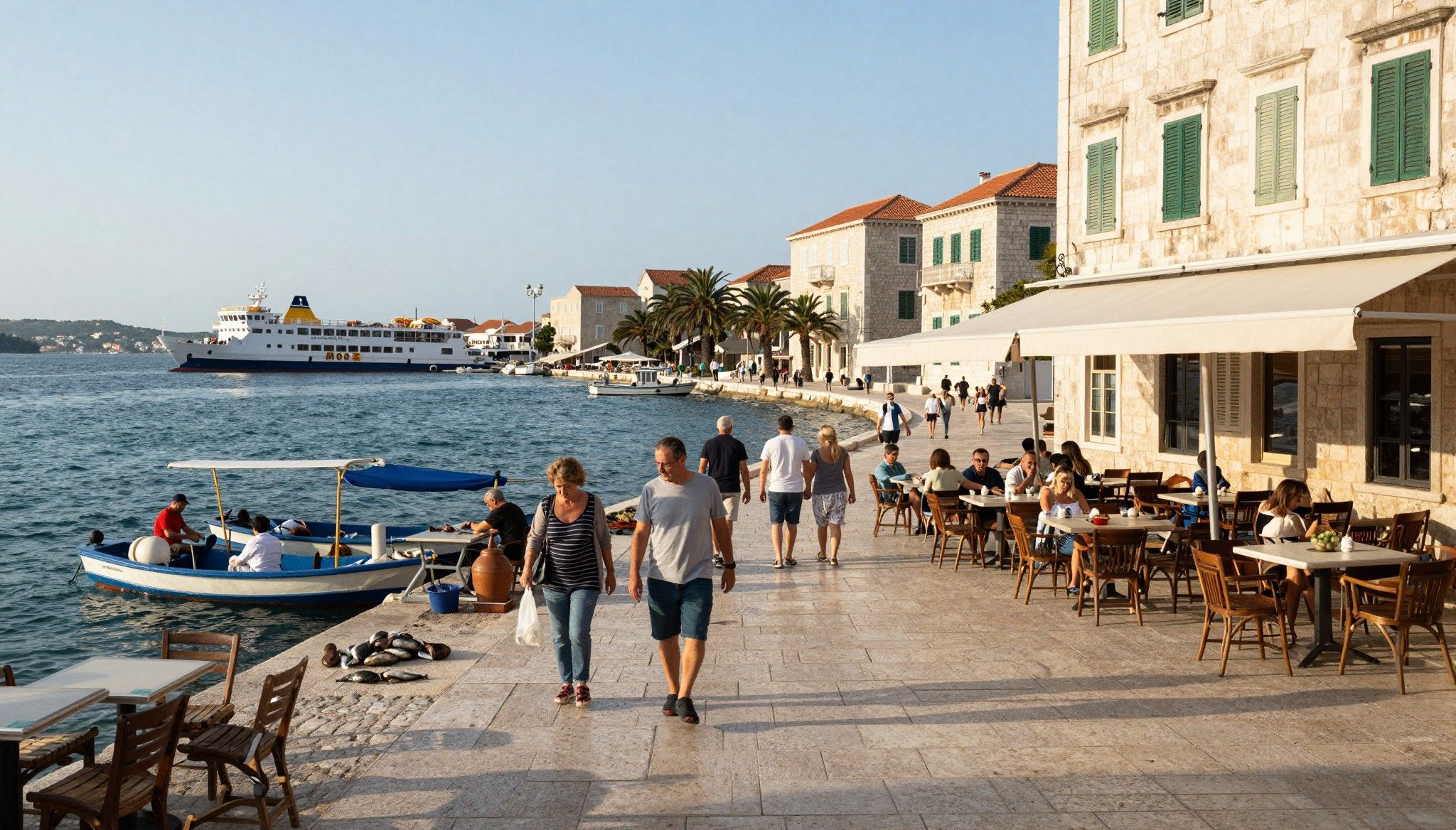
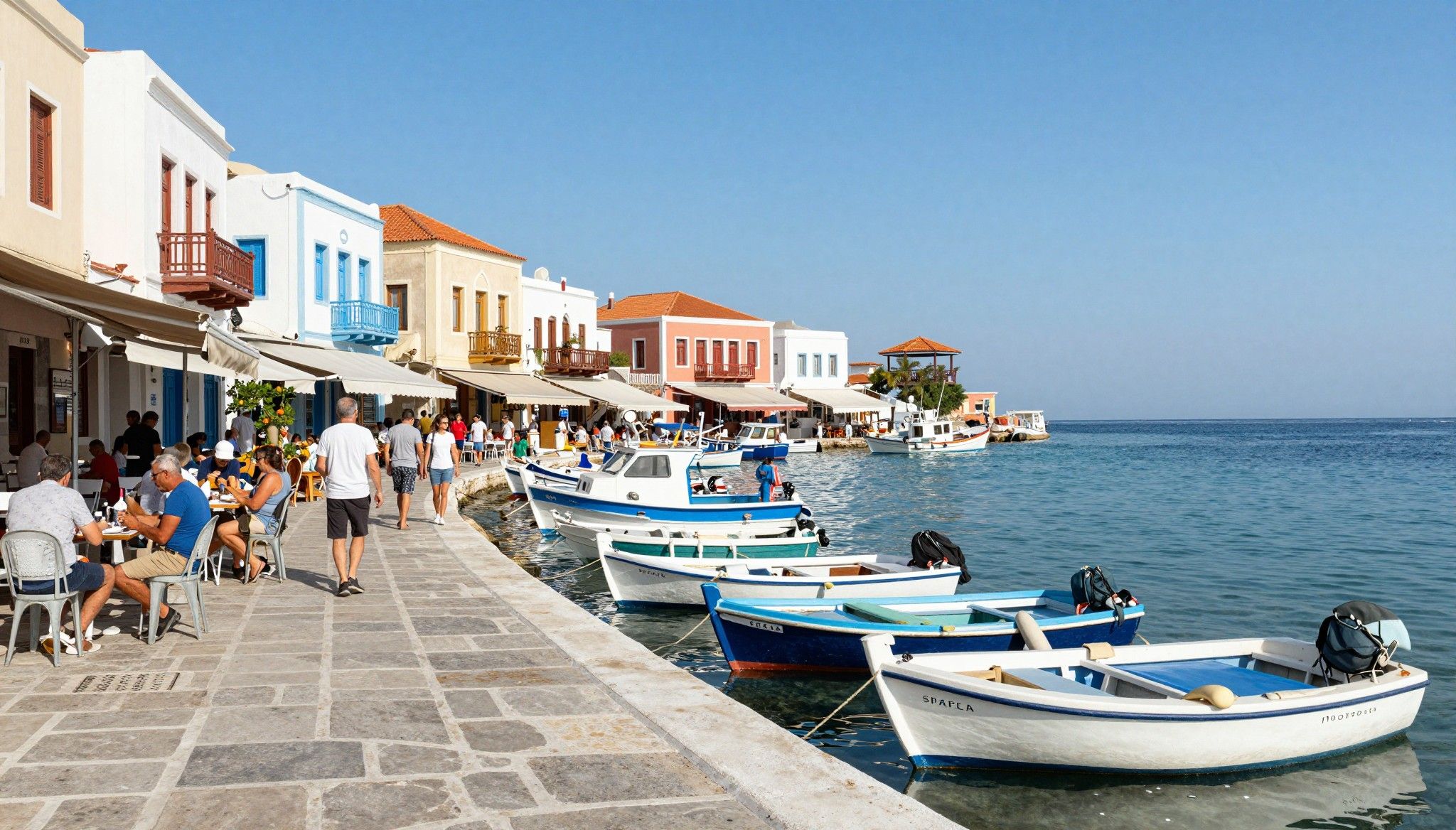
Imagine sipping a small, bitter espresso at a marble-topped table in Limassol’s old port while, three streets away, a landlord counts last month’s short‑let bookings. Cyprus feels like summers that never quite end: markets wake at dawn, tavernas hum late, and the coastline frames everyday life. That warmth matters to investors — because lifestyle equals demand. But the data tells a subtler story: modest national house‑price growth and tourism records create pockets where yields still outpace Western Europe. See the island’s official House Price Index for the latest baseline.
Living Cyprus: light, local rhythms and where they matter
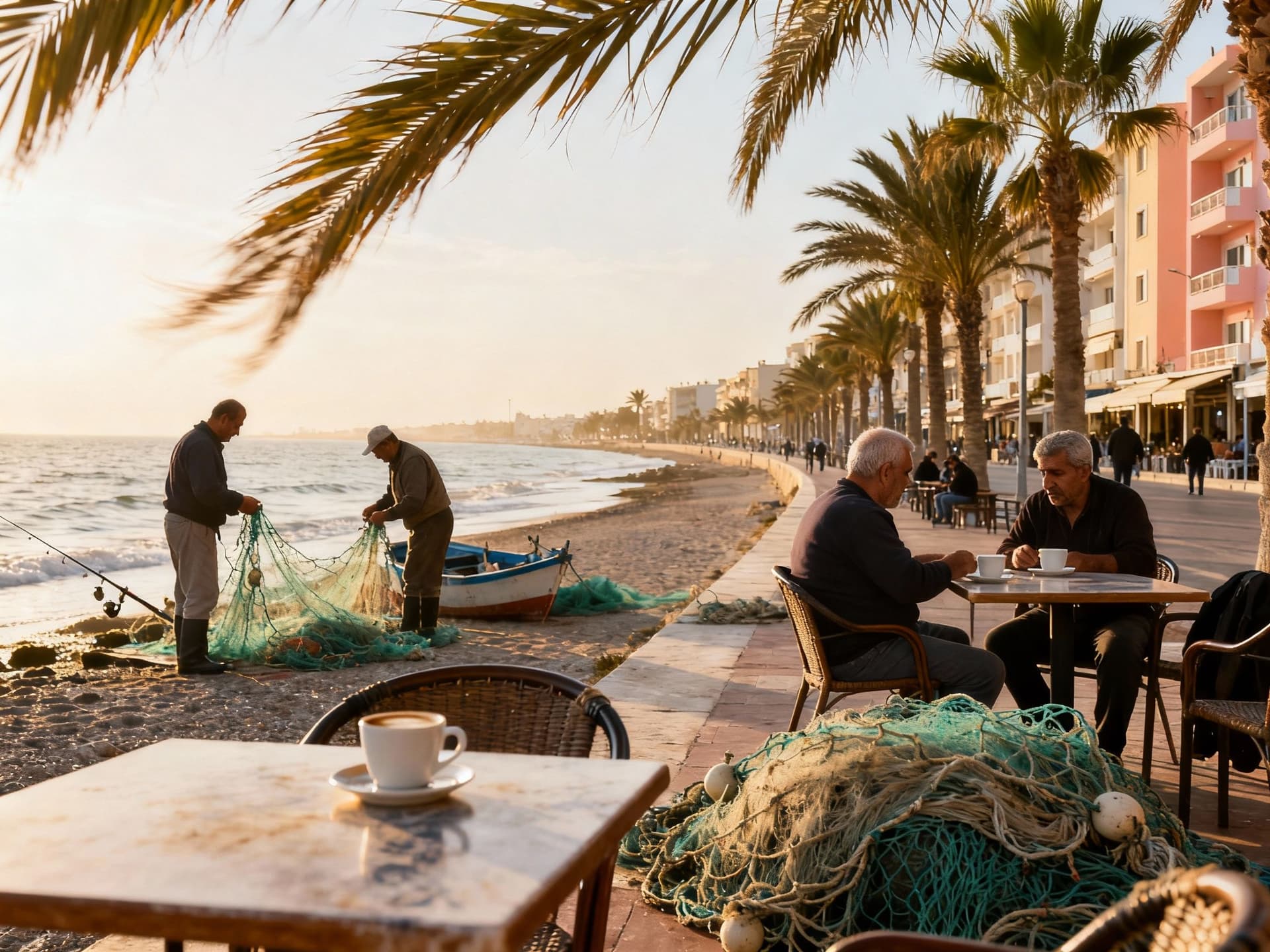
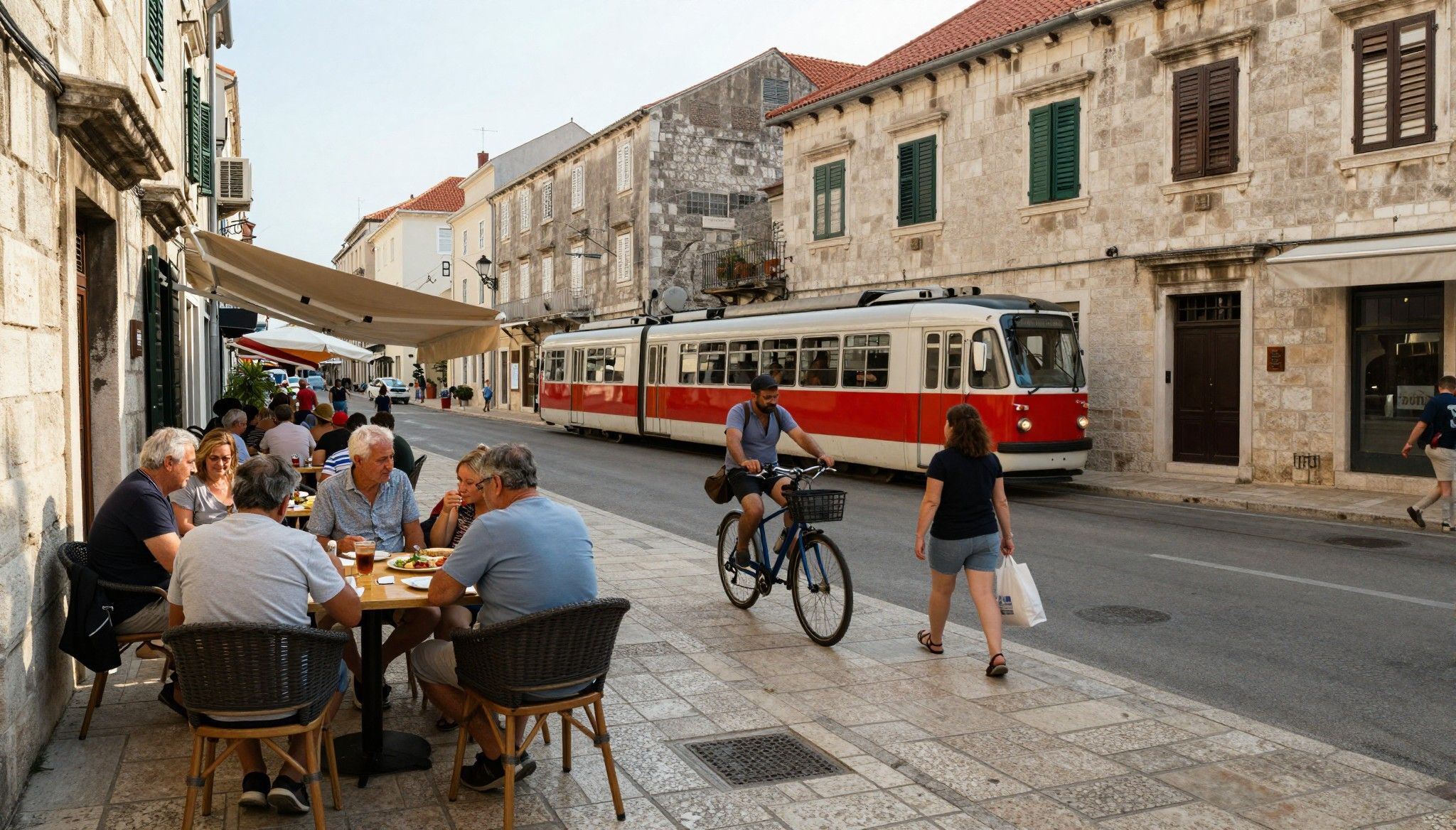
Cyprus is both a year‑round place and a seasonal machine. Beaches, mountain villages and coastal towns each follow different calendars: Paphos fills with holiday renters in high season, Nicosia hums with weekday professionals, Limassol balances tourism and business. Tourist arrivals topped four million in 2024, a structural tailwind for coastal short‑lets; but water stress and infrastructure limits shape where that demand converts to sustainable rental income. The tourism numbers matter because they are the demand engine behind short‑let yields — and recent government releases confirm continued growth.
Limassol: marina glamour, corporate tenants, and structural premiums
Walk Limassol’s Molos at sunset and you see why prices are higher: coastal apartments, luxury refurbs and an influx of corporate relocations. That premium translates into higher capital values but not automatically higher net yields. According to local indices, Limassol registers the island’s highest price per square metre, which compresses gross yields unless rents keep pace. For investors this means careful underwriting: location‑specific cap‑rate expectations, and focus on areas with year‑round tenancy like Agios Tychonas and Germasogeia rather than headline marina listings.
Paphos & Larnaca: yield sweet spots under the tourist radar
Paphos consistently attracts holiday visitors and long‑stay Brits; Larnaca mixes a growing airport hub with an undervalued waterfront. These markets often show stronger gross yields than Limassol because price bases are lower while seasonal and long‑let demand remains healthy. If you want rental return rather than trophy capital appreciation, these districts deserve focused underwriting: estimate conservative occupancy (50–60% for short‑lets outside peak months) and stress test rents down 20% to capture off‑season realities.
- Lifestyle highlights that shape rental demand:
- Limassol’s Molos promenade and Limassol Marina — corporate and holiday clientele
- Paphos Harbour & Old Town — off‑season long stays and family tourism
- Larnaca Finikoudes and Dhekelia road corridor — airport convenience for short and medium lets
Making the move: price, yield and the local traps

The headline: Cyprus house‑price indices rose modestly in recent quarters — annual growth in low single digits — so capital appreciation is steadier than explosive. That makes rental yields the primary lever for total return. Use official HPI data and Central Bank indices as starting points. Then layer neighbourhood pricing and realistic rent maps: list price per m² versus achievable monthly rent gives you gross yield; subtract local operating costs, vacancy, and management to get net yield.
Property types and the yield tradeoff
New builds near the sea cost more per m² but can command premium nightly rates; older village houses buy cheaper and suit medium‑term lets or long lets with stable yields. Apartments in commuter belts around Nicosia offer steady long‑term rent from professionals, while townhouses near tourist hubs flip between seasonal peaks and vacancy troughs. The functional rule: higher price = higher risk to preserve yield unless you secure consistent occupancy or longer leases.
Work with experts who map lifestyle to metrics
Local agents and property managers do more than show apartments; the right partner provides rent roll data, occupancy histories and a realistic maintenance schedule. Ask for three comparable rental contracts, evidence of average monthly occupancy by month for the past two years, and a neighbourhood operating-cost sheet. Those documents turn lifestyle promises into underwritable income streams.
- A practical underwriting checklist (step‑by‑step):
- 1) Pull official HPI and district indices, then set a 3–5 year appreciation baseline.
- 2) Collect comparable rents (short and long let) for the micro‑neighbourhood; calculate gross yield (annual rent ÷ purchase price).
- 3) Subtract operating costs: allowance 15–30% for management/maintenance, 5–10% vacancy, local taxes and insurance to estimate net yield.
- 4) Stress test: reduce occupancy by 20% and rents by 10% to see downside cashflow and payback period.
Insider knowledge: what expats wish they'd known
Expat owners tell a recurring tale: they fell for sea views and overlooked seasonality and utilities. You’ll love coastal tavernas, but infrastructure limits like periodic water restrictions can affect short‑let operations and guest satisfaction. Plan for backup water solutions, and prioritise properties with reliable local services. Tourism records are encouraging, but infrastructure and regulatory realities shape real yields.
Cultural and practical quirks that affect tenancy
Language on contracts is often bilingual (Greek/English), but customs — timing of payments, local maintenance expectations, and neighbour relations — matter to retention. Many expats underestimate communal fees (condo management) and seasonal capex (AC servicing, pool maintenance). These recurring expenses are where a property’s lifestyle appeal becomes a recurrent cost line on your P&L.
Longer view: how lifestyle becomes sustainable income
If you plan to hold 7–10 years, Cyprus’s steady HPI growth and expanding tourism mix can deliver blended returns: moderate capital gains plus cashflow. Focus on locations where infrastructure upgrades (airport access in Larnaca, marina improvements in Limassol, tourism promotion in Paphos) match your asset class. Diversify across property types — one short‑let, one long‑let — to stabilise income across seasons.
- Red flags to watch (quick):
- No documented occupancy history for the property (ask for 24 months of invoices/bookings).
- Disproportionate communal fees or unplanned large capital works on the block.
- Properties served by unreliable utilities (water or electricity) without mitigation plans.
Conclusion: Cyprus is not uniformly 'expensive' or 'cheap' — it is a patchwork of lifestyle-driven demand and local economic realities. The island’s strong tourism recovery and stable price growth create genuine yield opportunities if you underwrite like an analyst, not a romantic. Start with official indices and tourism data, map micro‑neighbourhood rent economics, stress‑test for seasonality, and partner with agents who deliver verifiable rent rolls. That approach turns seaside charm into repeatable, investable returns.
Norwegian market analyst who relocated from Oslo to Mallorca in 2016, guiding Northern buyers through regulatory risk, currency hedging, and rentability.