Croatia: Stress‑Test the Romance — Tax, Season & Occupancy
Croatia’s coastal charm masks shifting fiscal and seasonality risks; model tax reform, occupancy shocks and property type sensitivity before you buy.
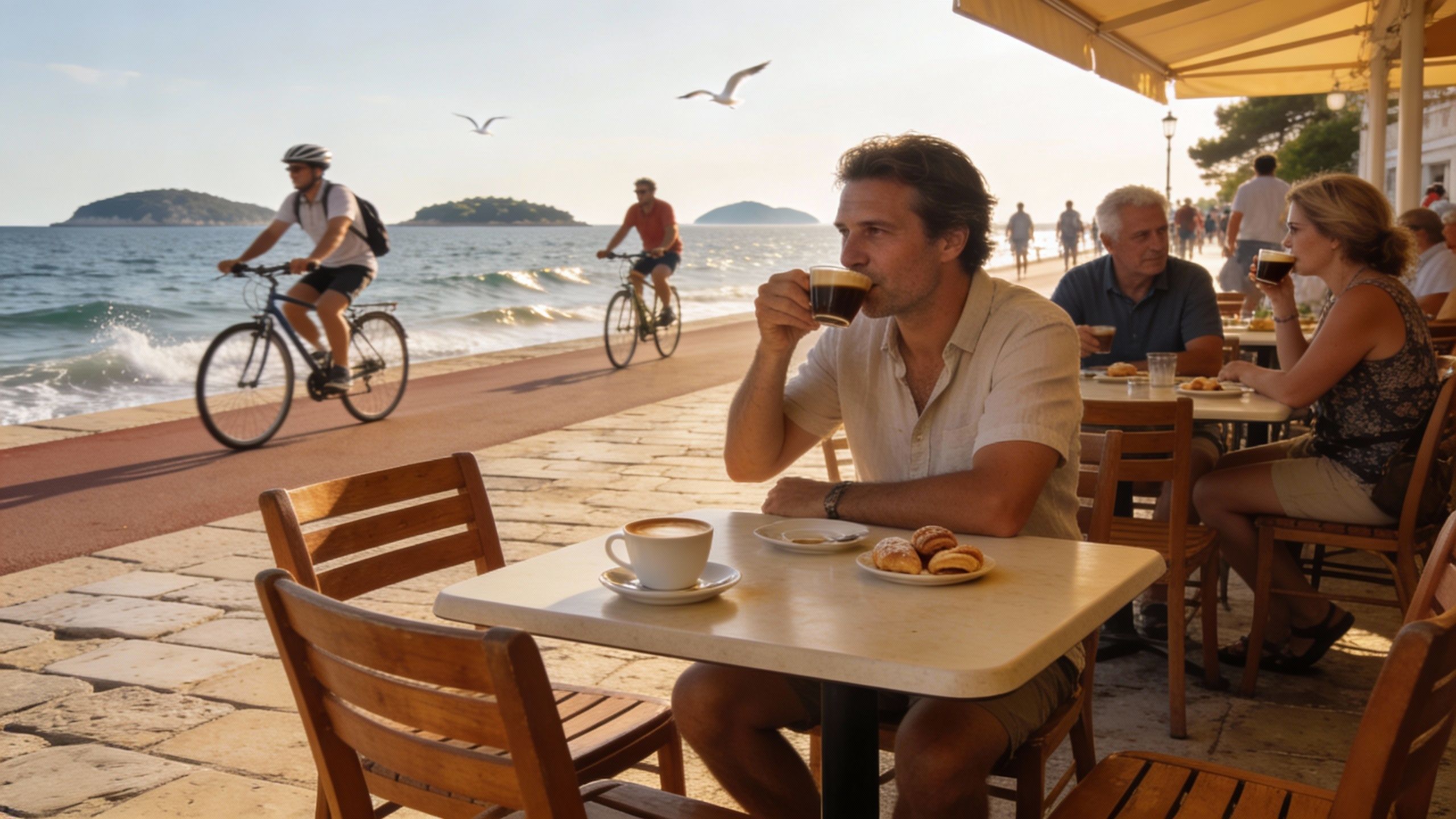
Imagine waking to espresso steam on a sun-bright balcony in Split, the sound of market vendors assembling below, and a late-afternoon swim off a pebbled cove in Istria — a life shaped by seasons, seafood and neighbourhood ritual. But for investors, that image sits beside a second ledger: shifting tourist flows, new property taxes, and pockets of acute rental shortage that change returns far faster than the view does. This guide pairs the sensory Croatia you visit with the risk-and-sensitivity analysis you need to underwrite a good purchase.
Living Croatia: daily rhythms that shape value
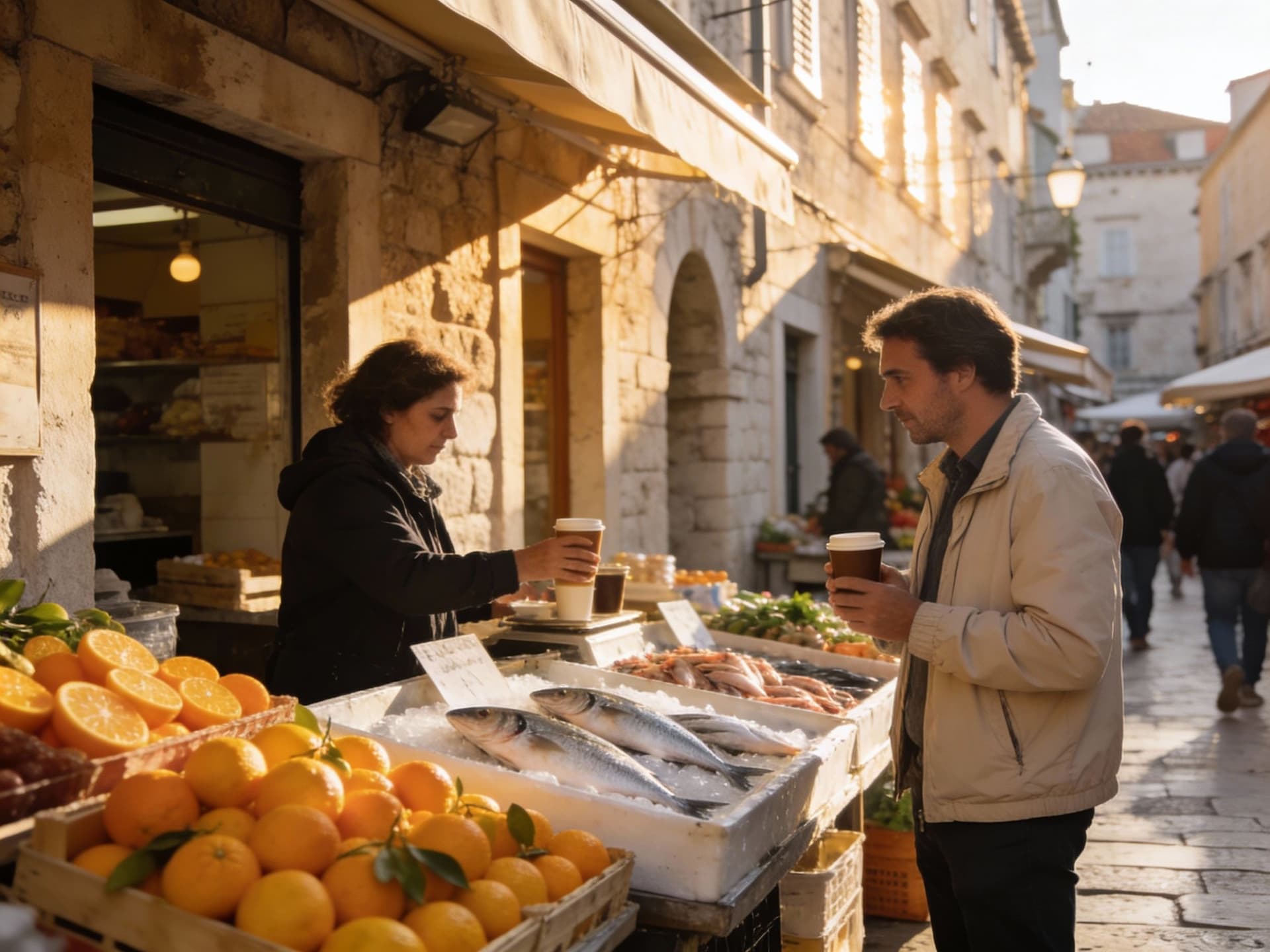
Croatia is not one monolith of sunshine and yachts — it is a split personality between intense Adriatic seasonality and a fast-growing year-round economy. After two consecutive years of rising arrivals and stronger pre- and post-season demand, official data show tourism is becoming less strictly summer-bound; urban centres like Zagreb and continental destinations now contribute materially to annual demand. That means properties once valued only for July–August occupancy now capture longer rental windows and different tenant mixes. (See official tourism releases.)
Coastlines vs. cities: different markets, different risks
On the Adriatic — Dubrovnik, Rovinj, Hvar — price-per-square-metre premiums reflect global tourism desirability and constrained supply on developed peninsulas. Inland and urban buyers in Zagreb and Osijek encounter steadier, longer-term rental demand from students, professionals and domestic travellers. That split matters for sensitivity testing: coastal income is more elastic to tourist-season shocks; city income is more resilient but grows more slowly.
Small streets, big signals: where neighbourhood character moves returns
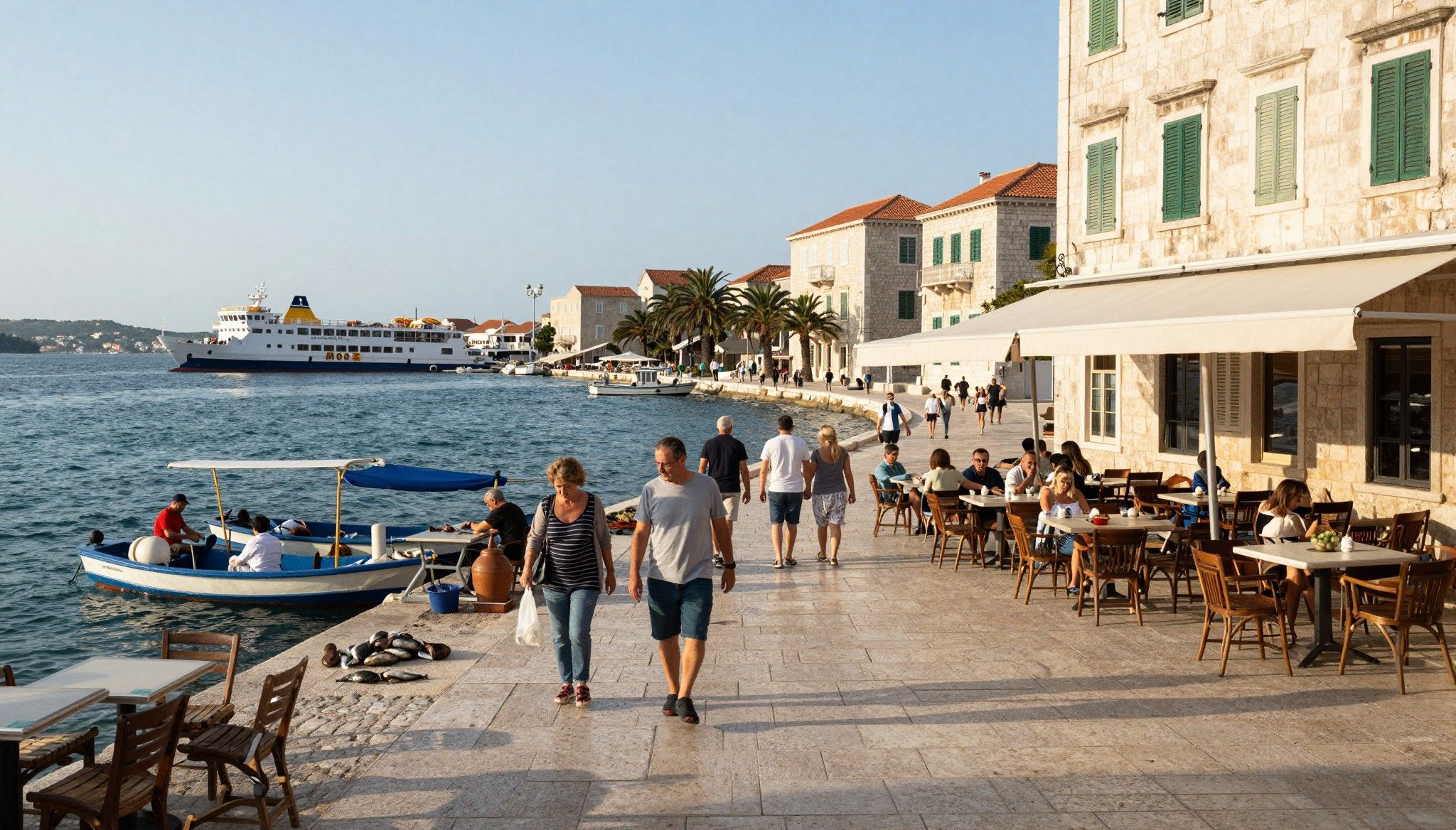
- Tactile signs to watch: pedestrianised waterfront promenades (higher short‑stay demand), streets near universities (consistent long‑stay), towns with active marinas (price spikes), and old town cores with preservation constraints (higher capex risk).
From seaside dream to defensible investment: practical considerations
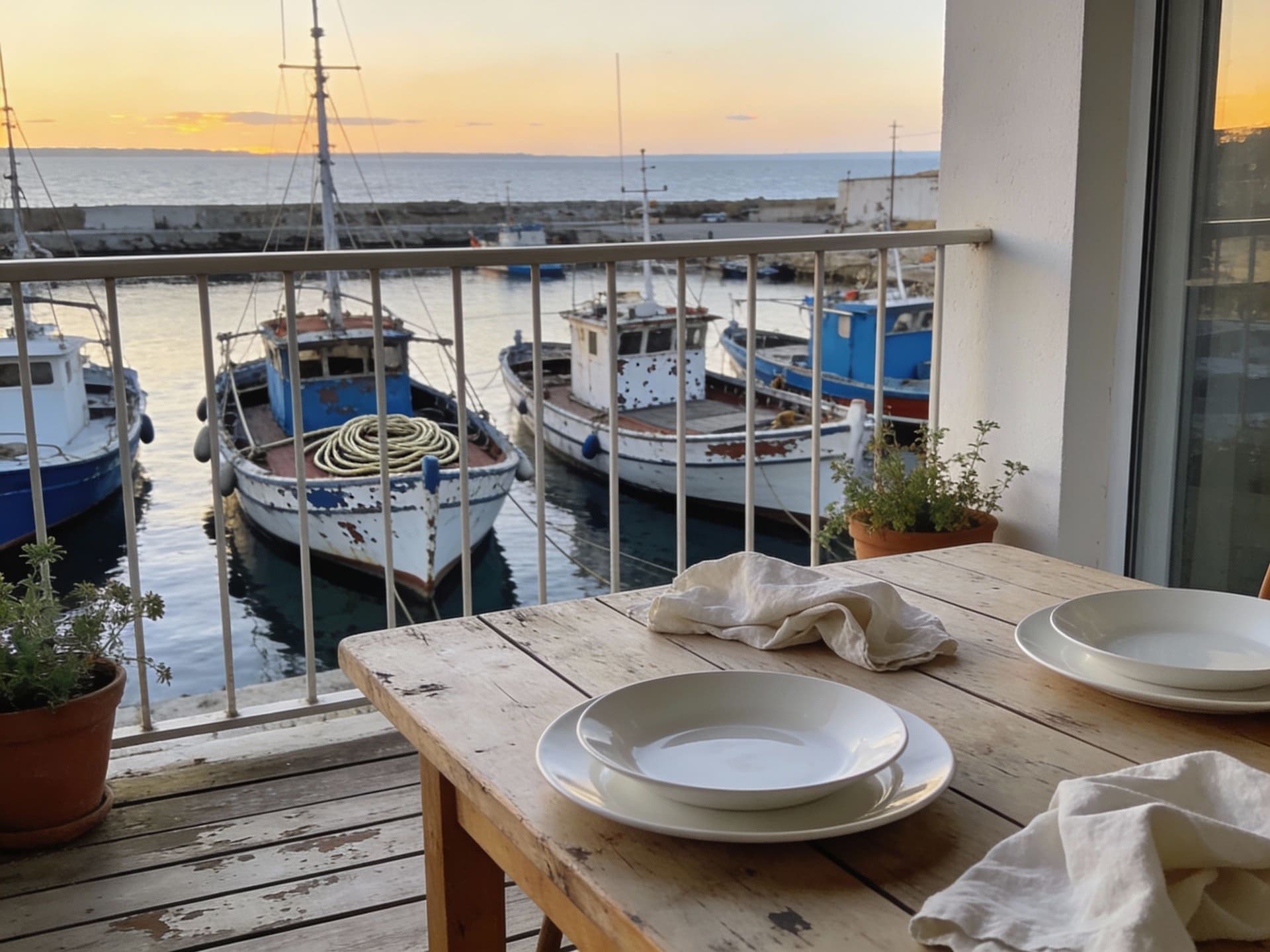
A lifestyle image must be stress‑tested against evolving policy. Croatia announced property tax reforms aimed at curbing vacancy and speculation; the shift increases the fiscal weight on standing stock and penalises short-term vacant units unless rented long-term. Those changes alter total cost of ownership and tilt sensitivity models toward favouring long‑let income stability over speculative short‑stay yield. Use the tax reform as a baseline scenario in your cashflow model.
Property types and their realistic returns
Stone apartments in Dubrovnik command higher nightly rates but require frequent maintenance and face stricter heritage controls; modern apartments in Split or Pula are easier to let year‑round and show steadier upkeep costs; rural stone houses near Istrian villages can offer capital appreciation with higher renovation risk. Model three revenue streams — short stay, medium‑term tourist let (1–3 months), and long‑term tenancy — and stress test each against occupancy declines of 10%, 25% and 50%.
- 6-step sensitivity checklist before you bid
1) Define base-case yield: use net yield (post-fees and local taxes) not headline gross yield. 2) Run a -25% occupancy stress test and note cashflow deficit months. 3) Apply proposed property tax and additional municipal levies to annual OPEX. 4) Add a 10–15% maintenance reserve for older coastal stock. 5) Simulate conversion risk: how easy is a licence change between short‑stay and long‑stay? 6) Currency shock: model kuna/euro FX swings affecting service costs and repatriation.
Insider knowledge: expat truths and local quirks that change the numbers
Expat owners often underestimate two interacting realities: Croatia’s tourism is getting longer seasons (pre/post-summer growth) but local regulation and municipal politics can shift the economics quickly. For many coastal towns, municipal policies now favour long‑term rental availability; that can reduce short‑stay revenue but lower vacancy risk. Recent government and industry statements emphasise year‑round strategy — a structural shift that should be baked into your sensitivity cases.
Cultural and operational red flags
- Watch for: 1) opaque ownership chains (higher title risk), 2) properties listed without clear utility upgrades (hidden capex), 3) houses in conservation zones where renovation costs spike, 4) listings priced on “view premium” without rental data to support it, 5) managers promising unrealistic 80–90% summer occupancy without historical reporting.
How local agencies materially reduce model risk
Work with agencies that provide historical occupancy data by property (not just city averages), proof of municipal approvals, and transparent fee schedules. A good local partner will run a 3‑scenario sensitivity analysis (optimistic, base, conservative) and supply comparable lettings data for the same street or building so you can see downside cases informed by real bookings.
What expats wish they’d known (and how that changes a purchase)
Many newcomers describe a honeymoon period — markets feel cheap relative to northern neighbours — then find maintenance, municipal rules and seasonal income variance eat into expected net returns. The better approach: treat the first 12 months as a learning period. Expect smaller-than-advertised gross yields early on; capture upside later by professionalising management and shifting to longer lets in shoulder months.
Integration: language, community and tenant profiles
Learning basic Croatian, attending market days in Pula or Trogir and connecting with local property managers pays dividends: better tenant screening, earlier notice of local plan changes, and access to off‑market opportunities. Tenant pools differ: Zagreb skews professional and student; coastal towns skew seasonal tourists and high-net-worth second‑home renters — match property type to tenant profile to reduce vacancy time.
- Local lifestyle signals that indicate resilient demand
Markets with year-round restaurants, regular ferry schedules, strong secondary services (medical, co‑working, food markets) and a visible expat community tend to maintain higher off‑season occupancy and steadier long‑term rents.
Conclusion — fall in love, but underwrite everything. Croatia’s life — coffee at Caffe de Francesca in Split, late-night risotto in Rovinj — is the motive power behind demand. Still, the sensible buyer models policy change, runs occupancy sensitivity tests, and prefers property partners who deliver street-level data. Start with a conservative yield case, a -25% occupancy stress test, and a clear capex reserve. When a property survives those scenarios, the lifestyle upside becomes optional profit.
Swedish financier who guided 150+ families to Spanish title deeds since relocating from Stockholm in 2012, focusing on legal and tax implications.