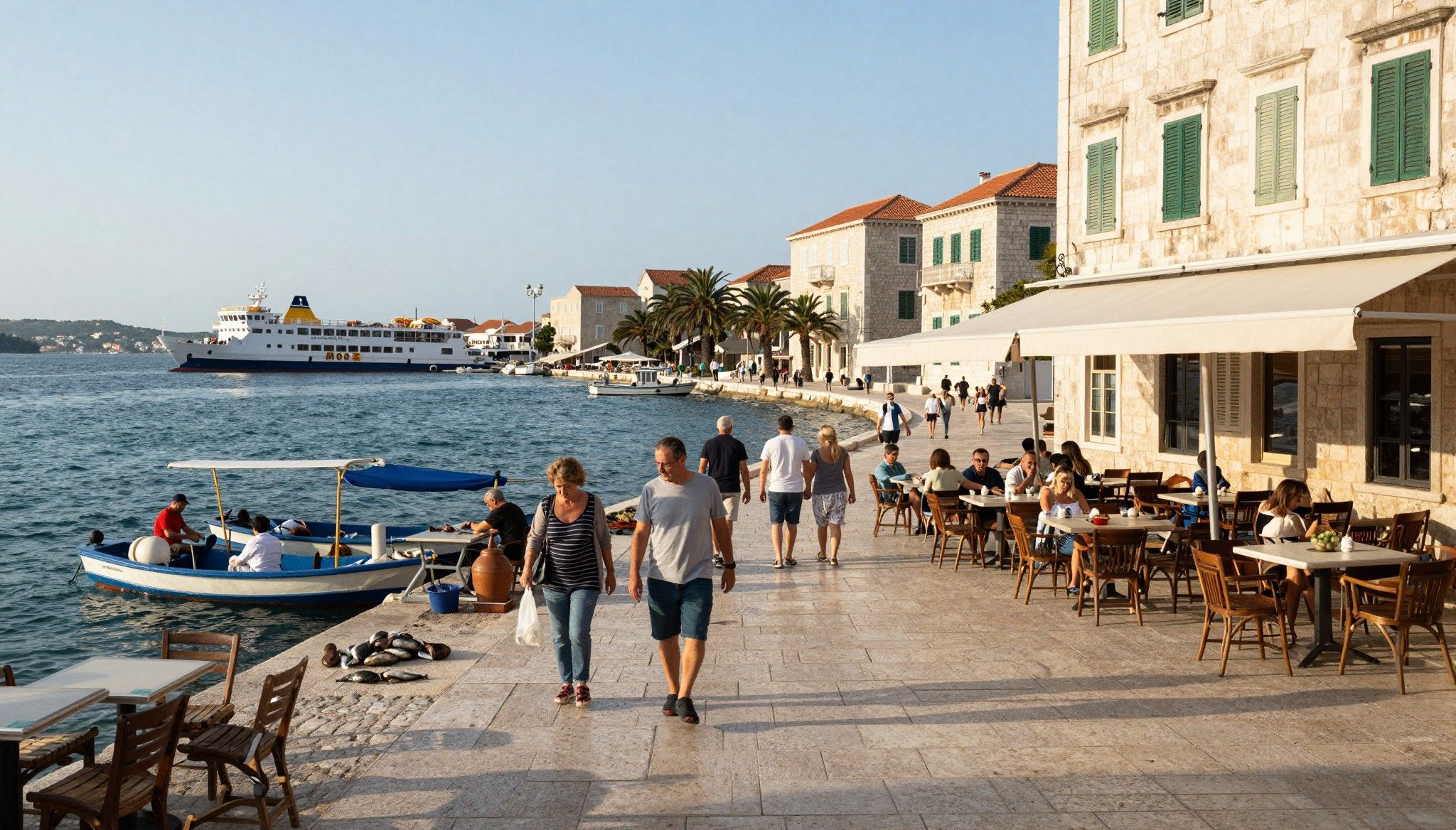
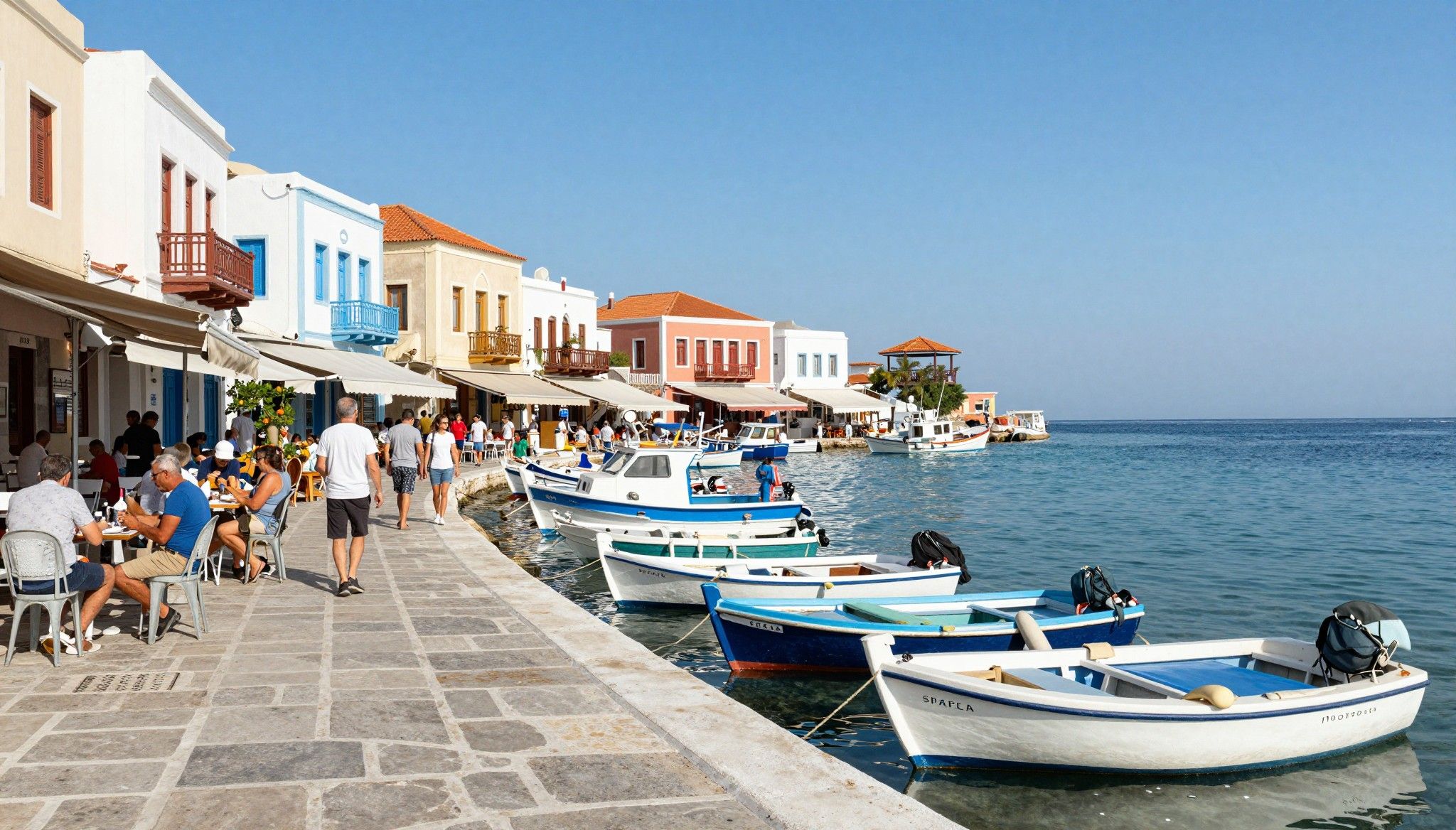
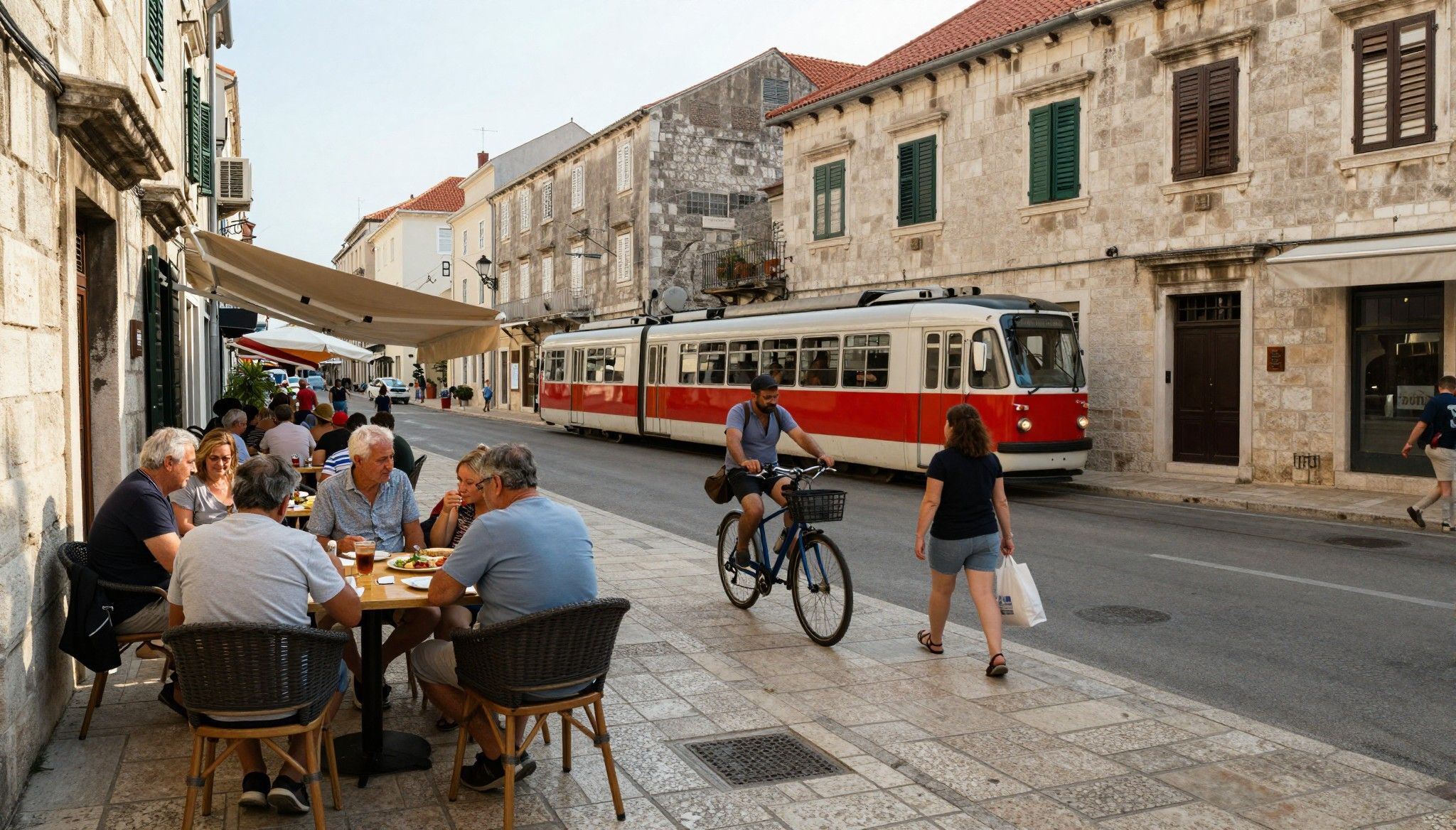
Seasonal Shock: Stress‑Testing Croatian Coast Returns
Seasonality and new short‑term rental rules reshape Croatian coastal returns. Stress‑test occupancy, ADR and costs with regulatory downside scenarios before buying.
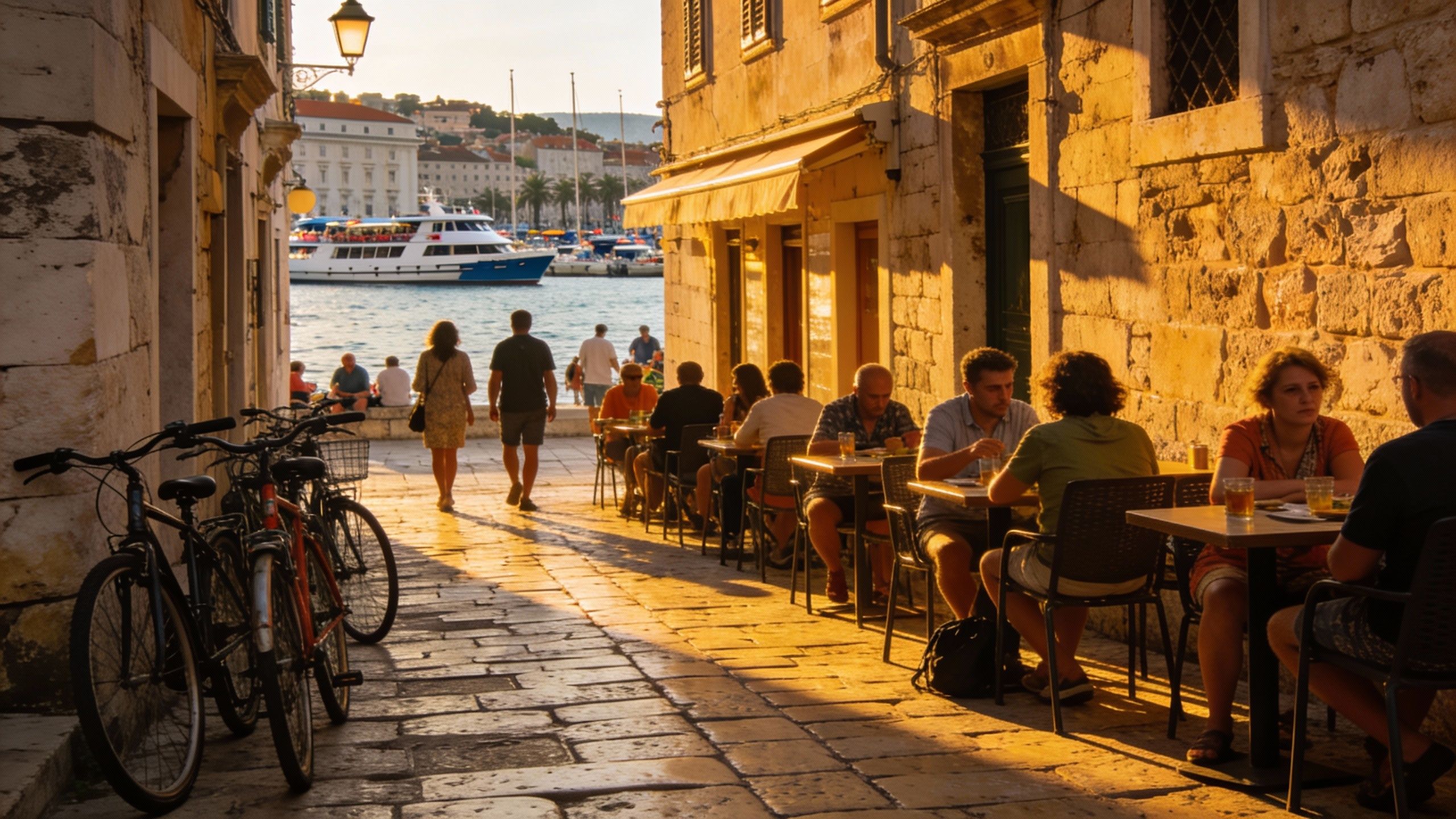
Imagine an August evening in Split: terraces full of conversation, the smell of grilled sardines drifting from the Riva, and a sea of short-term lets cycling guests through the same apartment every week. That summer glamour is real — and profitable — but it hides the stress tests every investor should run. This guide uses Croatia’s tourism and housing policy shifts to build risk scenarios and sensitivity checks you can run on any coastal or city property.
Living the Croatian lifestyle — what you actually buy into
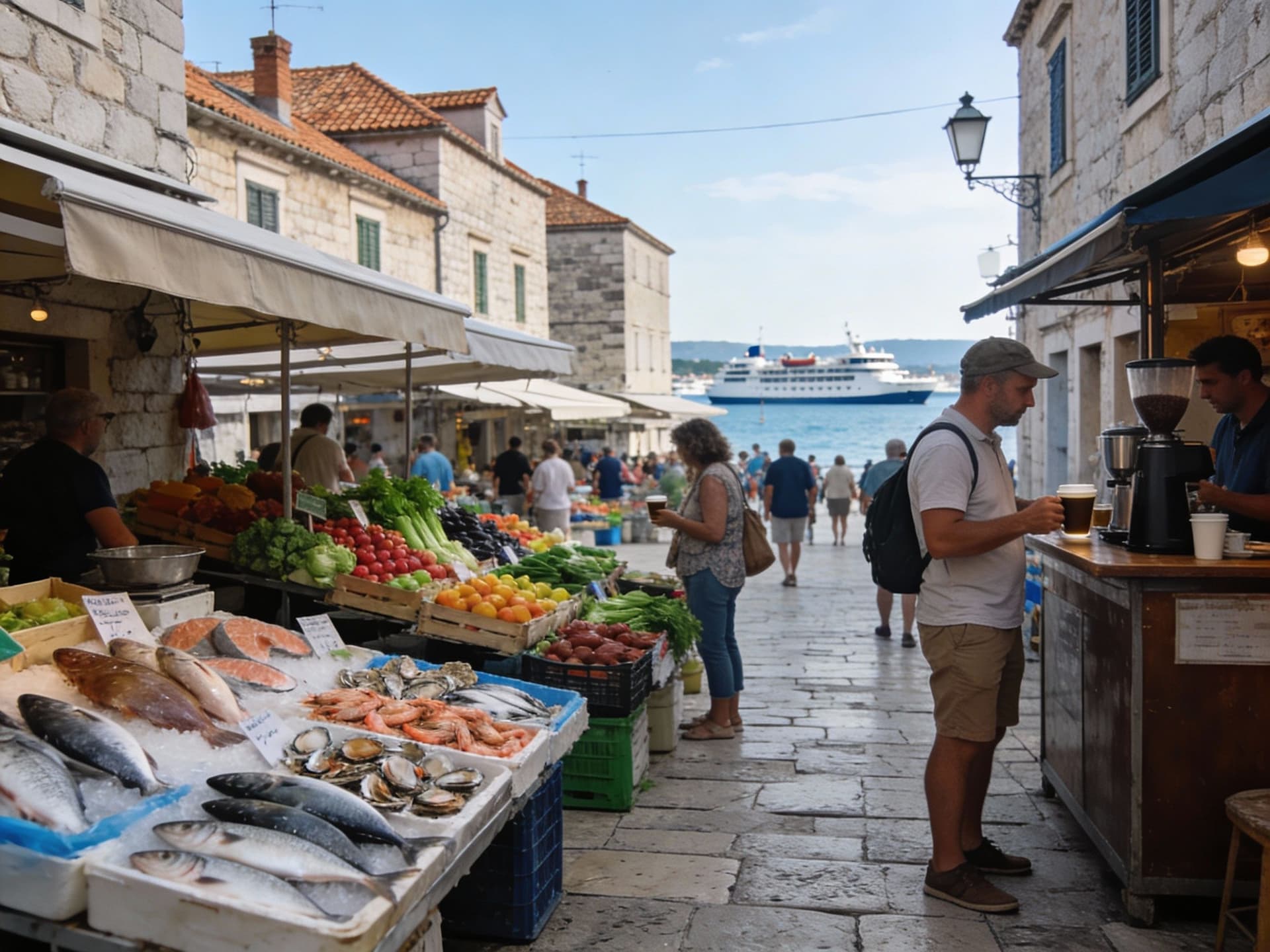
Croatia blends Adriatic ritual with continental rhythms: morning espresso in stone piazzas, late-afternoon swims, and weekend markets in Varaždin or Zadar. Seasonality is visible — beaches fill in June and empty in October — yet national data show growing pre- and post-season demand that changes cashflow assumptions for year-round operations. Use these cultural beats as your baseline scenario when stress-testing occupancy and rent volatility.
Coastal towns vs. Zagreb: contrasting daily rhythms
On the coast — Dubrovnik, Rovinj, Split — life orbits tourism and nautical seasons: cafes open early, stores close between 2–5pm, and rental demand spikes in July–August. Zagreb, by contrast, feels like a mid‑sized European capital: steady weekday demand from business and events, predictable long-term tenancy, and more reliable winter occupancy. These differences drive both lifestyle choices and empirical risk profiles for investors.
Food, markets and the calendar that shapes demand
From Pula’s truffle weekends to Split’s summer festivals, events lengthen demand beyond high summer. The Ministry of Tourism’s recent releases note record pre‑ and post‑season growth, which you should model as an upside case — but treat it cautiously: festival-driven nights are profitable yet short-lived and concentrated in specific micro‑areas.
- Lifestyle highlights: morning markets (Dolac, Split bazaar), island ferry rhythms (Hvar–Brac lines), café culture on the Riva, olive‑harvest weekends in Istria, and late‑season concerts in Zagreb.
Making the move: practical risk checks and sensitivity levers
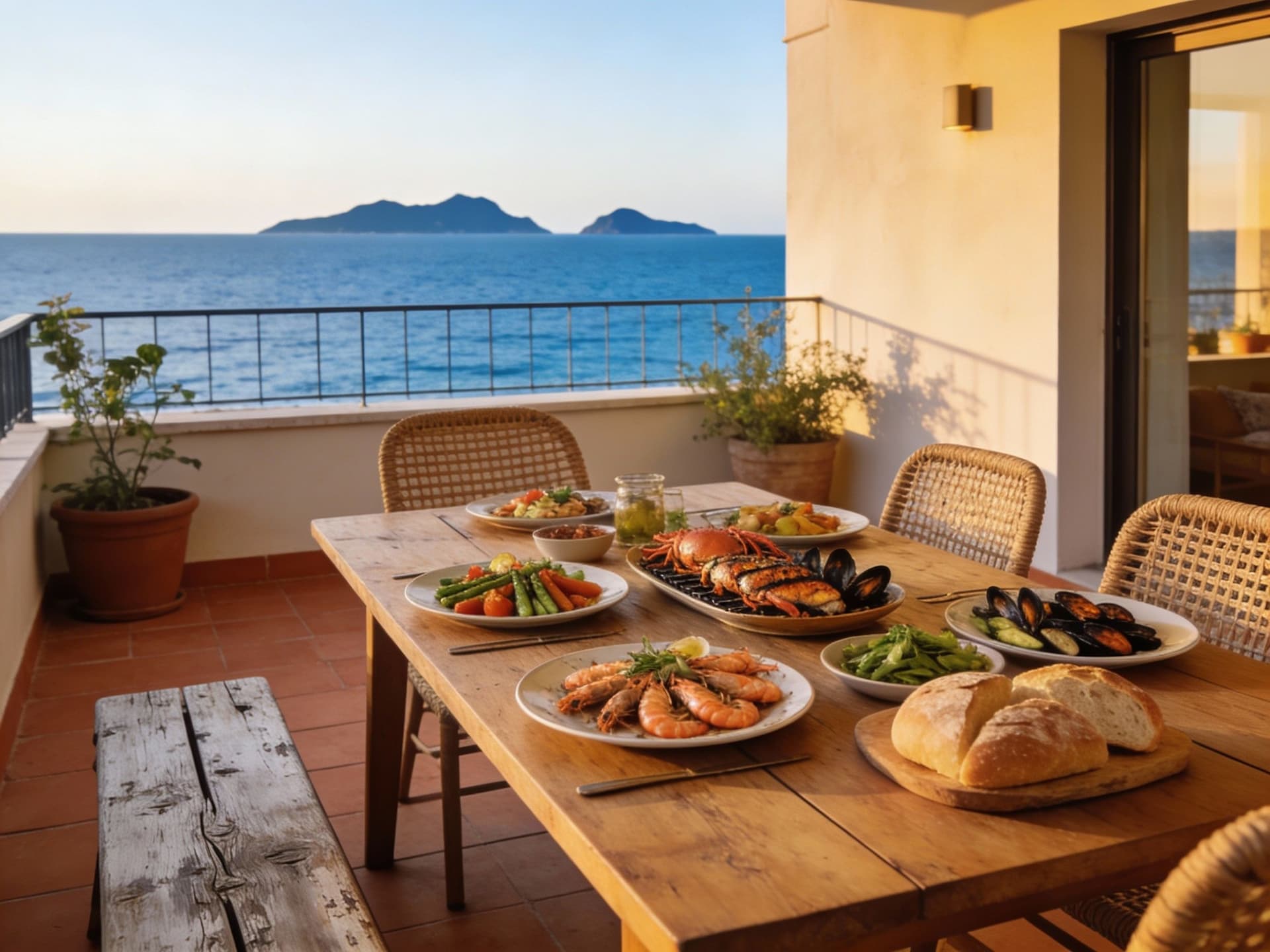
Your property’s investment case must connect lifestyle demand to policy risk. Croatia moved toward regulating short‑term rentals in 2024 to ease local housing pressures; that legislative trajectory is a principal downside scenario for coastal assets reliant on holiday letting. Combine tourism growth data with regulatory scenarios to stress-test returns before you sign.
Property types and how they react under stress
Studio apartments and small one‑beds near old towns are highly sensitive to occupancy swings and short‑stay rules. Larger family homes or villas have higher fixed costs but more hedge options (seasonal rentals, longer lets, owner use). For any asset, run three scenarios: base (current pricing & policy), downside (STR restrictions or 20% fall in summer occupancy), and rebound (extended shoulder season growth).
Work with local experts who model risk, not just listings
- What to ask an agent or property manager before bidding: • Show historical occupancy by month for the exact street or building. • Provide net yields after vacancy, municipal levies and likely new tax rules. • Demonstrate alternative exit scenarios (long‑let conversion, sale to domestic buyer). • Share comparable sales price per sqm across three years and micro‑areas. • Detail any local permit restrictions for short‑term lets or renovations.
- Numbered steps to build a stress‑tested model (apply to any Croatian asset): 1. Collect monthly occupancy and ADR (average daily rate) for the past three years from host platforms and managers. 2. Apply a 15–30% haircut to summer occupancy in a regulatory downside scenario; adjust ADR downward 10–20%. 3. Model fixed costs (utilities, municipal taxes, insurance, maintenance) as a percentage of gross; add a contingency buffer of 8–12%. 4. Run NPV and IRR over a 10‑year horizon with three discount rates (6%, 8%, 10%) to check sensitivity.
Insider knowledge: what expats wish they'd known
Expats tell the same two truths: the lifestyle is intoxicating, and the paperwork is local. Language is learned fast in markets and hospitality zones; legal nuances around permits and municipal zoning are slow. The best investors pair lifestyle scouting (cafés on Ulica Republike in Split, strolls on Dubrovnik’s Stradun) with document‑first diligence on planning and rental law.
Cultural integration and neighborhood choice
Choose neighborhoods where everyday life matches your intended use: if you want year‑round rentals, prefer Zagreb’s Donji Grad or Split’s Sustipan‑Bacvice corridor for steady demand. If you want seasonal premium but accept higher regulatory risk, target pockets of Hvar Town or central Rovinj. Local community rhythms — market days, ferry timetables, school calendars — shape tenancy length and profile.
- Long‑term lifestyle + portfolio considerations: • Diversify across coast and inland to soften seasonality. • Prioritise assets with easy conversion to long‑let use. • Budget for adaptive costs: insulation, heating for shoulder seasons. • Factor in municipal levies and potential new tourist taxes into OPEX.
Conclusion: Croatia offers a compelling lifestyle and demonstrable tourism growth, but the coastal yield case is policy‑sensitive. Use tourism data and published regulatory signals to construct downside cases and test occupancy, ADR and cost assumptions. When you run these scenarios, you’ll separate romantic buys from resilient investments — and know which Croatian neighborhoods truly fit both the life you want and the returns you need.
Danish relocation specialist who moved to Cyprus in 2018, helping Nordic clients diversify with rental yields and residency considerations.