Croatia: Stress Tests That Keep the Lifestyle Profitable
Croatia’s lifestyle is irresistible, but rising prices and short‑let rules demand scenario tests: stress tourist income, model 10–20% downside and prioritise year‑round demand.
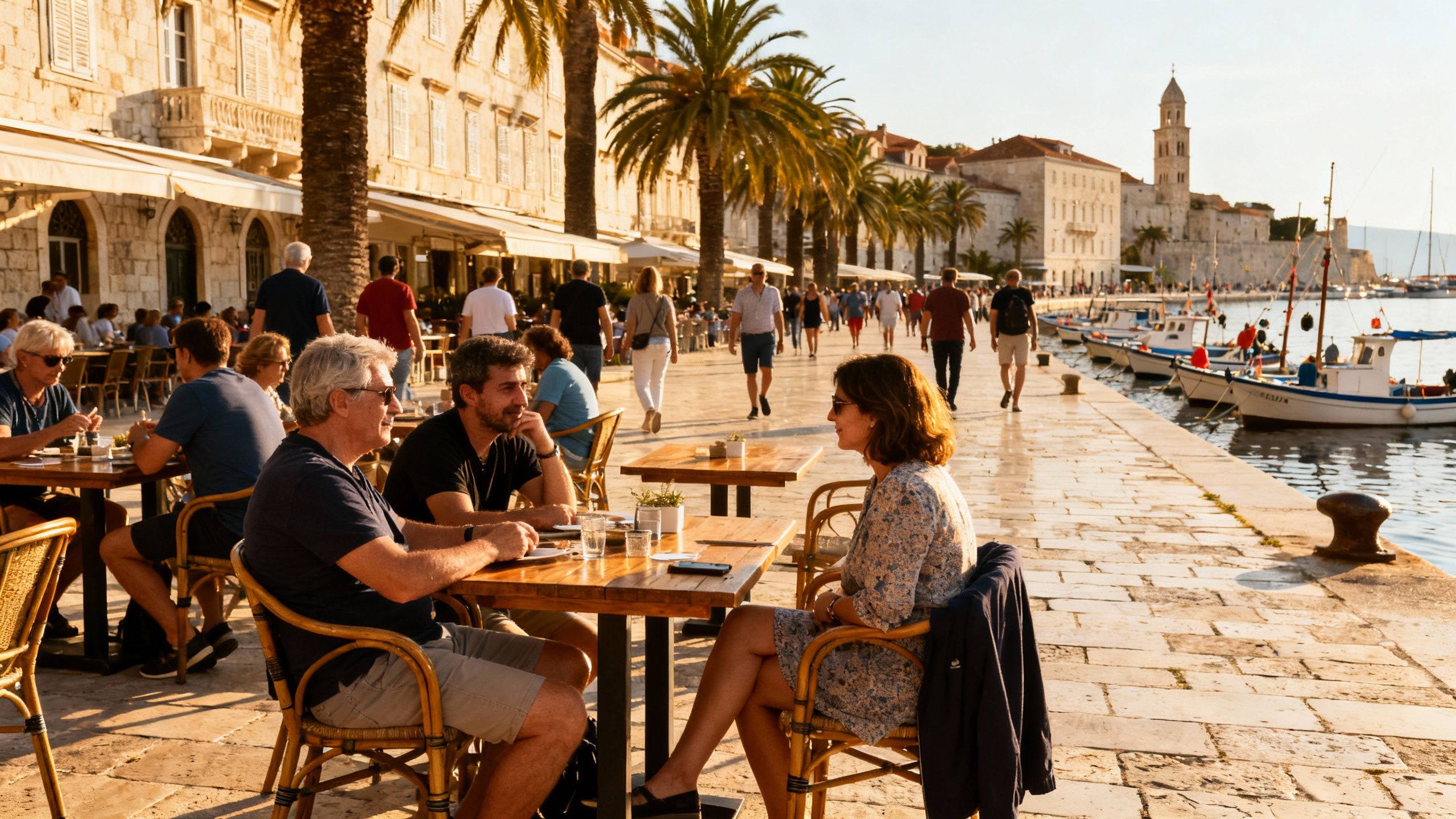
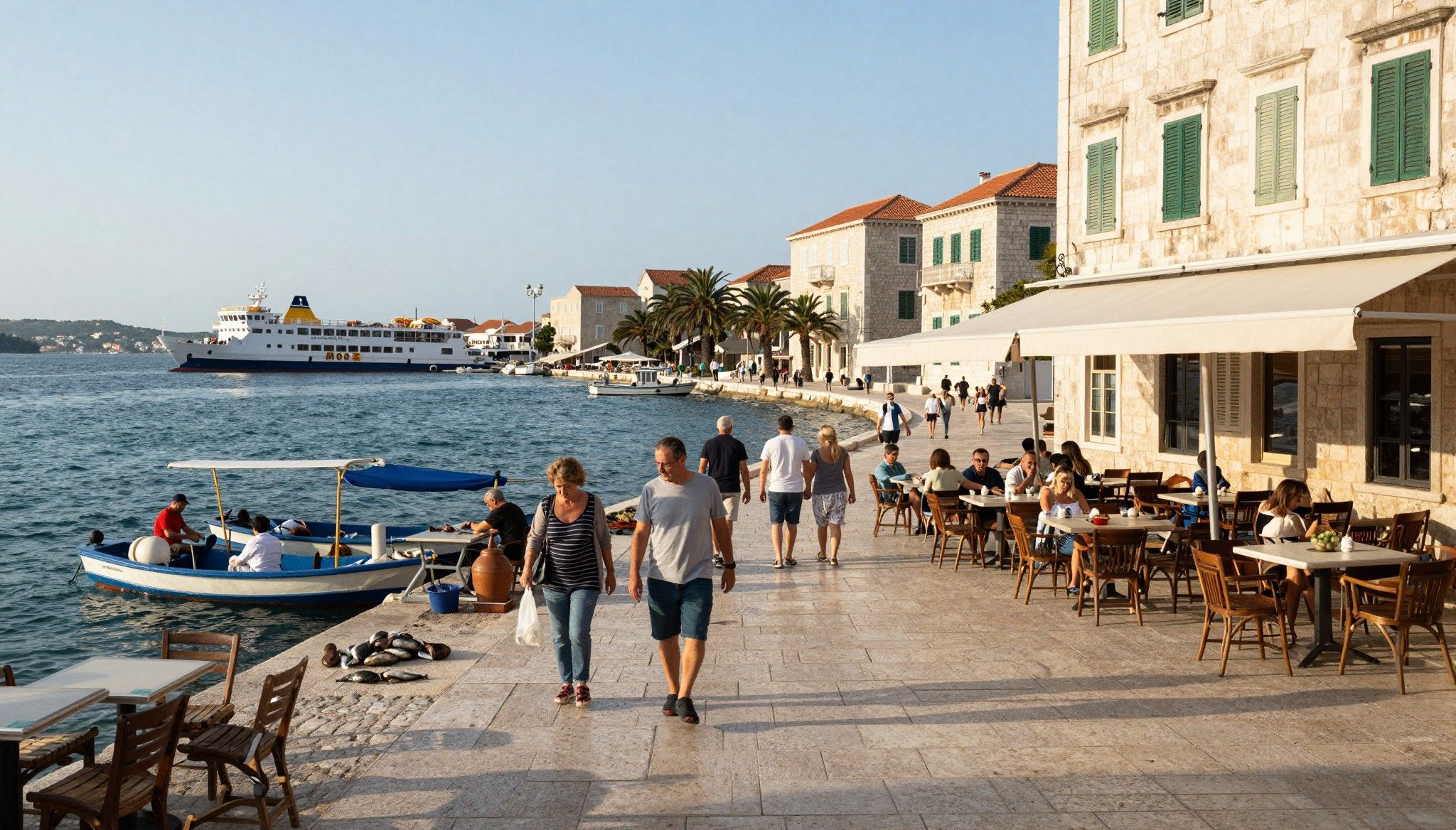
Imagine sipping espresso at a café on Split’s Riva as a fisherman hauls in the morning catch — then walking ten minutes to a quiet street where a 19th‑century stone house looks out over the Adriatic. That contrast — vibrant tourist life at the waterfront and calm, lived‑in neighbourhoods a short stroll away — is Croatia. But for buyers who love the lifestyle, the market’s recent price surge and tightening short‑let rules change the arithmetic of that dream. According to recent market analysis, house prices and tourist flows are reshaping where returns come from and which risks matter most.
Living the Croatia life: coastal theatre and inland calm
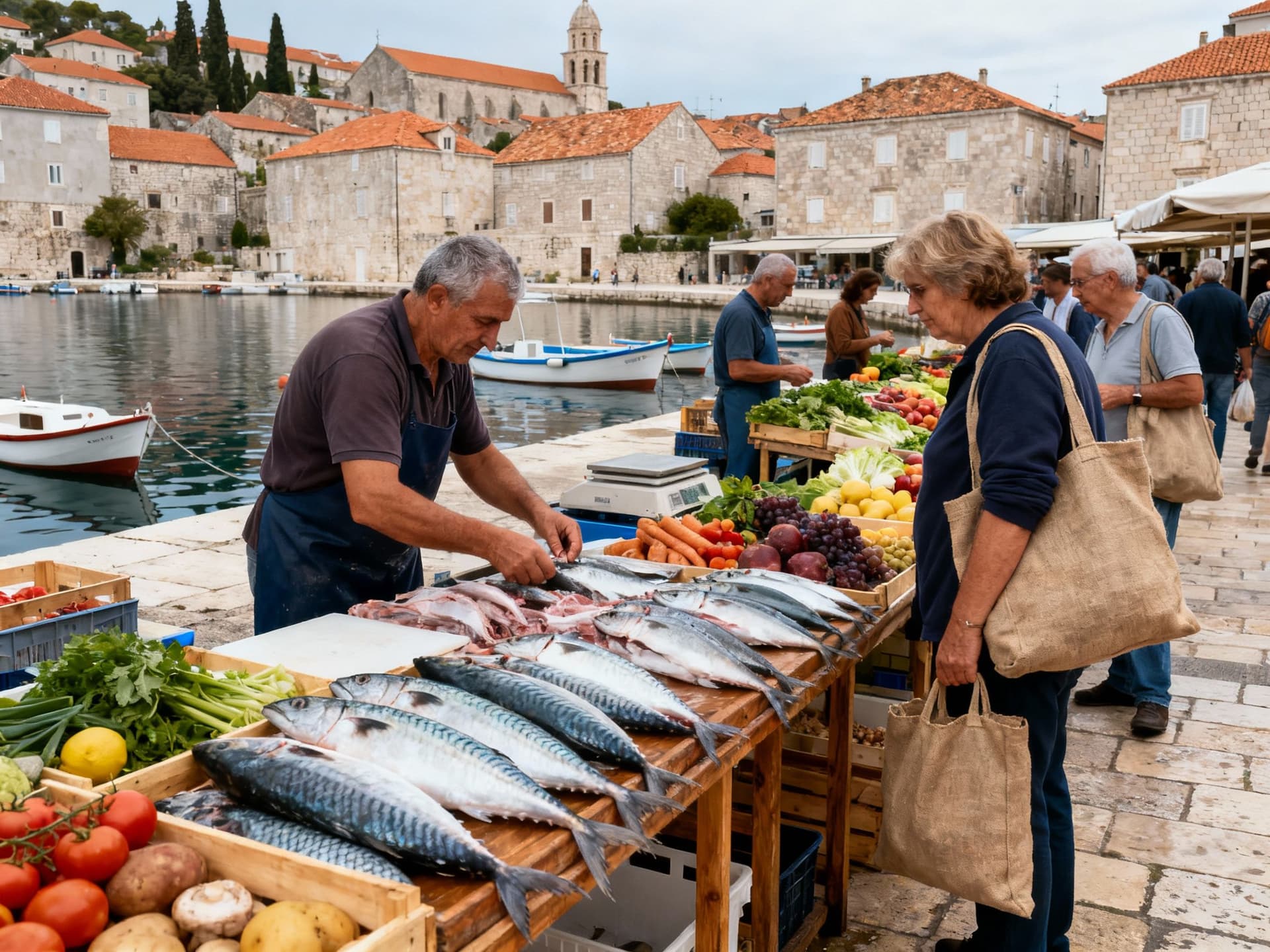
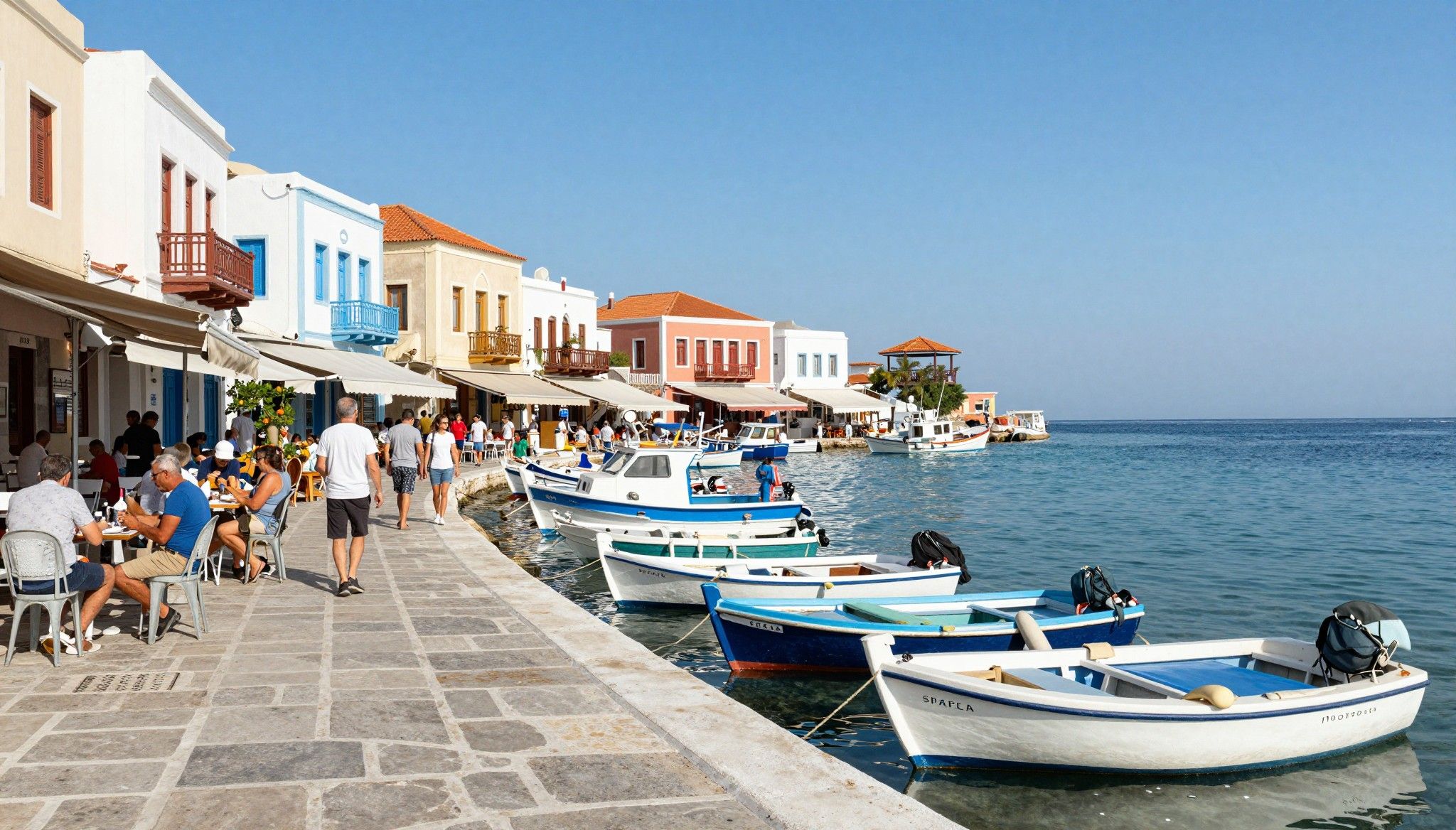
Croatia feels like two countries stitched together. The Adriatic coast — Dubrovnik’s walls, Hvar’s harbour, Rovinj’s cobbled lanes — stages a Mediterranean lifestyle: markets at dawn, long lunches, and summers full of international visitors. Inland, cities such as Zagreb and Osijek pulse with café culture, green parks and year‑round resident communities. That split shapes demand: coastal areas see intense seasonal demand and visitor‑led rental economics, while inland locations attract longer‑term tenants and more stable local pricing dynamics.
Spotlight: Split’s double life — Riva show, quieter streets inland
On the Riva, terraces fill from May to September; around Diocletian’s Palace you can feel the pulse of short‑lets. Walk two blocks inland — neighborhoods such as Varoš and Meje — and you find family homes, small markets and morning routines that last the whole year. For investors, that micro‑contrast means location selection within the same town can change yield profiles dramatically: beachfront or palace‑adjacent units capture tourist premiums but carry regulatory and seasonal risks; inland flats offer steadier rents and lower management intensity.
Food, markets and rhythm: why lifestyle maps to tenancy
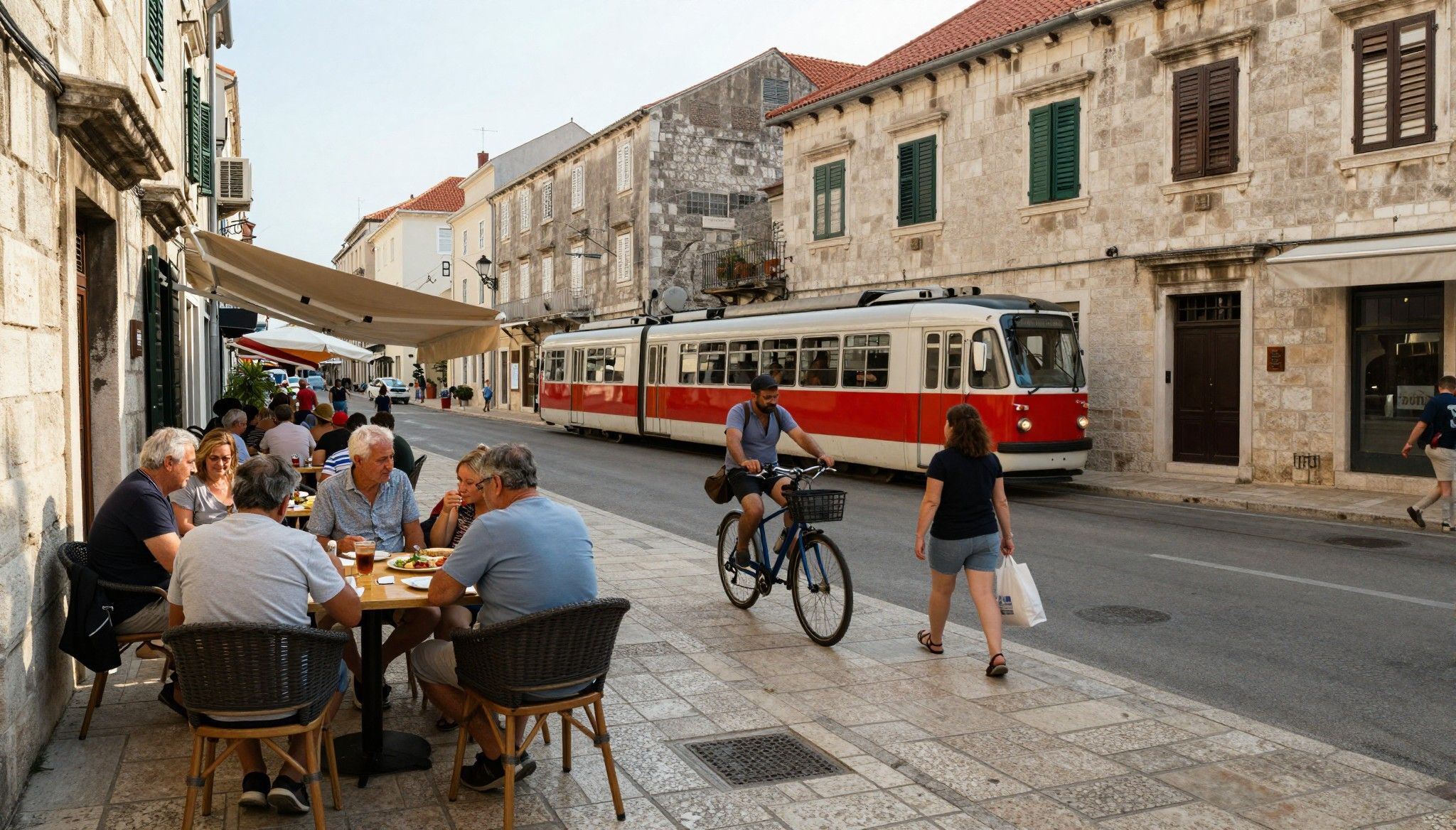
Markets like Zagreb’s Dolac, Split’s fish market, and Pula’s weekend stalls aren’t just charming—they indicate neighbourhoods that sustain year‑round life. Properties near daily markets, commuter links and municipal services rent more easily to residents; those dependent on tourists (harbourside studios) command high peak rates but sit empty off‑season. The lifestyle you want (daily market runs vs three months of summer demand) should directly inform the property type you underwrite.
- Lifestyle highlights — real places that matter
- Split: Riva breakfasts, Varoš neighbourhood streets, Bačvice beach for locals
- Dubrovnik: Old Town footfall and stricter short‑let rules in the historic core
- Istria (Rovinj/Pula): food markets, olive and wine tourism that extends seasonality
- Zagreb: Dolac market, year‑round demand from professionals and students
- Islands (Hvar, Brač, Korčula): extreme seasonality — lifestyle dream, management challenge
Making the move: practical risks that change the numbers
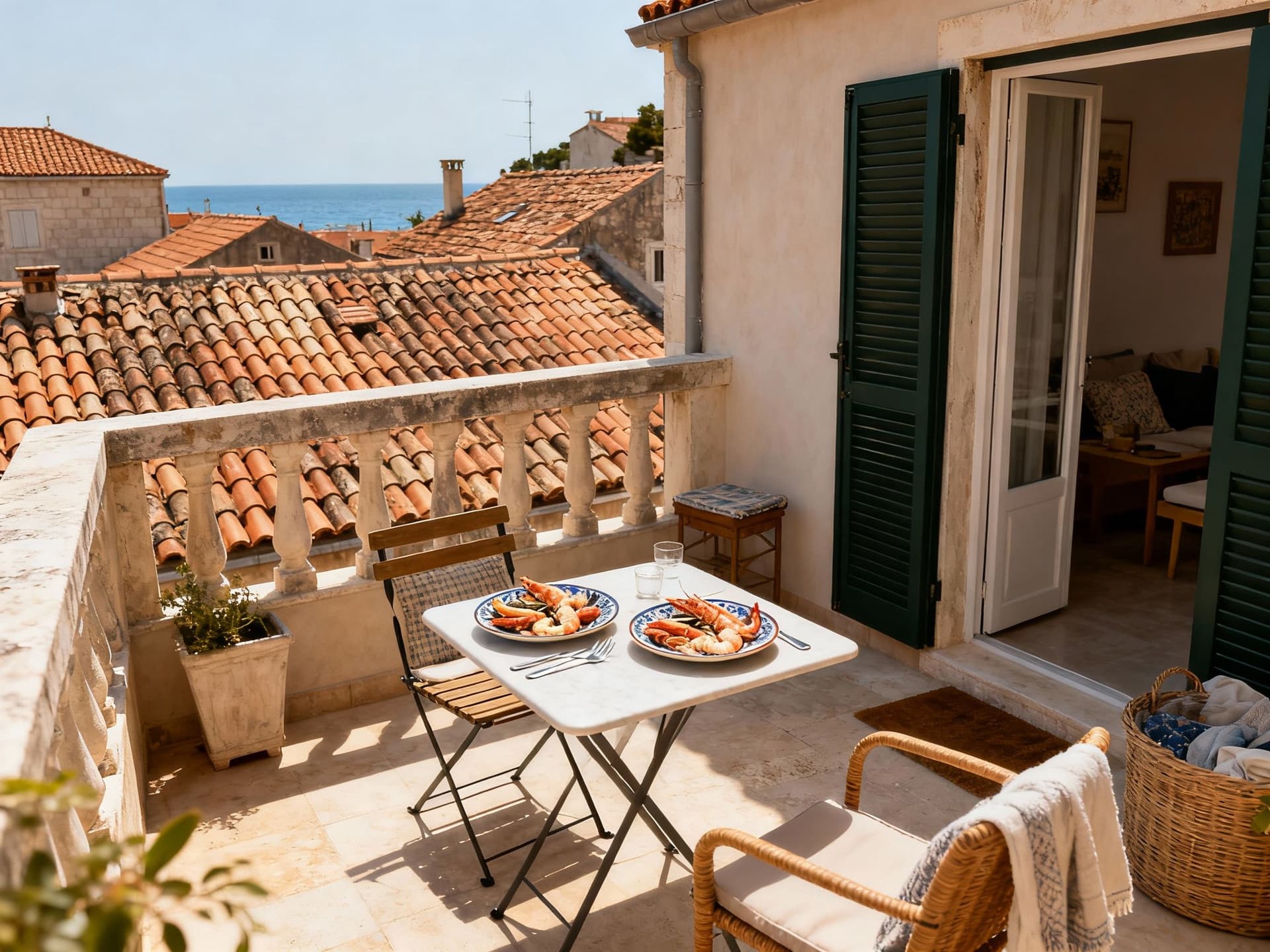
Three practical shifts reprice what 'buying in Croatia' means today: accelerating house prices (national house price indices up significantly in recent years), a policy push to restrict short‑term tourist lets, and rising tourism numbers that are increasingly concentrated off‑season. Together, these affect expected yields, financing stress tests and vacancy assumptions. Use government statistics and recent reporting to stress‑test every forecast you make.
Property types and how they change cashflow
Stone heritage homes on the coast appreciate for scarcity but need higher renovation budgets and maintenance. Modern apartments in Zagreb or new coastal developments offer lower capex but face stronger competition. Short‑let‑optimised studios will show higher headline nightly rates but bear platform dependence and regulatory risk; family flats attract longer leases and lower management turnover. Always add a renovation / contingency buffer of 8–15% to purchase price when underwriting Croatian coastal restorations.
Working with local experts who understand both life and law
Engage a local lawyer and a market‑savvy agent early. Non‑EU nationals may require Ministry of Justice consent (reciprocity principle), and everyone needs an OIB (Croatian tax ID). Local agents also map micro‑risks — which streets are subject to new short‑let bans, where infrastructure projects will change demand, and which buildings are structurally sound for restoration. These details convert lifestyle desire into reliable yield assumptions.
- Practical stepwise checks before you sign
- Verify title and encumbrances at the Land Registry and order a cadastral extract
- Confirm short‑let licensing status and municipal rules for the property’s address
- Model yields with three scenarios: tourist‑peak, blended (seasonal smoothing), and long‑let only
- Include 12–18 months of operating costs and an exit yield stress test (5–15% downside)
Insider knowledge: common mistakes and contrarian moves that pay
Expats often make the same three mistakes: over‑relying on summer revenues, underestimating legal lead times for non‑EU buyers, and ignoring municipal moves to limit short lets. A contrarian but data‑driven tweak: favour properties that combine proximity to year‑round local amenities (markets, schools, transit) with occasional tourist appeal. Those hybrid assets smooth cashflow and reduce vacancy risk as short‑let regulation tightens.
The neighbourhood people avoid that we quietly prefer
In several coastal towns, older peripheral districts — once dismissed as 'out of the loop' — now offer the best risk‑adjusted returns. They are near commuter links, have lower purchase prices per m² and are first in line for municipal upgrades (sewer, roads, fibre). These areas trade top‑line glamour for higher net yields and easier tenanting. For investors, buying the 'second ring' can outrun buying the headline seafront when regulation changes or tourist demand cools.
Longer view: seasonality, euro entry and what it means for returns
Croatia’s inclusion in Schengen and adoption of the euro are structural positives that have coincided with rising prices; national house price indices show significant appreciation year‑on‑year. Those macro moves reduce currency friction for euro‑area buyers and may boost long‑term capital appreciation, but they also compress yields. Treat these changes as inputs to a conservative yield target—expect lower cap rates than five years ago and design exit scenarios accordingly.
- Risk factors to stress in sensitivity tests
- Short‑let regulation tightening: model a 20–40% drop in tourist income
- Price correction: test 10–20% downside in coastal prime if demand cools
- Rising operating costs: include utility and tax increases of 5–10% annually
- Liquidity risk: islands and heritage properties can be hard to exit quickly
- A simple sensitivity test you can run in 5 steps
- Start with your base NOI (net operating income) assuming current occupancy and rates
- Apply a 25% reduction to tourist‑derived revenue to simulate regulatory impact
- Increase operating costs by 10% to reflect higher compliance and management needs
- Recompute cap rate and implied value; compare to purchase price to find margin of safety
What expats wish they’d known — quick cultural notes
Croatians value local networks and paperwork; use a trusted translator for negotiations and budget for administrative lead times. Many expats underestimate how the rhythm of life shifts outside summer — shops close earlier in winter and island ferry schedules thin. These everyday realities change who your tenant will be and how you price the property.
Conclusion: buy the life, underwrite the risks. Croatia sells a Mediterranean life that’s vivid and tangible — market squares, seafood dinners, island weekends. To convert that into a sound investment, pair lifestyle criteria with disciplined sensitivity testing: model seasonality, regulatory change and realistic exit scenarios; work with local legal counsel and agents; and prefer assets that combine year‑round demand with occasional tourist upside. If you do that, you keep the romance of the place and protect the maths behind your returns.
British expat who moved to the Algarve in 2014. Specializes in portfolio-focused analysis, yields, and tax planning for UK buyers investing abroad.