When Croatia’s Summer Glamour Masks Investment Risk
Croatia’s summer romance hides measurable investment risks: seasonality, short‑let reforms and rising new‑build prices. Stress‑test occupancy, tax and vacancy scenarios before you buy.
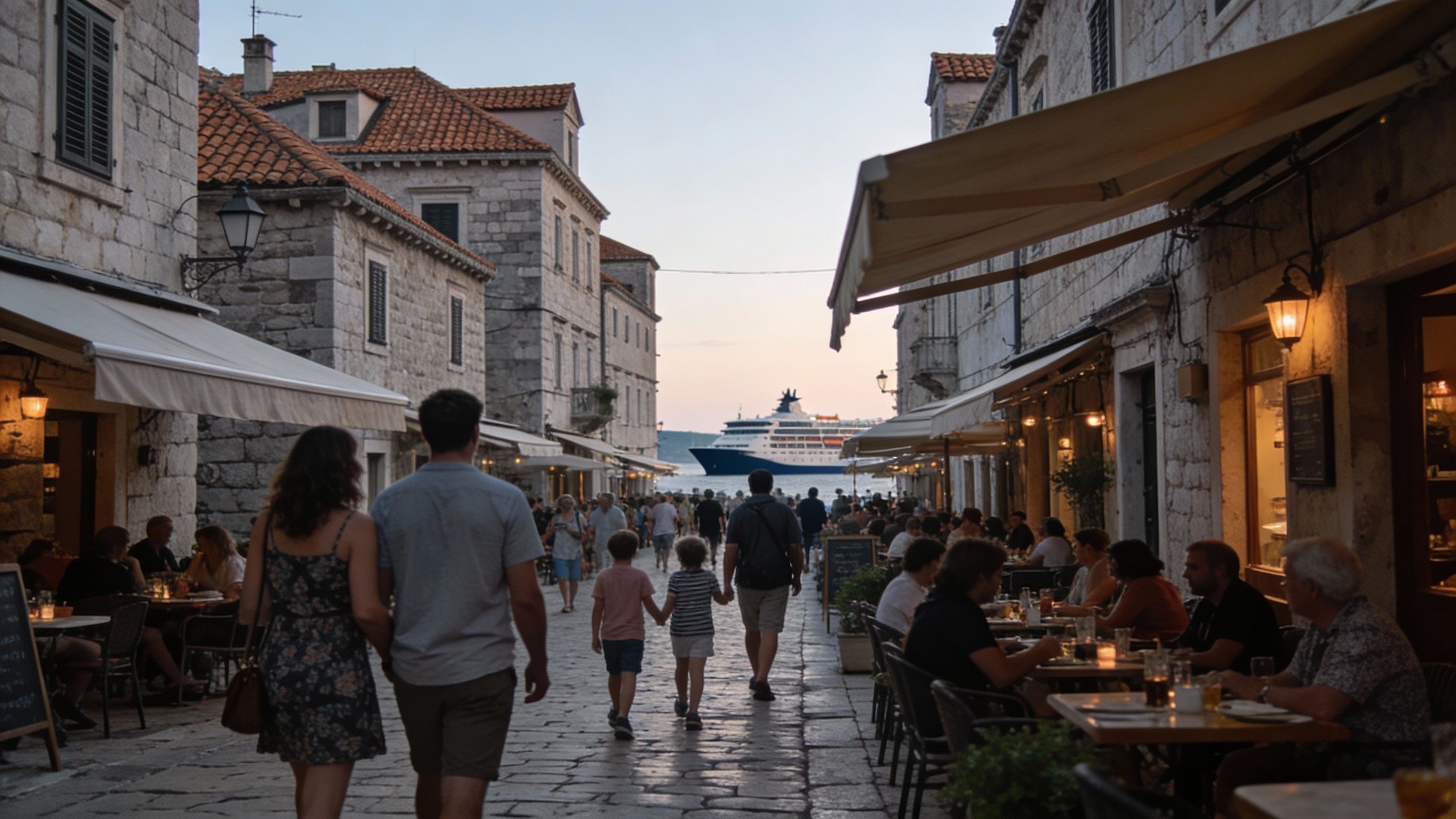
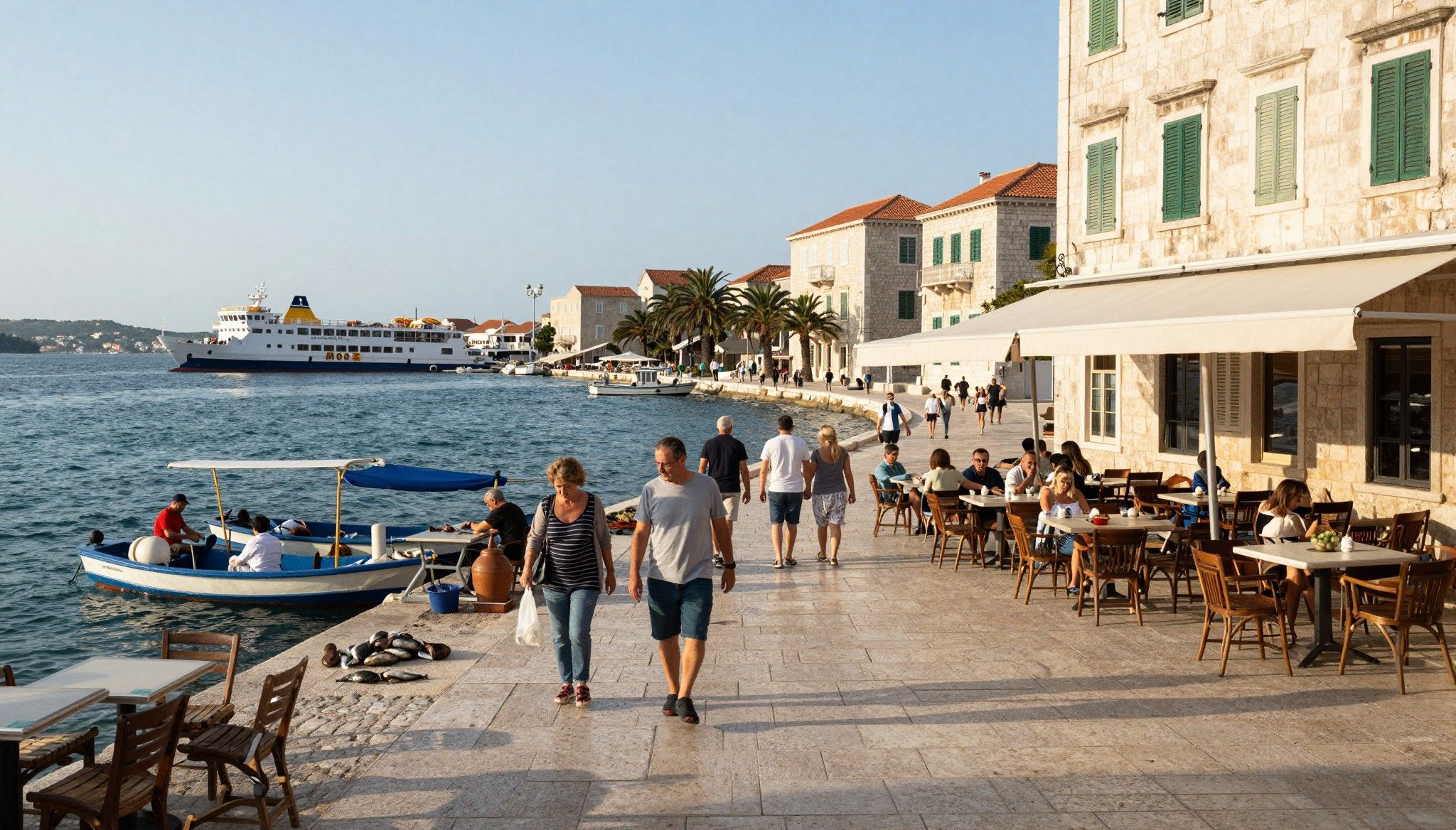
Imagine an August morning in Split: terraces steaming with espresso, fishermen hauling boxes at Riva Market, and narrow streets already humming with day-trippers. That coastal sheen—sun, sea, full-season rental demand—is Croatia’s calling card. But if you treat the summer picture as the whole market, you risk mispricing yields, overestimating occupancy, and under‑preparing for new regulation. Recent official tourism and price data show growth, but also a shifting policy backdrop that materially changes the risk equation for investors. (See Tourist Arrivals and Nights 2024.)
Living the Croatia lifestyle
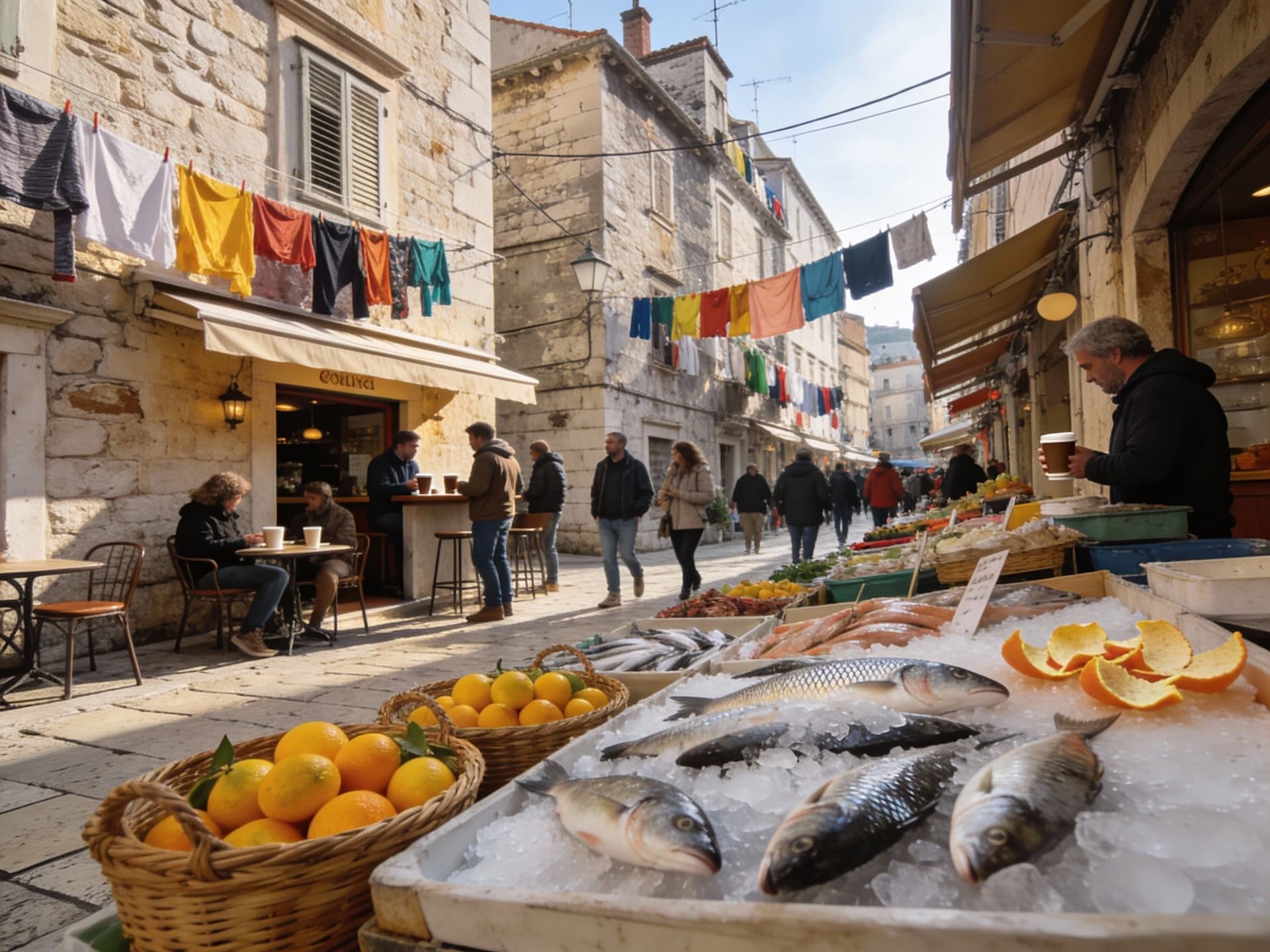
Croatia blends Adriatic coastal ritual with slow continental rhythms. Mornings in Dalmatia begin with espresso and grilled fish; evenings unwind over long wines and late promenades. Inland, Zagreb’s cafés, museums and winter markets give the country a genuine year-round pulse. For buyers that’s the magic: you can have island beaches and urban culture within a few hours' drive—if you choose the right micro‑market.
Coastlines: Split, Rovinj, Dubrovnik
Split and Rovinj mix lived-in marinas with strong short-stay demand; Dubrovnik remains ultra-prime but fragile to regulation and seasonality. Streets near Diocletian’s Palace or Rovinj’s old harbour stay lively because locals and day-visitors overlap; by contrast, some frontline properties are almost entirely dependent on July–August occupancy, which raises downside risk outside peak months.
Inland & Zagreb: year‑round urban life
Zagreb’s rise as a winter destination and growth in continental overnight stays means opportunities for stable long‑let returns. The city’s occupancies are less seasonal and better suited to longer leases for remote workers, students and business travellers—attributes that translate into lower vacancy risk and steadier rental yields. Official statistics show notable growth in off‑season nights, supporting this shift.
Making the move: practical considerations — risk first
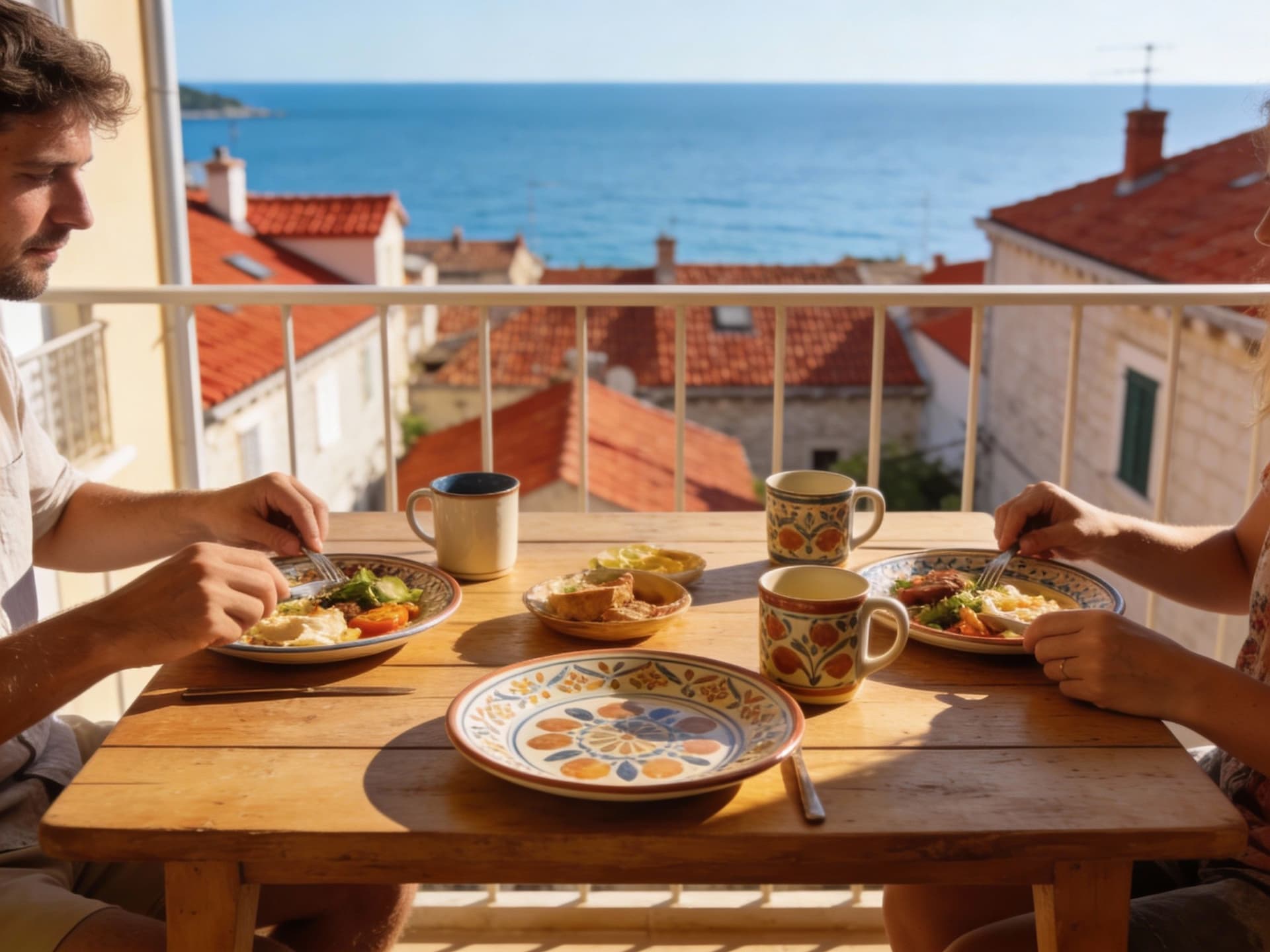
Short‑term rental clampdowns and property tax reforms designed to return homes to the long‑term market change cashflow projections. Recent reporting highlights draft laws and proposed property taxes that can reduce net short-stay income and increase holding costs. When modelling returns, treat pre‑reform headline rates as optimistic until you layer in regulatory risk and potential tax floors.
Property types and hidden sensitivity
Seafront apartments command price premiums but also concentrate revenue in high‑season months. Townhouse or village properties may offer lower purchase prices, but demand and liquidity vary widely. New builds in Zagreb and Split have shown sharp price rises; that appreciation compresses future yield unless rents keep pace. Always calculate sensitivity to occupancy, not just to price per m².
How to stress‑test a Croatian purchase
Stress tests should include: a 20–40% reduction in short‑season occupancy; a 10–15% rise in effective tax/fees; and a 6–12 month extended vacancy scenario during regulatory transition. Run net yield (post‑tax) and debt‑service coverage ratios under each scenario to see whether a property still meets your minimum investment thresholds.
- Practical items to model before offer: • Seasonality-adjusted occupancy rates (month-by-month) • Local permit costs and tourist tax regimes • A 5‑year capital appreciation range (conservative/central/optimistic) • Replacement cost and maintenance for older stone homes • Worst‑case regulatory scenario (limited short‑stay licensing)
Insider knowledge: expat realities and neighborhood nuance
Expats learn fast: proximity to a market, a reliable winter bus connection, or a year‑round café matters as much as sea views. Locals prize community continuity—neighbourhoods with active resident associations often push back on tourist conversions, which can be a predictor of future regulation. Talk to owners in the street, not just agents, to understand real occupancy patterns.
Language, services and property management
Croatian language ability speeds everything—contracts, notary meetings, municipal permits. Use bilingual lawyers and local property managers who can switch a listing from short‑let to long‑let quickly if regulation demands it. Good management lowers re‑letting time and preserves yields; poor management is the single largest operational risk in coastal micro‑markets.
Neighborhoods expats underestimate
- Undervalued buys that balance lifestyle and resilience: • Šibenik (strong summer demand, lower entry prices than Split) • Pula outskirts (Istria) — year‑round domestic demand and infrastructure • Zagorje region near Zagreb — affordable second homes with long‑let potential • Smaller islands with ferry links (e.g., Brač) — steady owner‑occupier markets
How agents actually add value here
A local agency’s job isn’t to sell romance; it’s to calibrate risk. That means delivering month‑by‑month occupancy histories, utility and maintenance cost records, records of tourist‑tax receipts, and a municipal run‑sheet for permits. Ask for anonymised management accounts from comparable properties and at least three years of seasonality data before you underwrite a deal.
Checklist agents should provide before you place an offer
- 1. Month‑by‑month occupancy and income for the last 3 years 2. Copies of tourist‑tax and utility bills for the same period 3. Details on any pending municipal restrictions or bans 4. Comparable sales within 12 months and local liquidity evidence 5. Local management contract showing fees, booking channels and cancellation policy
Conclusion — love the life, price the risk. Croatia offers a rare combination of Mediterranean lifestyle and growing year‑round demand, but the market is in transition: rising prices in new builds, stronger off‑season tourism in cities, and meaningful policy adjustments on short‑lets and property taxation. Fall in love with the streets, cafés and beaches—but underwrite every purchase with month‑level cashflow scenarios, regulatory stress tests, and a local agent who measures neighbourhoods by cashflow, not sea view.
Danish relocation specialist who moved to Cyprus in 2018, helping Nordic clients diversify with rental yields and residency considerations.