When Cyprus’ High Season Misleads Buyers
Cyprus’ sunshine sells—but seasonality, water and regulatory shocks can flip returns. Run conservative occupancy stress tests and match lifestyle to underwritable cashflows.

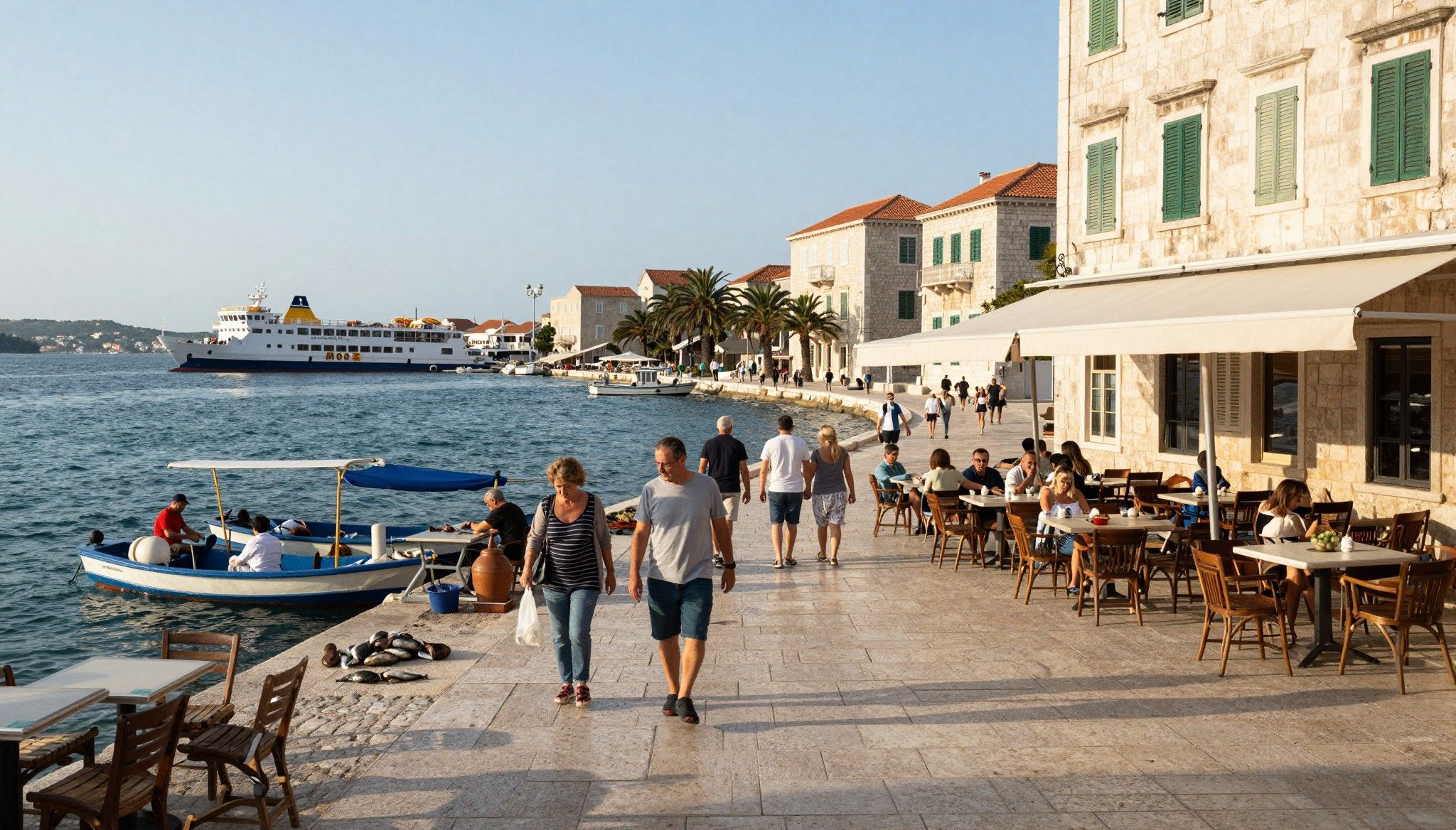
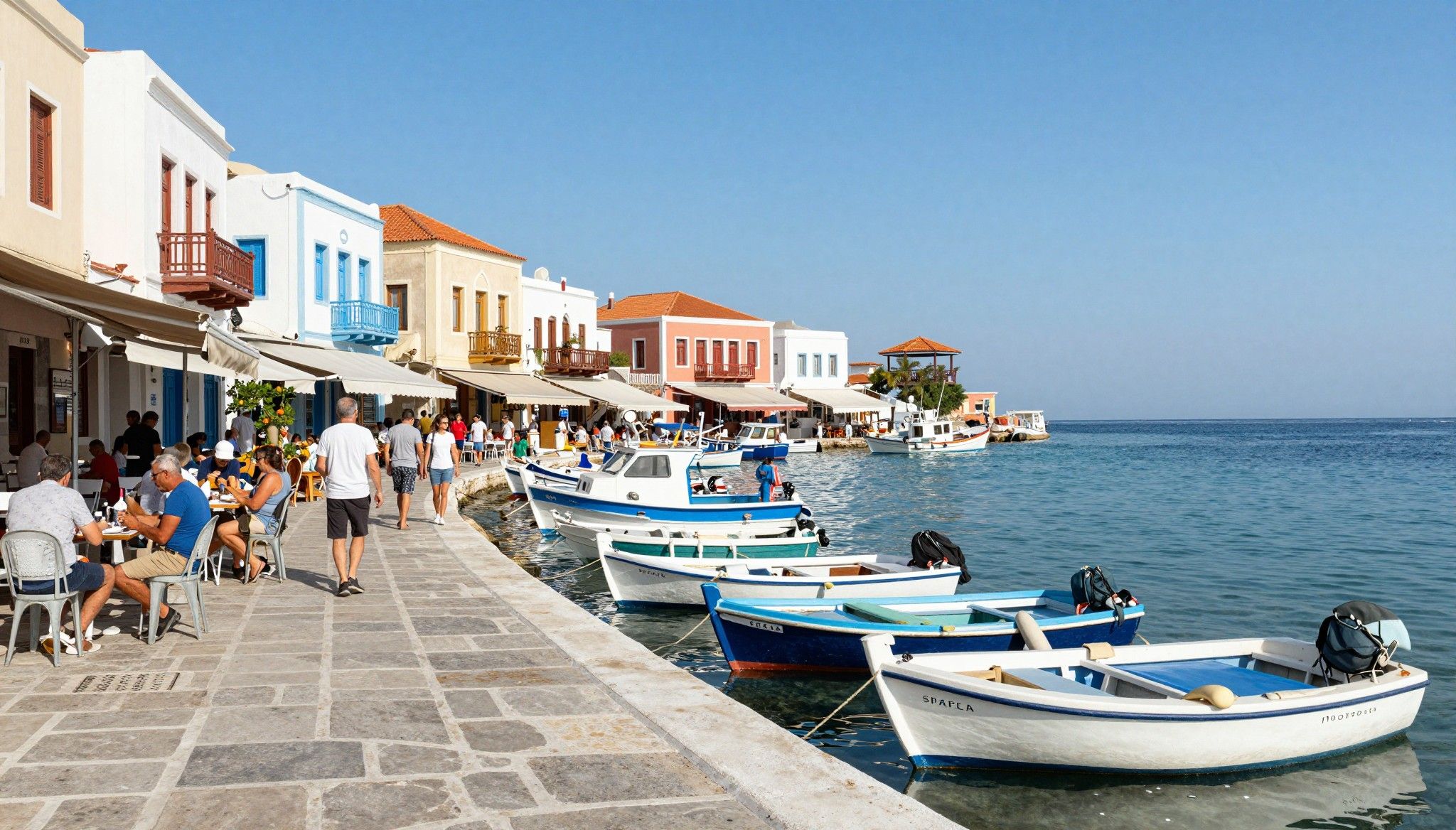
Imagine arriving in Limassol on a sun-bright morning: espresso steaming at To Kafenio on Anexartisias, fishermen hauling nets in the old port, and a string of apartments with sea-views that look irresistible. That sensory scene is what sells Cyprus to international buyers — year-round sunshine, short flights from most of Europe, and a compact island where coast and mountains feel close. But beneath that allure are seasonal distortions and operational risks that materially change the investment case. This guide shows how to test lifestyle appeal against downside scenarios, quantify sensitivity to seasonality, and avoid paying a premium for an illusion.
Living Cyprus: what life actually feels like
Cyprus lives at a comfortable middle pace — mornings belong to cafes and municipal bakeries, afternoons to beaches and bakeries, evenings to tavernas and promenades. Expats and locals mingle differently by district: Limassol hums with young professionals and international schools, Paphos leans into family life and tourism, Nicosia offers bureaucratic convenience without beaches, and Larnaca is quietly reinventing itself with a revived seafront. The island’s Mediterranean climate shapes behaviour: you’ll see outdoor life six months of the year and a quieter, community-driven rhythm in winter. Those rhythms inform demand for different property types, from holiday-focused studios to winter-occupied family homes.
Neighbourhood snapshot: Limassol’s Molos and Old Port
Walk Molos promenade at 8am and you’ll meet joggers, dog-walkers, and remote workers on laptops — the scene sells coastal living to buyers. Properties here command premium per-square-metre pricing because they promise year-round rental demand from professionals and families, not just summer tourists. Yet that premium depends on reliable infrastructure, parking, and short-term rental regulation; without these, a sea-view can underperform expectations. When underwriting, stress-test occupancies to 40–50% of peak summer nights rather than assuming constant high-season rates.
Food, markets and micro-lifestyle: Paphos’ coastal lanes
Spend a Saturday in Kato Paphos and you’ll find fish tavernas, bakeries selling fresh koulouri, and a market where retired locals swap news; that texture attracts a mature tourist and seasonal renter profile. Paphos’ stronger house-price growth in recent quarters reflects demand for this authentic coastal life, but it also concentrates risk into a shorter letting season. If you imagine owning a small villa here, plan for longer winter voids and factor in maintenance costs that spike after summer. Lifestyle appeal should be converted into a conservative revenue profile before you commit.
- Lifestyle highlights to map to investment assumptions: Molos promenade morning ritual; Kato Paphos weekend market; Larnaca Finikoudes evening promenade; Agia Napa nightlife corridor; Troodos mountain weekends for cool summers.
Making the move: translate charm into dependable returns
Tourism and rising prices often tempt buyers to assume easy returns: Cyprus reported over 4 million tourists in 2024, and the Central Bank’s RPPI showed continued house price growth into 2025. Those are important tailwinds, but they’re not uniform across districts — Paphos and coastal resorts concentrate tourist nights while Nicosia’s market is driven by local demand. For an investment-grade purchase, convert tourist flows into conservative occupancy and yield scenarios, and test those against shocks: late-season travel drops, regulatory restrictions on short lets, or a winter of above-average maintenance and utilities.
Property types and their real-life trade-offs
Apartments near Limassol’s seafront attract high headline rates but suffer when construction supply rises or short-let rules shift. Detached houses in Paphos offer stronger winter demand from long-stay holidayers and retirees but carry higher upkeep and lower liquidity. New-build developments promise warranties and modern appliances, lowering capex risk in the first five years; older stone houses in mountain villages deliver charm but can surprise with plumbing and insulation costs. Model cost-per-year for upkeep as 1–2% of property value for new builds and 3–5% for older homes to capture realistic cash outflows.
How local experts convert lifestyle briefs into underwritable assets
- Work with specialists who can prove demand with bookings data, provide neighbourhood comparables, and model downside cases. 1) Ask agents for monthly occupancy by unit over three years, not annualised averages, to capture seasonality. 2) Request management cost breakdowns and confirm third-party cleaning, utilities, and emergency maintenance fees. 3) Insist on conservative gross-to-net yield conversions: trim headline gross yields by at least 30% to account for voids, fees, taxes, and capex. 4) Verify legal title and use permissions, especially for short-term rentals, with a local solicitor.
Insider risks: environmental, regulatory and seasonal shocks
Cyprus’ attractiveness masks operational vulnerabilities: water scarcity has been elevated in recent years, prompting government measures to subsidise desalination at hotels. That’s a practical issue for coastal villas and pool maintenance costs during hot summers, and for municipal water reliability in some districts. Regulatory noise — from short-term rental rules across EU jurisdictions to planning permission backlogs — can compress revenues and extend transaction timelines. Always run a three-scenario sensitivity: base case (steady tourism), downside (20–30% lower occupancy), and stress (50% occupancy loss for 2–3 years) and judge whether the property still meets your hurdle rate.
Quantitative stress test you can run in a spreadsheet
- 1) Start with headline occupancy and average nightly rate for peak months; convert to annual revenue by applying seasonal occupancy weights (peak 50%, shoulder 25%, winter 10%). 2) Subtract management fees (15–25%), utilities, and maintenance reserves (set at 1–3% of value). 3) Apply tax and transfer costs per Cypriot rules and reduce revenue assumptions by 30% for conservative net yield. 4) Recalculate IRR and payback under a 20% occupancy shock and compare to your minimum acceptable return.
- Practical red flags to watch for: title complexities on older properties; missing permissions for short-term letting; overreliance on one source market (e.g., UK tourists); supply pipeline concentration in new developments; and municipal infrastructure limits (water, waste, road access).
What expats say they wish they'd known
Many buyers tell the same story: they loved the summer-perfect photos but underestimated winter costs, bureaucratic delays for minor renovations, and the speed at which rental demand drops in shoulder months. Others underestimated the value of a local property manager who can keep bookings steady and costs predictable. For long-term happiness — and to protect returns — match the property to the lifestyle you will personally use in winter as well as summer, not just the Instagram months.
Conclusion: let the island seduce you, but make decisions like an investor. Use local data — tourism arrivals, Central Bank RPPI by district, and site-specific infrastructure checks — to build conservative cashflow models and sensitivity tests. If the property still clears your hurdle rate under the stress case, it’s worth considering; if not, negotiate price, push for seller concessions on maintenance reserves, or walk away. A credible agent and solicitor who share historical occupancy data and local knowledge will convert romantic appeal into an underwritable asset.
Dutch investment strategist who built a practice assisting 200+ Dutch clients find Spanish assets, with emphasis on cap rates and due diligence.