Seasonal Mirage: Stress‑Testing Cyprus Returns
Cyprus offers year‑round Mediterranean life, but seasonal tourism, infrastructure and short‑let risks compress net yields—stress‑test occupancy, diversify asset types, demand audited performance.

Imagine morning espresso at Limassol’s Molos promenade, a fisherman’s market in Larnaca at noon and an evening mezze on a stone terrace in Paphos — Cyprus feels like a year‑round coastal village, but the island’s rhythms are seasonal and the investment math is too.
Living the Cyprus lifestyle
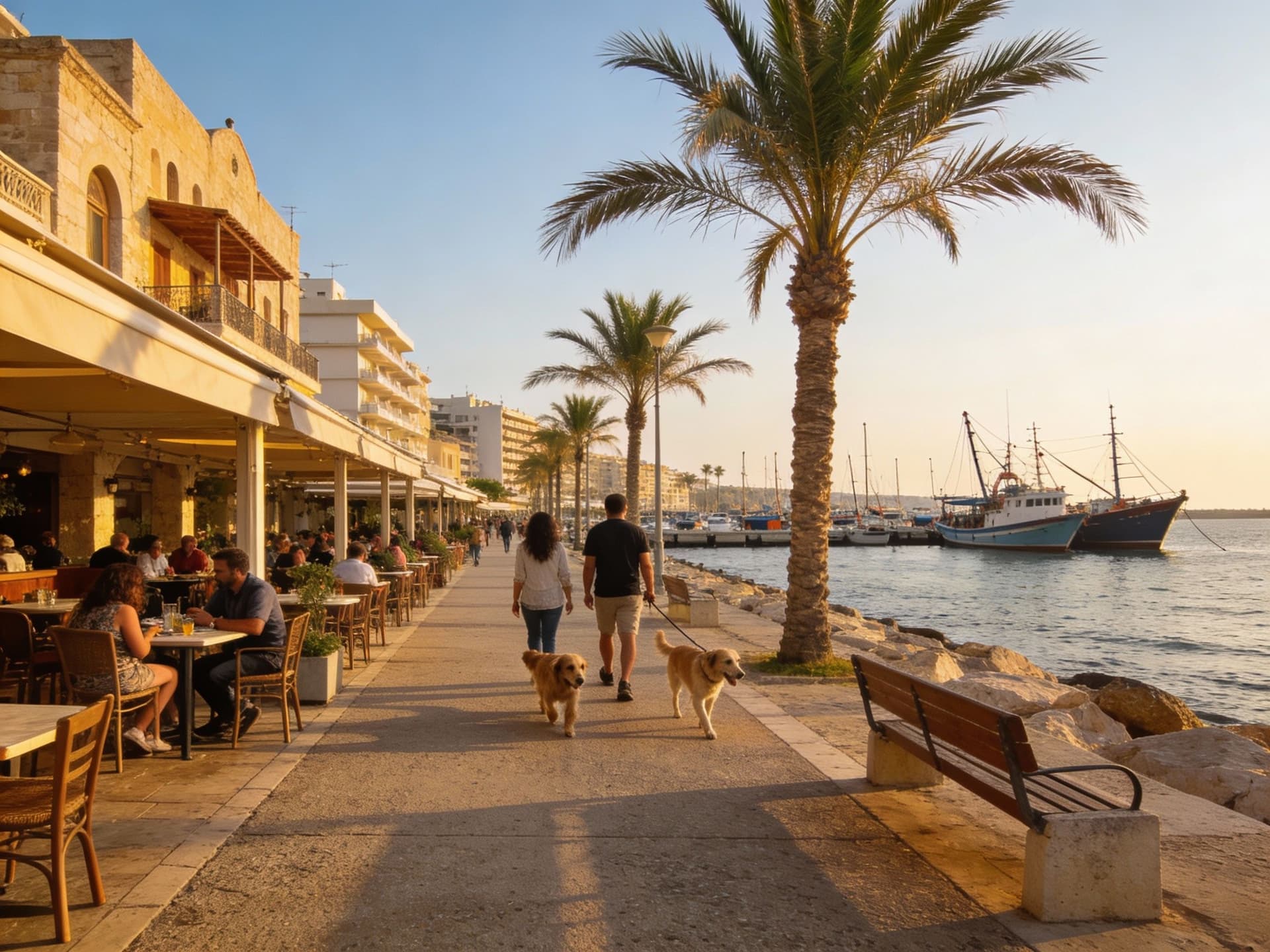
Sun, sea and a surprisingly modern service economy define daily life here — cafes open early, tavernas hum late, and pockets of international commerce in Limassol and Nicosia mean you see both Mediterranean leisure and boardroom urgency. Tourist volumes recovered strongly after the pandemic, supporting hospitality and short‑let markets but also amplifying seasonality risk. Data show tourism bounced past four million visitors in 2024, reshaping rental demand and pricing in coastal zones.
Neighborhood spotlight: Limassol & the Molos to Germasogeia stripe
Limassol is where international money meets beachfront living: new towers, serviced apartments and a steady flow of corporate rentals. Walk the Molos and you’ll see weekday joggers, weekend families and holiday crowds in summer — a scene that pushes rental rates up for short stays but compresses long‑term yields as capital values rise faster than rents.
Other vibes: Nicosia, Paphos, Larnaca
Nicosia is administrative and steady — demand from students and public‑sector tenants keeps occupancy high year‑round. Paphos and Larnaca skew strongly seasonal: Paphos hosts more tourists by share and Larnaca benefits from airport connectivity, so both offer strong summer cashflows but weaker off‑season occupancy. In 2024, about 31.5% of tourists stayed in Paphos, highlighting its holiday orientation.
- Limassol Molos promenade — corporate rentals and serviced apartments
- Old Nicosia (Ledra Street) — student demand and long‑let stability
- Paphos harbour & Coral Bay — summer holiday cashflow, high seasonality
- Larnaca Finikoudes & skala markets — airport access, balanced short/long lets
Making the move: practical considerations
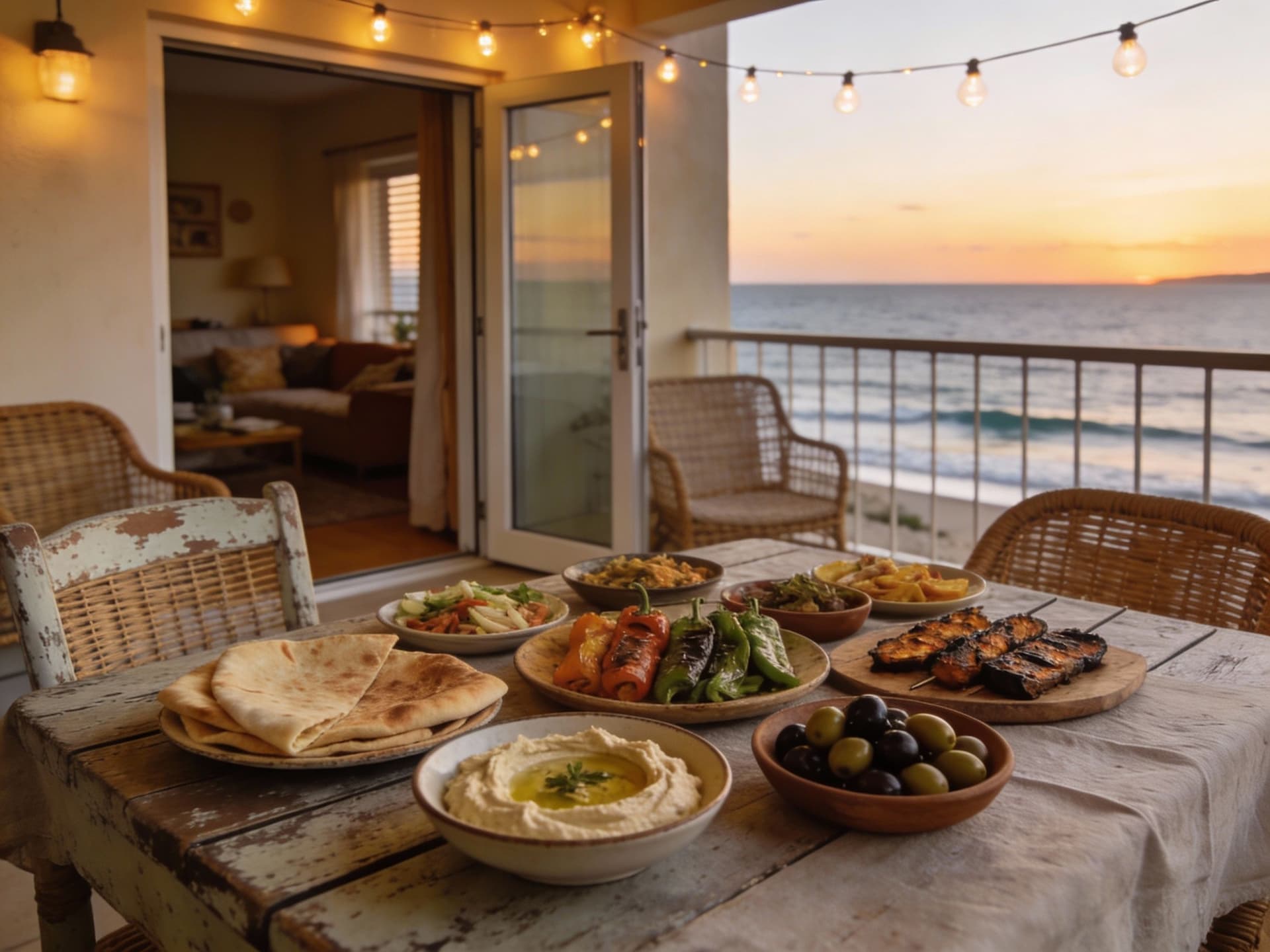
Lifestyle pictures are intoxicating, but returns require stress‑testing. Gross and net yields vary materially across districts: recent market surveys put gross yields for apartments in key centres in the mid‑4% to 6% range, with coastal holiday hubs showing higher summer gross yields but lower annualized net returns once occupancy, management and compliance are included. Use published yield benchmarks as your baseline and then run scenario stress tests for seasonality, occupancy and regulatory risk.
Property styles and how they affect living (and returns)
New coastal apartments sell at a premium for views and tourist appeal but typically deliver lower percentage yields because capital values are high. Town apartments and older blocks in Nicosia or Larnaca often offer better net yields and steadier occupancy. Traditional stone houses in mountain villages give lifestyle authenticity and capital appreciation stories, but rental demand is thin outside niche short‑let markets.
Working with local experts who understand seasonality
Agencies that bundle property management, short‑let licensing and local tax advice reduce operational risk. Ask for historical occupancy calendars, utility cost breakdowns, and audited short‑let income statements — and demand to see how an agent models off‑season troughs. Insist on references from owners who’ve weathered multiple seasons.
- Request these 5 items before committing: 1) 24‑month occupancy calendar for the asset; 2) Full operating expenses (incl. utilities, condo fees, management); 3) Tax treatment and typical VAT/municipal charges; 4) Copies of short‑let licences or proof of compliance; 5) Scenario model showing yield at 60%, 45% and 30% annual occupancy.
Insider knowledge: risks locals quietly price in
Cyprus faces non‑market risks that bite returns: water scarcity and infrastructure strain in high season, competition from unlicensed short‑lets, and concentrated source markets. Policymakers are funding desalination and infrastructure upgrades, but these are multi‑year mitigants — not instant fixes. Treat local environmental and regulatory developments as non‑diversifiable risks for coastal holdings.
Cultural integration and tenancy realities
English is widely spoken in business and tourism, but tenancy norms differ: locals favour longer leases for stability while holiday lets rely on flexible short‑stay turnover. Understanding local etiquette — deposit norms, notice periods, and the role of guarantors — reduces legal friction and vacancy risk.
Long term, Cyprus’s tourism recovery (4.04m tourists in 2024) supports a resilient demand pool — but investors should plan for diversification: mix long‑let core units in Nicosia/Larnaca with 1–2 short‑let assets in Paphos or Limassol to smooth cashflow and capture both yield and appreciation.
- Diversification checklist: • Core (long‑let) unit in Nicosia or Larnaca for year‑round cashflow • One coastal short‑let to capture summer premium • Conservative gearing: stress test at +200 bps interest and ‑20% occupancy • Maintenance reserve equal to 6 months’ gross rent • Local manager with licencing and compliance track record
Conclusion: Cyprus sells a lived life — seaside lunches, slow weekends and bright winters — but its investment story is seasonal. Fall in love with the lifestyle first, then quantify the risks: require occupancy histories, model three downside scenarios, and blend assets to smooth volatility. Local agencies who present audited performance, compliance proof and realistic stress tests are the partners that turn romantic purchase impulses into repeatable returns.
Swedish financier who guided 150+ families to Spanish title deeds since relocating from Stockholm in 2012, focusing on legal and tax implications.