When Croatia's Summer Illusion Skews Yield Forecasts
Croatia's summer glow masks evolving seasonality and tax shifts; run month‑by‑month occupancy and property‑tax stress tests to protect yield and match lifestyle to realistic returns.
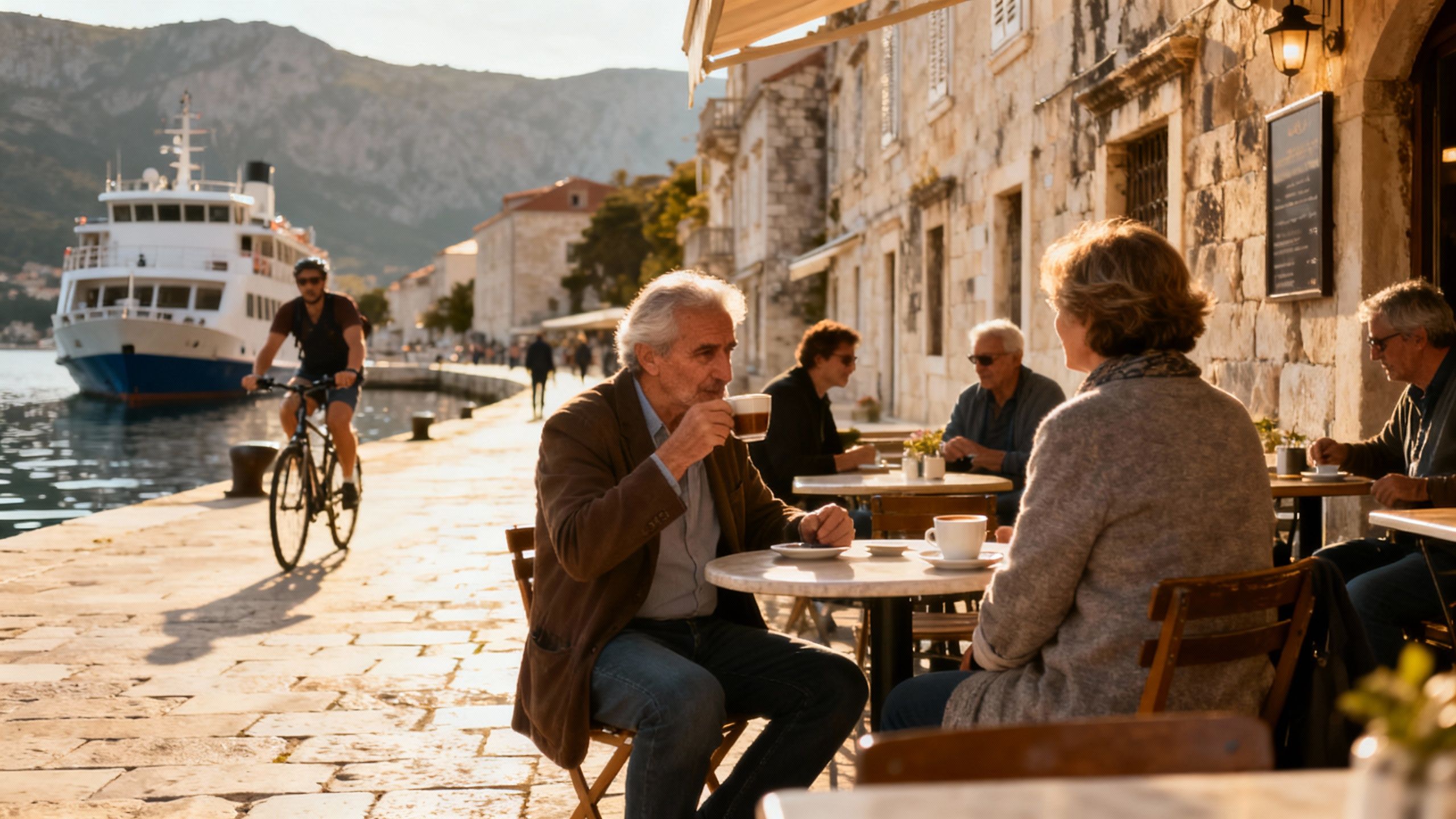
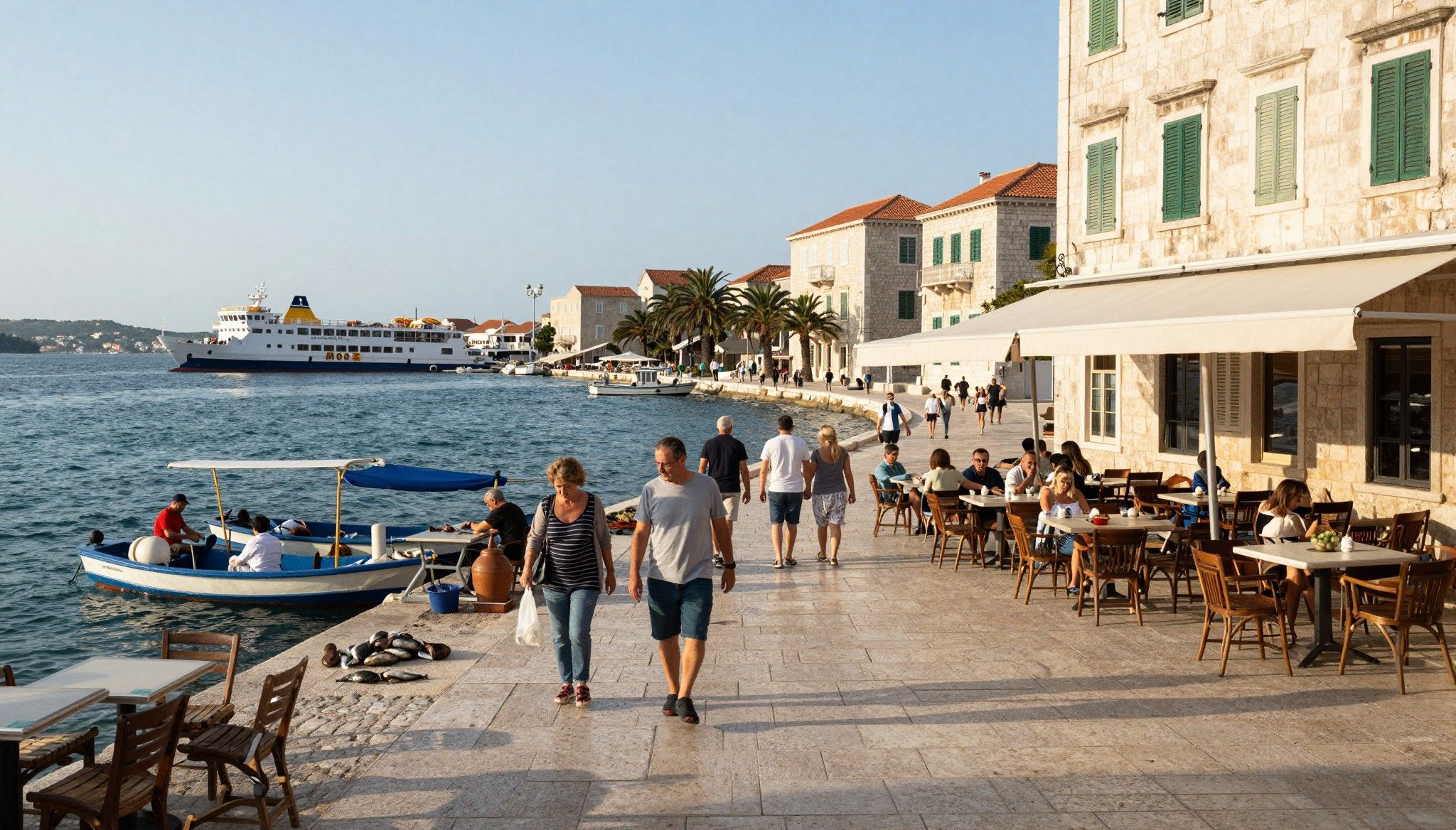
Imagine a summer terrace in Split: espresso steam, a fishing boat's silhouette, and the narrow street above filled with short‑let guests coming and going. That sunlit picture is Croatia's brand — and it's also the data distortion that can mislead buyers. Recent policy proposals and tourism flows show the market's seasonal pulse is changing; read that wrong and your yield forecast will look sunnier than reality. This guide blends the sensory Croatia you fall for with the stress tests every investor should run before signing contracts.
Living Croatia: not just summer
Croatia's coast is famous for Adriatic light, but recent tourism statistics show evolution: 2024 recorded over 21.3 million arrivals and 108.7 million overnight stays, with growth in pre‑ and post‑season demand. That shift matters because rental income that once concentrated into three hot months is smoothing into shoulder seasons — changing vacancy risk and effective annual yields. Living here mixes island tempo (Hvar, Brač) with lively urban months in Split and year‑round activity in Zagreb; understanding how those rhythms affect occupancy is the first step in sensible underwriting.
Neighborhoods that write the story
Walkable old towns like Dubrovnik's Ploče or Split's Varoš sell a story of stone, sea and high short‑let demand, while Istria's Rovinj and inland continental towns such as Varaždin offer quieter, longer‑stay potential. For investors, that difference translates into tenancy profiles: stone‑front apartments command seasonal premium but face regulatory and management burdens; suburban new builds in Zagreb and Rijeka compete for stable locals and remote workers. Tasteful lifestyle appeal doesn't automatically equal resilient cash flow — you must map neighborhood character to occupancy risk.
Food, markets and off‑peak life
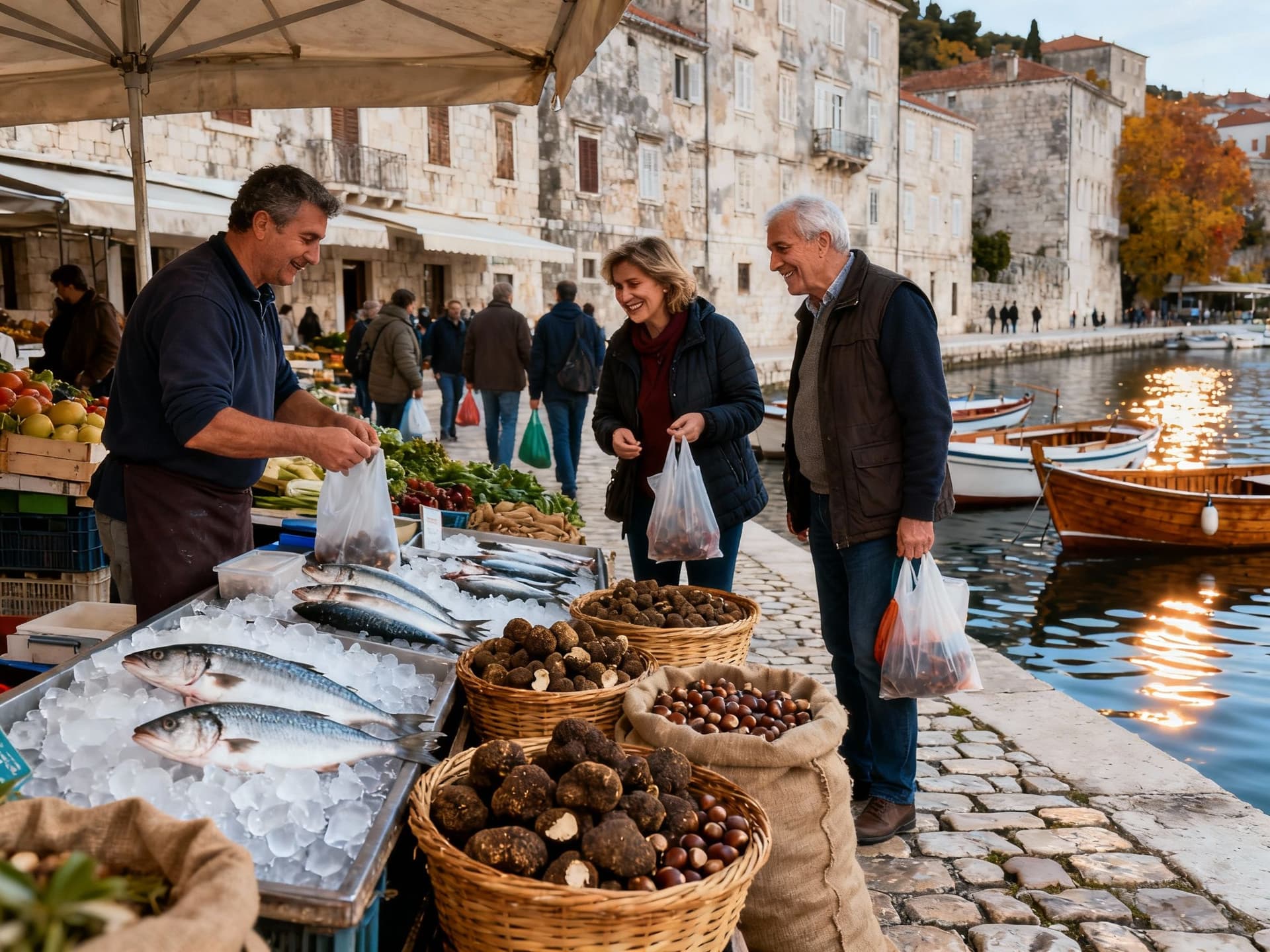
Picture Saturday markets in Zadar or Split in October: vendors selling fresh squid, truffles from Istria and chestnuts on the grill. These scenes tell you when a place sustains everyday life beyond summer. The 2024 data confirm growth in pre‑ and post‑season tourism, which creates opportunities for longer lets and events‑driven demand, but also raises questions about infrastructure strain and the true depth of local tenant pools once tourist noise subsides.
- Lifestyle highlights: Dalmatian promenades, Istrian truffle weekends, Zagreb's winter markets, island harbours with local fish restaurants, inland cycling trails, regional wine cellars.
Making the move: practical considerations that preserve yield

The lifestyle charm of Croatia meets a changing fiscal backdrop. In 2024–25 policymakers signalled a shift toward taxing properties to alleviate housing shortages and curb short‑let pressure; proposed rates ranged per square metre and included exemptions for long‑term rentals. That policy context directly alters total cost of ownership and annual net yield — a tax line you must model explicitly in scenario tests rather than treating as stationery.
Property types and their risk profiles
Stone town apartments: high headline rates in summer, high management and regulatory risk. Coastal new builds: easier maintenance but greater competition and seasonal occupancy. Inland houses with land: lower price per sqm, potential for agritourism or long‑lets, but slower liquidity. Match type to your tolerance for vacancy, renovation cost and management intensity; treat seasonal volatility as an input to cap rate adjustments, not an afterthought.
Working with local experts who know both lifestyle and law
- 1. Engage a local agency with track record in long‑lets and short‑lets so they can model occupancy paths across seasons. 2. Ask for granular occupancy data by month (not only annual averages) for comparable properties. 3. Insist on a cost breakdown that includes property tax scenarios, utility seasonality, and realistic management fees. 4. Run stress tests: 30% shorter peak season, 20% higher management costs, and a 12‑month vacancy spike in your model. 5. Compare cap rates adjusted for seasonal occupancy to similar continental assets to judge relative risk.
Insider knowledge: risk signals and contrarian opportunities
Two practical truths: first, macro tourism strength (record arrivals) reduces tail risk for coastal assets but amplifies regulatory risk as authorities tighten policy. Second, inland and urban markets show quieter appreciation but more stable long‑let demand. Use both datasets — tourism seasonality and local housing supply figures — to construct sensitivity runs that isolate regulatory, demand and cost shocks.
Red flags to watch for
- Close legal ambiguity on foreign ownership rights; sudden property tax hikes without grandfathering; lack of month-by-month occupancy data; oversized reliance on peak‑season earnings; properties with high renovation needs near strict heritage zones.
Contrarian pick: the coastal pocket locals avoid
Some buyers avoid mid‑coast towns that sit between Dubrovnik and Split, assuming returns are only in famous anchor towns. Yet suburbs and smaller ports often host year‑round marinas, local industry and a growing remote‑worker population — offering lower entry prices and less regulatory scrutiny on short‑lets. When modelled conservatively, these markets can deliver comparable risk‑adjusted yields with easier day‑to‑day management.
Step‑by‑step sensitivity tests to run before you buy:
- 1. Base case: current advertised rent * 10 months occupancy = gross annual revenue. 2. Downside case: reduce peak rates by 25% and occupancy by 30%; add +20% to management/tax lines. 3. Policy shock: apply a square‑metre property tax at €0.6–€8.0 / sqm and recalculate net yield. (Use the higher bound for coastal luxury units.) 4. Exit stress: model 12–24 month liquidity with a 10–20% price haircut and compute IRR. 5. Sensitivity matrix: present results across the four scenarios to inform reserve capital and hold period.
What expats wish they'd known
Expats often tell the same story: they fell for lifestyle imagery, bought a coastal apartment, and only later learned the management costs and tax changes materially reduced net yield. Others who invested inland found quieter life, steadier rents and fewer surprises. The practical lesson — marry the life you want with conservative financials; let lifestyle choices be funded from realistic, stress‑tested returns.
Long‑term view: climate, connectivity and seasonality
Climate resilience (sea level, wildfire risk) and improving connectivity (air route growth, ferry capacity) will reprice micro‑markets over the next decade. Use scenario analysis to price in climate premiums or discounts and test how improved year‑round transport (air and ferries) can compress seasonality, increasing effective annual occupancy.
- Quick investor checklist: - Obtain month‑by‑month occupancy and ADR for comparables. - Model property tax scenarios using proposed €0.6–€8.0 / sqm bands. - Budget higher management/maintenance for heritage stone properties. - Verify licence/registry for short‑lets and local zoning constraints. - Build a 12–24 month liquidity plan with conservative resale assumptions.
Conclusion: Croatia sells a life — that life can be profitable if you treat seasonal beauty as an input to risk, not the output. Combine local lifestyle intelligence (neighbourhood rhythms, food markets, off‑season culture) with rigorous sensitivity tests (tax shocks, occupancy swings, exit stress) and you'll turn romance into a repeatable yield. If you want, we can run a customized sensitivity matrix for a specific town or property type and map outcomes to hold period and reserve capital.
Dutch investment strategist who built a practice assisting 200+ Dutch clients find Spanish assets, with emphasis on cap rates and due diligence.