Italy: Lifestyle First, Then the Yield
Italy sells a lived-in life—piazzas, markets and coastlines—but buyers must pair that romance with local HPI trends, rental scenarios and agency expertise to protect net yield.
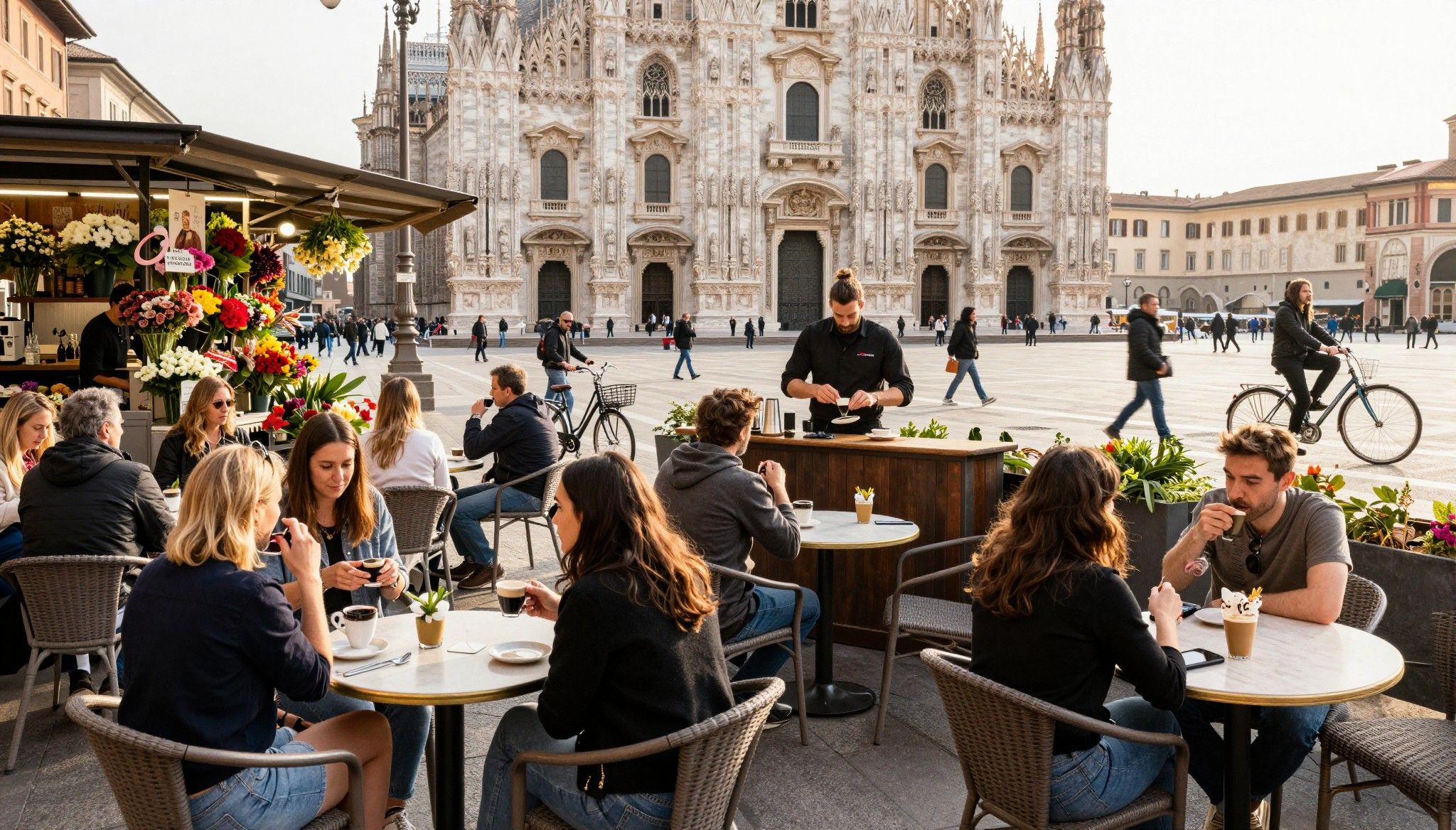
Imagine sipping an espresso on Via dei Condotti at 8 a.m., then walking to a hidden courtyard apartment where neighbours know each other's children by name. Italy sells a life: slow mornings, explosive markets, and neighbourhoods that feel like extended families. But beneath the piazza charm are measurable rules, yields and seasonal rhythms every international buyer must understand.
Living the Italy lifestyle
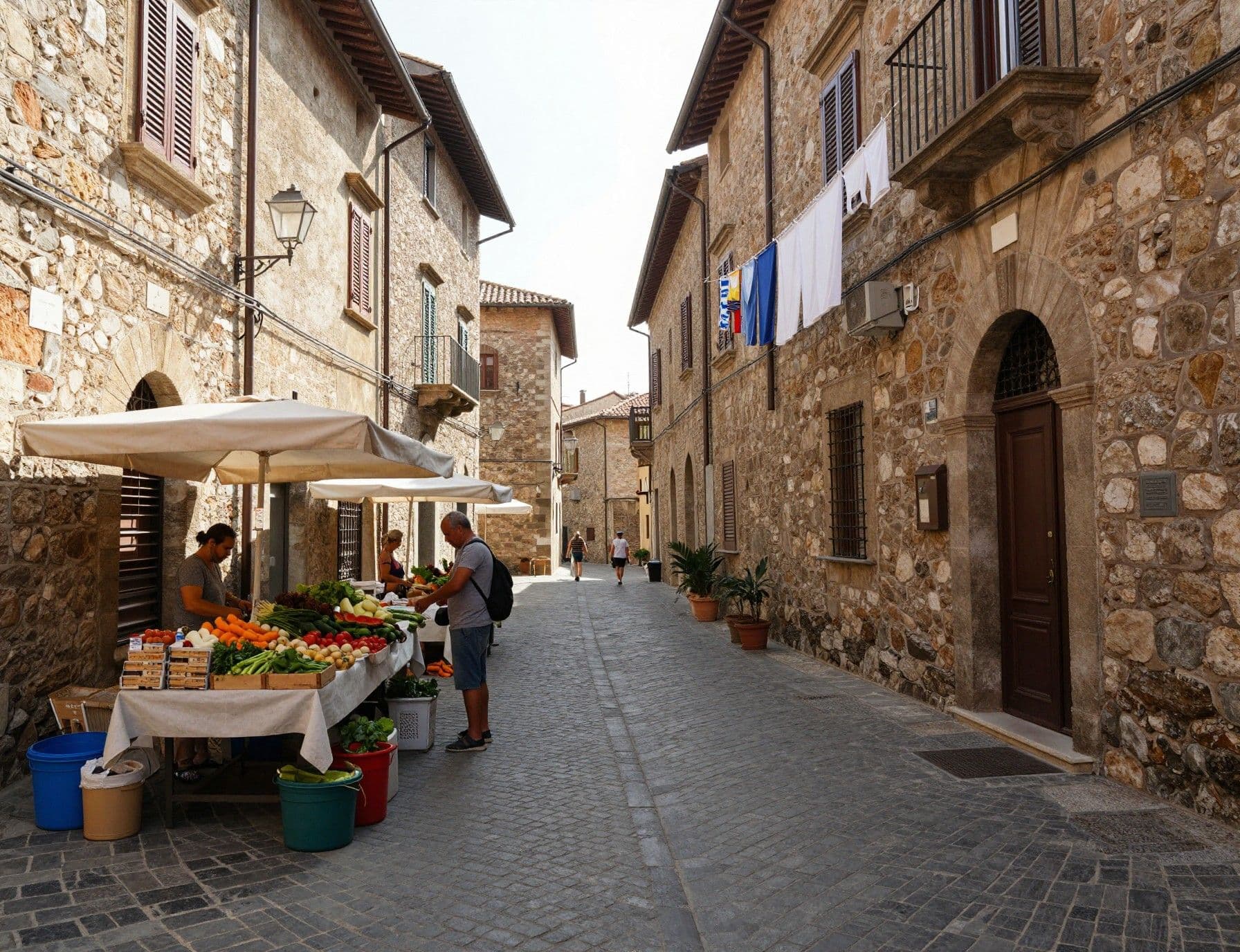
Italy's daily tempo varies wildly from Milan's efficient rush to Puglia's unhurried afternoons. Recent national house-price data show steady recovery, meaning the lifestyle you buy into—city-centre cafés, seaside villages, or hilltop hamlets—now carries clearer price signals than in past cycles.
City centres: ritualised mornings and compact living
Picture Navigli in Milan or Trastevere in Rome: narrow streets, espresso bars, and apartments sized for convivial living. Asking prices in 2026 show Milan and Rome leading per-square-metre values, but shorter commutes and consistent rental demand also concentrate yield opportunities here.
Coast and countryside: seasonal life, steady character
From Liguria's terraces to Puglia's whitewashed towns, seaside markets amplify summer demand—useful for short‑stay strategies but risky if you target year-round net yield. Nomisma's 2025 observatory highlights a cautious recovery: markets are picking winners based on accessibility, season length, and local services.
- Daily-life highlights investors should feel when evaluating a neighbourhood: Corso Como cafés (Milan), Mercato di Testaccio stalls (Rome), Via dei Calzaiuoli strolls (Florence), Porto Cervo marina access (Sardinia), Piazza Matteotti markets (Bergamo).
Making the move: practical considerations that preserve the lifestyle

You can romanticise a piazza, but returns come from matching lifestyle choice to property fundamentals: price per square metre, days on market, and local rental demand. The Bank of Italy's agents' survey reports tighter discounts and shorter time-on-market—signals of stronger pricing dynamics buyers must factor into offers.
Property styles and what they mean for living (and yield)
A historic centre apartment offers tenant-ready demand but higher maintenance; a modern suburban flat gives better parking and logistics for mid-term leases. Savills shows prime cores remain resilient—expect lower yield but steadier capital growth in top-tier pockets versus higher yields in well-connected peripheral towns.
Working with local experts who know the lifestyle calculus
An agent who lives the neighbourhood is not a nicety—it's a necessity. Look for agencies that combine on‑the‑ground curation (trusted contractors, tenancy specialists) with market analytics: comparable rents, seasonal occupancy curves, and realistic cap‑rate estimates.
- Step-by-step decision checklist blending lifestyle and financials: 1) Map daily routines (cafés, transport) to expected tenant profiles; 2) Compare asking price per m² to portal medians; 3) Run three rental scenarios (long‑term, mid‑term, high‑season short‑term); 4) Factor renovation timing and local permit timelines; 5) Choose an agency with tax & tenancy partners.
Insider knowledge: what expats wish they'd known
Expats often learn the hard way that 'cheap village houses' can carry hidden costs—plumbing, seismic retrofits, and access roads. Institutional reports note growth in mid‑market cities (Bologna, Turin) where infrastructure and steady rental pools outpace flashy coastal premiums.
Cultural integration, language and neighbourhood life
Daily life requires small cultural fluencies: shop hours, garbage‑collection days, festival closures. Investing in a local property manager who speaks Italian and knows municipal quirks (like market days that close streets) preserves both income and your sanity.
Long-term lifestyle resilience and market indicators to watch
Watch local employment growth, student population flows, and transport upgrades. These correlate strongly with rent stability. Data sources such as ISTAT and industry reports provide regional HPI and transaction volumes—use them to stress-test your expected net yield over a 5‑10 year horizon.
- Red flags and upside signals: high crime/closure of nearby businesses; long permit waits; poor transport links; versus new commuting links, university expansions, and infrastructure projects.
If the dream is the reason you looked at Italy, the math lets you stay. Use local HPI trends, portal asking‑price medians and agent surveys to convert that dream into a financial decision. Start with a shortlist of 3 neighbourhoods, commission a local rental study, and set a conservative yield threshold (net yield after costs) before bidding.
Danish relocation specialist who moved to Cyprus in 2018, helping Nordic clients diversify with rental yields and residency considerations.