When Cyprus' Summer Boom Masks Investment Risk
Cyprus offers sunny lifestyle returns but hides seasonal and concentration risks; model monthly occupancy, stress-test vacancy and prioritise local data for realistic net yields.
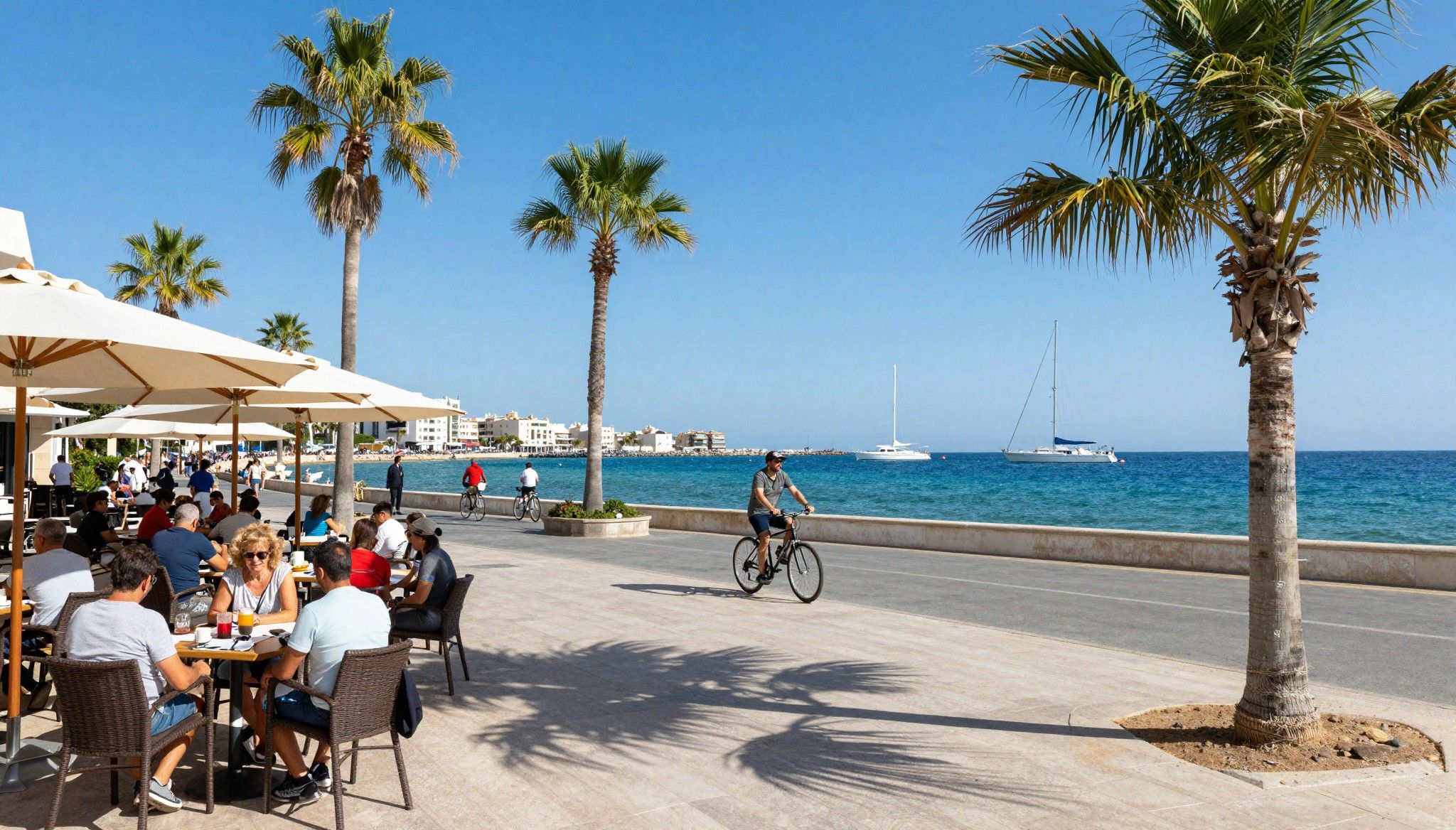
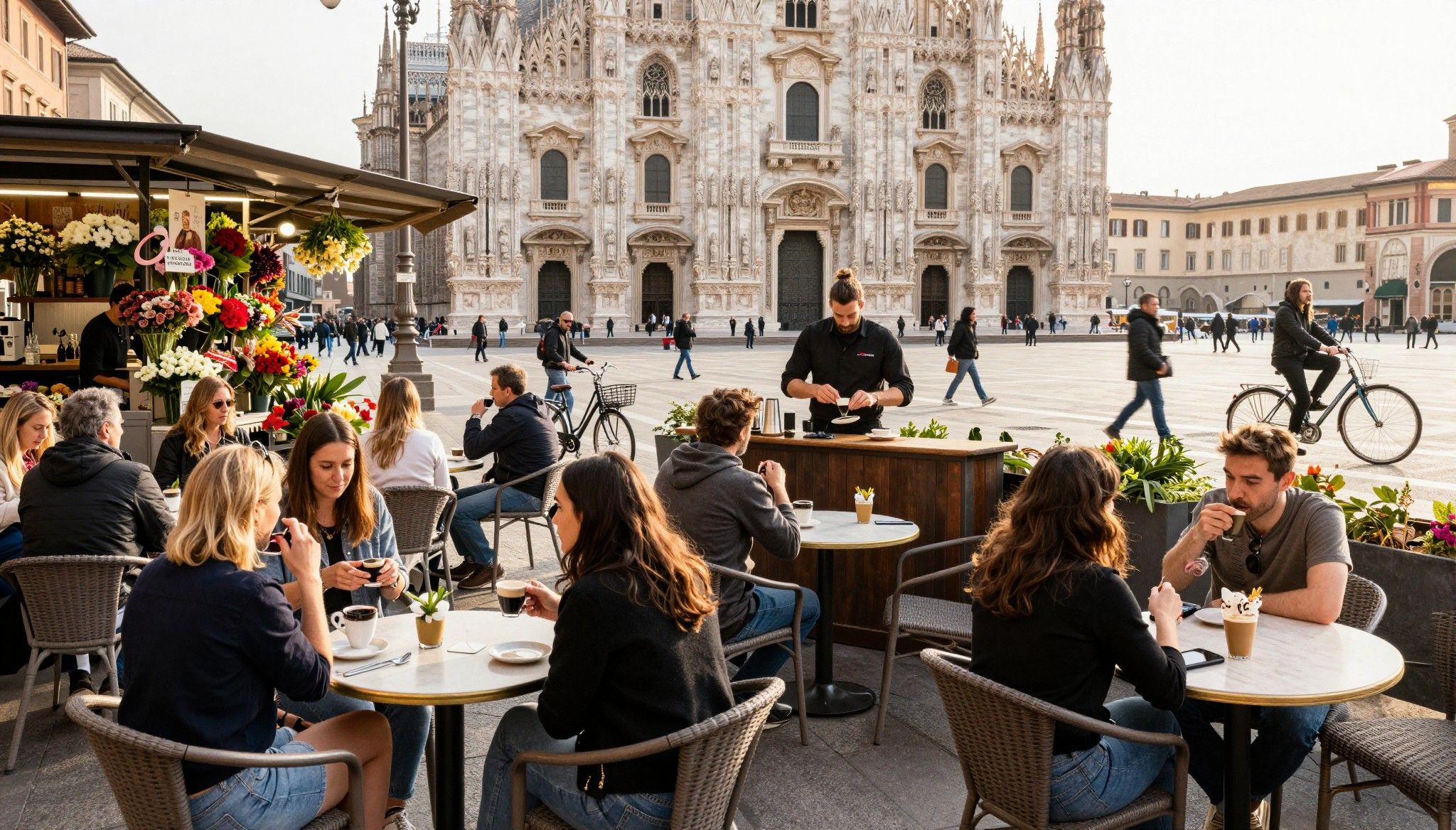
Imagine sipping espresso on Ayia Napa’s quieter streets in April, then watching the town swell with sunseekers by July. Cyprus feels small — a string of villages, beaches and hill towns where daily life follows the light — but that compactness masks sharp seasonal and market swings that matter to investors.
Living the Cyprus lifestyle
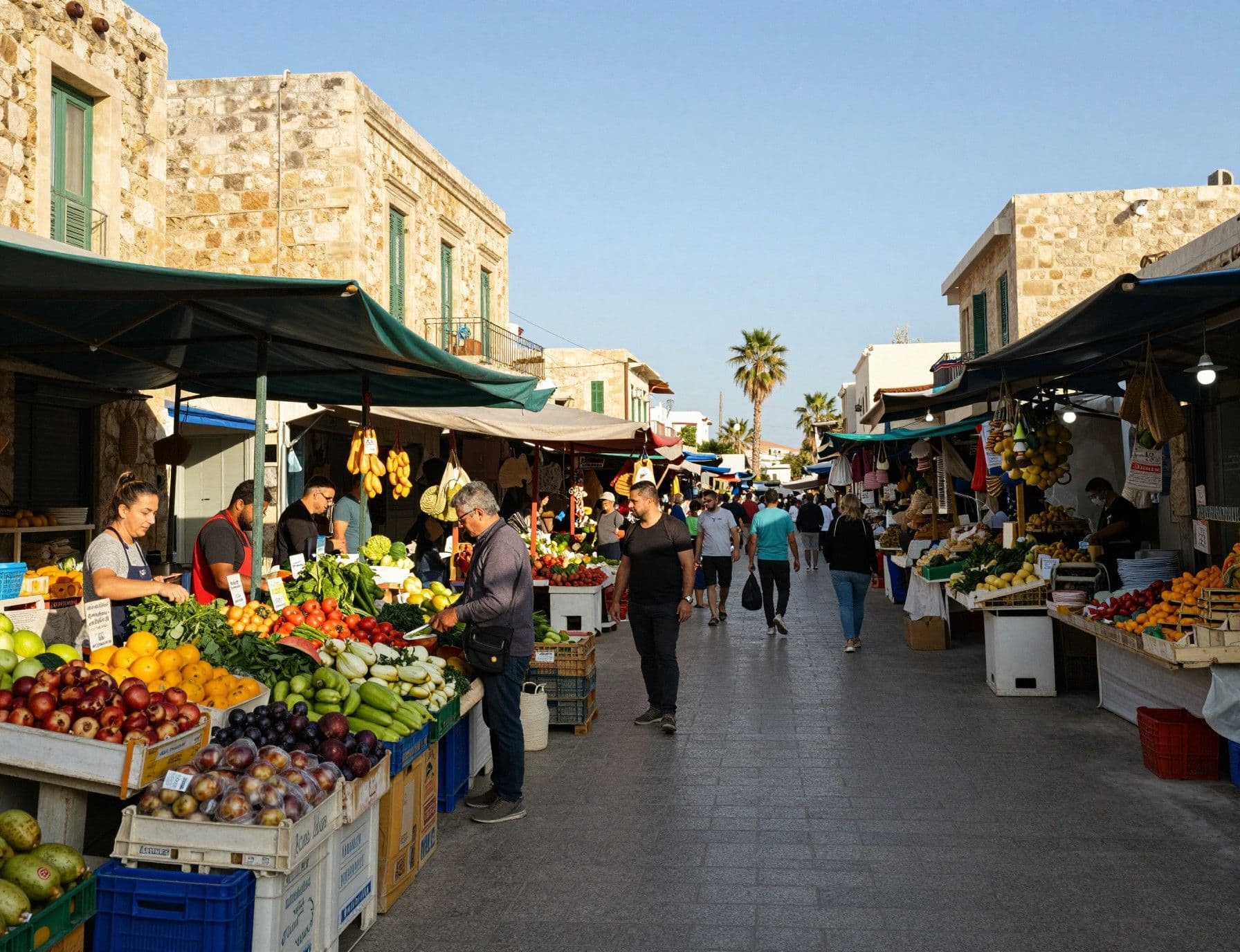
Cyprus is a mosaic of sun, stone and short drives: seaside promenades in Limassol, cobbled alleys of Nicosia’s old town, pine-scented mornings in Troodos. The island’s tourism rebound (over 4.5 million arrivals in 2025) turns coastal towns into seasonal labor markets and rental hotspots — shaping both lifestyle and risk for property owners.
Neighbourhood spotlight: Limassol seafront and Agios Tychonas
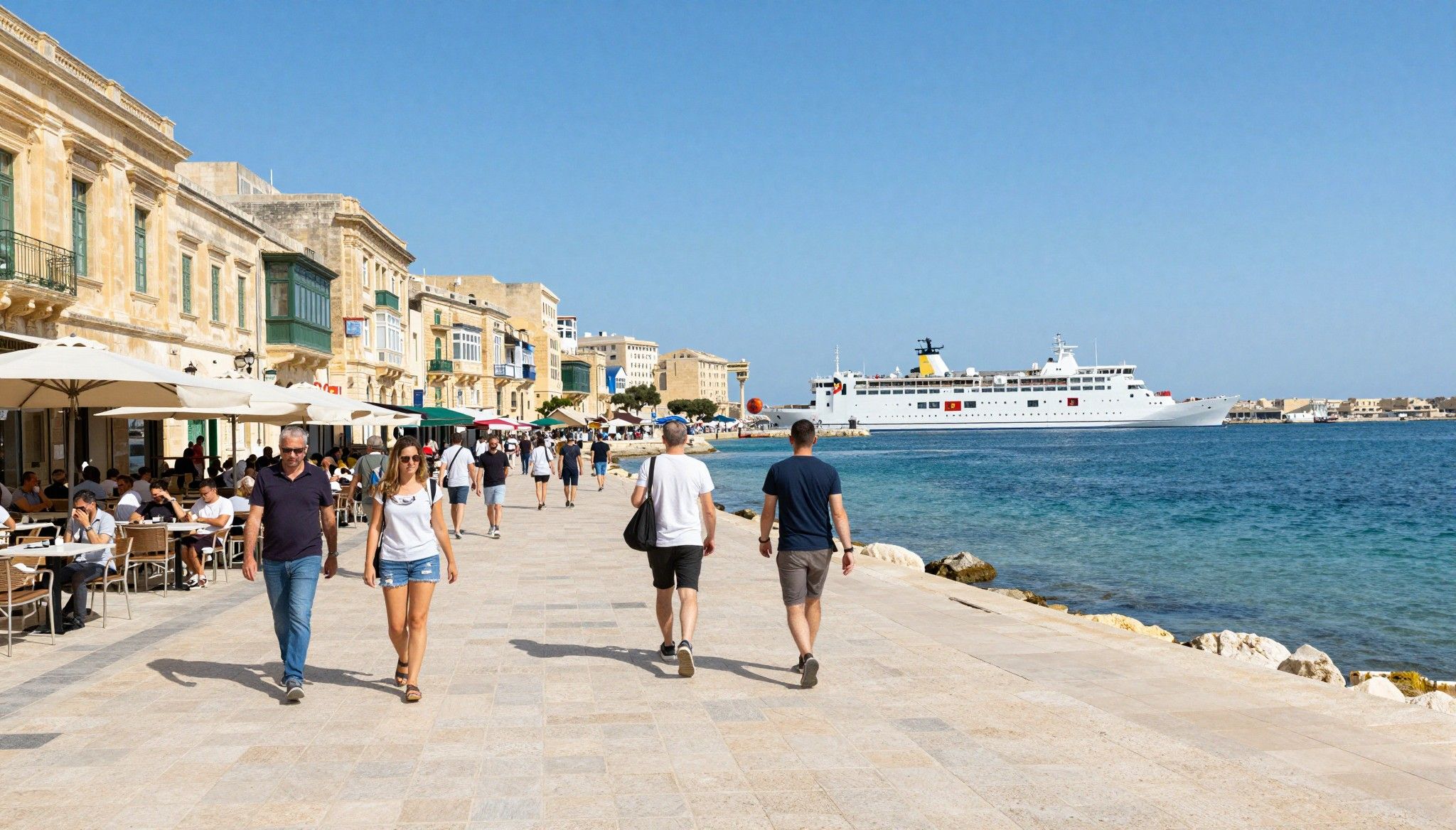
Limassol offers waterfront apartment living and a compact nightlife circuit — great for year-round rental demand but vulnerable to seasonal occupancy swings. Walkable cafés on Molos promenade and the villa-lined slopes of Agios Tychonas deliver very different tenant profiles: short-stay holiday visitors versus long-term executives.
Food, markets and small rituals that define place
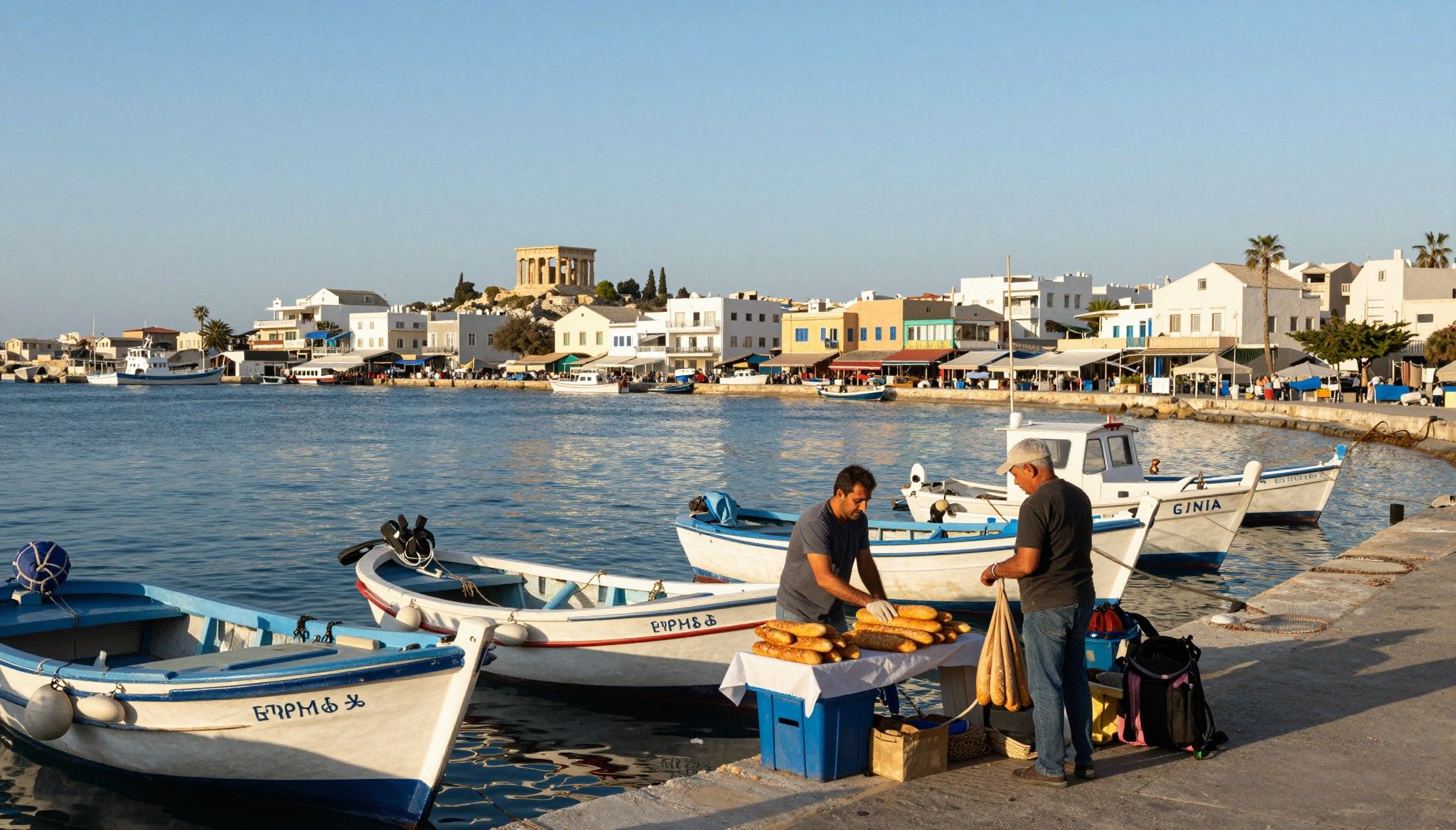
Weekends mean harbour-side tavernas, farmers’ stalls in Larnaca’s Sunday market and elders playing tavli under plane trees in Paphos. These rituals influence property appeal: ground-floor units near markets attract long-term renters; holiday-let demand clusters around tavernas and beaches with walkable amenity catchments.
- Lifestyle highlights that impact investment potential: Molos promenade (Limassol), Paphos Old Harbour, Finikoudes (Larnaca), historic Laiki Geitonia (Nicosia), Coral Bay (Paphos), Troodos hiking trails.
Making the move: practical considerations that preserve yield

The dream of sunny Mediterranean returns must be married to numbers. Apartments in Cyprus have shown gross rental yields often between 4.5–6.5% recently, but that headline figure masks location seasonality, maintenance load, and tax rules that reweight net return. Model net yield before you love a view.
Property styles and how they affect lifestyle and risk
New-build seafront apartments deliver low maintenance and short-stay appeal but higher purchase prices; traditional village houses in Limassol hinterland offer lower entry cost and slower rental cycles. Choice of property should match your strategy: seasonal holiday-let, long-term domestic rental, or blended use.
Working with local experts who know the seasonal pulse
- 1. Ask agents for monthly occupancy curves, not just annual rents — this reveals off-season risk. 2. Insist on utility and property tax histories to estimate running costs through winter months. 3. Request comparable short‑let vs long‑let net yields for the same street (seasonal premium can be misleading). 4. Evaluate property management options and costs — a 10–20% management fee can tilt net yield calculations. 5. Verify condo governance and sinking-fund records for coastal developments. 6. Model a 12–18 month vacancy stress test if you plan to rely on tourist income.
Insider knowledge: contrarian risks and hidden sensitivities
Price indices show steady appreciation but also pockets of rapid re‑rating where new supply clusters. That concentration creates sensitivity: a single new development in a small resort can depress average rents and extend absorption time, especially off-season.
Cultural and seasonal nuances expats under‑estimate
English is widely used in transactions, but local customs — summer family migration to mountain homes, major festivals, and school calendars — affect occupancy timing. Expect slower brokerage response in August and a spike in moves around the September school term.
- Risk-sensitivity checklist for Cyprus purchases: concentration of supply, seasonality of demand, utility and maintenance seasonality (water, cooling), regulatory changes to short-term lets, currency and mortgage-rate exposure.
Practical next steps: build a 3-scenario model (base, downside with 25% off-season occupancy, upside with premium short-let rates) and stress-test cashflow for 24 months. Use local transaction records and tourist arrival seasonality to calibrate monthly occupancy assumptions.
Conclusion: Cyprus delivers lifestyle — sun, food, convivial streets — and respectable yields when you treat the island as a set of micro-markets, not a single coastline. Fall in love with the place first; then build conservative, month-by-month models that protect returns across seasons.
Dutch investment strategist who built a practice assisting 200+ Dutch clients find Spanish assets, with emphasis on cap rates and due diligence.