When Timing and Taxes Reprice Greek Property
Lifestyle first, tax‑smart second: how ENFIA timing, transfer tax and Golden Visa zone changes reprice Greek property returns and buyer strategy.

Imagine waking to a sea-salted breeze in Koukaki, pausing for an espresso near Dionysiou Areopagitou, and knowing the quarterly tax bill for that pied-à-terre will arrive in March — that timing alone can change whether a purchase is cash‑positive in year one.
Living the Greece lifestyle — vivid, local, seasonal

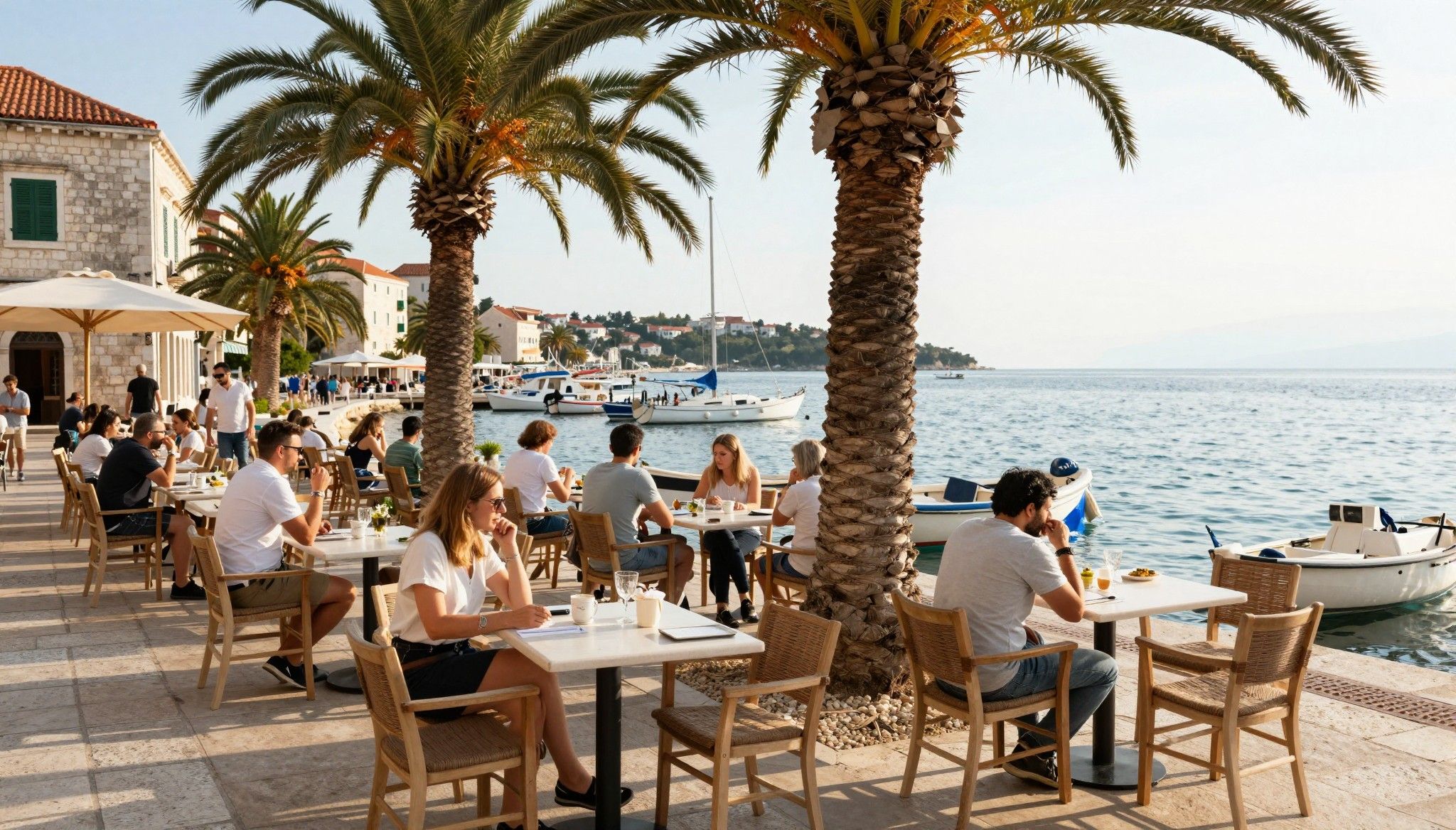
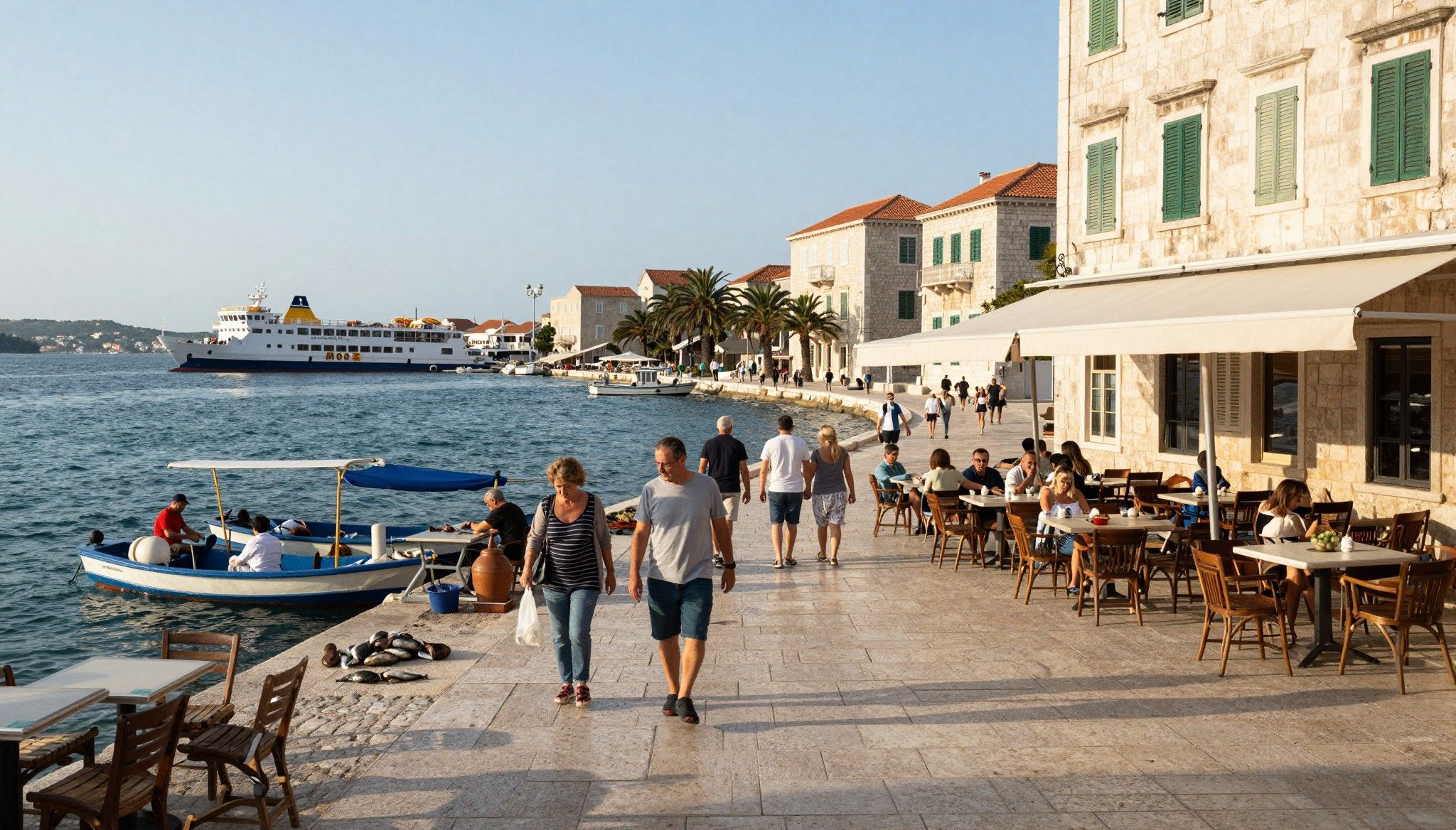
Greece is a rhythm of markets at dawn, seaside taverna evenings and slow winter streets. That rhythm shapes demand: short‑lets spike on Cycladic islands in July and August, while Athens apartments see steady long‑term demand year‑round — a pattern that affects effective yields and which taxes apply when. ENFIA — the annual property ownership tax — is assessed on 1 January and can produce a big cashflow blip early in ownership. See official ENFIA rules for method and timing.
Neighbourhoods that double as lifestyles (and rental profiles)
Walkable Athens neighbourhoods — Plaka, Koukaki, Pangrati — give reliable year‑round rental appeal to young professionals and digital nomads. By contrast, Mykonos and Santorini deliver outsized summer income but near-zero winter occupancy; that seasonality must be stress‑tested against annual taxes and maintenance. For buyers who want social life over seasonal spikes, Thessaloniki’s Ano Poli or the Koukaki hostel corridor often outperforms on net yield after costs.
Food, markets and weekends that shape where people actually live
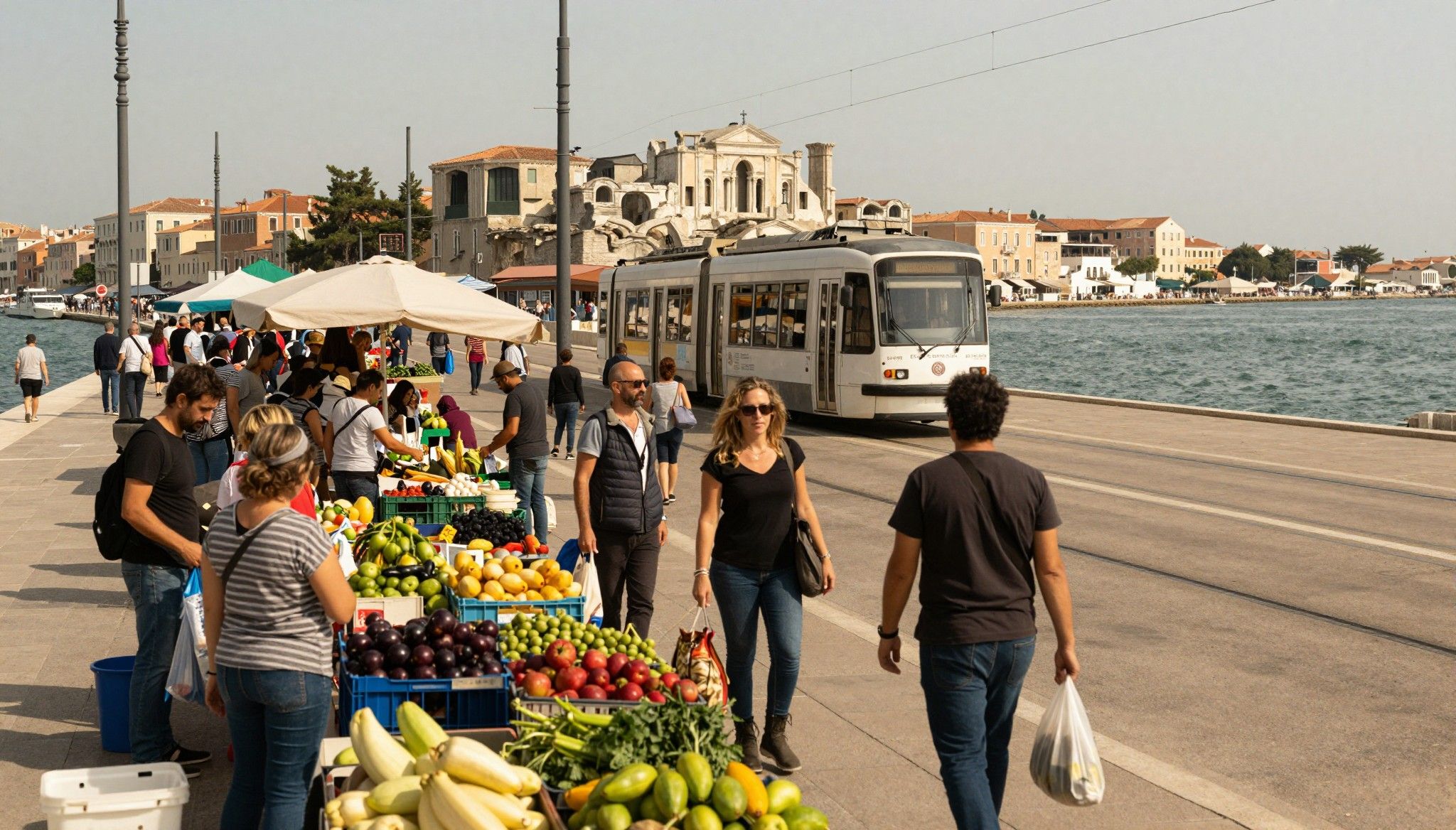
Morning markets in Varvakios produce grocery demand for nearby flats; coastal suburbs like Glyfada host weekend family life and attract longer‑stay tenants; Chania’s Old Town blends tourism and local services and supports mid‑season lettings. These differences change who rents, for how long, and what fixtures or renovations are revenue‑justified.
Lifestyle highlights: Varvakios market stalls, espresso on Adrianou St, sunset walks on Lycabettus, Glyfada marina weekends, Chania’s municipal market, Plaka’s narrow lanes — each drives a distinct rental demand curve.
Making the move: taxes, timing and property types that fit life

The purchase calendar in Greece is not just about finding the right balcony view. Transfer tax (paid by the buyer) is a fixed percentage at contract time and must be lodged quickly; the timing of ENFIA, municipal levies and VAT on new builds can stack into the first 12 months of ownership. Plan cashflow for transfer tax (typically 3% on taxable value), not just deposit and mortgage instalments.
Property styles and how they translate to returns
A restored neoclassical in Anafiotika commands premium nightly rates but requires higher maintenance and insurance costs; modern Athens apartments benefit from lower upkeep and steady tenancy. New builds in Greece can carry VAT (24%) in certain cases, which changes break‑even calculations for short‑term vs long‑term use. Match the physical asset to the cashflow profile you need: steady net yield or seasonal arbitrage.
Working with local experts who speak both lifestyle and law
1. Engage a Greek lawyer early to verify titles, outstanding municipal debts and encumbrances — these can surface after signing if unchecked. 2. Hire an accountant familiar with ENFIA, rental income taxation and non‑dom regimes to model net yield. 3. Use a local agent who can match neighbourhood rhythms (weekend markets, summer festivals) to rental demand rather than photos alone. 4. Build a 12‑month cash buffer for transfer tax, ENFIA, insurance and seasonal vacancy — treat these as operating expenses when calculating net yield.
Insider knowledge: tax rules that change the romance into numbers
Two headline items reshape investor math: ENFIA timing and the post‑2024 Golden Visa zone and threshold changes. ENFIA’s assessed‑value bands and payment schedule create predictable annual costs; meanwhile, the Golden Visa’s higher thresholds in premium zones (introduced in 2024) shifted demand toward non‑residency buyers or to lower‑threshold regions, changing price pressure on islands vs secondary cities.
Cultural and administrative realities that affect ownership
Paperwork moves at a different pace: municipal permits, cadastral searches and Taxisnet registrations take time and local relationships matter. Expect conversations over coffee to unlock access to craftsmen, insurers and municipal officers — that social capital reduces renovation lead times and cost overruns, which improves realised returns.
1. Verify cadastral registration status before offers — unregistered plots create legal uncertainty. 2. Model worst‑case seasonality: assume 30–60% winter vacancy on islands when forecasting income. 3. Confirm whether the unit is VATable (new builds) — a 24% VAT inclusion alters cap‑rate math. 4. Recalculate yields after ENFIA, municipal taxes and mandatory insurances, not just advertised rents.
Conclusion: Greece is a place you fall for first and stress‑test second. The scent of bougainvillea and late‑night tavernas matter — but so do transfer tax timing, ENFIA, VAT rules and Golden Visa banding. Assemble local legal and tax expertise up front, model a 12‑month cash plan, and let neighbourhood rhythms inform whether you chase summer arbitrage or steady urban rent. When lifestyle meets disciplined numbers, Greece can be both a beautiful home and a defensible asset.
Norwegian market analyst who relocated from Oslo to Mallorca in 2016, guiding Northern buyers through regulatory risk, currency hedging, and rentability.