Seasonal Yields: Greece’s Lifestyle vs. Real Returns
Greece offers postcard summers and steady urban demand — but rising short‑let supply and new rules mean buyers must model seasonality, net yields and regulatory risk.
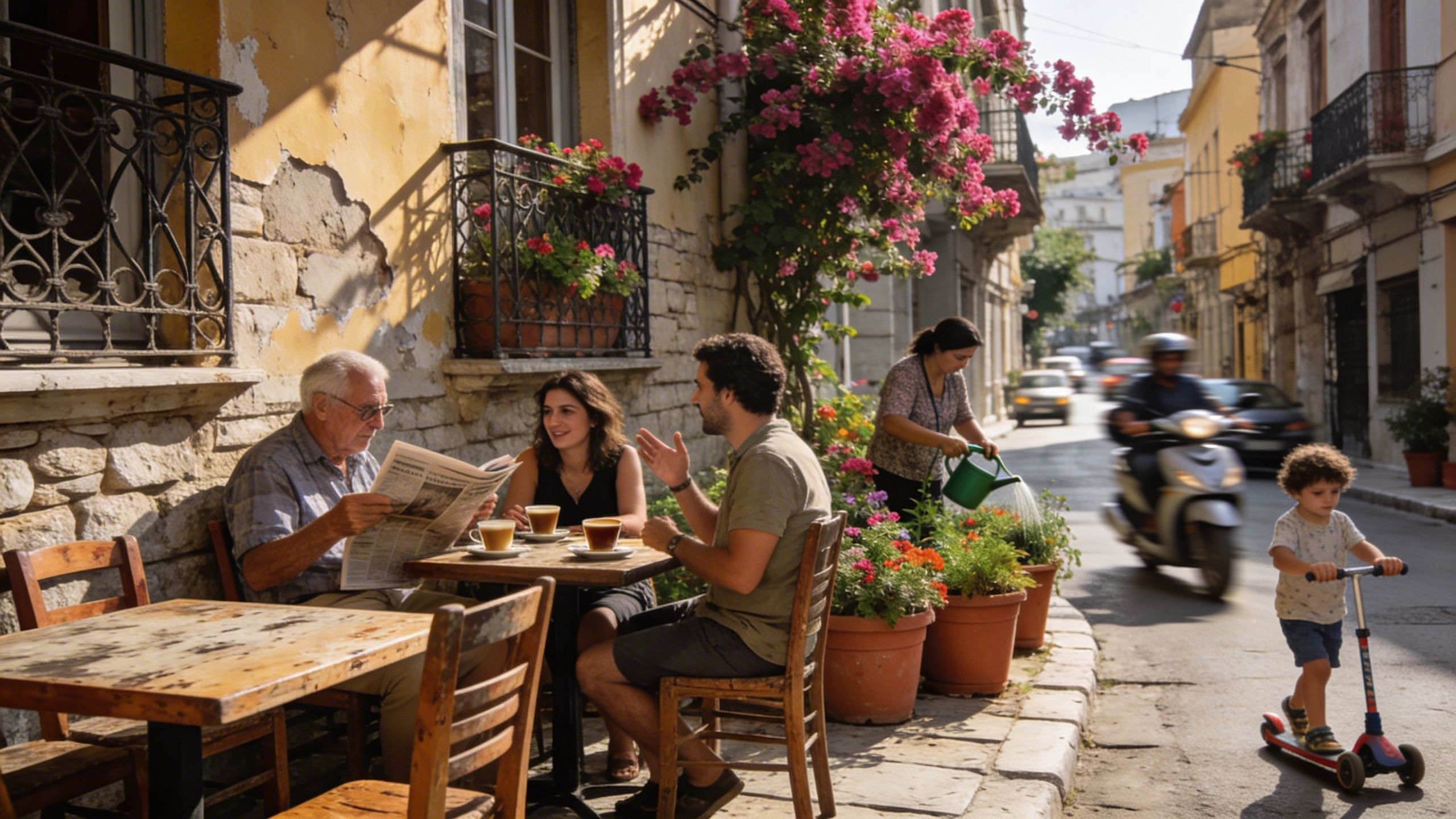
Imagine buying an Athenian apartment where you can sip short espresso shots at 8 a.m., stroll through the central market by noon and manage short‑let bookings in the evening — but also expect months when the streets empty and yields compress. Greece is a place of sharp seasonal contrasts: a lifestyle you fall for quickly and a rental market that requires equal parts romanticism and spreadsheets.
Living the Greek Life — more than sun and postcard views
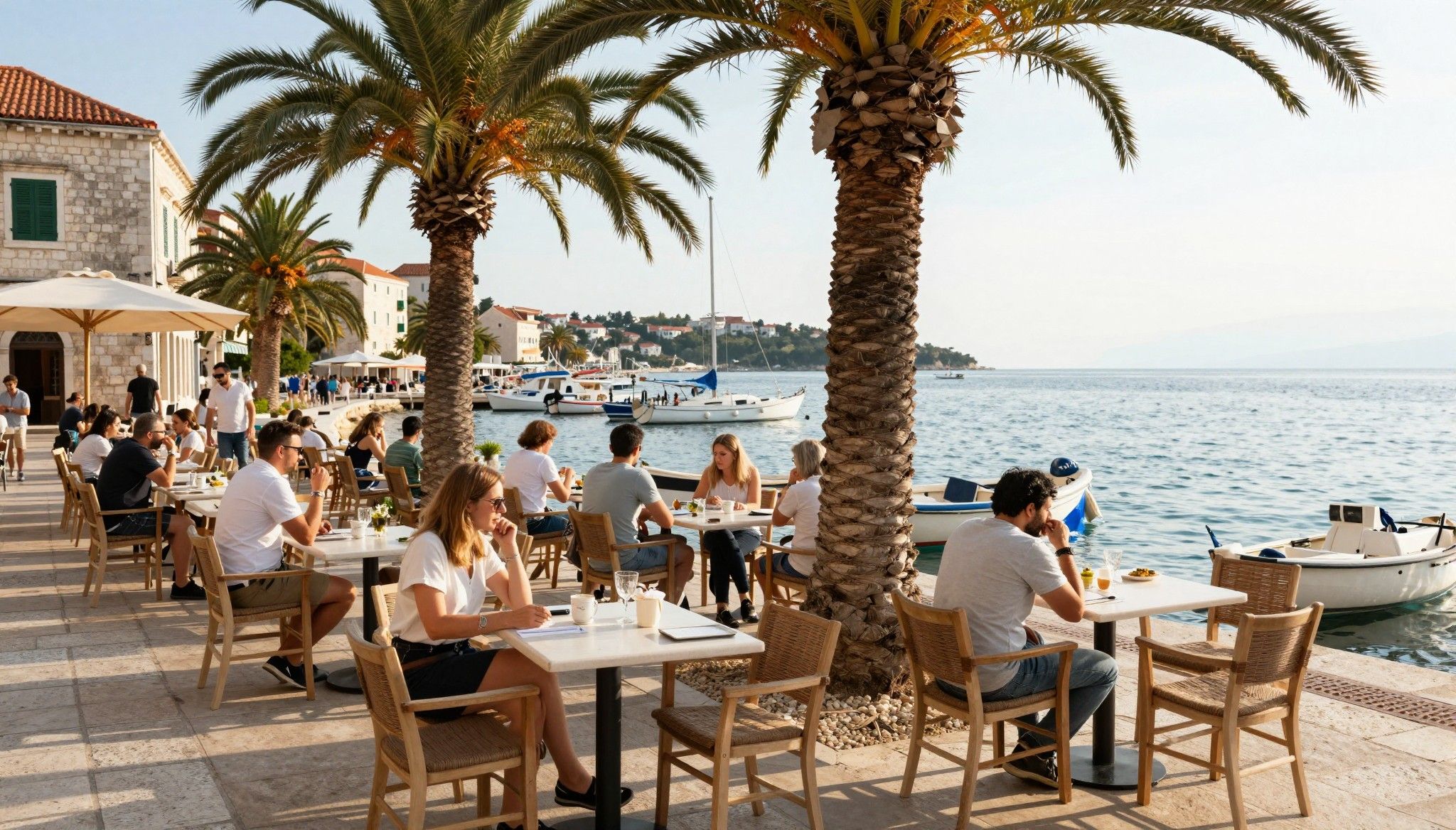
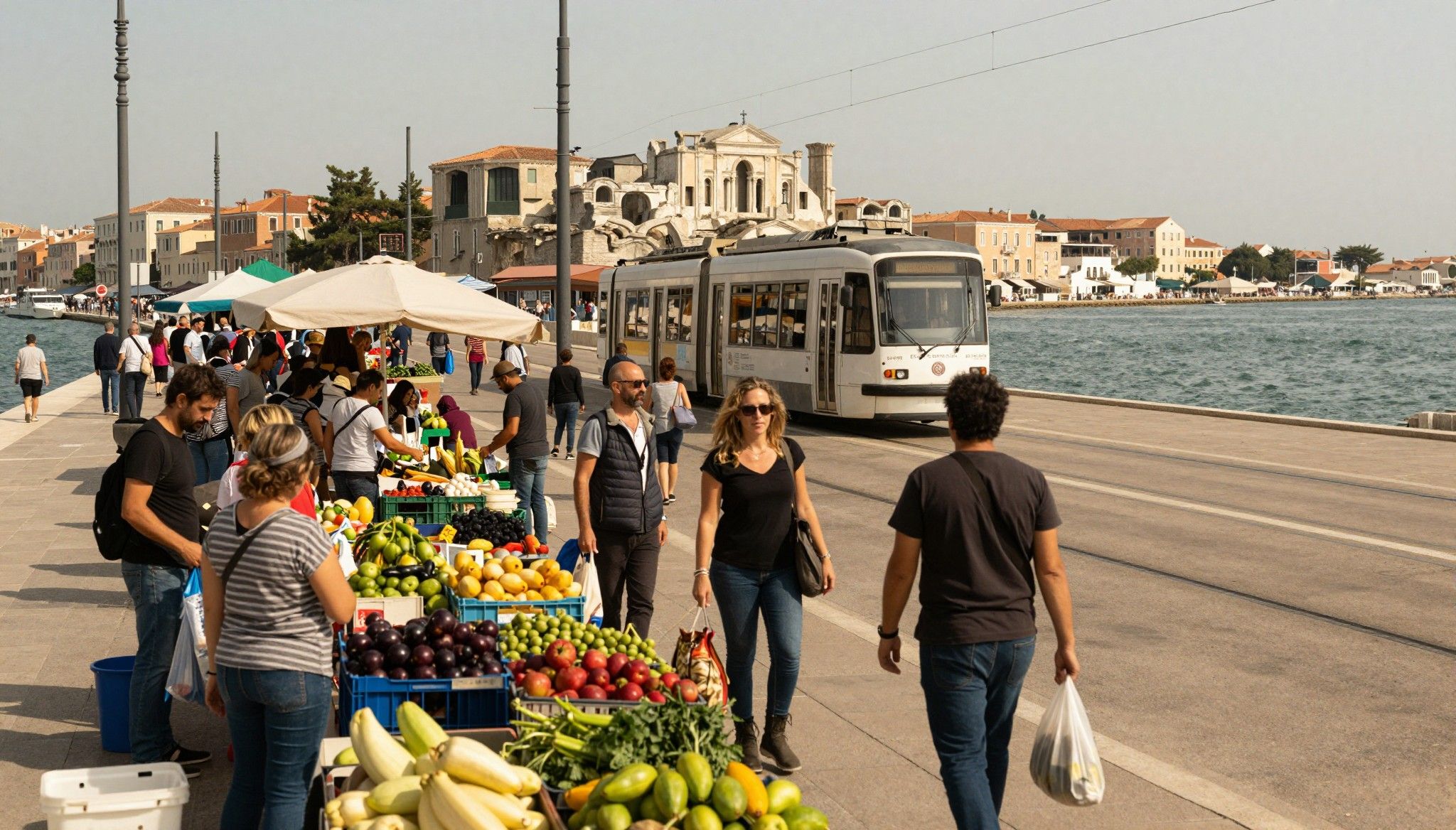
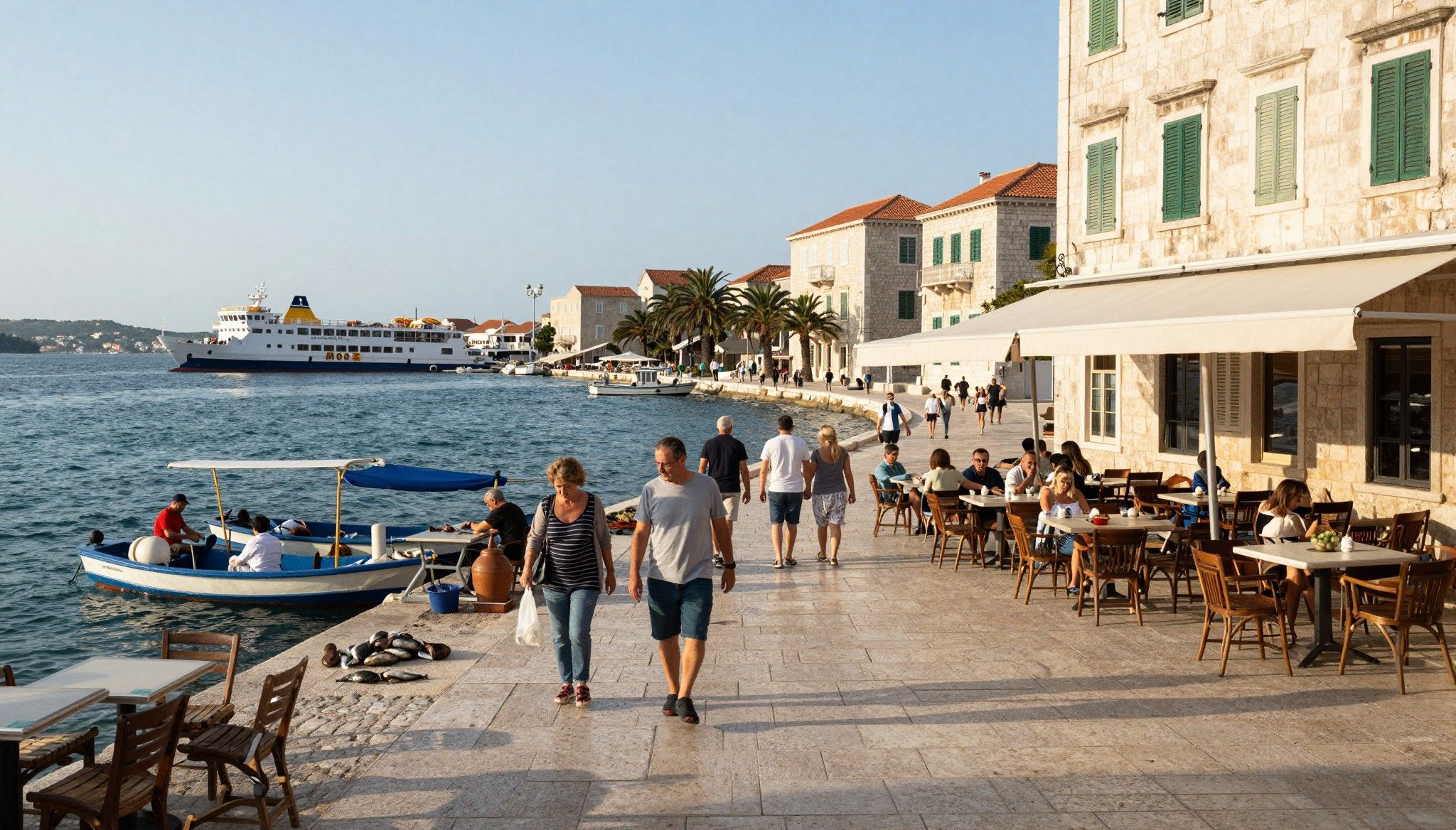
Daily life in Greece moves on cadence: morning coffee at a kafeneio, market runs for fish and greens, and evenings that stretch into long dinners. Athens neighborhoods like Plaka and Koukaki feel lived‑in: narrow streets, street‑level bakeries and families who know your name. On the islands, places such as Naxos or Paros trade higher summer rent peaks for quieter winters where long‑term tenancy matters more than nightly rates.
Athens: urban rhythm, year‑round demand
Athens blends steady domestic rental demand with tourism-driven pockets. Central districts — Exarchia, Koukaki, Kolonaki — are under regulatory scrutiny and periodic moratoria on short‑let registrations have been imposed to protect residents. That matters for investors: supply interventions alter short‑term revenue assumptions and push some owners toward long‑term leases.
Islands: summer peaks, winter puzzles
On Mykonos, Santorini and the Cyclades, nightly rates spike dramatically in July‑August. But supply has expanded fast: listings reached record levels and occupancy rates have softened, so gross revenue projections for short‑lets are now more sensitive to platform competition and seasonality than they were five years ago.
- Lifestyle highlights: morning markets (Varvakios Athens), seaside breakfasts (Agios Georgios, Naxos), evening plateia gatherings, island beach tavernas, ferry‑day rituals.
Making the move: how lifestyle choices reprice yields
The lifestyle you chase directly changes the math. Coastal, postcard locations often deliver high summer gross yields but weaker year‑round occupancy; central urban units in Athens show steadier rental demand and more predictable net yields. House price growth nationwide moderated to single digits in 2024, so cap‑rate expectations must be set against slower price appreciation and the local regulatory environment.
Property styles and real yield implications
Stone village houses on islands need renovation but can command premium holiday rates once upgraded; modern city flats rent quickly to professionals and students. Factor in maintenance, seasonal utilities and vacancy. Historic buildings (polykatoikia) in Athens often have lower purchase prices per square metre but require significant renovation budgets that alter net yield calculations.
Work with specialists who translate lifestyle into numbers
- 1. Get seasonal revenue scenarios: model worst, median and best summer seasons. 2. Separate gross yield (annual rent ÷ purchase price) from net yield (after management, taxes, utilities). 3. Stress‑test for regulatory shifts (short‑let moratoria or higher accommodation taxes). 4. Estimate capex for climate resilience — insulation, shutters, water systems — especially on islands. 5. Require comparable occupancies from local managers, not platform averages.
Insider knowledge: what expats wish they'd known
Expats often fall for the postcard and overlook occupancy declines and regulatory tightening. Short‑let declarations and listings have surged, which increases competition and can reduce occupancy per property. For many buyers, a hybrid strategy — mix long‑term local leases in shoulder seasons with targeted short‑lets in peak months — balances lifestyle use and income generation.
Cultural and seasonal realities that change tenancy behaviour
Greece’s social calendar shifts rhythm: Orthodox holidays, August village returns, and island festivals concentrate demand. Language barriers are real but local community networks, kafeneia and municipal offices are full of practical solutions; learning basic Greek short phrases materially improves tenant relations and contractor negotiations.
Long‑term lifestyle sustainability and resale signals
- Signs a lifestyle purchase will hold value: improving transport links, listed cultural investments, rising year‑round population, conversion of short‑lets to long‑term rentals, and local planning that limits new supply.
Practical next steps: visit in shoulder seasons, ask for audited occupancy and expense histories, negotiate repair credits explicitly, and hire a bilingual property manager who understands both tenants and tourists. This lets you keep the life you love — the morning market, the late dinner — while treating the property as a disciplined asset.
British expat who moved to the Algarve in 2014. Specializes in portfolio-focused analysis, yields, and tax planning for UK buyers investing abroad.