Croatia: Lifestyle First, Yields Next
Croatia’s postcard charm masks rapid price growth and seasonal yield tradeoffs; match neighbourhood rhythms to tenant demand and stress‑test off‑season income.
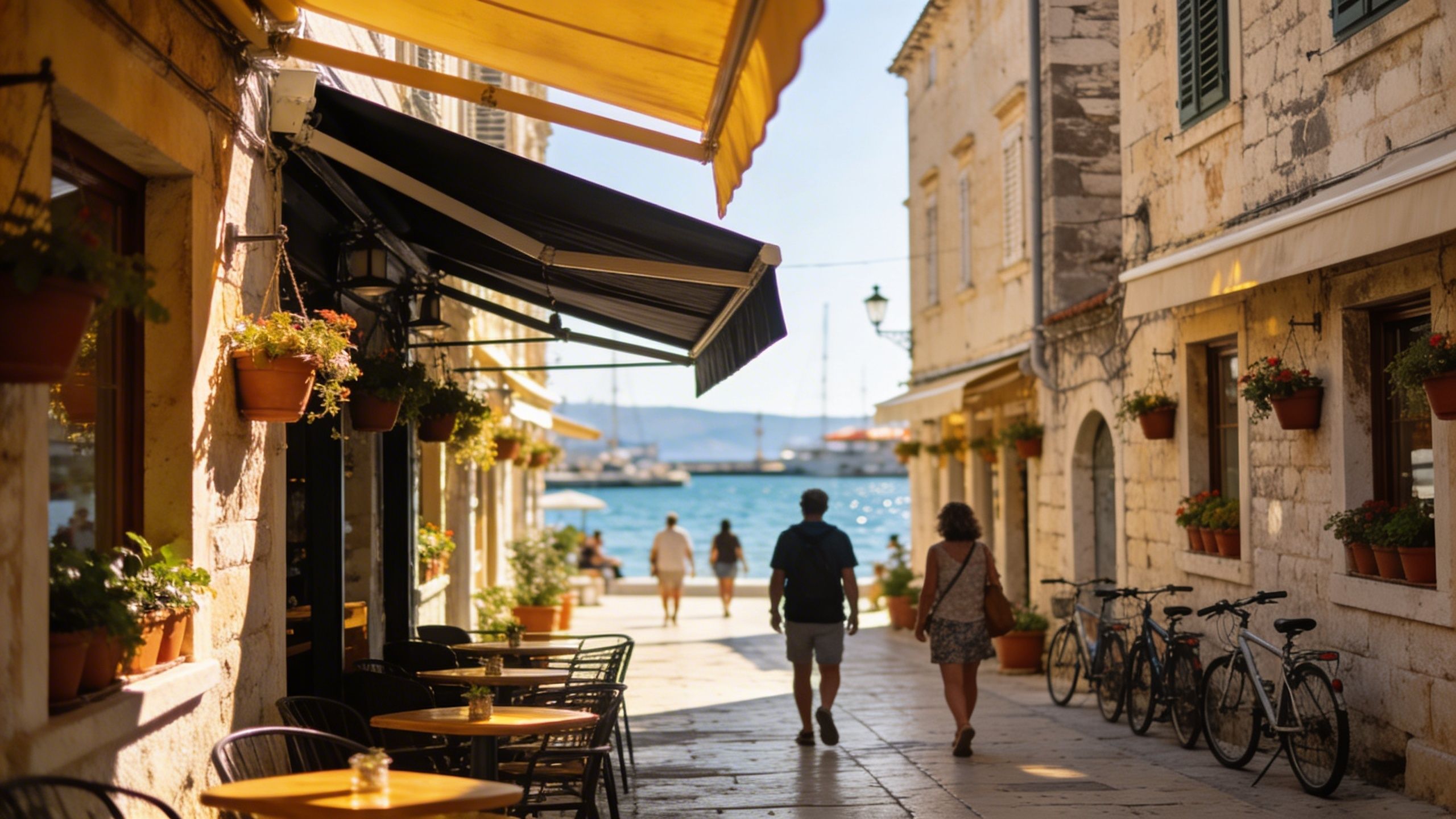
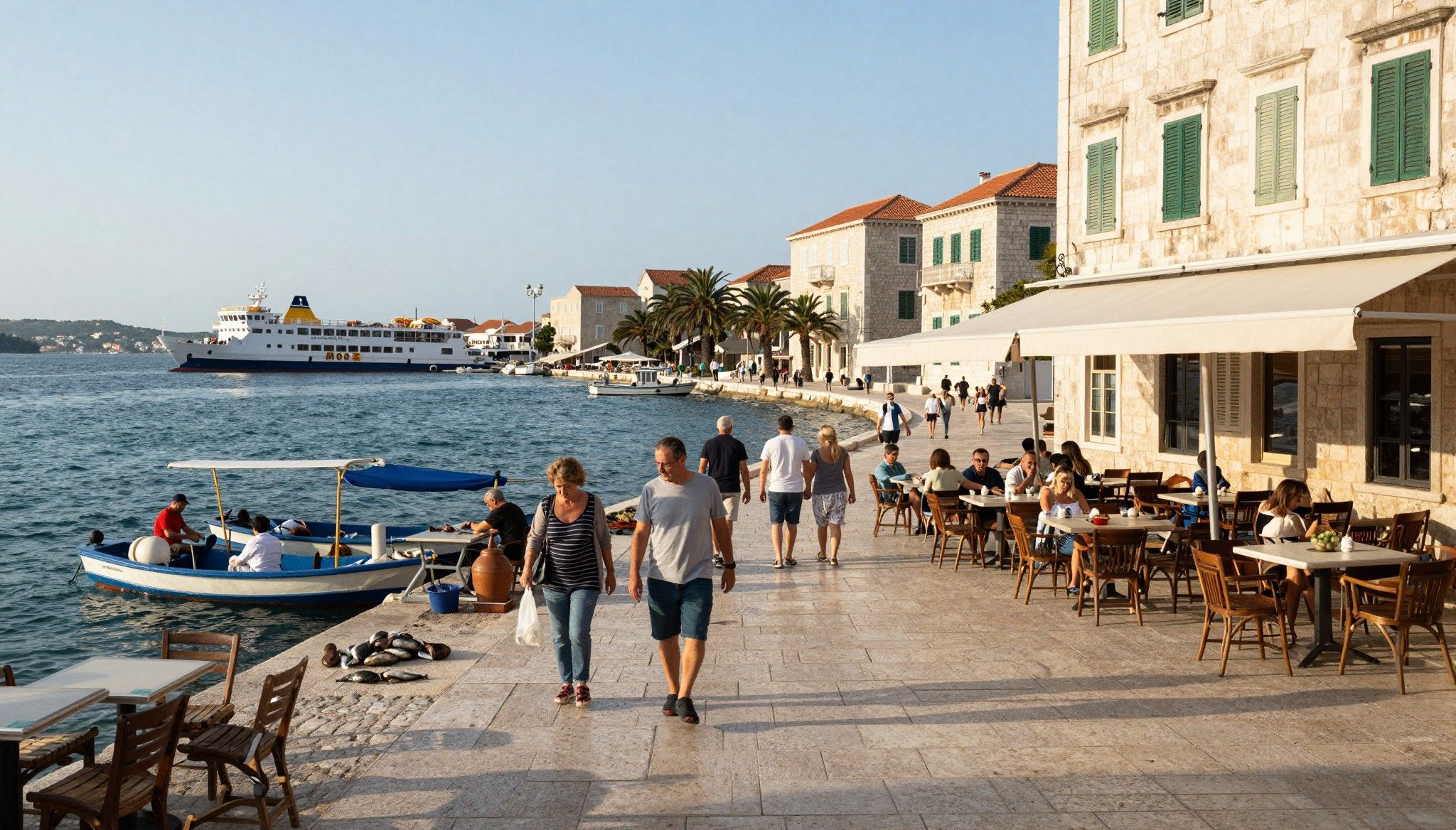
Imagine waking on a warm spring morning in Split: espresso steam curling from a tiny kafić on Marmontova, fishermen hauling nets at the Riva, and a narrow stone street that leads straight to a turquoise cove. For many international buyers, Croatia is first felt through these sensory details—sunlight on limestone, slow seaside rhythms, and a layered history alive in every piazza. But falling in love with that scene is only half the story; the other half is the spreadsheet. Recent official data show rapid price growth across Croatia, and understanding where lifestyle maps onto real yield is essential before you sign.
Living the Croatian life: what you actually get
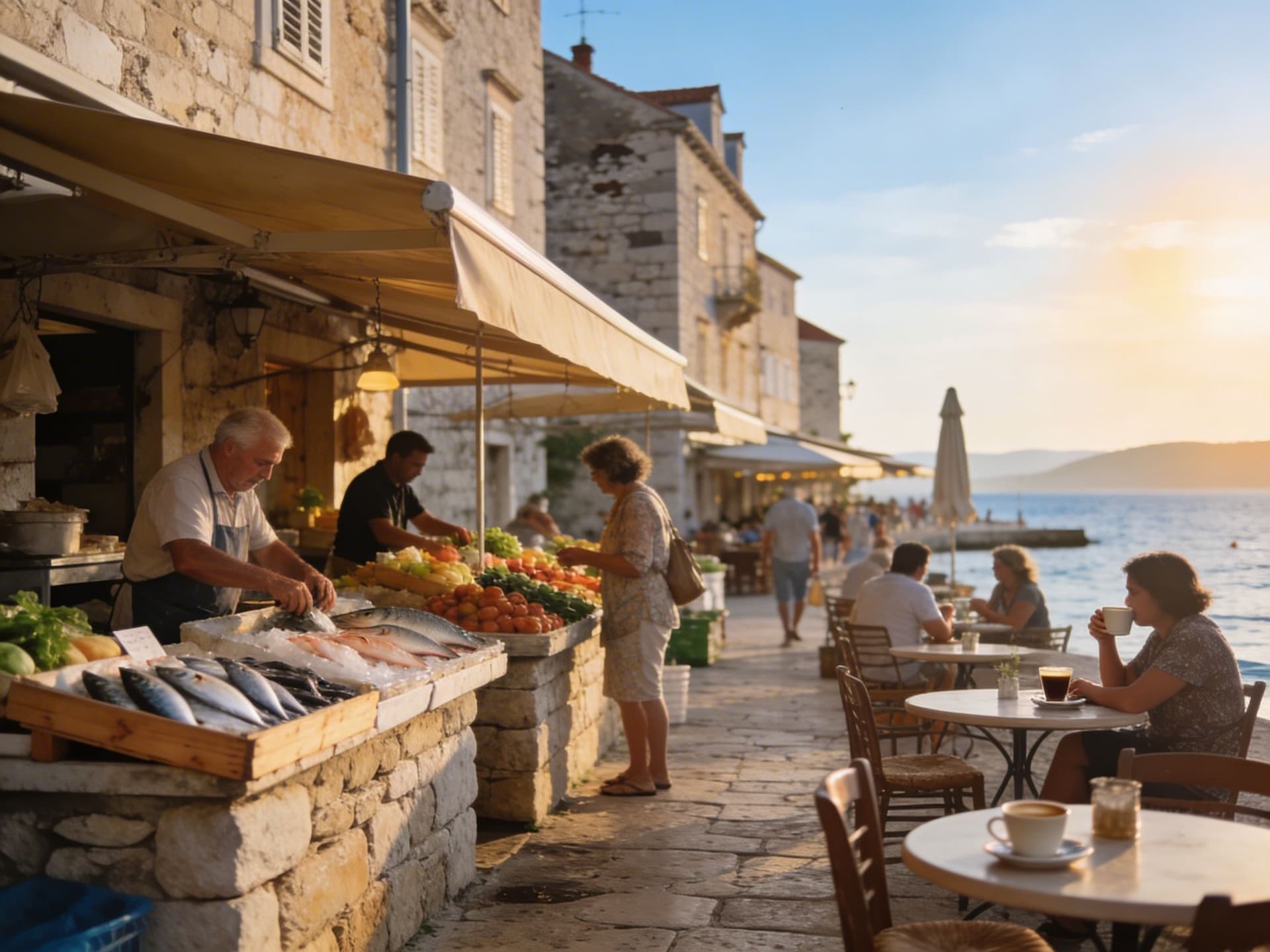
Croatia’s lifestyle is regionally plural. Zagreb hums with coffee culture and year‑round tenants; Istria smells of olive oil and slow food; Dalmatia is maritime and seasonal. These rhythms shape demand: city flats command steady long‑term rents, while coastal homes spike in short‑let revenue during summer. Ask not just 'can I live here?' but 'who will rent this, and when?'—because that answer determines your yield.
Zagreb and the year‑round foundation
Zagreb’s neighbourhoods—from Donji Grad to Maksimir—offer the cleanest rental economics for long‑term landlords. Demand is driven by students, corporate relocations and local professionals. Gross yields in many central pockets cluster around the mid‑4% range, lower than coastal short‑let peaks but more reliable across the calendar.
Dalmatia: tourism lift—and seasonal risk
Split, Zadar and Dubrovnik can deliver headline short‑term yields in summer—Airbtics shows dramatic STR revenue uplift versus LTR revenue—but that comes with concentrated seasonality, higher operating costs, and stricter local rules in heritage zones. Treat coastal listings as a two‑track model: strong summer cashflow, and a quieter nine‑month holding pattern.
- Lifestyle highlights to map to investment types:
- Donji Grad (Zagreb) — espresso culture, stable LTR demand, good for long‑term yields
- Old Town Dubrovnik — tourist premium, constrained supply, high capex and STR regulations
- Split Riva & Varoš — year‑round attractions, growing digital‑nomad base, mixed LTR/STR potential
Making the move: how property type changes yield

Official DZS figures report a national average price per m² for sold dwellings above €2,700 in parts of 2025 with regional dispersion. That number masks micro variations: renovated stone apartments in coastal towns trade at prominent premiums, while inland and Slavonian stock remains comparatively cheap. Your property type—new build, restored stone, or apartment in a 19th‑century block—will materially affect both purchase price per m² and tenant profile.
New build vs. historic stone house
New builds sell at a premium for warranties and energy efficiency, appealing to long‑term renters and relocations. Historic stone houses—iconic along the coast—have strong headline sale prices and seasonal rent appeal but carry renovation unpredictability and heritage constraints. Price per m² and predictable operating costs generally favour modern apartments for investors focused on steady net yield.
How local experts turn lifestyle briefs into yield maps
Work with agencies that overlay lifestyle scouting (which streets, which cafés, which tenants) onto hard metrics (price/m², gross yield, vacancy). Good local partners track seasonality, utility costs, municipal regulations, and short‑let licensing in heritage zones so you can compare net yields not just gross income. Ask potential agents for anonymised comparable leases and typical occupancy calendars.
- Practical steps that blend lifestyle with financial discipline:
- 1. Map your desired lifestyle (city pace vs coastal summer) to tenant demand (students, digital nomads, holidaymakers).
- 2. Request 12‑month income/expense scenarios from agents—include utilities, management, cleaning and municipal fees.
- 3. Stress‑test yields with off‑season occupancy (e.g., 40–60% of summer months) to estimate realistic annual net yield.
Insider knowledge: what expats wish they'd known
Expat owners often arrive enchanted by summer scenes and underestimate winter holding costs and vacancy. A January 2026 market snapshot shows asking prices peaking in Dalmatia—good for capital growth but not automatically better for net yield. The reality: high asking prices plus seasonal vacancy compress net returns unless you plan for year‑round rental strategies.
Cultural quirks that affect ownership
Small local details matter: waste collection schedules determine short‑let turnover costs; summer festivals lock in peak nightly rates but produce weeks of noise complaints; and building bylaws in historic centres can limit modifications. Learn these patterns before bidding. Tenants in Croatia prize proximity to markets and transport—an extra 5–10 minutes to the harbour can change both desirability and yield.
Long‑term view: where yields are likely to settle
Rapid price growth in 2024–2025 means expected future yield compression unless rental income rises commensurately. Investors should prioritise locations with structural year‑round demand (university hubs, ports, and employment centres) or those where renovation can materially boost achievable rent without overpaying for the shell.
- Red flags Croatian buyers should watch:
- No occupancy history for a listing — ask for at least two years of rental records.
- Unclear short‑let permissions in older towns — verify municipal rules and heritage restrictions.
- Large renovation unknowns — get structural and facade estimates from local contractors before bidding.
Conclusion: Croatia sells a life—sea, food, and a slower rhythm—but as an investment it requires a disciplined translation from atmosphere to arithmetic. Use official price indices and regional asking‑price trackers to set a realistic purchase cap, stress‑test seasonal occupancy, and choose property types that match tenant demand. Work with local advisors who present anonymised income statements and off‑season forecasts so the love affair with place doesn't blind you to yield.
Norwegian market analyst who relocated from Oslo to Mallorca in 2016, guiding Northern buyers through regulatory risk, currency hedging, and rentability.