Where Greece Still Pays: Yield Pockets Beyond the Islands
Greece’s postcard appeal hides uneven yield realities—target year‑round demand hubs (Athens, Thessaloniki, select islands) and stress‑test occupancy, costs and regulations.

Imagine sipping a strong espresso on a tree‑shaded table in Exarchia, hearing trams rattle toward Syntagma while a rental agent texts you comparable yields. Greece sells a postcard life—sun, islands, whitewashed lanes—but for international investors the real question is not how it looks at noon on Instagram; it’s how it performs across seasons and regions. Recent tourism and market shifts mean opportunity now sits where the postcard doesn’t point. This piece shows where rental demand and yields diverge from reputation, and how to act without romanticising risk.
Living Greece: more than postcard moments

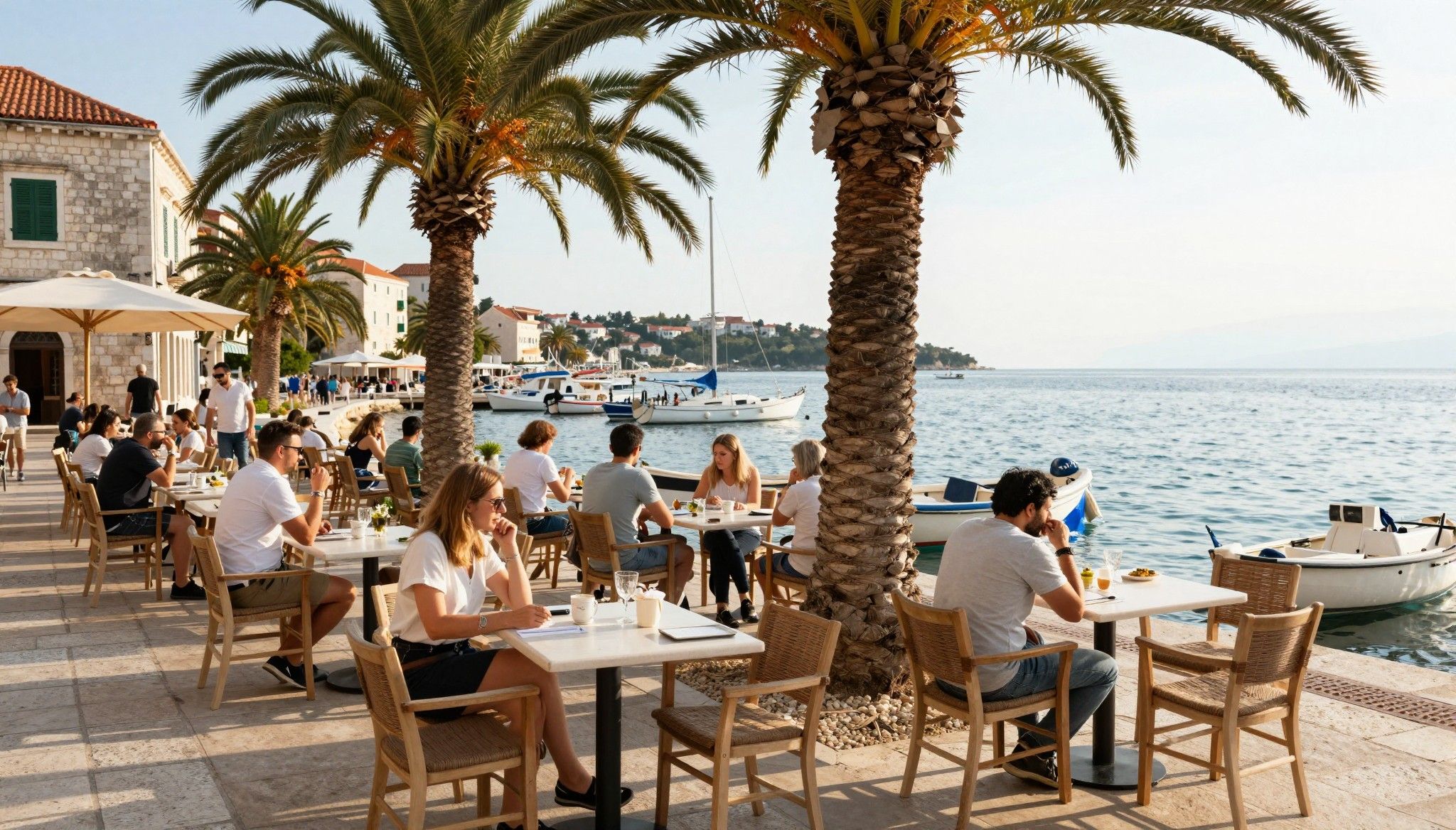
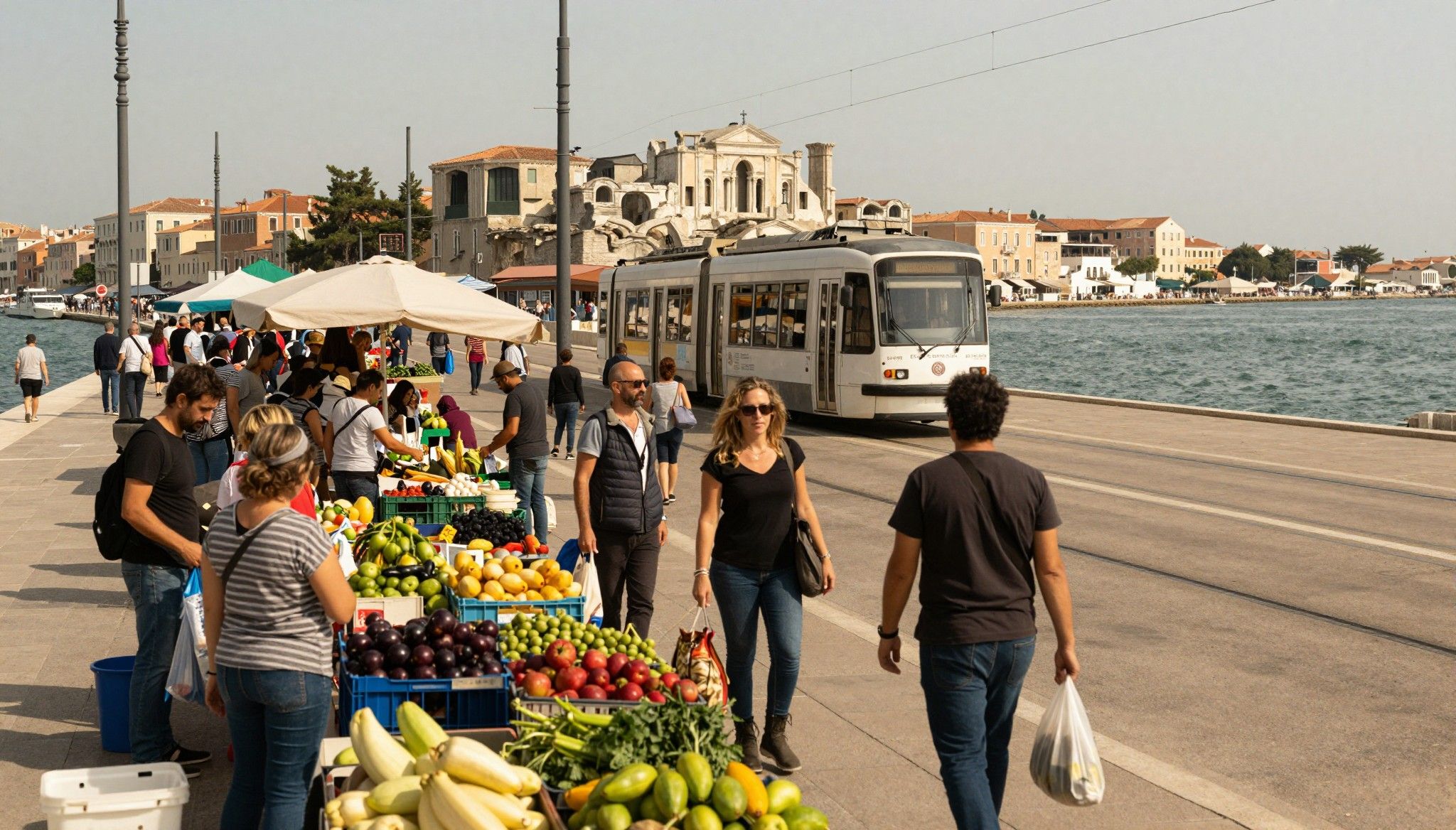
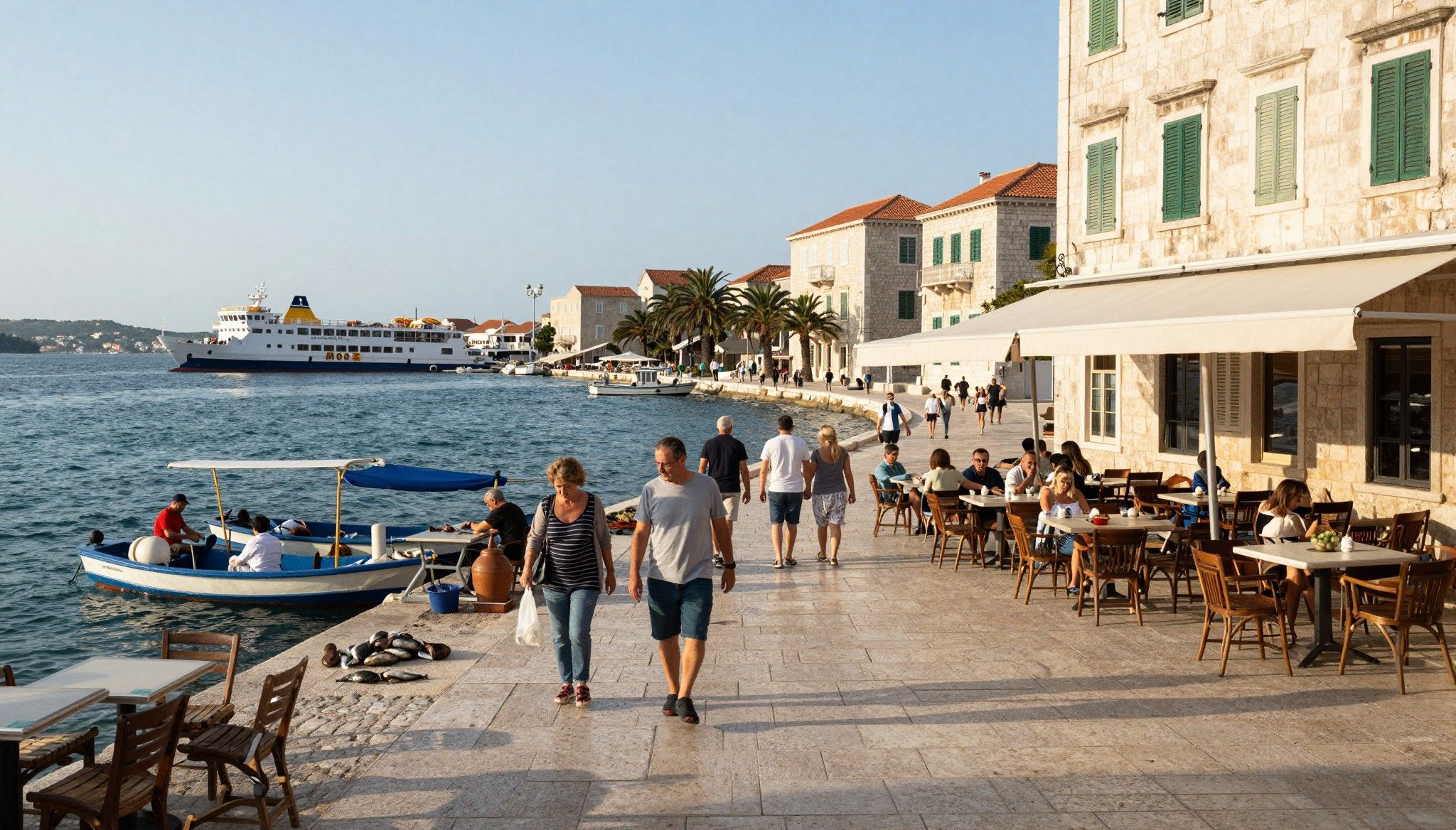
Greece’s daily rhythm balances intense summer peaks with a quieter nine‑month life shaped by local markets, taverna culture and commuter flows around Athens and Thessaloniki. Streets pulse early—cafes at 09:00, municipal markets at 10:00—then slow into the afternoon siesta on islands, only to reawaken for late dinners. For year‑round rental properties, this split personality matters: neighbourhoods with steady local demand (students, public sector workers, year‑round tourism) produce more consistent net yields than those earning all revenue in July and August.
Athens: city yield engine, not just history
Athens blends steady rental demand from professionals and students with improving infrastructure—metros, tram lines and airport links—that support long‑term occupier markets. Central neighbourhoods like Koukaki, Pangrati and Kerameikos remain popular with mid‑term renters and remote workers; fringe suburbs such as Nea Smyrni and Glyfada offer families and expatriates steadier 12‑month tenancy. Prices per square metre vary widely across the city, but Athens often gives higher gross yields than comparable tourist islands because occupancy is year‑round and turnover costs are lower.
Islands: seasonal upside, seasonal risk
High‑profile islands (Mykonos, Santorini) deliver outsized summer cashflow but carry heavy seasonality and policy risk: recent national measures curbing short‑term rentals and tourism management affect effective occupancy. Tourism recovered strongly—millions of visitors in the latest seasons—but policy tweaks and visitor caps on islands can compress the shorter letting window and raise operating costs. For a yield‑focused investor, the question is whether peak months alone justify the purchase premium.
Making the move: practical considerations that preserve lifestyle value

Turn the lifestyle brief—sea views, tavernas, market mornings—into an investment brief by testing demand drivers: year‑round tenancy, local employment, university intake, and transport nodes. A high headline yield that collapses after management, taxes and vacancy is worse than a lower but steadier net yield. Before making offers, map comparable rents for 12‑month leases, short‑let restrictions, and recent price per square metre in your target micro‑area.
Property types: what tenants actually want
Urban small flats (40–60 m²) near universities and transport provide predictable yields because demand from students and young professionals is constant. Two‑bed apartments with outdoor space suit families and longer‑term expats, improving occupancy and allowing higher security deposits. On islands, look for properties with winter insulation and dual‑use layouts that convert between long‑let and regulated mid‑term stays; these cost a bit more up front but reduce vacancy risk outside peak months.
Steps to blend lifestyle and returns
1. Start with demand mapping: tally local employers, student numbers, and year‑round tourism statistics. 2. Price for net yield: calculate expected gross yield, then subtract typical management (8–12%), insurance, property tax and a conservative 10% vacancy buffer. 3. Stress‑test legal constraints: confirm short‑let rules and Golden Visa eligibility if residency is part of the plan. 4. Engage a bilingual lawyer and a local agency experienced in long‑lets to handle contracts and tenancy law. 5. Plan CapEx for climate resilience—shading, insulation and water systems—to avoid future write‑downs.
Insider knowledge: what expats and managers actually say
Experienced expat landlords report one recurring theme: buying for the image—sea view, island name—often misprices ongoing costs and legal risk. Golden Visa reforms and higher thresholds cluster capital into a few prime areas, pushing yield opportunities outward into second‑tier islands and mainland towns. Local managers emphasise documentation discipline: clear invoicing, registered long‑term leases and energy certificates materially reduce disputes and downtime.
Cultural and seasonal realities to budget for
Expect slower legal timelines than some markets; permits and title searches can add weeks, and renovation approvals for listed buildings are stricter. Seasonal services—mothballing water systems, winterising terraces—add recurring costs that are easy to overlook when buying in summer. Language gaps matter for tenant screening and dispute resolution; a local property manager who speaks Greek and English is not a convenience, it’s an insurance policy.
Quick yield‑focused neighbourhood shortlist
Athens (Pagrati, Kallithea): steady student and professional demand; Thessaloniki (Ano Poli, Near University): lower price points, consistent rents; Corfu town fringe: affordable purchase price with year‑round local demand; Naxos/lesser Cyclades: growing mid‑season tourism with lower premiums than Mykonos; Peripheral mainland towns near forests/ports: emerging as second‑home markets with improving yields.
Red flags that reduce net yield
Unregulated short‑lets in controlled zones; properties lacking energy performance certificates; homes requiring major structural works without clear cost estimates; locations with single‑season demand and no winter occupiers; unclear title chains or disputed boundaries.
Conclusion: buy a life, but price it as an asset. Greece’s romance is real, but for international investors the best returns come from marrying lifestyle choices with market discipline: prioritise year‑round demand, quantify all costs (seasonal and legal), and favour micro‑locations where rental cashflow is predictable. Work with local agencies who can translate neighbourhood rhythm into tenancy forecasts; do that and Greece rewards both the heart and the ledger.
Norwegian market analyst who relocated from Oslo to Mallorca in 2016, guiding Northern buyers through regulatory risk, currency hedging, and rentability.