Croatia: Fall for the Life, Buy with the Numbers
Croatia’s lifestyle premium is real — but rising coastal prices and tourism concentration demand street‑level due diligence, conservative yield models and local expertise.
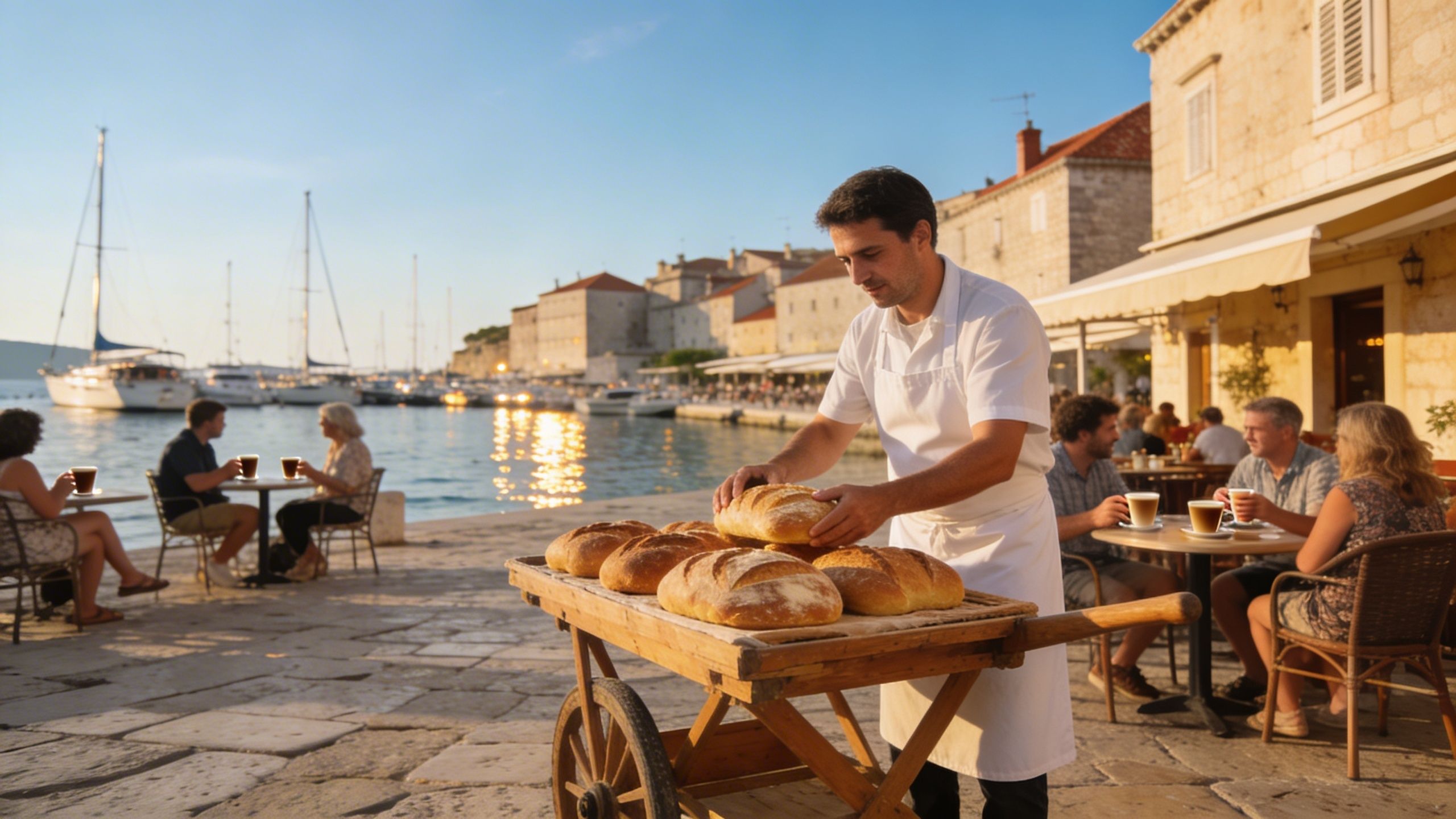
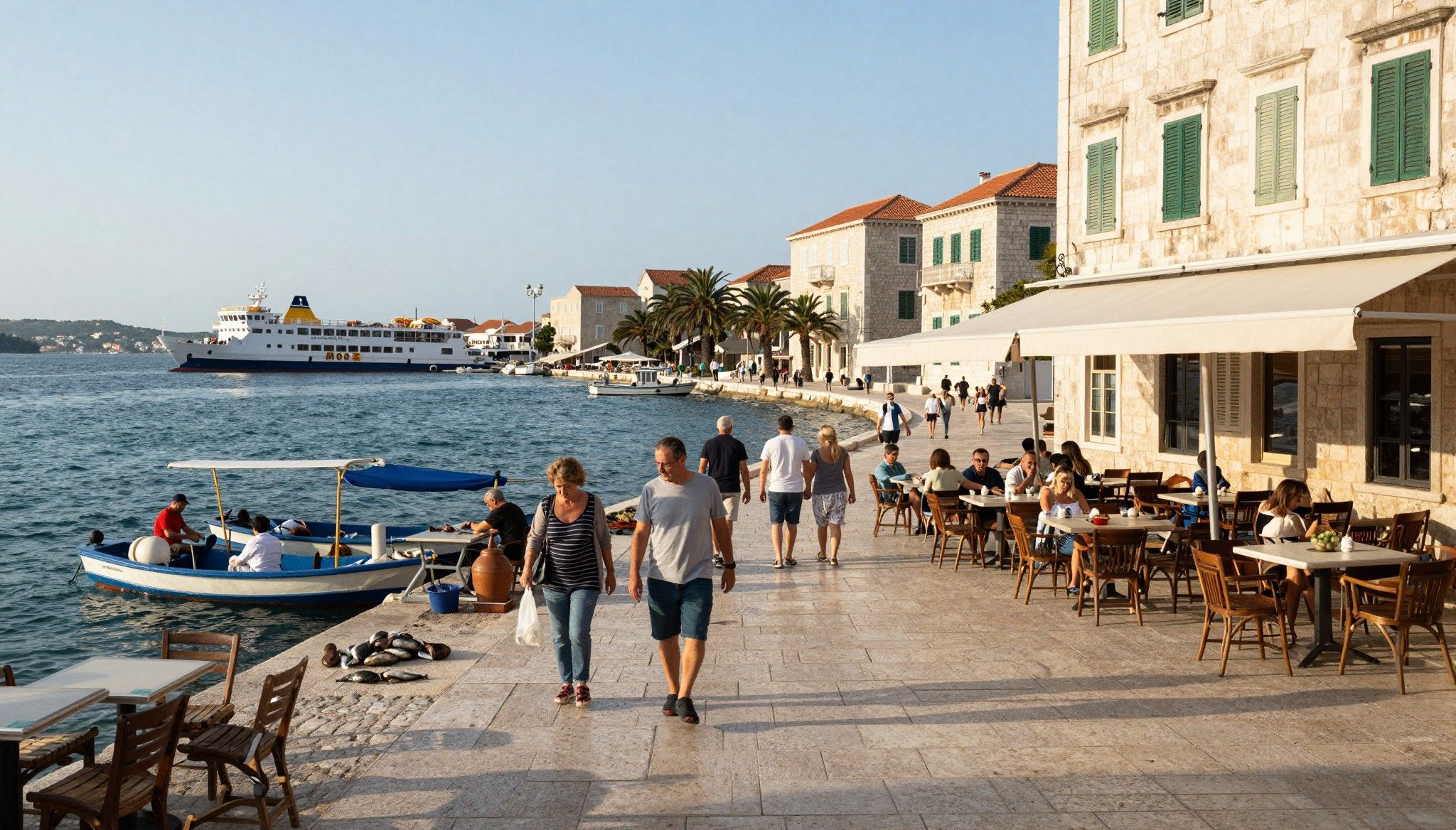
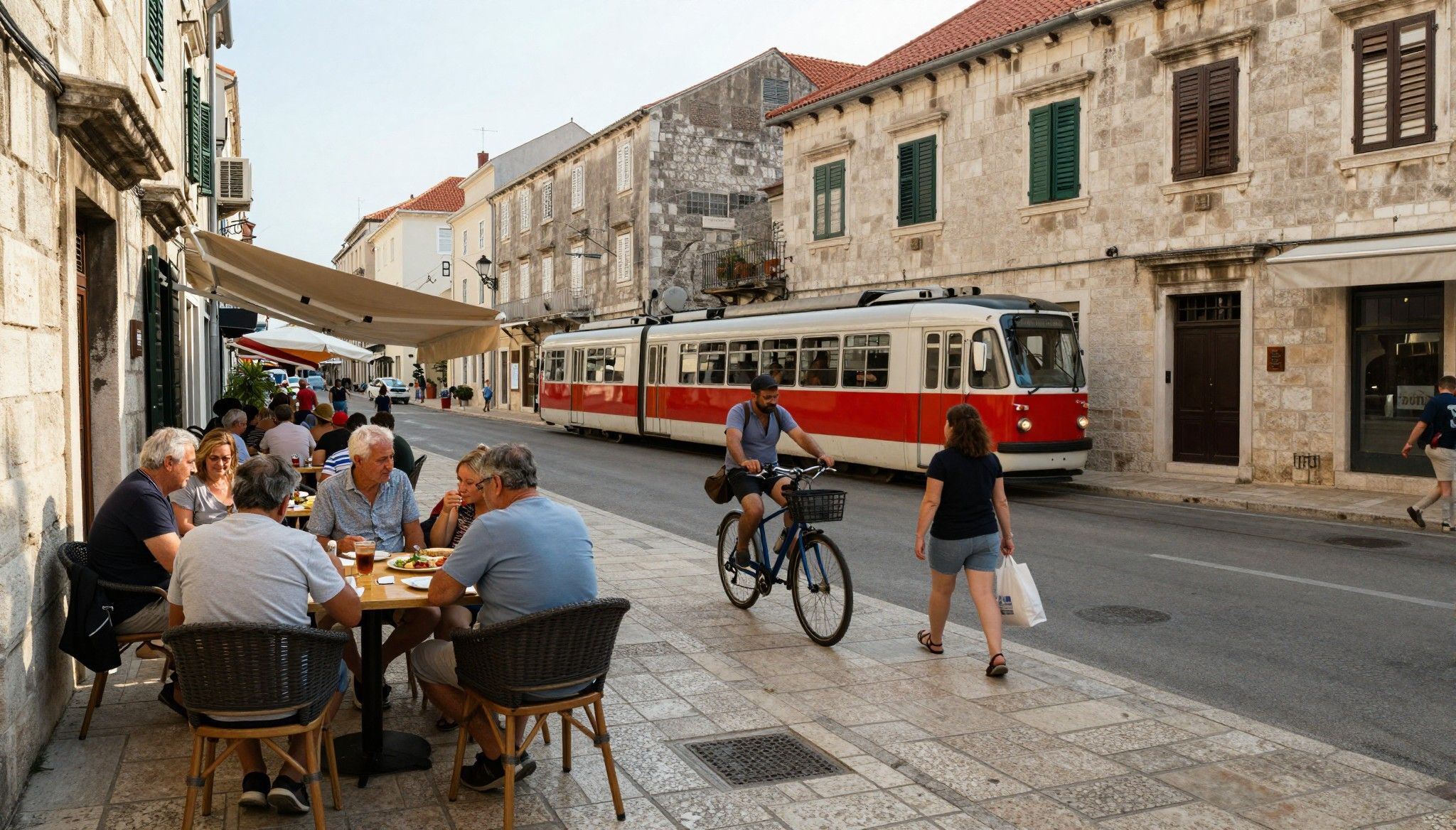
Imagine sipping espresso on Split’s Riva as fishermen bring in the morning catch and a tram bell rings in Zagreb’s Gornji Grad — that slow, confident rhythm is Croatia. But behind the postcard is a market reshaped by tourism scale, seasonal rhythms and fast-rising prices; international buyers proceed with lifestyle dreams and spreadsheet discipline in equal measure.
Living the Croatia lifestyle — what you actually buy into
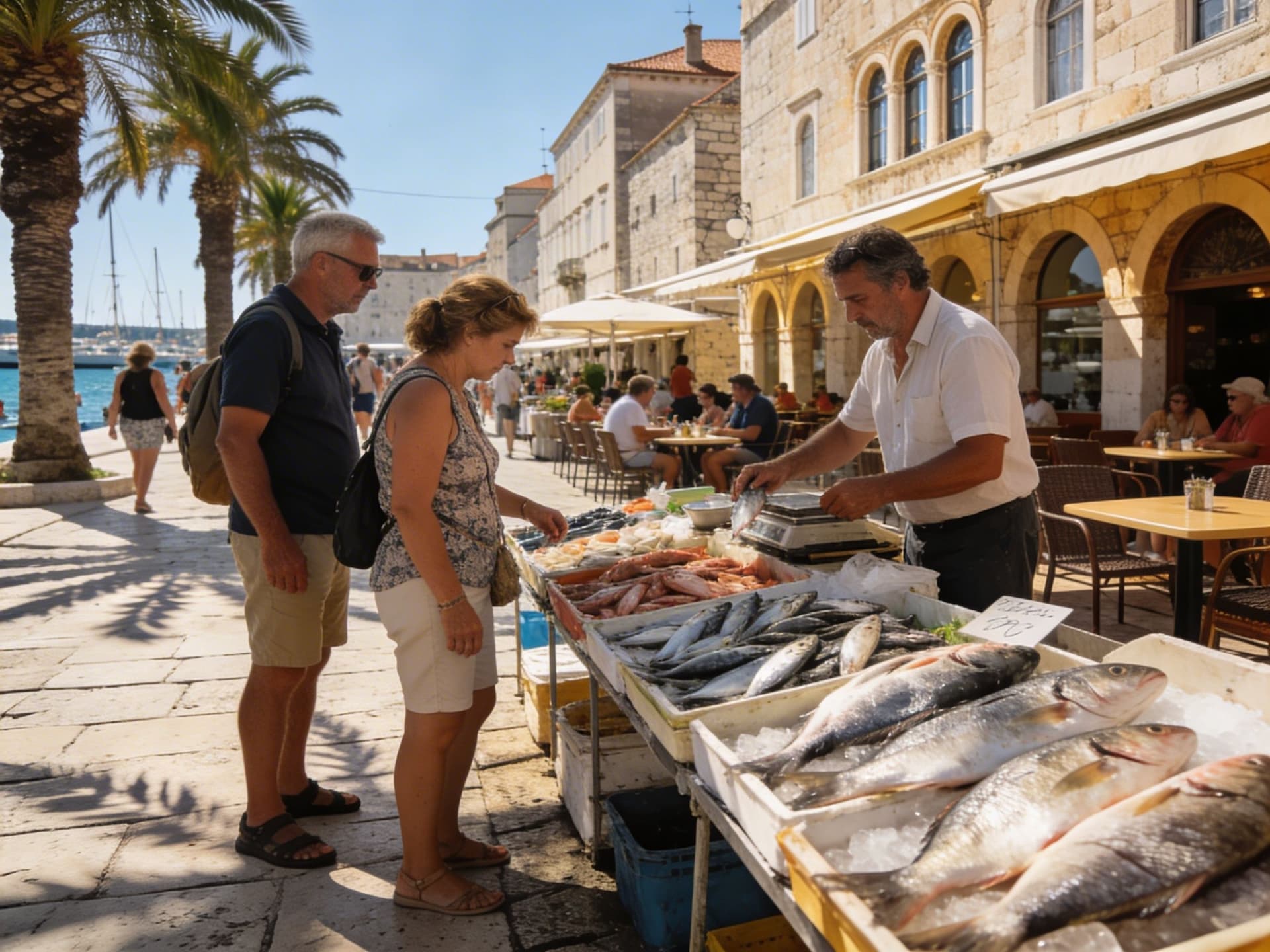
Croatia is Mediterranean tempo with Central European infrastructure. Summers hum along the Adriatic; autumn and spring revive inland towns and vineyards. Tourism brought over 20 million arrivals and nearly 94 million nights in 2024, underpinning rental demand but also concentrating price growth in coastal nodes. Those tourist numbers explain why a lifestyle purchase in Hvar or Split behaves very differently, financially, to a home in Varaždin or Slavonia.
Coastal pulse: Split, Hvar, Dubrovnik
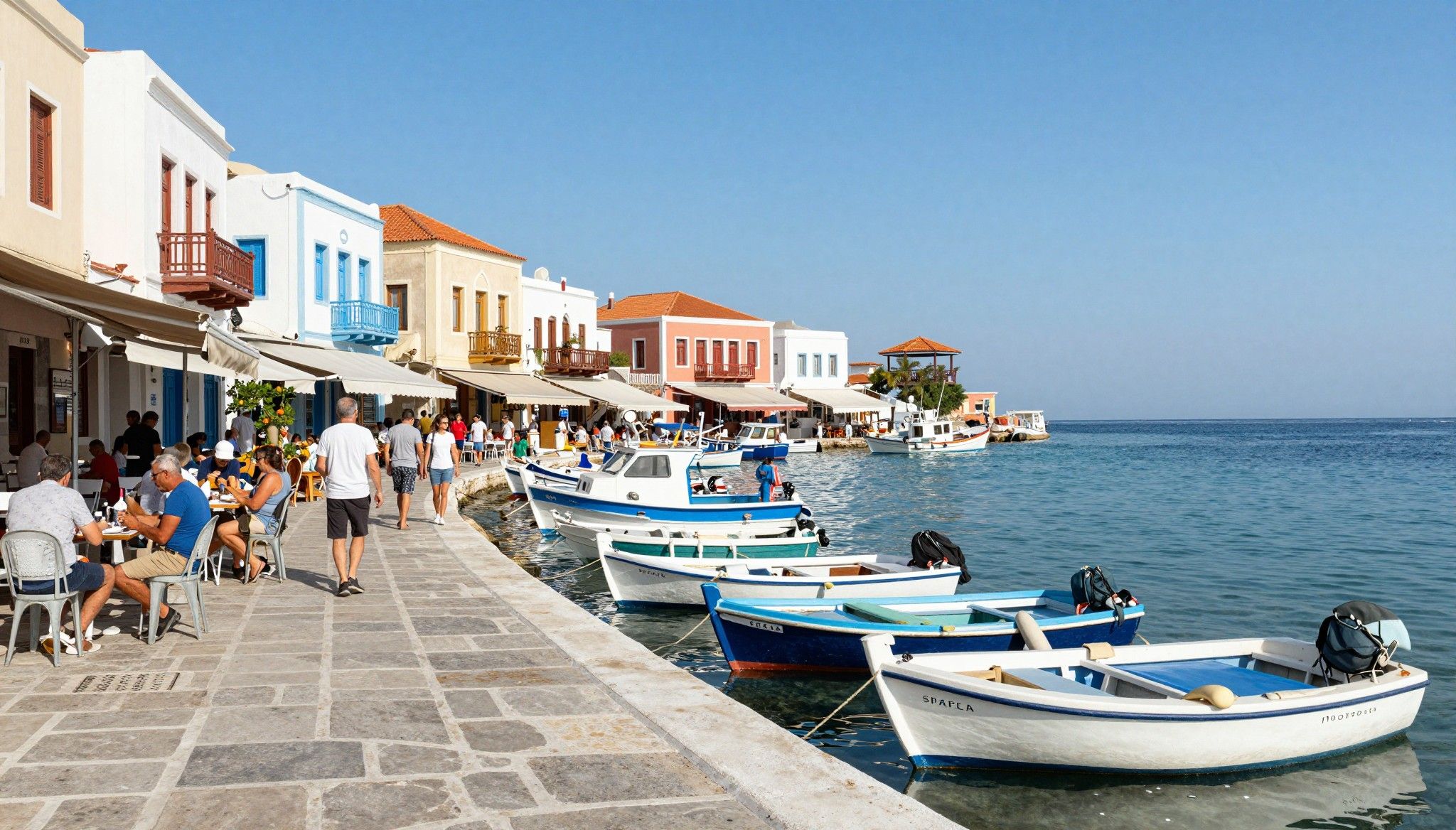
Coastal towns deliver instant lifestyle payoff: close beaches, marina life, seafood markets and an established short‑let ecosystem. But that convenience comes at a premium. Average asking prices in top Dalmatian markets rose strongly in recent years, with Split and Dubrovnik showing especially high per‑square‑metre figures. Expect sea‑view premiums, seasonal occupancy swings and stricter short‑let competition where tourism volumes are heaviest.
City & continental options: Zagreb, Rijeka, Istria
Zagreb blends urban rental fundamentals with cultural life — coffee culture, co‑working, universities — creating steadier year‑round demand. Istria and Rijeka offer hybrid appeal: coastal access without Dubrovnik’s sticker shock and growing ex‑urban interest from EU buyers. A shift toward longer shoulder seasons means these inland and northern coastal markets are increasingly attractive for steady yields.
Making the move: practical considerations that protect lifestyle value
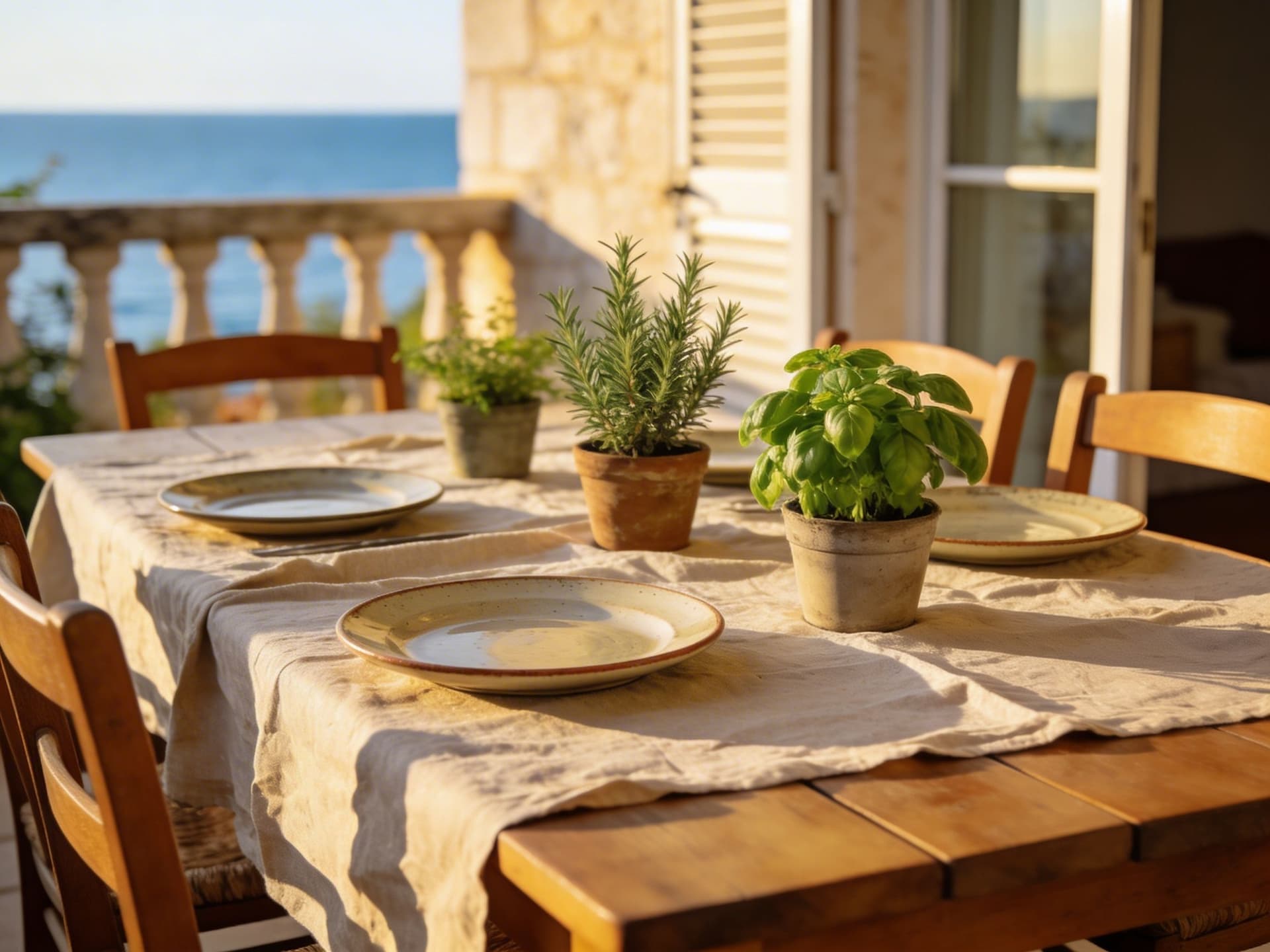
Buying here means balancing the romance of Adriatic terraces with metrics that matter: price per square metre, realistic net yields, vacancy seasonality and regulatory risk from short‑let rules. Recent asking‑price data show double‑digit annual increases in many counties, so timing and location selection determine whether you buy a lifestyle or an expensive seasonal toy.
Property types and how they map to use cases
Stone houses on islands sell the dream but carry renovation, access and maintenance costs. New builds offer lower capex short‑term but command a premium per m². Apartments in city centres or near marinas are rental engines; family homes inland supply local demand but lower short‑let upside. Match the property type to your intended use: full‑time living, long‑let income, or seasonal short‑lets.
How local experts bridge lifestyle and spreadsheets
Work with agencies that combine neighbourhood intelligence with yield modelling. A good local agent will quantify seasonal occupancy, typical nightly rates, running costs, and give comparable sales with exact addresses — not just glossy photos. Demand evidence, ask for anonymised P&L of similar managed rentals, and insist on clarity about tourist registration and municipal rules that affect short‑lets.
Checklist: blend of lifestyle + practical checks
Confirm exact distance to coast and public transport (walk minutes, not ‘near’).
Request historical occupancy rates for comparable short‑lets (at least three seasons).
Estimate year‑round operating costs: utilities, condominium fees, winter heating, property management.
Steps to stress‑test a Croatian property investment
1. Build a 12‑month cashflow model using conservative occupancy (50–60% for seasonals).
2. Include one‑off costs: renovation, agency fees, registration, and annual local taxes.
3. Run sensitivity on price per night and occupancy (±20%) to see upside and downside to net yield.
Insider knowledge: what expats wish they'd known
Expats quickly learn that Croatia’s lifestyle premium concentrates in thin micro‑markets: one narrow lane with cafés, one late‑season festival, one marina can lift both rents and prices. That makes local, street‑level due diligence essential — what looks like a quiet square in March can become a high‑yield rental magnet in July.
Cultural cues that affect property use
Croatians prize family continuity and municipal pride; noise rules and building conservations are enforced locally. Expect neighbours who notice short‑let churn. If you plan a rental play, budget for community relations: written house rules, clear check‑in processes and a local contact to preserve goodwill and avoid disputes.
Longer‑term lifestyle realities
Over five to ten years, coastal demand is likely to remain structurally supported by tourism and limited coastal supply, but returns will be reframed by rising local wages, regulation and the cost of renovation in listed buildings. Buyers should plan a three‑to‑five‑year holding period to see meaningful capital growth alongside managed rental income.
Conclusion: fall for the life, buy with the numbers
Croatia sells a lived‑in Mediterranean life — morning markets, late dinners, island weekends. To protect both lifestyle and investment, pair neighbourhood visits with conservative yield models, local regulatory checks and a street‑level agent who shares verifiable comparables. Do that, and you buy not just a home, but a resilient income stream that supports the life you came for.
Norwegian market analyst who relocated from Oslo to Mallorca in 2016, guiding Northern buyers through regulatory risk, currency hedging, and rentability.