The Summer‑Only Myth in Greece: Where Real Yield Lives
Why Greece’s “summer‑only” rental myth misses the point: anchor tenants, regulatory shifts, and conversion projects create steadier yields than seaside hype suggests.

Imagine sipping an early-morning espresso in Exarchia, watching tradespeople set up market stalls, then hopping a 30‑minute tram to a sunlit coast for an evening swim — that everyday flexibility is Greece. But beneath the postcard sun, buyers face a pervasive myth: that Greek rental returns exist only in a three‑month summer bubble. This piece shows why that assumption misleads buyers and where steady, investor‑grade yields really come from.
Living the Greece lifestyle (more than summer postcards)

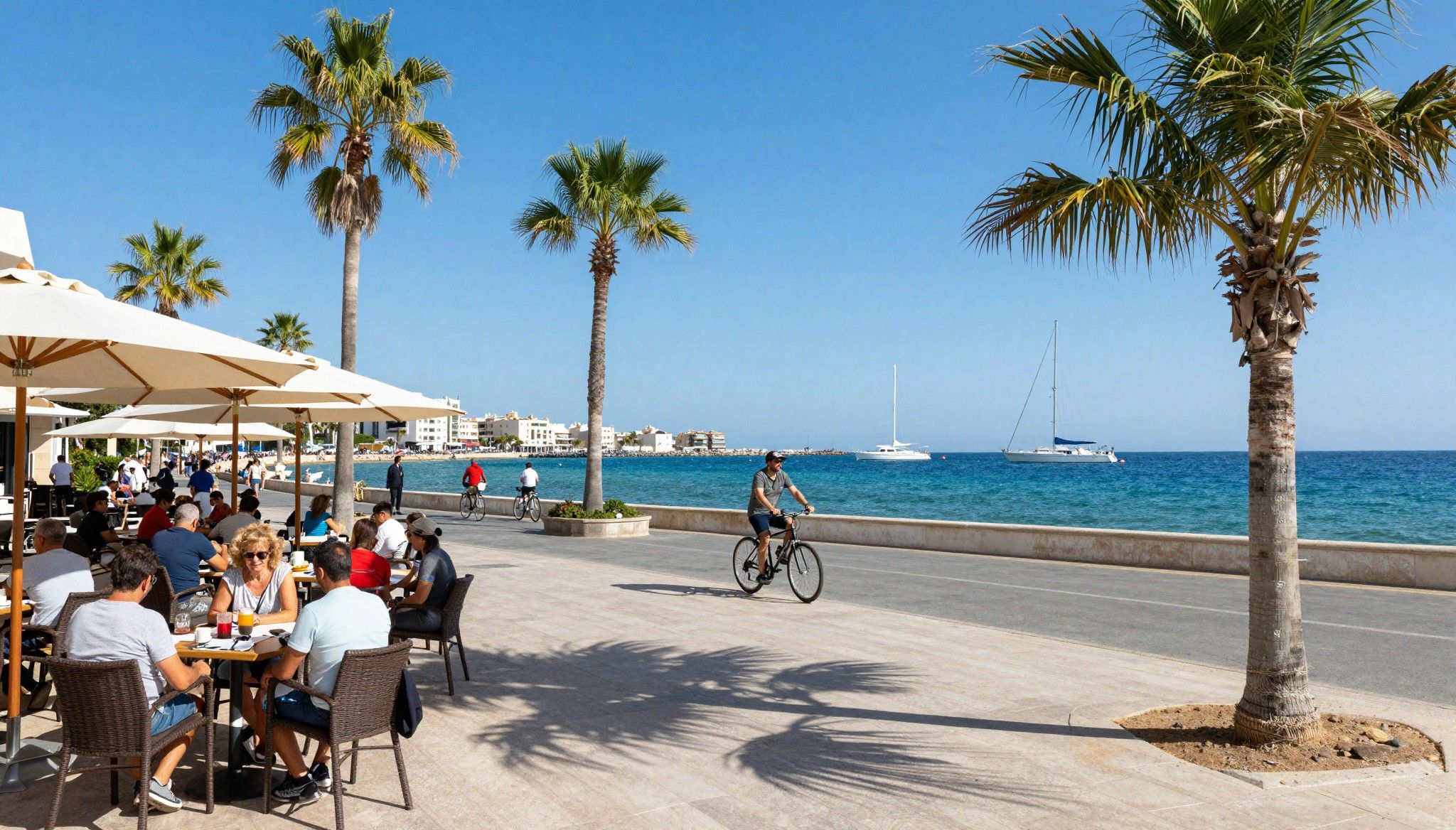
Greece is a life shaped by seasons — winter market cafés, spring olive‑harvest rituals, the long, convivial evenings that stretch from tavern to square in August. Athens neighborhoods like Koukaki and Pangrati hum year‑round with locals and remote workers; islands such as Naxos and Syros show meaningful off‑season life that supports longer lets. The result: rental demand has increasingly diversified beyond purely tourist short‑lets, a trend visible in national housing and tourism data.
Athens inner-ring: coffee, co‑working and steady tenancy
Walk down Kallidromiou or Kypseli and you’ll see a practical urban life: cafes, small galleries, municipal green pockets and a growing co‑working scene that attracts young professionals. Those neighborhoods provide stable long‑term rental pools — local tenants, university students and the steady inflow of EU workers — making net yields less volatile than seaside holiday towns affected by seasonal occupancy swings.
Islands that work off‑season: the new rules of thumb
Not all islands are the same. Mykonos and Santorini remain high‑price, high‑season bets; smaller islands like Naxos, Paros and Syros combine tourism with agricultural cycles and local services, creating shoulder‑season demand. Recent policy shifts on short‑term rentals and municipal licensing have also rebalanced supply, supporting longer lets in previously STR‑heavy zones.
- Lifestyle highlights worth mapping to property strategy: 1) Morning market at Varvakios in Athens for grocery‑run tenants; 2) Sunset stroll at Naxos’ Agios Prokopios for year‑round beachfront communities; 3) Pangrati’s cafes for digital nomads; 4) Syros cultural festival season that boosts shoulder‑season occupancy; 5) Thessaloniki’s university-driven rental base.
Making the move: practical considerations tied to lifestyle choices

Your lifestyle pick — city flat vs island maisonette — directly affects yield drivers: vacancy risk, operating costs, and tenant mix. Policy changes to the Golden Visa and to short‑term rental licensing materially change buyer incentives; for example, higher thresholds in core zones discourage speculative buying in Athens’ prime islands and redirect purchasers toward conversion projects and central neighborhoods with stable rents.
Property styles and how they perform for real use
Stone-built island homes deliver seasonal premium but higher maintenance and vacancy in winter. Athens apartments (60–120 m²) suit year‑round tenancies and remote workers — lower capex per sqm and consistent net yields. Commercial‑to‑residential conversions (eligible now under some Golden Visa routes) can produce attractive cost‑adjusted yields if permit risk and refurbishment timelines are managed tightly.
How local experts connect lifestyle wants to yield outcomes
Agencies who know municipal rules, seasonal demand cycles and tenant types let you match a lifestyle brief to realistic yield targets. Expect them to: advise on expected net yield ranges, map likely tenant cohorts by neighborhood, and quantify total cost of ownership including municipal fees and maintenance unique to island vs urban stock.
- Decision checklist that blends lifestyle and investment (follow these steps): 1) List your target tenant cohort (locals, students, digital nomads, holiday renters); 2) Map neighborhoods to cohort demand (e.g., Thessaloniki universities → long lets); 3) Estimate net yield with conservative vacancy (use 10–20% for islands, 4–8% for central Athens); 4) Test supply risk: check short‑term rental licensing and pipeline; 5) Run a 5‑year cashflow including maintenance spikes and seasonal utility costs; 6) Get an agency to secure local contractor quotes before signing.
Insider knowledge: expat truths and surprising yield drivers
Expat owners often underestimate three things: the operating drag of island logistics, the speed at which local regulation can change, and the value of year‑round community anchors (universities, hospitals, shipping hubs). Those anchors are the single best predictor of steady yields. Equally, policy tightening around the Golden Visa has already reshaped foreign demand patterns — pushing investment inland and toward conversion projects that support longer lets.
Cultural and operational nuances that affect tenancy
Greek tenancy customs favour longer notice periods and relationship‑based renewals; expect in‑person interactions and paperwork in Greek for full clarity. Maintenance timelines are longer on islands due to supply chains; heating and insulation choices matter in northern Greece where winters are colder. Local property managers who speak Greek reduce vacancy and resolve disputes faster — a material yield protection measure.
The red flags we see (and how to avoid them)
- 1) Buying in a tourist‑only micro‑market without a year‑round anchor; 2) Counting on STR income without checking municipal licensing; 3) Ignoring VAT and permit timelines on renovation projects; 4) Overpaying per sqm in islands heavily repriced by Golden Visa demand. Each of these reduces realized net yield by 2–6 percentage points versus projection.
Long‑term lifestyle + practical considerations
If you plan to live part‑time in Greece, prioritise properties with flexible layouts and low‑maintenance exteriors. For investors, consider blended portfolios: 60% urban, 40% secondary island or regional city. That mix smooths seasonal cashflow and captures capital appreciation in markets where housing prices rose double digits recently, per central bank data.
- Portfolio tactics to stabilise yield: 1) Mix tenancy lengths (long let + managed seasonal apartment); 2) Use conservative occupancy assumptions when pricing; 3) Budget 5–10% of gross rent for island logistics and seasonal maintenance; 4) Revisit yield models annually against updated tourism and licensing data.
Conclusion: Greece sells a life; smart buyers buy the income. The country’s culture, markets and new policy architecture reward investors who think beyond July and August — map lifestyle desires to tenant anchors, price conservatively for seasonality, and work with agencies who understand local rules, conversion pathways and municipal licensing. Do that, and Greece offers more reliable rental yields than the summer‑only myth suggests.
Dutch investment strategist who built a practice assisting 200+ Dutch clients find Spanish assets, with emphasis on cap rates and due diligence.