France Sensitivity Playbook: Seasonality & Short‑let Shock
A lifestyle-first sensitivity guide for buyers in France: model seasonal shocks, short‑let risks and finance stress to turn romance into resilient returns.
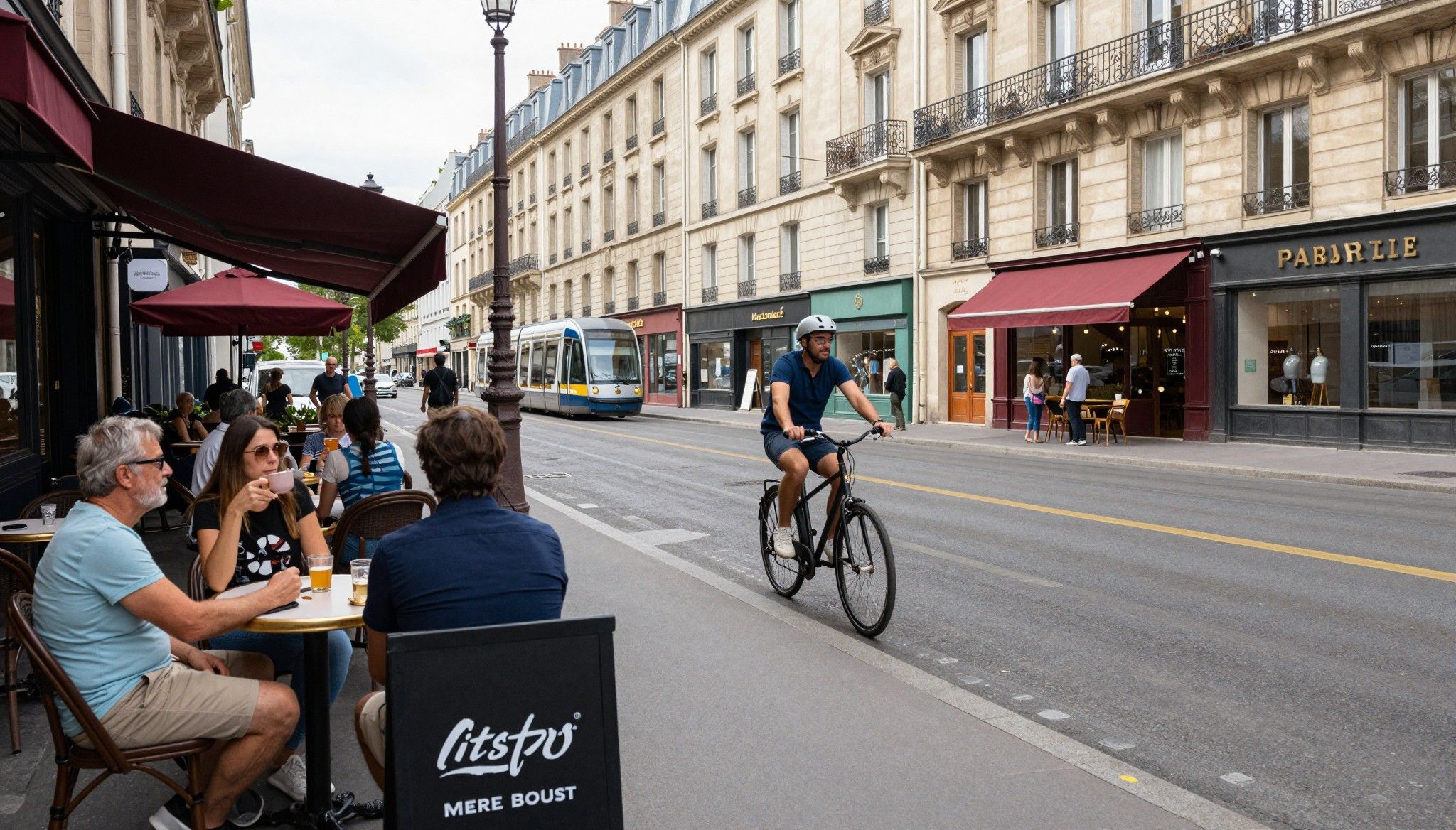
Imagine waking on a narrow Rue des Martyrs morning, espresso at La Fourmi, then a short tram to a seaside market in Marseille by noon. France folds centuries of ritual into everyday life — café counters, open-air marchés, Sundays that slow. For buyers this romance coexists with measurable risks: seasonal demand swings, evolving short‑let rules, and stark regional price dispersion. This piece combines that lived experience with a sensitivity analysis focused on downside scenarios international buyers often miss.
Living France: rhythms that shape value
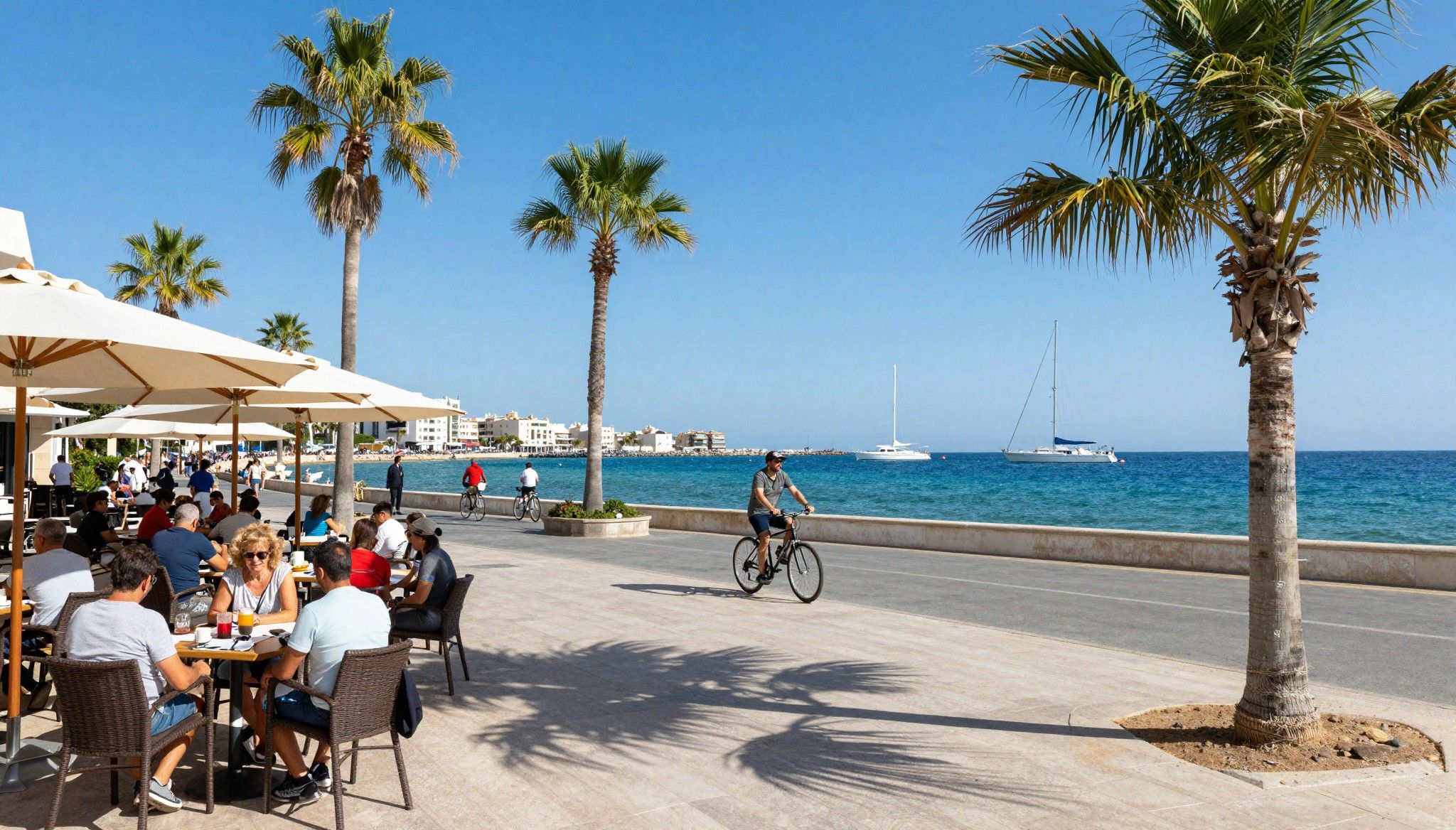
Daily life in France is spatially varied and seasonally vivid: bucolic mornings in Dordogne, school-run bustle in Lyon’s Presqu’île, or summer crowds on the Côte d’Azur. Those rhythms matter for investment — coastal communes see dramatic summer occupancy spikes driven by domestic second‑home use and tourism, a pattern described in national tourism surveys. Seasonal population fluxes raise both gross rental potential and vacancy risk outside peak months. Understanding lived seasonality is the first step toward credible yield forecasts.
Neighborhoods that wear multiple hats
Paris arrondissements pulse year‑round with business and international demand; Normandy coastal towns alternate quiet winters with family summer surges; mountain resorts like Chamonix or Meribel are almost fully seasonal. These mixed-use neighborhoods (local life + tourism) often offer the best hedge: baseline local rental demand cushions off‑season income while seasonal premiums lift annualised returns.
Food, markets and place‑value
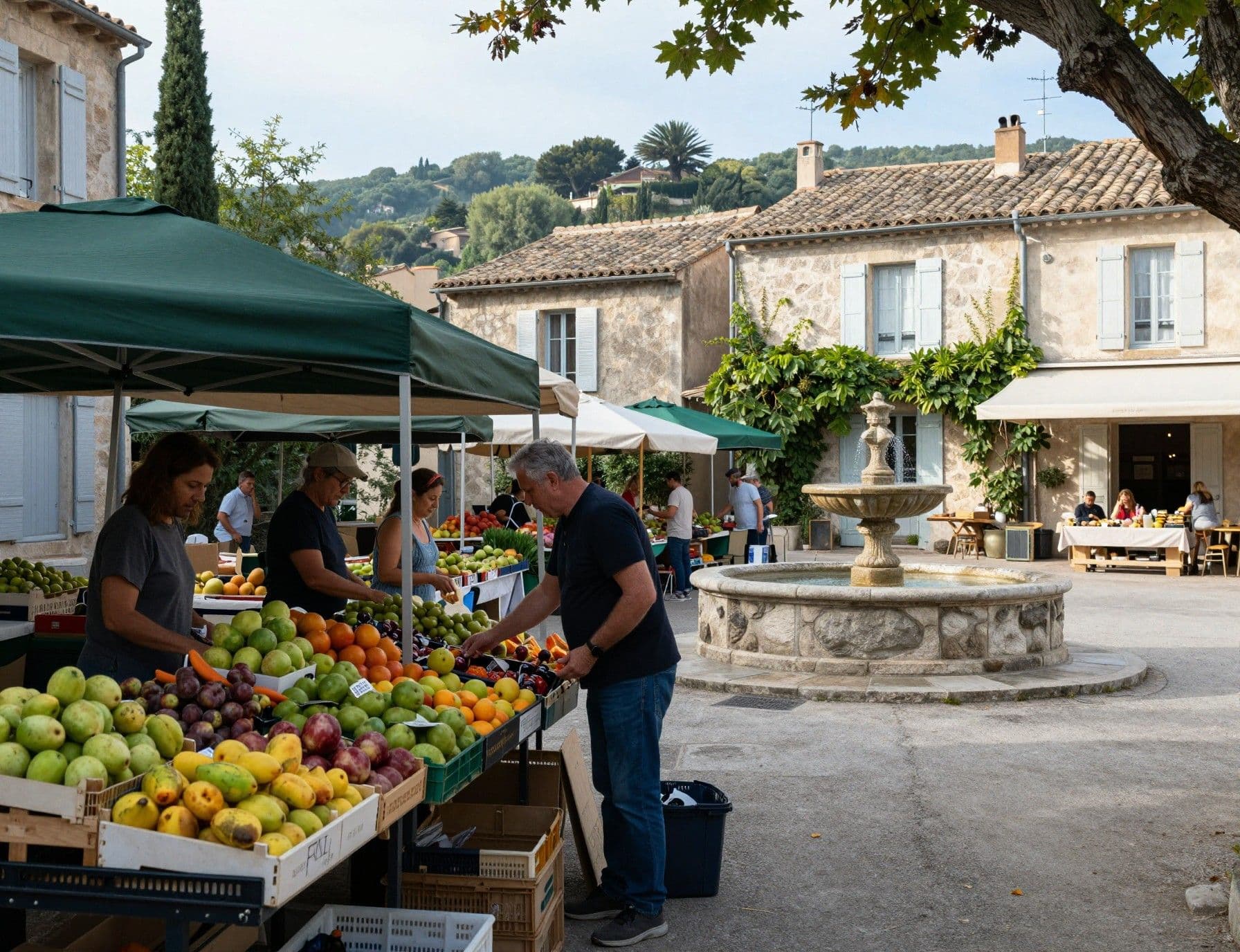
Markets and cafés aren't quaint extras — they anchor year‑round desirability. Buyers who prioritise proximity to a covered marché (e.g., Marché des Enfants Rouges, Paris) or a strong weekday restaurant scene typically see steadier long‑term occupancy and higher tenant retention than those relying solely on tourism flare-ups.
- Lifestyle highlights that map to investment resilience: proximity to a daily marché; tram/light‑rail access; mixed residential/tourist zoning; presence of international school or university; municipal measures limiting short‑lets.
Making the move: practical considerations and sensitivities
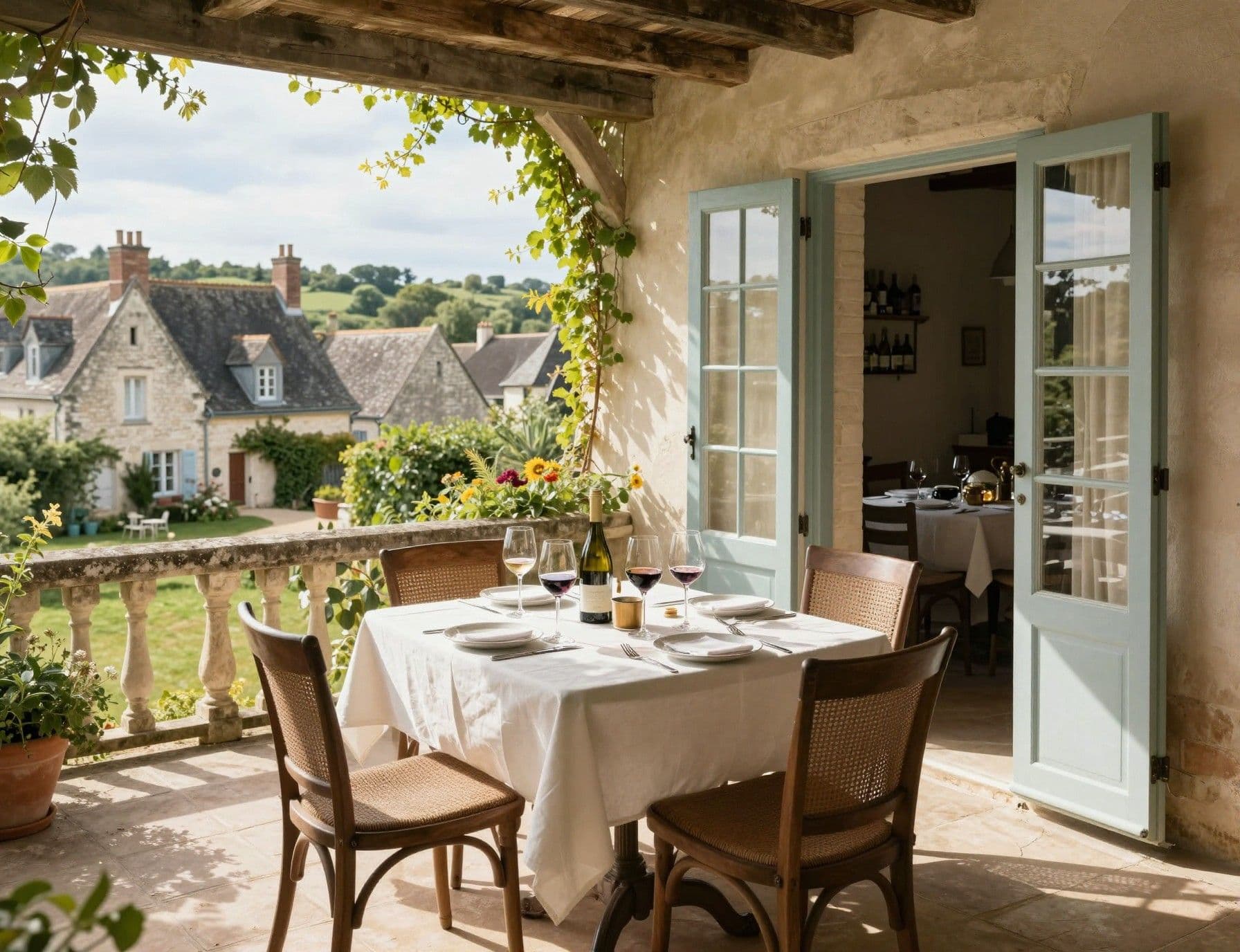
Translating lifestyle into an investment thesis requires explicit sensitivity testing. Start with a baseline yield using current local price per m² (Notaires de France prices) and stress‑test three downside scenarios: weaker seasonal occupancy, regulatory tightening on furnished tourist rentals, and interest‑rate shock. Government analyses on holiday rentals show short‑let supply represents a material share of seasonal nights — a regulatory change here can compress expected income quickly.
Property styles and functional trade‑offs
Stone village houses, Haussmann flats, and modern coastal builds each imply specific cost lines: maintenance, insulation upgrades, and co‑ownership charges. Older buildings in central areas can hold capital value but usually require higher initial capex. Use national land transaction data to benchmark price per m² and add renovation buffers — a 7–12% contingency is realistic for heritage renovations.
How local experts convert lifestyle into numbers
Work with an agent who models: 1) net yield after realistic management fees (10–25% for short lets), 2) occupancy curves by month, and 3) regulatory exposure — ask for postcode‑level short‑let registration data where available.
- Typical stepwise sensitivity test for a purchase decision: 1) Baseline: current market rent × 12 months; 2) Seasonal shock: reduce summer revenue 40% and off‑season occupancy 20%; 3) Regulatory shock: reclassify 30% of gross short‑let revenue as lost; 4) Interest shock: add 2% to mortgage cost and recalculate net yield.
Insider knowledge: red flags and pragmatic wins
Expat lore often misses two realities: many second homes are inherited and underused, and municipal enforcement of short‑let rules intensified after Paris’s recent clampdowns. Local enforcement can change the revenue profile overnight — treat announced municipal measures and registration requirements as high‑impact risks and price them into offers.
Cultural integration, language, and tenancy norms
French tenancy law favours stability; long‑term leases and tenant protections mean turnover costs are often lower for furnished year‑long rentals than peers expect. Learning key phrases, understanding syndicat de copropriété rules, and meeting the syndic early uncovers hidden costs and neighbour attitudes that influence lettability.
Long‑term: second‑home ownership patterns in France are older and more regionally concentrated than myths imply. INSEE data shows many second homes are owned by modest households and inherited over generations — this creates pockets of supply that can limit price growth in some coastal and mountain communes.
- Red flags to quantify before purchase: local short‑let registration limits; high copropriété charges; seasonal unemployment affecting local rents; flood or wildfire exposure in coastal/forest-adjacent properties; low weekday demand if area relies solely on weekend or holiday visitors.
- Pragmatic wins experienced buyers use: 1) buy mixed‑use neighborhoods with daily services, 2) prioritise properties with independent access to reduce management friction, 3) secure at least one dependable weekday income source (student or professional tenancy), 4) contract a local property manager with multi‑year references.
Quantify uncertainty: a worked example
Example: a 50m² flat in Bordeaux bought at €5,000/m² = €250,000. Baseline gross yield at €1,200/month = 5.8% gross. Apply sensitivities: 20% off‑season occupancy loss → gross yield falls to ~4.6%. Add higher management and a 2% interest shock → net yield can compress below 2%. That delta is why scenario modelling matters before signing.
From dream to decision: next steps for international buyers
Start with a short field test: rent in the neighbourhood for a month (off‑peak if you can) to feel seasonality and services. Ask agents for postcode‑level rental ledgers, request recent syndic minutes, and insist on a sensitivity table showing yield under three downside scenarios. Use public registries to verify transaction history.
Who to bring on the team
- Local notaire for title checks; bilingual accountant for cross‑border tax scenarios; a syndic‑experienced agent; a property manager who covers both long and short lets.
Conclusion: France sells a lifestyle, but smart buyers price the realities. Combine sensory reconnaissance — markets, cafés, tramlines — with rigorous scenario testing of occupancy, regulation, and financing. When the numbers survive three downside scenarios, the romance becomes investable.
British expat who moved to the Algarve in 2014. Specializes in portfolio-focused analysis, yields, and tax planning for UK buyers investing abroad.